WAR DAMAGE TO LEBANON’S FARMLAND THREATENS WHEAT PRODUCTION FOOD SECURITY AND FARMERS’ LIVELIHOODS
Lebanon’s agricultural sector is facing severe long term damage as war, displacement and restricted access to farmland disrupt wheat production and destroy rural livelihoods. Government assessments indicate that about 22.5 percent of the country’s agricultural land has been affected, while agricultural recovery data estimate approximately $89 million in direct damage and about $66 million in current season field crop losses. Experts warn that the destruction of farms, irrigation systems, trees and rural infrastructure could prevent many families from returning to agriculture even after hostilities decline.
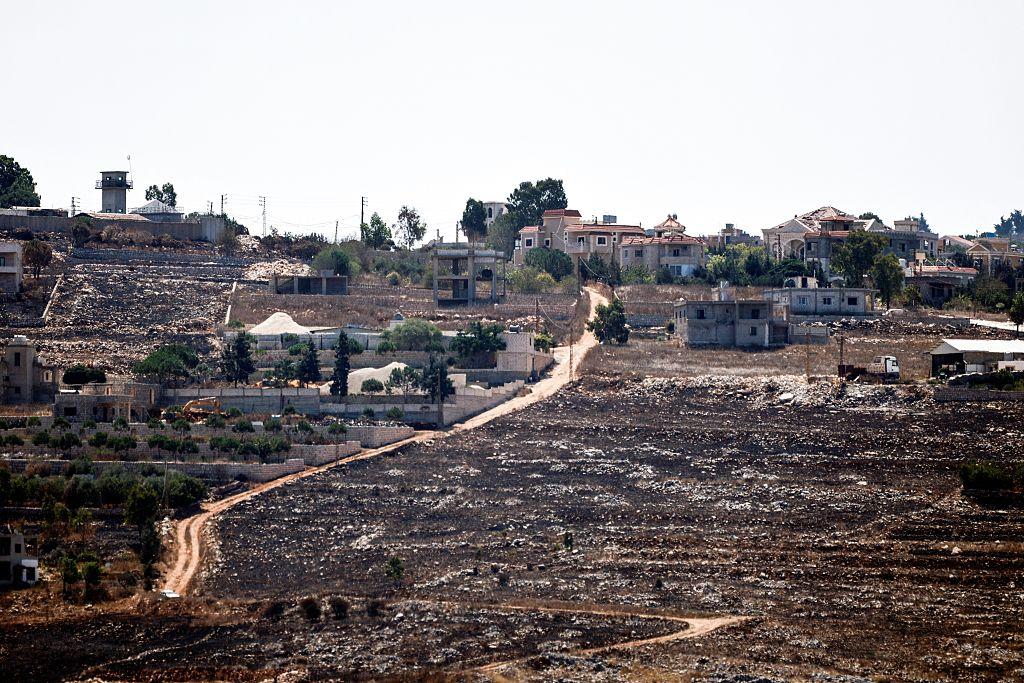
Lebanon’s agricultural sector is facing one of its most severe crises in decades as war damage, displacement, restricted access to farmland and the destruction of productive assets threaten the livelihoods of thousands of farmers and weaken the country’s already fragile food system. Large areas of agricultural land in the south, Nabatieh and parts of the Bekaa Valley have been damaged or rendered difficult to access, while farmers who once depended on olive groves, wheat fields, orchards, livestock and small family farms are struggling to return to land that has been burned, bulldozed, contaminated or left inside zones where continued military activity makes normal cultivation dangerous.
The scale of the agricultural damage has become increasingly clear through assessments conducted by Lebanon’s Ministry of Agriculture, research institutions and international food agencies. Government figures indicate that about 22.5 percent of the country’s agricultural land has been affected by the conflict, representing roughly 56,000 hectares. Around 52,000 hectares of that damage is concentrated in the south and Nabatieh governorates, while another 4,000 hectares are in Baalbek Hermel, demonstrating how heavily the war has fallen on some of Lebanon’s most important rural and farming communities.
The damage goes far beyond fields that have simply been scorched by shelling. Agricultural assessments have documented destroyed irrigation systems, damaged greenhouses, uprooted trees, lost livestock, destroyed farm equipment and farmland that farmers can no longer safely enter because of unexploded ordnance, military restrictions or continuing insecurity. These losses affect not only this season’s harvest but also the ability of farmers to rebuild production in the years ahead.
Lebanon’s agricultural recovery assessment through August 2026 estimated approximately $89 million in cumulative direct damage to agricultural assets. The same assessment found that nearly 3,000 hectares required replanting or major rehabilitation, while more than 8,600 hectares of agricultural production area had been affected during the current season. Field crop losses alone were estimated at about $66 million, representing tens of thousands of tonnes of lost agricultural output.
Wheat has become an important example of how the conflict is reshaping Lebanon’s food production. Agricultural experts say the percentage of land previously used for wheat but now left uncultivated has increased significantly since the war began, particularly in southern Lebanon and the Bekaa Valley. Areas that once contributed to domestic wheat production are increasingly being abandoned because farmers have been displaced, fields have been damaged or access has become too dangerous.
The immediate effect on Lebanon’s overall wheat supply has been partly cushioned by imports and continued production in areas less directly affected by fighting. Lebanon has long depended heavily on imported wheat, meaning the loss of domestic production does not automatically translate into an immediate national shortage. However, food security specialists warn that this should not be mistaken for an absence of serious consequences because the damage has devastated local farming livelihoods and increased the country’s long term dependence on imported food.
For small farmers in southern Lebanon, the consequences are particularly severe. Many farms in the region operate on a relatively small scale and depend on family labour rather than large industrial systems. When a farmer loses an orchard, irrigation system, tractor, beehives or access to fields, there may be no financial reserve available to rebuild quickly.
That vulnerability is one reason experts warn the consequences could continue long after active fighting ends. A destroyed wheat crop can sometimes be replanted the following season, but damaged soil, uprooted olive trees and destroyed irrigation infrastructure can take years to restore. Farmers who lose income for several seasons may also be forced to abandon agriculture entirely, sell land or relocate permanently.
The disruption has affected more than wheat. Southern Lebanon has long been known for olives, citrus, tobacco, vegetables and fruit production, while the Bekaa Valley is one of the country’s most important agricultural regions. War damage across these areas therefore affects multiple layers of the food system, from production and employment to processing, transport and local markets.
Livestock farmers have suffered heavily as well. Lebanon’s Agriculture Minister has said the conflict caused the loss of a large proportion of livestock in southern Lebanon, while tens of thousands of beehives were also destroyed. Those losses affect meat, dairy and honey production while removing sources of income that many rural households depend on alongside crop farming.
Beekeeping is particularly important because bees contribute not only to honey production but also to pollination. The destruction of hives can therefore have wider ecological consequences by affecting the reproductive cycle of crops and wild plants. Recovery requires replacing colonies, equipment and access to safe land where bees can forage.
Environmental specialists have raised broader concerns about the damage to ecosystems in areas repeatedly affected by military operations. Fires, explosives, bulldozing and chemical contamination can alter soil quality, vegetation and water systems, potentially making agricultural recovery much more difficult than simply returning farmers to their land.
Lebanese officials and environmental researchers have also accused Israel of using white phosphorus and spraying herbicides in border areas. Israel has previously said its military operations are directed at security threats and Hezbollah positions, while Lebanese officials and experts argue that the cumulative effect of these actions has been the destruction of land that civilians rely on for farming and settlement.
The use of white phosphorus has become especially controversial because it can ignite vegetation and cause severe burns. Human rights organisations and Lebanese authorities have documented incidents involving white phosphorus in southern Lebanon, while farmers have reported burned fields, damaged crops and fears about whether affected soil can be safely cultivated again.
Some Lebanese academics and agricultural experts have gone further, arguing that the pattern of environmental destruction appears intended to make parts of southern Lebanon increasingly difficult to inhabit. They say repeated damage to farms, homes, trees, water systems and rural infrastructure weakens the ability of communities to return and sustain themselves economically.
That interpretation remains an allegation rather than an independently established conclusion about military intent. What is firmly documented is that large areas of farmland have been damaged, civilians have been displaced and many agricultural communities are struggling to return to normal production.
The humanitarian consequences are becoming increasingly visible. United Nations food agencies say food insecurity remains serious across Lebanon, particularly in conflict affected districts in the south as well as vulnerable areas including Baalbek Hermel and Akkar. Families are dealing simultaneously with unemployment, high food costs, depleted savings and disrupted livelihoods.
The World Food Programme and the Food and Agriculture Organization have warned that households may appear to maintain minimum levels of food consumption only because they are borrowing money, relying on relatives, reducing other expenses or receiving humanitarian assistance. Those coping mechanisms can hide deeper economic distress and may become increasingly difficult to sustain.
FAO has warned that restoring agriculture cannot simply be postponed until after all hostilities end. Farmers need access to seeds, machinery, irrigation systems, livestock support and safe farmland while recovery is still possible. If assistance arrives too late, productive land may remain abandoned and farmers may permanently leave the sector.
The destruction of agricultural infrastructure also creates long term economic costs. Replacing greenhouses, irrigation pipes, tractors and storage facilities requires capital that many Lebanese farmers do not possess, particularly after years of economic crisis and currency collapse.
Lebanon’s financial crisis had already weakened farmers before the current war intensified. The collapse of the banking system, inflation and the sharp decline in purchasing power made imported seeds, fertiliser, fuel and equipment increasingly expensive. The war has added another layer of pressure by destroying assets and disrupting markets.
Farmers who remain in affected areas are often forced to spend more money to produce less. Fuel, transport and labour costs have increased, while the danger of accessing certain fields can make normal farming schedules impossible. In some cases, crops remain unharvested simply because farmers cannot safely reach them.
Unexploded ordnance presents another major obstacle. Fields contaminated with shells, mines or other remnants of war may remain unusable even after fighting declines. Clearing agricultural land can take months or years, depending on the scale of contamination and the resources available to demining teams.
The problem is particularly serious for areas close to the border, where farmers traditionally move frequently between villages, orchards and grazing land. Even when homes remain standing, restrictions on movement can prevent families from restarting the economic activities that made living in those communities possible.
That dynamic has contributed to fears of long term depopulation. Farming in southern Lebanon is not simply an economic activity but also an important part of community life and attachment to land. When agriculture disappears, families may lose the economic reason that allows them to remain in rural areas.
Experts therefore warn that the damage could reshape the social geography of the south. If farmers cannot rebuild, younger generations may move permanently toward Beirut or abroad, leaving rural communities older, poorer and more dependent on outside support.
The loss of agricultural production can also increase Lebanon’s exposure to global food prices. The country already imports a significant share of its wheat and other basic foods, meaning any decline in domestic production increases dependence on international markets and foreign currency.
That vulnerability became particularly clear during previous global food crises, when disruptions to Black Sea grain exports pushed wheat prices sharply higher. Lebanon has limited financial room to absorb similar shocks because the national economy remains fragile.
Strengthening local wheat production had been part of efforts to reduce that vulnerability. Farmers expanded wheat planting after international grain prices rose, but the conflict has reversed some of that progress by increasing the amount of farmland left uncultivated.
Food security specialists say the reduction in domestic wheat output is not yet large enough to create a national shortage by itself. However, the direction of travel is concerning because Lebanon is losing local production precisely when economic conditions make greater self reliance more valuable.
The agricultural crisis is therefore both a humanitarian and strategic issue. Protecting farms means protecting rural incomes, local food supplies and the ability of communities to remain economically viable.
International agencies are calling for more funding to support farmers before losses become irreversible. Emergency agricultural assistance can include seeds, animal feed, irrigation repairs, cash grants and replacement equipment.
Such programmes can prevent farmers from selling productive assets simply to survive. Once a household sells livestock or abandons land for several seasons, returning to farming becomes much more difficult.
The Lebanese government is also trying to incorporate recovery into its long term agricultural strategy. Officials say reconstruction must focus not only on replacing damaged assets but also on improving irrigation, water efficiency, market access and resilience against future shocks.
That will require substantial financing. Lebanon’s public finances remain severely constrained, meaning much of the recovery effort will depend on international donors, development institutions and private investment.
The question of compensation is also likely to become politically important. Farmers who have lost homes, orchards or equipment want to know whether they will receive financial support and how damage will be assessed.
Accurate damage assessments will be essential because the losses vary significantly from one area to another. A farmer who loses a seasonal wheat crop faces a different recovery timeline from someone whose decades old olive orchard has been destroyed.
Perennial crops are particularly costly because mature trees can take years to replace. An olive tree destroyed today may not produce commercially meaningful yields again for many seasons.
That long recovery period increases pressure on families to find alternative income. Without financial support, many may decide that rebuilding is simply not economically possible.
The damage to agricultural ecosystems may also affect water management. Soil erosion, destroyed vegetation and damaged irrigation networks can reduce the land’s ability to retain water and increase vulnerability to drought.
Climate change makes those concerns more serious. Lebanon already faces rising temperatures, irregular rainfall and water stress, meaning war damage is interacting with environmental pressures that existed before the conflict.
Environmental researchers warn that repeated disturbance can accelerate desertification in vulnerable areas. If vegetation disappears and soil structure deteriorates, farmland may become less productive even after military activity stops.
Those risks explain why some experts describe the conflict as disrupting entire ecosystems rather than simply destroying individual farms. Agriculture depends on soil, water, vegetation, insects, livestock and human labour working together, and damage to one part of that system can affect the rest.
The agricultural crisis also has implications for public health. When local food production declines and incomes collapse, families may reduce the quantity or quality of food they eat.
Poor households may rely more heavily on cheaper calorie dense foods while consuming less fresh produce, meat and dairy. Over time, that can increase malnutrition and other health problems.
Children are especially vulnerable when households begin cutting food expenses. Humanitarian agencies therefore monitor not only whether families have enough calories but also whether diets remain nutritionally adequate.
The current food security assessments suggest many Lebanese households are still managing to meet basic food needs, but only through increasingly fragile coping strategies. Savings have been depleted, debt has increased and humanitarian assistance remains under financial pressure.
That means another shock could push more families into severe food insecurity. Renewed fighting, higher global food prices or further currency instability could all deepen the crisis.
Agricultural recovery therefore has a broader stabilising effect. Helping farmers return to production supports incomes, local markets and food availability at the same time.
For communities in the south, rebuilding farms may also be essential to rebuilding villages. Homes can be reconstructed, but families are unlikely to return permanently if they have no way to earn a living.
That is why farmers and agricultural organisations are calling for reconstruction plans to treat farmland as critical infrastructure rather than an afterthought. Roads, irrigation systems, storage facilities and agricultural markets all need to be restored together.
Demining will also need to be coordinated with farming calendars so that land is cleared before planting seasons are missed. Losing another full season can cause financial damage even when fields are eventually made safe.
The destruction has also affected Lebanon’s agricultural labour force. Farm workers displaced from southern communities may seek employment elsewhere, creating labour shortages when farmers eventually return.
Rebuilding will therefore require both physical assets and people. Agricultural skills developed over generations can be lost if experienced farmers permanently leave their communities.
Local cooperatives may play an important role in recovery. Farmers working together can share machinery, coordinate marketing and apply collectively for international support.
Cooperatives may also help small producers access markets that would otherwise be difficult to reach individually. That could become especially important if Lebanon attempts to rebuild its agricultural sector with limited financial resources.
The war’s impact on wheat has attracted particular attention because bread remains politically and socially important in Lebanon. The country has experienced previous bread shortages and subsidy disputes, making wheat supply a sensitive national issue.
For now, imports continue to prevent the agricultural damage from becoming an immediate bread supply crisis. However, dependence on imports means Lebanon remains exposed to shipping disruptions and changes in global commodity prices.
Restoring domestic production would therefore provide both economic and strategic benefits. Even if Lebanon cannot become self sufficient in wheat, producing more locally can reduce vulnerability.
The current crisis demonstrates how quickly agricultural capacity can be lost. Fields that were productive only a few years ago may now be abandoned because farmers cannot access them.
Reversing that process will take time. Even where physical damage is limited, displaced families need confidence that they can return safely before investing in another planting season.
Security therefore remains the most important condition for agricultural recovery. Farmers cannot rebuild if they expect new strikes, evacuation orders or fighting to destroy their investment again.
A durable political and security settlement would allow reconstruction to begin on a larger scale. Without it, agricultural assistance may protect some livelihoods but cannot fully restore the sector.
Lebanese officials continue to argue that agricultural destruction must be included in any future assessment of war damages. They say compensation discussions should account not only for buildings and roads but also for lost trees, livestock, soil quality and years of future production.
That demand reflects the fact that agricultural losses accumulate over time. A destroyed greenhouse has a replacement cost, but it also represents lost harvests until it is rebuilt.
Similarly, a farmer who cannot access land for several seasons loses income even if the field itself remains physically intact. Modern assessments therefore distinguish between direct damage and production losses.
The latest Lebanese assessment does exactly that, showing that the economic impact is significantly larger than visible physical destruction alone. This is important because aerial images of burned farmland capture only part of the damage.
The deeper cost includes disrupted livelihoods, missing harvests, displaced workers and future investment that farmers may no longer be willing or able to make.
That broader picture is why food security agencies are warning that agricultural recovery must begin before the crisis becomes permanent. The longer land remains abandoned, the harder it becomes to bring farmers back.
For Lebanon, the agricultural crisis is now part of the wider challenge of rebuilding a country already weakened by years of economic instability. Farmers were among those hit hardest by the currency collapse, and many entered the war with limited financial reserves.
The conflict has turned that vulnerability into a much larger emergency. Families that once relied on farming to survive now face the possibility of losing both their land and their profession.
The destruction of farmland therefore represents more than the loss of crops. It threatens rural communities, food production, cultural identity and Lebanon’s ability to reduce dependence on imports.
The strongest available evidence shows that agricultural land has been damaged on a large scale, wheat cultivation has been disrupted and thousands of farmers have lost access to productive assets. Those facts alone represent a major threat to Lebanon’s recovery.
The more contested question is whether the destruction was deliberately designed to make parts of Lebanon uninhabitable. Lebanese officials, farmers and environmental experts have raised that allegation, pointing to the cumulative destruction of farmland, forests, villages and infrastructure. Israel says its military operations are directed at security threats and Hezbollah targets.
That dispute over intent will continue. What is much less disputed is the consequence on the ground. Large areas of farmland have been damaged, production has fallen and communities that depended on agriculture are struggling to survive.
For Lebanon’s farmers, rebuilding will require far more than an end to fighting. They will need safe access to land, financial support, replacement equipment, restored irrigation and confidence that the next crop will not be destroyed before it reaches harvest.
Without that support, the agricultural damage could continue reshaping southern Lebanon long after the final weapons fall silent. The country may avoid an immediate national wheat shortage, but the loss of farmers, productive land and rural livelihoods could become one of the war’s most lasting economic and social consequences.