
TRUMP OPENS U.S. MARKET TO RUSSIAN DIESEL AFTER PUNISHING COUNTRIES FOR BUYING MOSCOW’S ENERGY
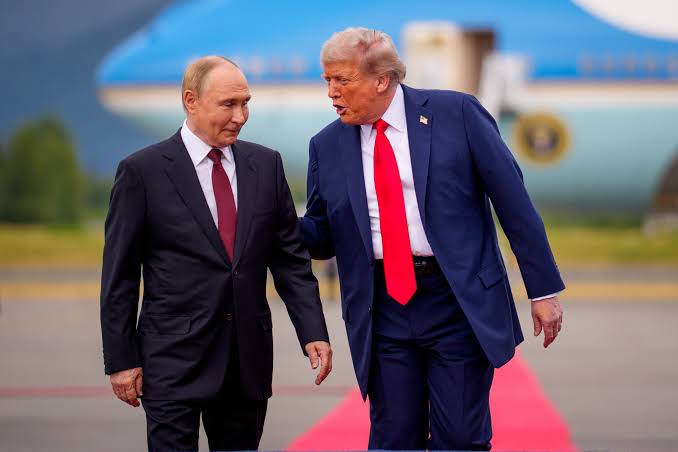
President Donald Trump has struck a deal with Vladimir Putin allowing large volumes of Russian diesel into U.S. and global markets while temporarily easing American sanctions on Russian fuel. The move has triggered accusations of a double standard because Washington has simultaneously been threatening major buyers of Russian energy with tariffs of up to 100 percent. Trump says the deal is necessary to reduce record-high U.S. diesel prices, while Ukraine and some American lawmakers argue it will provide Moscow with additional revenue to finance its war.
President Donald Trump has agreed to allow large quantities of Russian diesel into the United States and global markets in a dramatic reversal of the pressure campaign his administration has pursued against countries buying Russian energy, opening him to accusations of a double standard only weeks after Washington moved to authorize tariffs of up to 100 percent against major importers of Russian oil and gas.
Trump announced Friday that he had reached an agreement with Russian President Vladimir Putin under which Russia would immediately release more than 300,000 metric tons of diesel, equivalent to roughly 2.25 million barrels, followed by another 500,000 tons in November and an additional one million tons shortly afterward. Trump said further supplies could follow depending on the condition of Russia’s refineries, which have been repeatedly damaged in Ukrainian attacks.
The announcement was accompanied by an immediate policy change from the U.S. Treasury Department, which issued a temporary license allowing Russian diesel shipments that would otherwise have been restricted by American sanctions. The waiver runs until April 2027 for qualifying cargoes, effectively reopening part of the U.S. market to Russian refined fuel more than four years after Washington banned direct imports of Russian oil and gas following Moscow’s full-scale invasion of Ukraine.
Trump presented the arrangement as an emergency measure to bring down diesel prices in the United States, where fuel costs have surged amid the war involving Iran, tight global refining capacity and disruption to energy markets. Average U.S. diesel prices had reached about $6.28 a gallon by Thursday, placing pressure on truckers, farmers, businesses and households and creating a politically sensitive cost-of-living problem weeks before congressional elections.
The President thanked Putin publicly for the deal and said getting more diesel into world markets was necessary to reduce prices. Trump said the additional Russian supply would benefit American farmers, ranchers and truck drivers whose operating costs rise sharply when diesel prices increase.
The economic motivation is clear. Diesel is essential to freight transportation, agriculture, construction, heating and heavy industry, meaning sustained price increases can spread rapidly through the wider economy. Higher trucking costs affect the price of food and consumer goods, while farmers using diesel-powered machinery face higher production expenses.
But the policy has also created an immediate political contradiction because the Trump administration has spent months demanding that other governments reduce or abandon purchases of Russian energy on the grounds that those transactions provide revenue that helps finance Vladimir Putin’s war in Ukraine.
Only weeks before the diesel announcement, Congress approved sweeping legislation directing the administration to increase pressure on countries that continue purchasing large volumes of Russian energy. The law authorizes tariffs of up to 100 percent on imports from some of Russia’s largest oil and gas customers and was promoted as a way to force major economies to stop sending energy revenue to Moscow.
India has already become one of the most prominent targets of that policy. Washington has placed growing pressure on New Delhi over its continuing purchases of discounted Russian crude, while U.S. trade negotiations with India have been complicated by the threat of additional tariffs linked specifically to Russian oil.
Indian officials have repeatedly defended their purchases on energy-security grounds, arguing that a country of more than 1.4 billion people must obtain affordable fuel wherever commercially practical. New Delhi has also questioned why it should face economic punishment for purchasing Russian energy when global oil markets remain deeply interconnected.
That argument has become substantially more politically potent following Trump’s own agreement with Putin.
The U.S. position now effectively asks major foreign buyers to reduce the money they send into Russia’s energy sector while Washington simultaneously permits Russian diesel to enter the American market in response to its own domestic energy pressures. Critics say the distinction creates an obvious credibility problem for a sanctions system whose effectiveness depends partly on persuading other governments that restrictions will be applied consistently.
There are important technical differences. India and China have purchased enormous quantities of Russian crude over several years, while the Trump-Putin agreement concerns refined diesel rather than crude oil and is being presented as a temporary response to a severe global fuel shortage. The volumes involved are also far smaller than the total Russian energy trade with Asia.
Those distinctions matter economically, but they do not eliminate the political contradiction.
Russia earns revenue from crude oil, diesel and other petroleum exports. Money generated from those exports ultimately flows into the Russian economy and state revenue system, which is why Western governments have spent years attempting to restrict Moscow’s ability to profit from energy exports.
The Trump administration itself has repeatedly made that argument.
In October 2025, the United States imposed sanctions on major Russian oil companies as part of efforts to deprive Moscow of revenue used to sustain the war in Ukraine. The latest diesel arrangement temporarily relaxes part of that pressure at a moment when Russia is struggling with refinery disruptions caused by Ukrainian attacks.
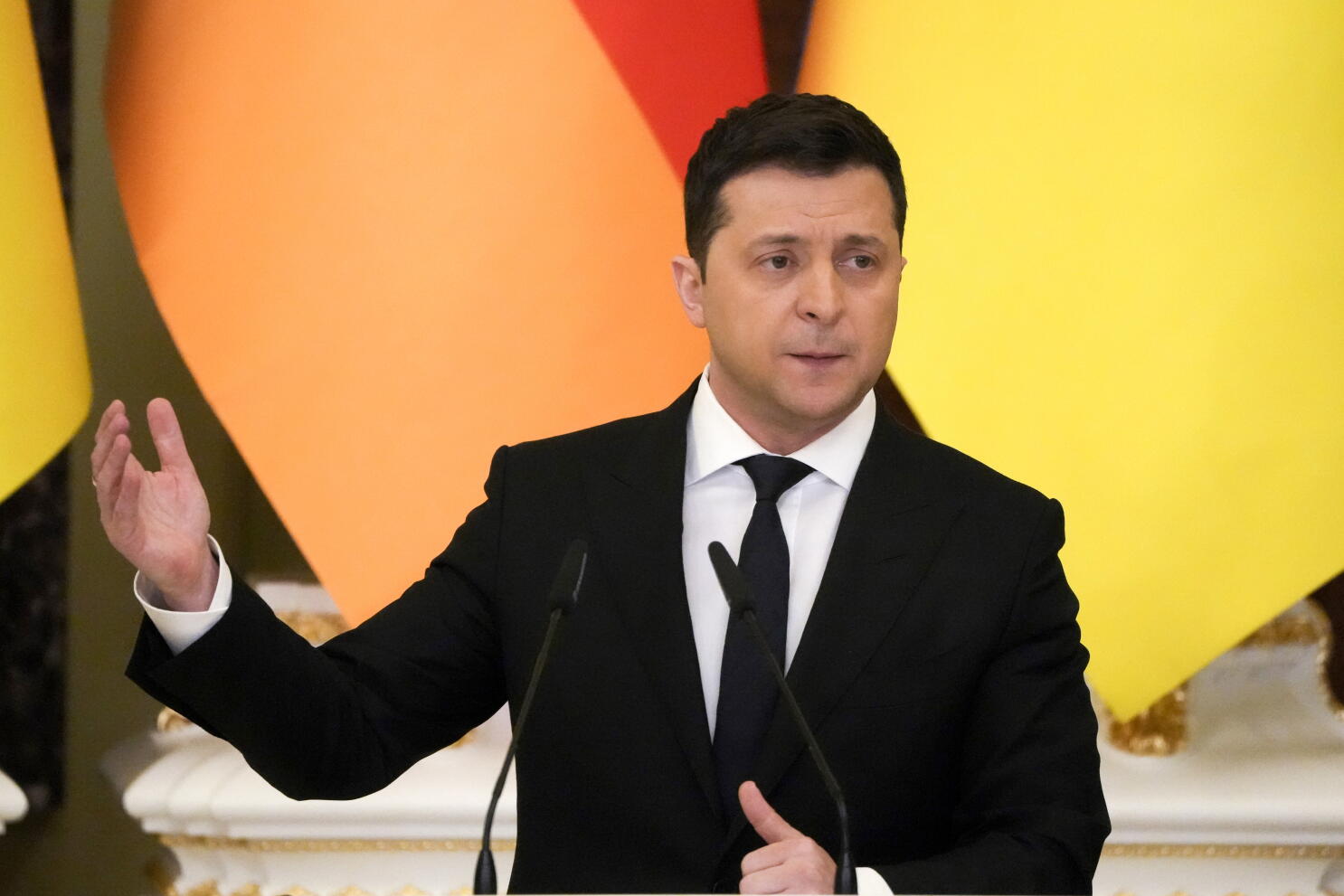
Ukrainian President Volodymyr Zelenskyy responded angrily, saying concessions that increase Russian revenue would not produce peace and could instead strengthen Moscow’s ability to continue the war. His criticism was particularly pointed because the agreement was announced while Ukrainian representatives were in the United States for talks related to potential peace negotiations and security guarantees.
Several U.S. lawmakers also criticized the decision, including members of Trump’s own Republican Party. Representative Don Bacon argued that Washington should be using recently approved sanctions to increase pressure on Putin rather than providing Russia with another source of energy income.
Democratic lawmakers went further, accusing Trump of undermining the very sanctions architecture Congress had recently strengthened.
The dispute underscores a broader tension inside U.S. policy toward Russia. Washington wants to reduce Moscow’s energy income enough to weaken its ability to wage war, but it also wants to prevent energy shortages from driving prices sharply higher for American consumers.
Those two objectives can conflict.
Russia remains one of the world’s largest producers of oil and refined petroleum products. Removing too much Russian energy from international markets can tighten global supply, raising prices for countries enforcing the sanctions alongside countries that are not.
That has always been one of the central challenges facing Western governments since the Ukraine war began.
Rather than attempting to remove every barrel of Russian oil from global markets, previous sanctions policies often tried to reduce the price Moscow could earn while keeping enough Russian energy in circulation to avoid a global price shock. The Group of Seven price-cap mechanism was built around that compromise.
Trump’s latest arrangement goes further by directly encouraging additional Russian diesel exports and temporarily changing American sanctions rules to facilitate them.
The administration argues that current circumstances justify the move because diesel markets have tightened dramatically.
U.S. diesel prices have risen roughly 70 percent since the United States and Israel began military operations against Iran earlier this year, according to market reporting. Conflict in the Middle East has disrupted energy flows while uncertainty surrounding shipping routes, refining capacity and crude supplies has driven prices upward.
Hurricane Isaias has added another short-term complication by shutting down a substantial portion of U.S. offshore oil production in the Gulf of Mexico.
The combination has created intense pressure on the White House to deliver visible fuel-price relief before November’s midterm elections.
Trump had already pressured European governments to release strategic diesel reserves and considered other interventions before announcing the Russian agreement.
The political urgency is obvious. High diesel prices do not affect only motorists. They raise freight costs across the economy, making them especially damaging ahead of elections in which inflation and household expenses are major voter concerns.
The White House appears to have concluded that lowering diesel prices is currently more urgent than maintaining the full force of its Russian-energy restrictions.
Whether the agreement will actually produce a meaningful price reduction is uncertain.
Energy analysts have warned that the initial 300,000-ton shipment is relatively modest compared with the size of the global diesel market. The United States alone exports around 1.5 million barrels of diesel each day, meaning the immediate Russian commitment represents only a limited injection of additional fuel when viewed against overall market flows.
Some analysts have therefore questioned whether the agreement will materially change prices beyond an initial psychological response from traders.
There is also the question of Russia’s ability to supply the promised volumes.
Russian refineries have suffered repeated Ukrainian drone strikes, contributing to a decline in diesel production and forcing Moscow to restrict exports in order to protect its own domestic market. Russia had imposed an export ban as it struggled with refinery capacity, meaning Trump’s agreement requires Moscow to loosen those restrictions while maintaining sufficient supplies at home.
Russian officials said Friday that they would begin lifting export restrictions and could start supplying the United States during October.
The arrangement could nevertheless benefit Moscow financially even if its impact on American prices is modest.
Russia has been searching for ways to preserve energy revenue as Western sanctions tighten and Ukrainian attacks disrupt its refining sector. Access to the U.S. market, even temporarily and only for specific refined products, provides Moscow with both an economic opportunity and a symbolic political victory.
The symbolism may be nearly as important as the revenue.
For years, Washington has urged allies and partners to isolate Russia economically. A public agreement in which the American President thanks Putin for providing fuel creates a very different image and could make it harder for U.S. diplomats to persuade other governments that purchasing Russian energy is unacceptable.
India in particular is likely to notice the shift.
New Delhi has repeatedly argued that Washington applies energy policy selectively, particularly when Western economic interests are involved. Indian officials have defended Russian oil imports by emphasizing affordability and security of supply, essentially the same arguments the Trump administration is now making to justify Russian diesel entering American markets.
China, another major buyer of Russian energy, could make the same case.
The U.S. sanctions law does not literally impose tariffs on every country buying Russian oil. It directs Trump to target the largest importers under specified conditions, including potentially China and India. That is substantially different from claims circulating online that Trump has already imposed punitive tariffs on “half the world.”
However, the inconsistency at the center of the criticism remains legitimate.
Washington has argued that buying Russian petroleum provides Moscow with resources to sustain its war. The United States is now creating an exception for itself because the domestic economic cost of maintaining that principle has increased.
Critics describe that as hypocrisy. The administration would describe it as pragmatic energy policy.
The distinction depends partly on whether the waiver remains limited and temporary.
Treasury’s current license runs into April 2027, meaning the policy is not simply a one-day emergency transaction. Russian diesel loaded under the authorized conditions can move into international markets without facing the same U.S. sanctions restrictions that existed before Friday.
That represents a meaningful relaxation of policy.
It also comes shortly after Trump signed the new sanctions law targeting Russian energy and major foreign buyers, making the timing particularly striking.
The law directs the administration to impose tariffs of up to 100 percent against the largest importers of Russian oil and natural gas, subject to specified exemptions. It also imposes new restrictions on Russian officials, banks, shipping networks and investment.
Trump now faces the challenge of explaining how that pressure campaign can coexist with a deal that potentially sends billions of dollars in additional energy revenue to Russia.
The White House can argue that the purpose of sanctions is to change behavior rather than punish Russia regardless of economic consequences. If temporarily allowing diesel exports prevents a severe fuel-price spike without substantially altering Moscow’s long-term finances, officials may consider that a reasonable tradeoff.
Ukraine and its supporters reject that calculation.
For Kyiv, every additional source of Russian export income potentially strengthens an economy financing missiles, drones, soldiers and military production. Ukrainian leaders have spent years urging Western governments to close energy loopholes rather than create new ones.
The Russian government, meanwhile, has openly welcomed the change.
Putin’s representatives described the agreement as evidence of potential economic cooperation between Moscow and Washington and said Russia was ready to supply petroleum products to American and global markets.
That messaging reinforces concerns in Kyiv that economic normalization could begin before the war is resolved.
The diesel deal also arrives amid broader U.S.-Russia negotiations that have increasingly included economic questions. Recent reporting has indicated discussions involving Russian energy assets and possible future commercial cooperation alongside diplomatic efforts related to Ukraine.
Taken together, those developments suggest that Trump is willing to use economic engagement with Russia as part of his broader negotiating strategy.
Whether that produces progress toward ending the war remains unclear.
What is already clear is that the administration’s Russian-energy policy has become harder to describe as a straightforward sanctions campaign.
Washington is simultaneously threatening major Russian-energy customers with tariffs, sanctioning Russian oil companies, negotiating with Moscow, allowing Russian diesel into the market and seeking to prevent energy prices from damaging the U.S. economy.
Each action can be explained individually. Collectively, however, they create an increasingly complicated policy that critics can reasonably portray as inconsistent.
The strongest version of the criticism therefore does not require exaggeration.
Trump has not imposed tariffs on “half the world,” and the United States has not broadly resumed importing Russian crude oil. But his administration has pressured foreign countries over purchases that generate Russian energy revenue, obtained congressional authority for tariffs of up to 100 percent against major buyers and then temporarily eased American sanctions to facilitate Russian diesel supplies when high fuel prices began hurting U.S. consumers.
That is the contradiction now driving the political backlash.
The economic justification may be real, but so is the question it creates for Washington’s credibility: if energy security and affordability justify buying Russian fuel when Americans face high prices, governments such as India can ask why the same rationale should not apply when they purchase Russian energy for their own populations.
How the administration answers that question will matter beyond domestic politics.
Sanctions work best when allies and trading partners believe the rules are coherent, predictable and applied with some degree of consistency. A policy perceived as demanding sacrifices from other countries while granting exceptions to the United States could weaken cooperation precisely when Washington is trying to increase pressure on Moscow.
Trump’s diesel agreement may provide limited relief to an unusually tight fuel market. It may also prove temporary if Middle East tensions ease or refinery production recovers.
But politically, the decision has opened a much larger argument.
The United States spent years restricting Russian petroleum imports and has recently intensified efforts to punish countries still buying Moscow’s energy. It is now making room for Russian diesel because American fuel prices have become difficult to tolerate.
The administration calls that a response to an extraordinary energy crisis. Its critics call it a glaring double standard.
Either way, Friday’s agreement marks a sharp shift in U.S. policy and gives countries facing American pressure over their own Russian-energy purchases a new argument: Washington is now invoking the same economic necessity it has repeatedly told them was not sufficient justification for continuing to buy from Moscow.