POWERFUL NOR’EASTER BATTERS US EAST COAST, FORCING HUNDREDS OF FLIGHT CANCELLATIONS AND DISRUPTING THANKSGIVING TRAVEL
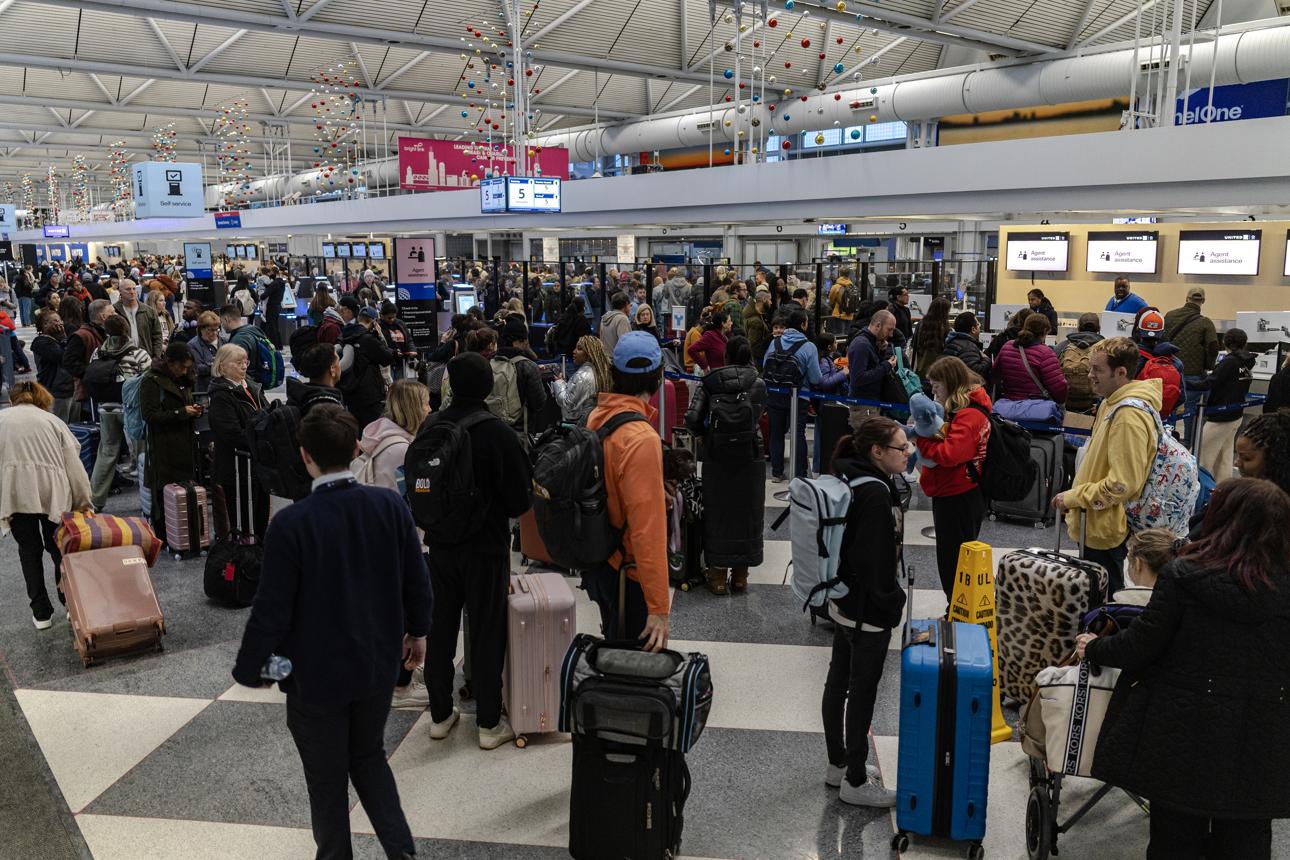
A powerful nor’easter battering the eastern United States has thrown Thanksgiving travel into widespread disruption, forcing hundreds of flight cancellations, delaying thousands of additional services and affecting railway operations during one of America's busiest holiday travel periods. Heavy rainfall, strong winds and flooding have reportedly forced New York's Metropolitan Transportation Authority to reduce train schedules, with sections of railway infrastructure submerged in floodwaters. Travelers face difficulties securing alternative transportation as airlines and railway operators contend with hazardous weather conditions and increased holiday demand. The disruption could continue beyond Thanksgiving as transportation companies work to restore normal operations and accommodate passengers whose journeys have been interrupted.
A powerful nor’easter sweeping across the eastern United States has thrown Thanksgiving travel into widespread disruption, forcing hundreds of flight cancellations, delaying thousands of additional services and affecting railway operations during one of the busiest transportation periods of the year. Heavy rainfall, strong winds and flooding have complicated travel arrangements for passengers attempting to reunite with relatives and friends for Thanksgiving celebrations on Thursday, November 26, 2026. The severe weather has also affected sections of New York's Metropolitan Transportation Authority network, where reduced train schedules and flooded railway tracks have disrupted services. For many travelers, journeys that would ordinarily take several hours have become prolonged and uncertain as transportation operators contend with deteriorating weather conditions.
The storm has arrived at a particularly difficult moment for the American transportation industry, with airports, railway stations and major highways experiencing increased demand associated with the Thanksgiving holiday. Millions of Americans traditionally travel during this period, placing considerable pressure on transportation networks even under favorable weather conditions. The arrival of a powerful coastal storm has compounded those challenges, forcing airlines and railway operators to modify schedules while passengers attempt to secure alternative arrangements. The disruption has left some travelers facing the possibility of missing family gatherings altogether.
Airports serving the northeastern United States are particularly vulnerable to disruptions associated with severe coastal storms because of the density of air traffic operating throughout the region. Major aviation facilities serving New York, Boston, Philadelphia and other metropolitan areas handle extensive domestic and international passenger traffic, making interruptions capable of producing consequences far beyond individual airports. When weather conditions restrict aircraft movements at one major transportation hub, delays can spread throughout airline networks as aircraft and crew members become unavailable for subsequent scheduled flights.
The reported hundreds of cancellations and thousands of delays reflect the broader operational difficulties confronting airlines during the storm. Carriers must assess whether weather conditions permit aircraft to depart and arrive safely while coordinating with airport authorities and air traffic controllers. Heavy rainfall, reduced visibility and strong winds can limit the number of aircraft permitted to operate within particular areas, creating delays even where airports remain open. Airlines may also cancel services in anticipation of deteriorating weather to avoid placing passengers and crews in locations where subsequent operations could become difficult.
The consequences for travelers are particularly significant during Thanksgiving because alternative flights are frequently heavily booked. Passengers whose original reservations are canceled may encounter difficulties securing seats on later services, especially when numerous airlines are simultaneously affected by the same weather system. Some travelers may be required to postpone their journeys until conditions improve, while others may attempt to reach their destinations using railway services, rental vehicles or long-distance buses. However, the widespread nature of the storm has limited the reliability of several of those alternatives.
New York's railway network has also experienced substantial disruption, with the Metropolitan Transportation Authority reportedly reducing train schedules as flooding affected sections of railway infrastructure. Images associated with coverage of the storm have shown tracks submerged in water, illustrating the difficulties confronting transportation operators attempting to maintain safe services. Flooded railway infrastructure can interfere with signaling equipment, electrical systems and the safe movement of trains, requiring operators to suspend or modify services until conditions have been assessed.
Railway disruptions can have particularly serious consequences in the New York metropolitan area because substantial numbers of residents depend on public transportation for both ordinary commuting and longer journeys. During holiday periods, commuter railway services also provide connections between residential communities, major transportation terminals and airports. Reduced schedules can therefore complicate travel arrangements even for passengers whose flights remain operational. Travelers may encounter additional difficulties reaching airports or completing journeys after arriving in the region.
The precise extent of the railway disruption remains subject to changing conditions, with individual services potentially experiencing different levels of interruption. Transportation authorities must evaluate affected infrastructure before determining whether normal operations can safely resume. Even after floodwaters recede, inspections may be necessary to establish whether tracks, electrical equipment and other essential systems have sustained damage. The restoration of regular schedules may consequently take longer than the duration of the heaviest rainfall itself.
Nor’easters are powerful storm systems that develop along the eastern coast of North America and frequently bring combinations of heavy precipitation, strong winds and coastal flooding. Their name is derived from the direction of the winds that commonly affect coastal communities during these weather events. Although the characteristics of individual storms vary according to atmospheric conditions and geographical location, nor’easters can produce substantial disruptions across densely populated sections of the northeastern United States.
The storms can become particularly disruptive when their development coincides with periods of increased transportation demand. Heavy rainfall can overwhelm drainage infrastructure, flood roads and interfere with railway operations, while strong winds can create hazardous conditions for aircraft and vehicles. Coastal communities may also experience elevated water levels depending on the storm's movement and prevailing tidal conditions. The combination of these factors can place considerable pressure on transportation agencies, emergency responders and municipal authorities.
Unlike localized weather events that primarily affect individual communities, major coastal storms can influence transportation operations across several states simultaneously. This geographical reach creates challenges for airlines and railway companies because alternative routes may also be affected by adverse conditions. Aircraft scheduled to operate between different cities can experience delays originating from distant airports, while transportation operators attempting to redirect passengers may encounter limited capacity throughout the wider region. The resulting disruption can continue even after weather conditions begin improving in particular locations.
Thanksgiving occupies an important position within American cultural life, with many families using the annual holiday as an opportunity to reunite despite living in different parts of the country. The holiday is traditionally celebrated on the fourth Thursday of November and is associated with family gatherings, communal meals and travel. Its proximity to the weekend frequently encourages extended visits, contributing to substantial demand for domestic flights, railway services and highway transportation.
For transportation companies, Thanksgiving presents one of the most demanding periods of the annual operating calendar. Airlines typically adjust schedules to accommodate increased passenger volumes, while airports deploy additional personnel and resources to manage crowded terminals. Railway and bus operators similarly prepare for increased demand along popular travel corridors. However, those preparations cannot eliminate the operational restrictions imposed by severe weather, particularly when safety considerations require substantial reductions in available services.
Passengers affected by cancellations may be entitled to refunds under United States Department of Transportation rules when airlines cancel flights or make significant changes to itineraries and passengers decline alternative transportation. Those protections generally apply regardless of whether the cancellation resulted from adverse weather or circumstances within an airline's control. However, the obligation to provide refunds should be distinguished from requirements concerning hotel accommodation, meals or other expenses incurred during weather-related disruptions.
Airlines are generally not required under federal law to provide complimentary accommodation or meals when cancellations result from circumstances outside their control, including severe weather. Individual carriers may nevertheless offer assistance or introduce temporary travel waivers allowing passengers to modify reservations without certain fees. The precise arrangements depend on the airline, the original booking conditions and the policies applicable to the disruption. Passengers may consequently face different options even when their flights have been affected by the same storm.
The financial consequences can become particularly difficult for families whose travel budgets were established before the holiday. Additional accommodation expenses, alternative transportation costs and changes to existing reservations can increase the overall cost of a journey. Travelers attempting to secure last-minute flights may encounter limited availability, while those considering alternative transportation must evaluate whether road or railway conditions permit safe travel. These considerations can complicate decisions about whether to continue a journey or postpone travel until conditions improve.
Road transportation may also present challenges in communities experiencing heavy rainfall and flooding. Reduced visibility, standing water and hazardous driving conditions can increase travel times and expose motorists to additional risks. Emergency management authorities generally advise drivers against attempting to cross flooded roads because the depth and movement of water can be difficult to assess accurately. Such precautions become especially important during holiday periods when motorists may feel pressure to reach their destinations despite unfavorable weather conditions.
The storm has also placed additional responsibilities on airport employees, railway personnel, emergency responders and other workers responsible for maintaining transportation services. These individuals must continue carrying out operational duties while dealing with circumstances that can interfere with their own travel arrangements. Airport workers may be required to assist passengers experiencing prolonged delays, while railway maintenance teams must assess infrastructure exposed to flooding. The effectiveness of the broader response depends partly on coordination among those personnel and the institutions responsible for public safety.
For airlines, restoring normal operations after a major weather disruption involves more than simply resuming departures when conditions improve. Aircraft may be positioned at airports different from those required for their next scheduled services, while crew members may have reached limits on permissible working hours. Maintenance requirements and airport operating restrictions can further complicate recovery efforts. These logistical challenges explain why flight delays can persist after the most severe weather has moved away from an affected region.
Railway operators face comparable difficulties when attempting to restore services following flooding. Infrastructure inspections, equipment repairs and operational adjustments may be necessary before trains can resume their regular schedules. Passengers may also experience overcrowding as services return and individuals whose journeys were previously interrupted attempt to reach their destinations. Establishing a reliable recovery timetable requires detailed assessments of the conditions affecting each section of the transportation network.
The Thanksgiving disruption also highlights the wider importance of investing in transportation infrastructure capable of withstanding severe weather. Airports, railway systems and urban road networks must operate under increasingly demanding conditions, particularly in metropolitan areas where large populations depend on interconnected transportation services. Effective drainage systems, reliable emergency procedures and resilient electrical infrastructure can help reduce the consequences of flooding and other weather-related disruptions. Such investments are especially important in communities where interruptions can affect millions of people within relatively short periods.
New York and other northeastern metropolitan areas have experienced significant transportation interruptions during previous severe rainfall events. Flooding can create particular difficulties for underground transportation systems and other infrastructure located in low-lying areas. Improving resilience requires cooperation between transportation authorities, municipal governments and institutions responsible for environmental planning. However, even well-maintained infrastructure may experience disruptions when weather conditions exceed its operational capacity.
As the Thanksgiving holiday continues, passengers traveling through affected regions are being confronted with rapidly changing schedules and uncertain arrival times. Checking airline notifications, airport departure information and official railway service updates remains important because conditions can change considerably throughout the day. Passengers should also distinguish between confirmed cancellations and temporary delays, particularly when considering whether to seek refunds or alternative transportation arrangements.
The storm's eventual impact on the Thanksgiving travel period will become clearer once transportation authorities publish more comprehensive figures concerning cancellations, delays and service restoration. The number of affected passengers cannot be determined solely from the number of disrupted flights because aircraft carry different passenger loads and individual delays can influence connecting journeys. Similarly, reduced railway schedules do not necessarily indicate that every service throughout the metropolitan region has been suspended. More detailed information will be required to establish the full extent of the disruption.
For thousands of Americans attempting to reunite with their families, the immediate concern remains whether they will reach their destinations in time for Thanksgiving celebrations. The storm has transformed a traditionally busy travel period into a complicated logistical challenge involving airlines, railway operators, road transportation authorities and emergency services. While some passengers may eventually complete their journeys after significant delays, others could be forced to abandon or rearrange their holiday plans altogether.
The return journey following Thanksgiving could present additional challenges if transportation operators remain unable to restore their schedules before the weekend's anticipated increase in passenger demand. Airlines and railway companies may need to accommodate travelers whose original journeys were postponed while simultaneously managing reservations made for the conclusion of the holiday. The speed of the recovery will depend on improving weather conditions, the availability of transportation personnel and equipment, and the extent of any damage sustained by essential infrastructure.
What was expected to be a period of family reunions and national celebration has instead become a major transportation challenge across parts of the eastern United States. The reported flight cancellations, widespread delays and flooded railway infrastructure demonstrate how quickly severe weather can disrupt even extensively prepared transportation networks. As the nor’easter continues affecting travel arrangements, the immediate priorities remain passenger safety, the restoration of essential services and the provision of reliable information to those stranded or attempting to complete their journeys. For many households, this year's Thanksgiving will be remembered not only for the celebrations themselves but also for the extraordinary difficulties encountered in reaching the dinner table.