CHRISTIAN WOMAN TO STAND TRIAL IN UK OVER SILENT PRAYER OUTSIDE ABORTION CLINIC AS RELIGIOUS FREEDOM DEBATE INTENSIFIES
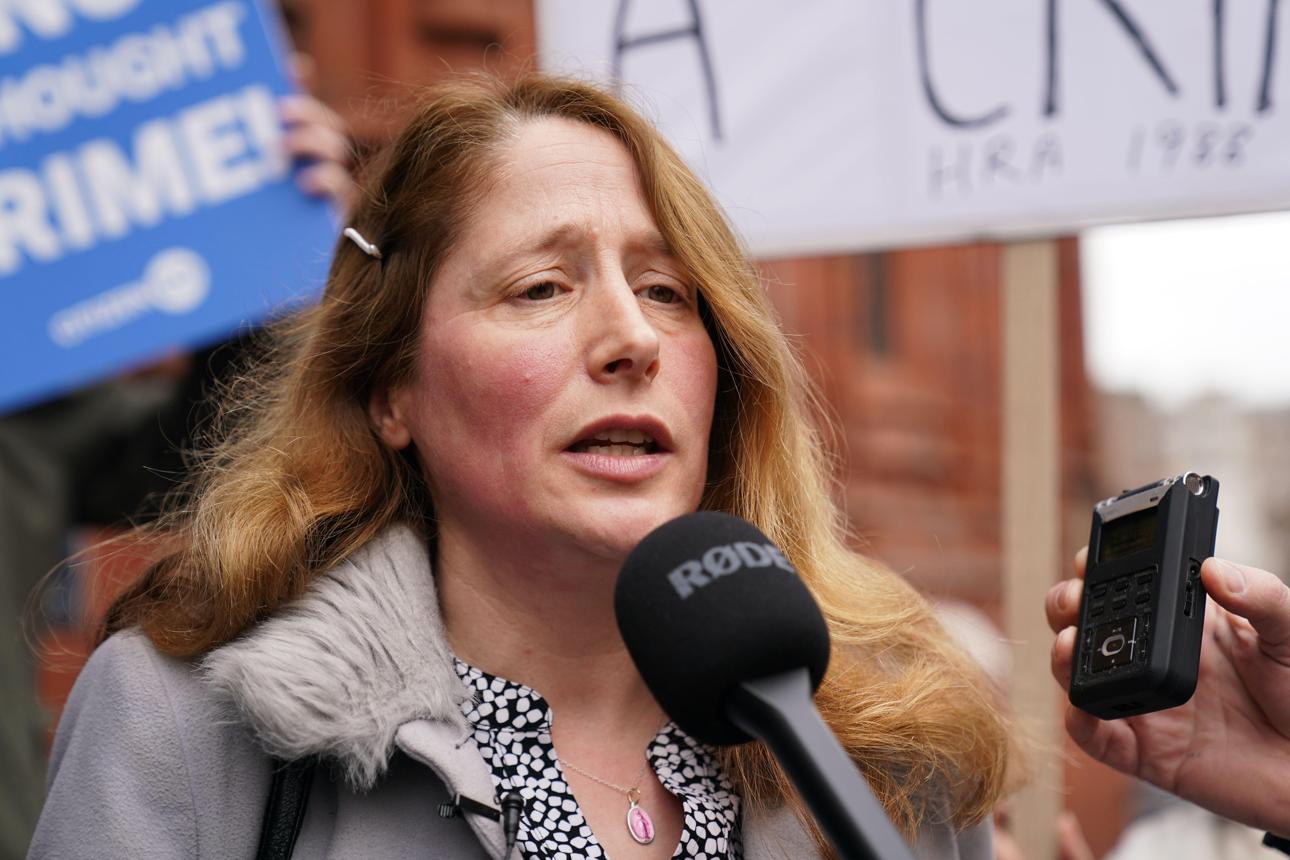
A 49-year-old Christian woman, Isabel Vaughan-Spruce, is scheduled to stand trial from January 25 to 29, 2027, after Birmingham Magistrates' Court rejected her lawyers' application to dismiss five charges relating to alleged breaches of national abortion clinic buffer zone legislation. Vaughan-Spruce maintains that she was praying silently outside the Robert Clinic and argues that the prosecution violates her fundamental rights to freedom of thought, conscience and religion. Her legal representatives have also raised allegations of discriminatory treatment under the European Convention on Human Rights. The case follows previous arrests that resulted in an acquittal and a reported £13,000 police settlement, renewing debate over the balance between religious freedom and legislation protecting access to reproductive healthcare. Vaughan-Spruce has not been found guilty of the latest charges.
A 49-year-old Christian woman, Isabel Vaughan-Spruce, is set to stand trial in England over allegations that she breached national abortion clinic buffer zone legislation by standing outside a Birmingham facility and praying silently on five separate occasions. Vaughan-Spruce, from Malvern, Worcestershire, faces five charges under Section 9 of the Public Order Act 2023, which restricts certain activities within 150 meters of abortion facilities in England and Wales. Her trial is scheduled to take place from January 25 to 29, 2027, after Deputy Senior District Judge Tan Ikram rejected an application by her legal representatives to have the case dismissed at Birmingham Magistrates' Court. The proceedings have renewed debate over the relationship between freedom of thought, religious expression and the government's responsibility to protect individuals accessing reproductive healthcare services.
The charges concern five alleged incidents at the Robert Clinic in Birmingham over a six-month period beginning June 13, 2025. Vaughan-Spruce maintains that she was engaged in silent prayer and that her conduct should be protected under established human rights guarantees concerning freedom of thought, conscience and religion. Her lawyers have argued that the prosecution amounts to discriminatory treatment based on her publicly known opposition to abortion, while challenging the compatibility of the proceedings with protections established under the European Convention on Human Rights. The court's decision to allow the case to proceed does not constitute a finding of guilt, and the prosecution will be required to establish that her conduct satisfied the legal requirements of the alleged offenses.
Reacting to the decision, Vaughan-Spruce rejected the suggestion that silently praying in a public place should expose an individual to criminal prosecution. She characterized the proceedings as an attempt to criminalize private thoughts and expressed concern about what she described as increasing restrictions on freedom of expression in the United Kingdom. She also expressed hope that the court would uphold her fundamental rights when the case is heard in January. Her position reflects a longstanding argument advanced by religious freedom campaigners who maintain that the state should not punish individuals merely for holding particular beliefs or engaging in internal acts of religious devotion.
The case is particularly significant because it concerns England and Wales' national abortion clinic buffer zone legislation rather than the local restrictions under which Vaughan-Spruce previously encountered police intervention. Section 9 of the Public Order Act 2023 establishes protected areas around premises providing abortion services, with the national provisions coming into force on October 31, 2024. The legislation was introduced following concerns about the experiences of patients and healthcare workers encountering demonstrations, unsolicited approaches and other activities outside clinics. Its implementation created a nationally applicable legal framework intended to provide consistent protection for individuals accessing or delivering abortion-related healthcare.
The legislation does not expressly establish a blanket prohibition on silent prayer. Instead, it makes certain conduct within a designated safe access zone unlawful where the relevant legal conditions are satisfied, including intentionally or recklessly influencing a person's decision to access, provide or facilitate abortion services. The provisions also address obstruction, harassment, alarm and distress associated with the provision or receipt of those services. The central legal question in Vaughan-Spruce's case is therefore not simply whether she was praying, but whether her conduct amounted to an offense under the specific requirements of the legislation.
That distinction has become increasingly important in public discussions surrounding the prosecution. Religious freedom campaigners argue that silent prayer is an internal activity that should not ordinarily constitute an attempt to influence another person's decisions. Supporters of buffer zone legislation, however, maintain that conduct within the immediate vicinity of abortion facilities must be assessed within its wider circumstances, particularly where individuals accessing healthcare may perceive demonstrations or other targeted activities as intimidating. The legal challenge confronting the court will involve examining the evidence relating to the five alleged incidents rather than determining the legality of silent prayer in every public setting.
Vaughan-Spruce has expressed considerable frustration over the decision to proceed with the prosecution, particularly given her previous encounters with British law enforcement over similar activities. In comments released following the court's decision, she maintained that religious devotion conducted silently should not be treated as a criminal act and argued that the proceedings represented an infringement upon protections traditionally associated with British democracy. Her remarks have attracted attention from religious organizations and civil liberties campaigners concerned about how authorities distinguish between private beliefs and conduct intended to influence other people.
“Silent prayer can never be a crime in the UK,” Vaughan-Spruce said, according to the account of her response to the ruling. She further described the prosecution as evidence of what she considers a growing censorship crisis, arguing that individuals should not face criminal proceedings because of the thoughts they hold or the prayers they silently communicate. Although her characterization of the case as a prosecution for thoughtcrime reflects the position of the defense, the statutory charges concern alleged violations of restrictions governing conduct within abortion clinic safe access zones.
Her legal representatives have argued that the decision to prosecute her was influenced by her publicly known Christian beliefs and longstanding opposition to abortion. They maintained that an individual who stands silently in a public place should not automatically be regarded as attempting to interfere with another person's decisions because authorities are aware of that individual's religious convictions. The defense also raised questions about whether the prosecution constituted discriminatory treatment under Article 14 of the European Convention on Human Rights, which prohibits discrimination in the enjoyment of rights protected by the convention. Judge Ikram's refusal to dismiss the case means that the criminal proceedings will continue, with the disputed allegations remaining subject to examination at trial.
Jeremiah Igunnubole, legal counsel for Alliance Defending Freedom in London, criticized the decision and argued that Vaughan-Spruce's treatment reflected inconsistent approaches toward people expressing different beliefs. He maintained that the case raised fundamental concerns about whether individuals with religious or socially controversial convictions receive the same protections as other members of the public. Igunnubole also referred to Vaughan-Spruce's previous acquittal and financial settlement involving West Midlands Police, arguing that her earlier experiences reinforced the importance of protecting freedom of thought. His comments represent the position of the organization supporting her defense and do not constitute an independent judicial finding concerning the latest charges.
Vaughan-Spruce has been involved in anti-abortion activism for several years, including activities associated with March for Life UK. Her opposition to abortion is grounded in her Christian beliefs, which have informed her participation in campaigns concerning the protection of unborn life. She has maintained that her presence near abortion facilities on the occasions in question was intended as an opportunity for prayer rather than an effort to confront patients or healthcare workers. The prosecution's allegations nevertheless require the court to examine whether the circumstances surrounding her conduct brought it within the activities prohibited by national legislation.
The forthcoming trial represents the latest chapter in a prolonged legal dispute involving Vaughan-Spruce and the enforcement of restrictions around abortion facilities in Birmingham. In December 2022, she was arrested after police questioned her about her presence within an area covered by a locally imposed public space protection order. The encounter attracted international attention after footage circulated showing officers asking whether she was praying silently. Her subsequent acquittal in 2023 was welcomed by religious freedom advocates, who argued that the case demonstrated the dangers of enforcing restrictions without sufficient evidence of prohibited conduct.
She was arrested again in 2023 in connection with her activities near an abortion facility, further intensifying debate about the application of local buffer zone restrictions. The earlier incidents eventually led to a reported financial settlement of £13,000 from West Midlands Police. Supporters presented the settlement as an important recognition of the concerns surrounding her treatment, although the resolution of those earlier disputes does not determine the outcome of her current prosecution. The latest charges arise under national legislation that was not in force at the time of her initial arrests, making the legal framework materially different.
That distinction is important because an earlier acquittal does not confer immunity from prosecution over separate alleged incidents occurring under different legislation. The court must assess the current charges according to the law applicable when the alleged conduct took place and the evidence presented by the parties. Equally, Vaughan-Spruce's history of arrests and public campaigning cannot independently establish that she committed the offenses now alleged. The presumption of innocence remains applicable throughout the proceedings, and prosecutors bear the responsibility of establishing the necessary elements of each charge beyond reasonable doubt.
The controversy surrounding her prosecution reflects the wider constitutional importance of freedom of thought, conscience and religion within the United Kingdom. Article 9 of the European Convention on Human Rights protects an individual's right to hold religious or philosophical beliefs and to manifest those beliefs through worship, teaching, practice and observance. The protection extends to individuals who practice their religion privately as well as those who express their beliefs publicly. However, human rights law distinguishes between the internal freedom to hold beliefs and the external manifestation of those beliefs, with the latter potentially subject to restrictions in carefully defined circumstances.
Restrictions on the manifestation of religion must satisfy established legal requirements, including being prescribed by law and necessary for recognized purposes such as protecting public safety, health, public order or the rights and freedoms of others. The existence of those exceptions does not mean that authorities possess unrestricted discretion to limit religious expression. Courts are required to examine whether the interference is justified and proportionate to the legitimate objective being pursued. Vaughan-Spruce's defense maintains that her silent prayer belongs within the protected sphere of personal thought and religious devotion, making the application of criminal sanctions particularly concerning.
Article 14 of the convention introduces a further dimension to the legal dispute by prohibiting discriminatory treatment in relation to protected rights. Vaughan-Spruce's lawyers contend that her known opposition to abortion has contributed to the decision to prosecute her despite the absence, in their account, of direct verbal communication or confrontation with patients. The defense argues that authorities should distinguish between an individual's beliefs and specific actions capable of violating the law. Establishing discriminatory treatment, however, requires a legal assessment of the relevant facts and enforcement decisions rather than an assumption that prosecution necessarily demonstrates prejudice against the defendant's religion.
The British government's introduction of national safe access zones followed years of campaigning by reproductive healthcare providers and organizations concerned about activities outside abortion clinics. Supporters argued that patients attending medical appointments were sometimes exposed to unwanted approaches, demonstrations and conduct that could cause distress or discourage them from accessing lawful healthcare. Before the national legislation became effective, several local authorities had introduced their own restrictions, resulting in different enforcement arrangements across England and Wales. The Public Order Act 2023 established a broader framework intended to provide consistent protection regardless of the location of a particular facility.
Under Section 9, the relevant safe access zone generally extends 150 meters from abortion clinic premises. The legislation prohibits specified forms of intentional or reckless interference with decisions concerning abortion services, alongside conduct involving obstruction or the causing of harassment, alarm or distress in connection with those services. Individuals found guilty under the provision may face a fine. However, presence within a designated zone is not inherently criminal, and the legislation does not prohibit people from walking through such areas, holding religious beliefs or expressing opposition to abortion in every setting.
The application of the law becomes more complicated when conduct consists of standing silently without displaying signs, distributing materials or directly approaching patients. In those circumstances, questions may arise concerning the individual's intentions, the nature of their presence and the surrounding context. A person may regard an activity as an entirely private religious exercise, while prosecutors may argue that its location and circumstances give it a different significance. Determining whether the statutory requirements have been satisfied involves an examination of evidence rather than simply accepting either interpretation as automatically correct.
Guidance concerning the enforcement of the legislation recognizes that prayer may fall within its scope depending on the circumstances, but that does not establish a universal prohibition on prayer within public spaces. Prosecutors must consider whether the available evidence supports the elements of an offense and whether bringing criminal proceedings is justified. Those requirements are particularly important where enforcement decisions affect activities associated with fundamental freedoms. The Vaughan-Spruce case could therefore provide further clarification about the evidential threshold necessary when allegations concern conduct that does not involve spoken communication.
Supporters of abortion clinic buffer zones argue that the legislation serves an important healthcare protection function. Patients seeking reproductive healthcare may be experiencing difficult personal circumstances, and unsolicited engagement near clinic entrances can add to the pressure they face. Healthcare organizations have maintained that individuals should be able to access medical treatment without being required to explain their decisions or encounter activities intended to discourage them. From that perspective, restrictions within clearly defined geographical areas are intended to protect patients rather than suppress opposition to abortion throughout society.
Religious freedom advocates have expressed a different concern, arguing that legislation designed to prevent harassment must not be enforced in a manner that treats silent religious observance as inherently threatening. They maintain that peaceful conduct should be distinguished from intimidation and that authorities should not infer criminal intentions exclusively from an individual's faith or political convictions. Some campaigners have warned that excessively broad interpretations of buffer zone restrictions could discourage lawful religious expression even where individuals have no intention of engaging with patients or disrupting healthcare services.
The competing positions reveal a broader legal and ethical challenge confronting democratic societies. Governments have responsibilities to protect individuals against harassment and ensure access to lawful healthcare, while also preserving fundamental freedoms concerning thought, religion, expression and peaceful assembly. Those responsibilities do not necessarily conflict in every circumstance, but disputes arise when restrictions intended to protect one group are alleged to interfere disproportionately with the rights of another. Courts must examine such disagreements through established legal principles rather than determining outcomes exclusively according to the popularity of competing beliefs.
The significance of the Vaughan-Spruce prosecution also extends beyond the immediate debate concerning abortion. Civil liberties advocates are concerned about the potential consequences of enforcement practices that rely heavily on assumptions about an individual's intentions. If an individual's known beliefs were treated as sufficient evidence of unlawful conduct, similar concerns could arise in other contexts involving political demonstrations, religious gatherings or controversial public debates. However, whether such assumptions formed the basis of the current prosecution remains a disputed question that cannot be conclusively resolved without examining the prosecution's evidence.
The case has been described by Vaughan-Spruce's supporters as the first prosecution under England and Wales' national abortion clinic safe access zone legislation. If that characterization is accurate, the proceedings could become an important early examination of how Section 9 applies to conduct involving silent religious expression. Earlier cases involving local public space protection orders remain relevant historical context, but they do not necessarily establish how the newer national legislation should be interpreted. The distinction reinforces the importance of assessing the current case on its own legal and evidential foundations.
It is also important to distinguish the legislation operating in England and Wales from separate arrangements in Scotland and Northern Ireland. Although all four nations form part of the United Kingdom, their legal frameworks concerning abortion services and protected access areas are not identical. Vaughan-Spruce's prosecution concerns the specific provisions of the Public Order Act 2023 applicable in England and Wales. Describing the case as evidence of a nationwide prohibition on Christian prayer would therefore extend beyond the established scope of the charges.
For the court, the five separate allegations will require consideration of what occurred on each occasion identified by prosecutors. The existence of multiple charges does not reduce the prosecution's obligation to establish the relevant legal requirements for each alleged offense. Evidence concerning the circumstances of Vaughan-Spruce's presence, her conduct and any relevant communications may become important during the trial. Her legal representatives will have an opportunity to challenge the prosecution's interpretation and present arguments concerning the protection of her fundamental rights.
If the prosecution succeeds, the resulting judgment could provide greater clarity about the circumstances in which silent conduct falls within the national safe access zone legislation. If Vaughan-Spruce is acquitted, the decision could establish that the evidence presented was insufficient to demonstrate that her particular conduct constituted a criminal offense. Neither outcome would necessarily determine the legality of every instance of prayer outside abortion facilities or automatically invalidate the legislation itself. The wider implications would depend on the reasoning adopted by the court and whether subsequent legal challenges were pursued.
The prosecution has placed Vaughan-Spruce at the center of a highly sensitive public debate involving religious convictions, reproductive rights and the boundaries of government authority. Her supporters regard the proceedings as a test of the state's commitment to protecting private religious expression, while advocates of safe access zones emphasize the importance of preventing unlawful interference with patients and healthcare workers. Both the seriousness of the human rights arguments and the controversial nature of abortion make it particularly important that the criminal case is determined through evidence and law rather than public pressure.
With the trial scheduled for January 25 to 29, 2027, attention will now turn to the evidence supporting the five charges and the arguments advanced by Vaughan-Spruce's legal representatives. The decision to reject her dismissal application has established that the proceedings will continue, but it has not established that she acted unlawfully or that silent prayer itself constitutes a criminal offense. The complete prosecution evidence and detailed judicial reasoning remain important to understanding the precise basis upon which the case is being pursued.
For Vaughan-Spruce, the forthcoming proceedings represent another attempt to secure judicial recognition of what she considers her fundamental freedom to pray according to her Christian convictions. For the authorities, the case concerns the enforcement of legislation designed to protect access to abortion services. The court's eventual judgment will be closely examined by religious organizations, healthcare providers, legal professionals and civil liberties campaigners seeking greater certainty about the boundaries between protected personal expression and prohibited conduct. Until that judgment is delivered, Vaughan-Spruce remains an accused person whose guilt has not been established, while the broader questions surrounding religious freedom and the application of England and Wales' national abortion clinic buffer zone legislation remain unresolved.