GAZA FACES DEVASTATING WINTER CRISIS AS FLOODING THREATENS 1,000 DISPLACEMENT CAMPS AND 200,000 TENTS NEED REPLACING
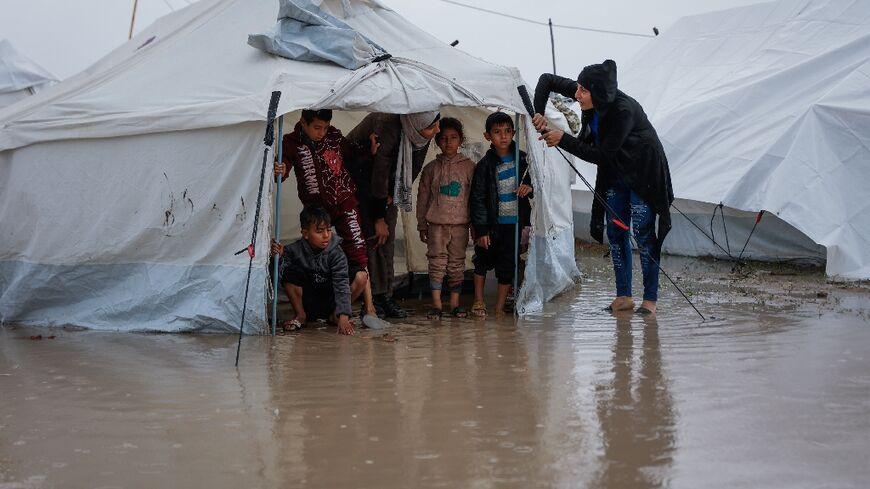
Gaza's municipalities have warned that approaching winter storms could flood approximately 1,000 displacement camps and emergency shelter sites, placing hundreds of thousands of Palestinians at renewed risk as humanitarian conditions deteriorate. Municipal authorities estimate that around 200,000 worn-out tents urgently need replacing, while more than 2,000 damaged buildings face potential collapse. Earlier November storms reportedly damaged approximately 70,000 tents and affected more than 350,000 displaced people, highlighting the territory's inadequate preparedness for winter. Extensive destruction of drainage and sewage infrastructure, shortages of water pumps, generators and fuel, and restrictions affecting humanitarian supplies have severely limited emergency response capabilities. The European Union has urged Israel to reopen all crossings for humanitarian assistance, while Palestinian municipalities are appealing for durable shelters, construction materials and emergency equipment before another storm strikes.
Hundreds of thousands of displaced Palestinians are facing the prospect of another devastating winter in the Gaza Strip as municipal authorities warn that approximately 1,000 displacement camps and other emergency shelter sites could be inundated by heavy rainfall. The Union of Gaza Strip Municipalities issued the warning on Wednesday, November 25, 2026, revealing that an estimated 200,000 deteriorating tents urgently need replacing, while more than 2,000 damaged buildings remain at risk of collapse. Extensive destruction of sewage systems, stormwater drainage networks and essential public infrastructure has left municipal workers struggling to prepare for another approaching storm, with shortages of water pumps, generators, fuel and emergency equipment severely limiting their response capabilities. For Palestinian families who have endured repeated displacement since the outbreak of the war in October 2023, the approaching winter threatens to compound an already catastrophic humanitarian situation in which even the most basic protection from rain and cold has become increasingly difficult to secure.
The warning followed a meeting of municipal representatives in Gaza City, where officials examined the deteriorating humanitarian and environmental conditions confronting communities across the territory. The municipalities identified Al-Mughraqa and Al-Zahra in central Gaza as areas of particular concern because rising water levels in Wadi Gaza could expose surrounding communities to sudden flooding. Damage to drainage infrastructure has significantly reduced the capacity of existing systems to accommodate large volumes of rainwater, leaving densely populated displacement sites particularly vulnerable. Officials warned that the scale of the anticipated emergency exceeds the resources currently available to local authorities, many of which are attempting to maintain essential public services despite extensive damage to their facilities and equipment.
The latest appeal comes after severe weather in early November provided a disturbing indication of what displaced families could experience throughout the coming months. According to municipal estimates, earlier storms damaged approximately 70,000 tents and affected more than 350,000 displaced Palestinians, many of whom were already living in shelters that had deteriorated after prolonged exposure to harsh environmental conditions. The downpours left families attempting to salvage bedding, clothing, food and other essential possessions from waterlogged tents, while others struggled to prevent rising floodwater from entering their temporary homes. For households that have lost their permanent residences, the destruction of even a makeshift shelter can represent another devastating displacement, particularly when there are few alternative places to seek protection.
Gaza is now entering its fourth winter since the outbreak of the war in October 2023, with large numbers of Palestinians continuing to live in temporary accommodation that was never intended to provide protection over such an extended period. Many shelters consist of fabric tents, plastic sheeting and materials recovered from damaged structures, offering limited resistance to persistent rainfall, powerful winds and falling temperatures. Prolonged exposure to sunlight during the summer months can weaken shelter materials, while repeated relocation and overcrowding further reduce their durability. The condition of these structures has become increasingly concerning as humanitarian organizations attempt to address replacement needs while simultaneously responding to demands for food, healthcare, sanitation and other essential services.
The United Nations Office for the Coordination of Humanitarian Affairs has independently documented the widespread vulnerability of displaced communities following the early November rainfall. In its humanitarian situation report published on November 13, the agency said that emergency monitoring systems had recorded approximately 473 alerts following the onset of heavy rain on November 6. Preliminary assessments indicated that around 226,000 people may have been affected, including more than 5,000 households reportedly left without shelter. Although the United Nations assessment covers a different reporting framework from the municipalities' subsequent figures, both indicate substantial damage and widespread exposure to winter conditions.
For families living in informal displacement camps, heavy rainfall can quickly transform surrounding areas into muddy and potentially contaminated pools of stagnant water. Unlike permanent residential neighborhoods equipped with functioning drainage systems, many emergency settlements lack the infrastructure necessary to direct rainwater away from living spaces. Tents positioned close together can become particularly difficult to protect when flooding spreads across entire sites, leaving families unable to move their belongings to dry ground. The absence of adequate sanitation facilities further increases the danger because floodwater may become contaminated by sewage and accumulated waste, creating environmental conditions that threaten public health.
The destruction of sewage infrastructure represents one of the most serious challenges confronting Gaza's municipalities as they prepare for the winter. Drainage channels and wastewater networks that would ordinarily help protect communities from flooding have sustained considerable damage during the conflict, while municipal crews have limited access to replacement machinery and construction materials. Even where sections of the existing infrastructure remain functional, their capacity may be insufficient to serve the large concentrations of displaced people now occupying areas that were never designed to accommodate such populations. Restoring those systems requires more than temporary repairs, particularly where underground networks, pumping stations and related electrical infrastructure have been damaged.
Municipal authorities have appealed for approximately 10,000 metric tons of cement to support emergency infrastructure rehabilitation, alongside heavy machinery, pumping equipment, generators, spare parts and fuel. Their requests reflect the practical requirements of an emergency response that depends on functioning equipment rather than humanitarian supplies alone. Pumps cannot operate reliably without adequate power, damaged drainage channels cannot be reconstructed without suitable materials, and emergency crews cannot reach affected communities efficiently when roads have become obstructed or severely degraded. The interconnected nature of those requirements has complicated preparations for the approaching storm, leaving municipalities dependent on assistance from international organizations and external suppliers.
The deteriorating condition of damaged residential buildings presents an additional threat to Palestinians who have returned to neighborhoods where permanent accommodation remains unavailable. Municipal authorities estimate that more than 2,000 damaged buildings are vulnerable to collapse, raising concerns about the safety of families occupying structures weakened during the conflict. Persistent rainfall can aggravate existing structural damage by allowing water to penetrate exposed walls, foundations and other compromised sections of buildings. For residents who lack access to safer accommodation, the decision to remain inside a damaged property may reflect the absence of realistic alternatives rather than an assessment that the building is structurally secure.
The humanitarian consequences of winter extend considerably beyond the immediate destruction caused by flooding. Children, elderly people, pregnant women and individuals with chronic medical conditions can be especially vulnerable to prolonged exposure to cold and damp environments. Families living without adequate bedding, heating or dry clothing may struggle to maintain safe body temperatures during particularly severe weather, while overcrowded accommodation can increase the transmission of respiratory infections. The burden becomes more difficult to manage when healthcare facilities are already operating under significant pressure and displaced households face obstacles accessing medical treatment.
Flooding also threatens the limited supplies of food and drinking water available to displaced families. In makeshift settlements, households frequently possess few secure storage facilities and may depend on humanitarian distributions or small quantities of supplies purchased from local markets. When floodwater enters shelters, food stocks can become contaminated, cooking equipment may be damaged and essential household items can be lost. Families without sufficient financial resources to replace those possessions may become increasingly dependent on emergency assistance, placing additional pressure on humanitarian organizations that are already responding to extensive needs across the territory.
The shortage of adequate sanitation facilities compounds those risks. Standing water contaminated by sewage can contribute to the spread of gastrointestinal infections and other illnesses, particularly where families lack access to clean water for drinking, cooking and personal hygiene. Children playing or moving through flooded areas may be exposed to contaminated environments, while adults attempting to clear water from shelters can encounter similar hazards. Effective public health protection therefore requires coordinated interventions involving shelter provision, clean water distribution, waste management, functioning sanitation systems and access to medical services.
Humanitarian organizations have undertaken preparations intended to reduce the impact of winter flooding, although the scale of Gaza's displacement crisis makes comprehensive protection exceptionally difficult. In its November 18 situation report, the United Nations humanitarian coordination office described ongoing efforts to install approximately 200,000 sandbags across vulnerable displacement sites. At the time of reporting, around 44,000 had been received, representing roughly 22 percent of the planned quantity. Such measures can help protect individual shelters and community facilities from some forms of water intrusion, but their effectiveness remains limited when rainfall overwhelms surrounding drainage systems or entire areas become submerged.
Earlier humanitarian assessments had already identified extensive shelter requirements before the most recent municipal warning. A United Nations report dated November 5 estimated that Palestinians in Gaza still required approximately 121,000 tents, 561,000 tarpaulins and 57,000 emergency shelter kits, alongside an estimated 1.7 million mattresses and substantial quantities of other household materials. These figures were compiled before the full extent of the damage associated with subsequent November storms had been assessed. The municipalities' more recent estimate of 200,000 tents requiring replacement reflects the continuing deterioration of shelter conditions, although differences in assessment dates and methodologies prevent the two figures from being treated as directly comparable inventories.
The availability of more durable temporary housing has consequently become a central issue in discussions about winter preparedness. Municipal officials have requested prefabricated mobile homes capable of providing greater protection against rainfall and strong winds than ordinary emergency tents. Such structures could offer improved insulation, greater privacy and a more stable living environment for families facing prolonged displacement. However, their introduction requires access to transportation, suitable installation sites and supporting infrastructure, making large-scale deployment significantly more complicated than the distribution of basic shelter materials.
Humanitarian agencies have nevertheless managed to provide some prefabricated housing and other essential supplies to displaced households. United Nations reporting from November 18 recorded the distribution of shelter assistance and non-food items to more than 17,600 households, including tarpaulins, winter clothing, blankets, solar lighting, mattresses, tents and 250 prefabricated housing units. Those interventions demonstrate that relief operations are continuing despite considerable obstacles. However, the number of families requiring assistance remains substantial, and the available supplies have not eliminated the vulnerability of communities facing another period of severe weather.
The dispute surrounding humanitarian access has also attracted renewed international attention, with the European Commission urging Israel to reopen all crossings into Gaza for relief supplies. European Commission spokesperson Eva Hrncirova said emergency shelter materials and equipment were waiting outside the territory because authorization for their entry had not been granted. Her remarks reflected wider concerns among humanitarian organizations that restrictions affecting the movement of supplies have complicated preparations for winter. Aid agencies have repeatedly emphasized the importance of predictable and sustained access, particularly for equipment and materials required to maintain essential infrastructure.
Israeli authorities have presented their own account of the assistance entering Gaza. The Coordinator of Government Activities in the Territories, the Israeli military body responsible for coordinating humanitarian access, said nearly 100,000 tents had entered Gaza since the beginning of a winter assistance program. Israel has maintained that controls on goods entering the territory are connected to security considerations, particularly where authorities believe certain equipment or materials could be diverted for military purposes. Humanitarian organizations, meanwhile, have emphasized the civilian importance of supplies needed for shelter, sanitation, healthcare and emergency repairs. The disagreement highlights the continuing challenge of reconciling Israeli security procedures with the urgency and scale of humanitarian requirements.
The number of tents reported to have entered Gaza does not necessarily establish that the overall shelter shortage has been resolved. Emergency accommodation can deteriorate after prolonged use, while severe weather can damage newly distributed materials and create additional replacement needs. The distribution of supplies also depends on transportation, storage capacity, humanitarian access to affected communities and the availability of suitable locations for establishing shelters. Assessing the adequacy of winter assistance therefore requires consideration of how many households actually receive effective protection, rather than relying exclusively on the number of items recorded at border crossings.
For municipal administrations, the continuing damage to roads and public infrastructure has complicated efforts to provide assistance across densely populated areas. Emergency vehicles and heavy machinery may encounter difficulties reaching flooded settlements where access routes are obstructed by debris, mud or standing water. Municipal workers responsible for maintaining sanitation and clearing drainage networks must also operate within an environment where fuel, replacement parts and functioning equipment are limited. The resulting constraints demonstrate why the restoration of basic municipal capacity is closely connected to the wider humanitarian response.
The approaching winter also threatens the temporary educational facilities established to support Palestinian children whose schools and ordinary learning environments have been disrupted. Many emergency learning spaces operate inside tents or other temporary structures that offer limited protection against severe weather. Flooding can damage educational materials, interrupt attendance and render classrooms unusable, while families struggling to secure adequate shelter may have difficulty prioritizing regular educational activities. For children who have already experienced prolonged interruptions to their schooling, another winter of displacement threatens to deepen learning losses and undermine efforts to restore stability to their everyday lives.
The emotional consequences of repeated displacement are equally significant, particularly for children who have spent several years experiencing insecurity and uncertainty. The loss of a tent, blanket or personal possession may appear relatively minor when compared with the wider destruction across Gaza, but such belongings can carry considerable importance for individuals who possess little else. Repeatedly rebuilding a temporary living space, only to see it damaged by another storm, can intensify feelings of exhaustion and helplessness. Humanitarian assistance that provides greater continuity and security can therefore contribute to psychological well-being as well as meeting immediate physical needs.
The municipalities' warning also illustrates the considerable environmental challenges created by prolonged conflict and widespread destruction. Damaged buildings, disrupted waste collection, contaminated water and deteriorating infrastructure can produce public health risks that persist long after the immediate circumstances responsible for them have changed. Restoring safe living conditions requires sustained investment in water systems, sanitation networks, electricity distribution and waste management, alongside the reconstruction of residential accommodation. Emergency tents and temporary repairs remain essential during the immediate crisis, but they cannot independently address the structural problems confronting Gaza's population.
With another storm approaching, municipal authorities have called on donor governments, United Nations agencies and international humanitarian organizations to accelerate the delivery of equipment and shelter materials. Their appeal emphasizes the need for practical assistance before severe weather arrives, rather than commitments that may take weeks or months to translate into supplies on the ground. The anticipated rainfall has created a narrow window for reinforcing shelters, clearing drainage channels and preparing emergency response equipment. Delays could leave vulnerable communities exposed to conditions that local authorities have already warned they lack the capacity to manage effectively.
As of November 26, the warning concerning approximately 1,000 displacement sites represents an assessment of potential flooding rather than confirmation that every identified camp has already been inundated. The eventual extent of the damage will depend on the intensity and duration of rainfall, the condition of individual shelter sites and the effectiveness of emergency preparations. Similarly, the estimate of more than 2,000 buildings at risk of collapse identifies a serious structural danger but does not mean that those buildings have already fallen. These distinctions remain important as humanitarian organizations prepare for a developing emergency whose full consequences cannot yet be established.
The immediate challenge confronting Gaza is ensuring that displaced families possess somewhere safe and dry to remain as winter conditions intensify. Municipalities are attempting to protect communities with severely diminished resources, while humanitarian organizations continue working to distribute shelter materials and restore essential services. Yet the scale of the latest warnings demonstrates that temporary interventions remain insufficient to guarantee protection for everyone requiring assistance. The replacement of deteriorating tents, provision of more durable accommodation and restoration of basic drainage infrastructure have become urgent necessities rather than longer-term reconstruction objectives.
For hundreds of thousands of Palestinians entering another winter without permanent homes, the approaching rains represent a continuation of the insecurity that has shaped their lives since the beginning of the conflict. The municipal warning has placed renewed attention on the gap between the humanitarian assistance reaching Gaza and the extensive needs of its displaced population, while the threat posed by flooding and structural collapse underscores the consequences of continued infrastructure deterioration. Whether international efforts can prevent another widespread shelter emergency will depend substantially on the timely delivery of supplies, the restoration of essential municipal services and the ability of humanitarian organizations to reach vulnerable communities before conditions worsen. Until those needs are adequately addressed, families across Gaza will remain exposed not only to the consequences of war and displacement but also to winter weather that their temporary homes were never designed to withstand.