

VIRGINIA SHUTS DOWN 29 SCHOOLS AS FEDERAL AUTHORITIES INVESTIGATE CHILD ABUSE SCREENING FAILURES INVOLVING 524 EMPLOYEES
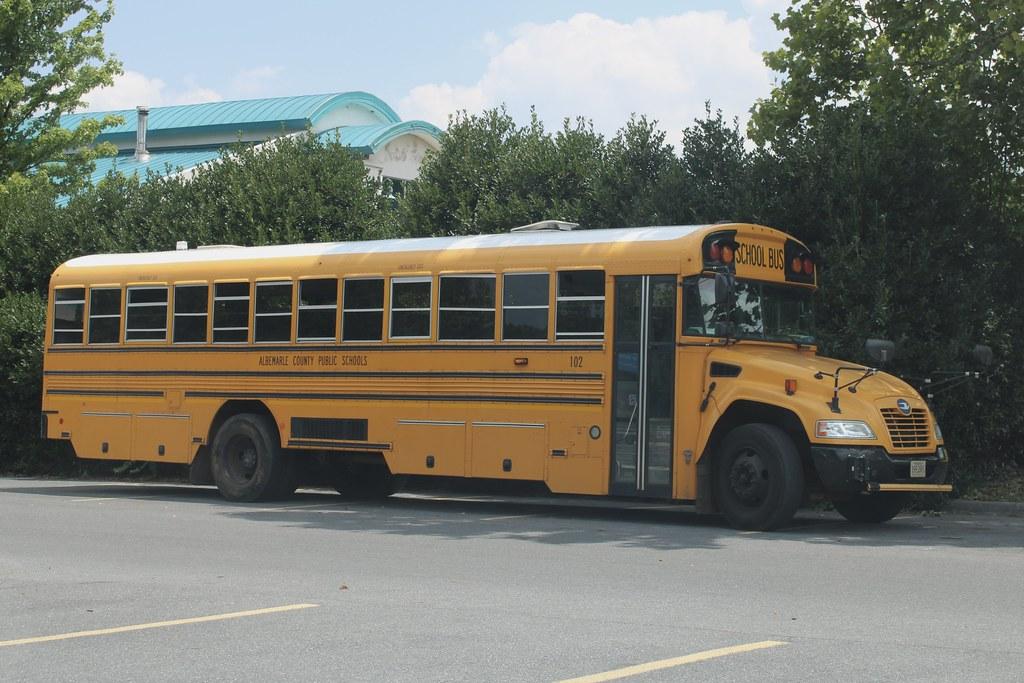
Albemarle County Public Schools in Virginia has temporarily closed all 29 of its schools and educational facilities after discovering that 524 employees hired over three years had not completed mandatory screenings against the Child Protective Services Central Registry. The United States Department of Education has launched an investigation and directed Virginia authorities to withhold federal funding from the district until the identified failures are corrected. Governor Abigail Spanberger has also pledged accountability, while federal authorities have placed the Virginia Department of Education on high-risk status and ordered a wider compliance review. The district, which serves more than 14,000 students, confirmed that 519 of the 524 outstanding employees had been cleared as of November 24, with five applications requiring corrections. Schools are scheduled to reopen on Monday, November 30, 2026.
A school district in the US state of Virginia has temporarily closed all 29 of its schools and educational facilities after discovering that hundreds of employees were hired without completing legally required child abuse and neglect registry screenings, triggering investigations by federal and state authorities. Albemarle County Public Schools acknowledged that the information of 524 employees hired over a three-year period had not been submitted to the Virginia Department of Social Services for mandatory screening against its Child Protective Services Central Registry. The United States Department of Education has subsequently directed Virginia education authorities to withhold federal funding from the district until the identified failures are corrected, while Governor Abigail Spanberger has pledged to ensure accountability for the administrative breakdown. The district, which serves more than 14,000 students, has confirmed that schools will reopen on Monday, November 30, 2026, following substantial progress in completing the outstanding screenings.
The extraordinary decision to suspend educational activities was announced on November 18 by Acting Superintendent Chandra Hayes, who informed families that an internal review had uncovered significant deficiencies in the district's employee onboarding procedures. Although the affected employees had undergone conventional criminal background checks through the Virginia State Police, their information had not been consistently submitted for the separate child protective services screening required under state law and school board policy. The discovery prompted the closure of schools beginning November 19, extending the scheduled Thanksgiving holiday and forcing thousands of families to make unexpected childcare arrangements. School administrators maintained that the temporary suspension was necessary to establish compliance with legal requirements and provide additional assurances concerning student safety.
The distinction between criminal background checks and child protective services registry screenings has become particularly important in understanding the seriousness of the administrative failure. A conventional criminal history check generally examines records associated with arrests, prosecutions and convictions, while the Child Protective Services Central Registry contains information concerning founded allegations of child abuse or neglect established through child welfare investigations. An individual may therefore have relevant findings recorded within the social services system without necessarily possessing a criminal conviction that would appear during an ordinary background check. By requiring both forms of screening, Virginia seeks to ensure that educational institutions consider information from separate sources before allowing individuals to work with children.
The school district emphasized that the discovery of incomplete registry checks did not establish that the affected employees had committed acts of child abuse or neglect. Hayes explained that the individuals had passed their criminal history screenings, although the mandatory verification through the Department of Social Services had not been consistently completed. Nevertheless, the omission represented a substantial failure to follow established safeguarding procedures, particularly given the number of employees involved and the extended period during which the problem remained undetected. The subsequent closure was intended to address that deficiency rather than suggest that all 524 employees posed an established danger to students.
In an official update published on November 24, Albemarle County Public Schools confirmed that the Virginia Department of Social Services had processed and cleared 519 of the 524 outstanding employees. The department had also completed the screening of a separate group of 227 recent hires, with no founded complaints of child abuse or neglect identified among the individuals whose applications had been processed. The five remaining applications were returned because of errors in the submitted paperwork, requiring the district to obtain additional information and resubmit the documents. School administrators confirmed that any employee who had not received the necessary clearance would be prohibited from returning to work until the process was completed.
The latest results have provided some reassurance to families concerned about the implications of the screening failures. However, they do not eliminate questions about how the district permitted such a substantial backlog to develop without identifying the problem through routine administrative oversight. A system responsible for protecting children must be capable of establishing whether mandatory procedures have been completed consistently, rather than relying exclusively on the absence of subsequently discovered adverse information. The district's internal investigation and the wider federal and state reviews will therefore examine issues extending beyond the outcome of the outstanding screenings.
Hayes explained that the recruitment process previously required prospective employees to complete fingerprint-based criminal history checks, declare that they had not been the subject of founded child abuse or neglect findings and provide authorization for the district to request additional screening through the Department of Social Services. Employees were permitted to begin working after completing those initial requirements, while the social services department's final clearance could arrive after their employment had commenced. However, the district recorded the receipt of completed clearance documents without maintaining sufficiently effective records of whether the corresponding applications had originally been submitted.
That administrative weakness created a situation in which responsibility for submitting applications and monitoring their completion was concentrated within the same process without adequate independent verification. As a result, applications could remain unsubmitted without being promptly identified through the district's existing tracking arrangements. The acting superintendent acknowledged that the absence of effective cross-checking had allowed the problem to persist over an extended period. The district has now announced changes intended to prevent similar failures by involving multiple personnel in the screening process and requiring independent verification of essential recruitment procedures.
Under the revised arrangements, prospective employees will no longer be permitted to begin working for Albemarle County Public Schools before all mandatory background checks and social services screenings have been completed. The new policy represents a stricter approach than the district's previous onboarding arrangements, prioritizing confirmed clearance before employment begins. Administrators acknowledged that the change could delay the starting dates of some newly hired workers, but maintained that the additional precautions were necessary to restore confidence in the district's child protection procedures. Officials also intend to examine other administrative processes to determine whether similar weaknesses exist elsewhere within the organization.
The controversy has attracted particular attention because the screening failures emerged against the background of separate criminal investigations involving employees of the school district. Earlier in 2026, two individuals associated with Albemarle County Public Schools were arrested in separate cases involving allegations of child sexual abuse. Additional employees, including school administrators, were subsequently charged in October over allegations that they failed to report suspected abuse through legally required channels. Those criminal proceedings have intensified concerns about the district's safeguarding culture and the effectiveness of its procedures for responding to allegations involving students.
However, the existence of those criminal cases must be distinguished from the discovery that 524 employees had not undergone complete registry screening. The available information does not establish that every individual facing criminal charges was among those affected by the administrative omission, nor does it demonstrate that completing the missing checks would necessarily have prevented the alleged offenses. Background screening is designed to identify relevant information already known to authorities, but it cannot guarantee that an individual without a recorded history will never engage in misconduct. Effective child protection therefore requires both comprehensive recruitment procedures and reliable mechanisms for responding to concerns that arise after employment begins.
The United States Department of Education announced additional intervention on Monday, November 23, confirming that it had opened an investigation into the circumstances surrounding the district's failures. Federal authorities directed the Virginia Department of Education to withhold federal funding from Albemarle County Public Schools until the district demonstrates that the identified deficiencies have been adequately addressed. The department also announced a broader review of Virginia's compliance with student safety requirements, reflecting concerns that the problems discovered in Albemarle could indicate weaknesses requiring examination across other school divisions.
The federal intervention includes a civil rights investigation examining whether the district appropriately responded to allegations of sexual misconduct involving students. Such inquiries can involve an assessment of institutional compliance with Title IX, the federal legislation prohibiting sex-based discrimination within educational programs receiving federal financial assistance. Schools operating under the law have responsibilities concerning their response to sexual harassment and other prohibited conduct affecting access to education. Investigators will need to establish whether the district fulfilled the obligations applicable to the particular complaints and whether its response adequately protected affected students.
United States Secretary of Education Linda McMahon has emphasized that parents should be able to send their children to school without fearing that educational institutions are failing to protect them from sexual misconduct. The federal department has characterized its intervention as part of a broader enforcement initiative intended to strengthen accountability within schools and prevent individuals accused of serious misconduct from continuing to occupy positions involving children without appropriate scrutiny. The announcement also indicated that federal authorities were considering exclusion measures against at least five former school officials accused of criminal conduct or serious professional failures. Those proposed administrative actions remain distinct from criminal convictions and must proceed through the relevant legal procedures.
The Virginia Department of Education has also been designated a high-risk entity by federal education authorities, reflecting concerns about its oversight of state and federal requirements. The designation could affect aspects of the department's administration of federal grants and requires it to submit a corrective action plan within 30 days. Among the measures federal officials have requested is an examination of background screening procedures across Virginia's school divisions to determine whether the failures discovered in Albemarle are isolated or indicate wider compliance problems.
The statewide review represents an important expansion of the investigation because educational institutions throughout Virginia operate under similar child protection requirements. Although there is currently no basis for assuming that every school division has experienced comparable administrative failures, a comprehensive assessment could help authorities identify weaknesses that might otherwise remain undetected. Federal officials are seeking assurances that required checks are being completed and that state-level oversight mechanisms are capable of identifying noncompliance before it develops into a more substantial problem. The outcome of that review could result in additional requirements for recruitment monitoring, reporting and verification across the state.
Governor Abigail Spanberger has separately criticized the district's previous leadership over its failure to comply with legally mandated screening procedures. Her administration has indicated that state education officials are working with the district's interim leadership to address the immediate deficiencies and support an independent investigation. Virginia Superintendent of Public Instruction Jenna Conway has also expressed support for measures intended to establish how the systemic failures developed and ensure that corrective actions are implemented. The involvement of both federal and state authorities underscores the seriousness with which the case is being treated.
The decision to withhold federal funding introduces another significant challenge for Albemarle County Public Schools because those resources support educational services for some of the district's most vulnerable students. Federal education funding can contribute to programs serving children from low-income households, students with disabilities and individuals requiring specialized educational assistance. Hayes has indicated that protecting such services remains a priority while the district works with state authorities to determine the implications of the federal directive. The precise financial impact has not yet been publicly established, leaving uncertainty about whether particular programs could experience disruptions if the restrictions remain in place for an extended period.
The federal government faces the challenge of enforcing institutional accountability without unnecessarily harming the students whom the intervention is intended to protect. Financial restrictions can create pressure on educational authorities to implement corrective measures, but their consequences may extend to classroom resources, specialist services and other programs supporting children who played no role in the administrative failures. Determining the appropriate duration and scope of the restrictions will require consideration of the district's progress in addressing the deficiencies and the potential effects on educational access.
For parents in Albemarle County, the unexpected closure created immediate practical difficulties extending beyond concerns about student safety. Families were required to reorganize work schedules, arrange childcare and make alternative plans for children who would ordinarily have attended school during the days preceding Thanksgiving. The challenges were particularly significant for households with limited access to affordable childcare and those caring for children requiring specialized educational or medical support. Local reporting documented concerns from parents attempting to manage their daily responsibilities while responding to an announcement that disrupted established routines with relatively little notice.
The closure also affected educational continuity, with teachers and administrators required to adjust instructional plans to accommodate the additional days away from classrooms. Although the temporary suspension occurred close to a scheduled holiday, students still lost educational time that had been incorporated into the academic calendar. Before-school and after-school childcare programs were also affected, creating further difficulties for working families who depend on those services. The situation illustrates how failures within administrative departments can generate consequences throughout an educational community, even when classroom teachers and students were not responsible for the underlying problem.
The district's announcement has renewed attention to the importance of mandatory reporting requirements within educational institutions. Teachers, administrators and other designated professionals are generally required under applicable state laws to report suspected child abuse or neglect when the circumstances meet established reporting thresholds. Those requirements are intended to ensure that concerns are examined by appropriate authorities rather than being handled exclusively through informal internal procedures. Failure to report suspected abuse can delay intervention, restrict opportunities to protect children and complicate subsequent investigations into allegations of misconduct.
The separate criminal allegations involving some former employees have made the effectiveness of those reporting arrangements particularly relevant to the federal investigation. Authorities will need to establish whether individuals responsible for receiving complaints responded appropriately, whether relevant information was communicated to the necessary agencies and whether institutional procedures were followed. The existence of criminal charges against particular employees does not constitute proof of guilt, and those cases remain subject to judicial determination. Nevertheless, the allegations provide an important context for understanding why federal officials are examining more than the district's recruitment records.
The situation also demonstrates the limitations of treating employee background checks as the sole mechanism for protecting children within schools. Screening can identify previous criminal convictions or founded findings of misconduct, but it does not replace appropriate supervision, professional boundaries, accessible reporting mechanisms and effective institutional responses to emerging concerns. Educational institutions must maintain environments where students, parents and employees can report suspected wrongdoing without fear that their concerns will be ignored or concealed. Those protections become particularly important where allegations involve individuals occupying positions of authority or trust.
Effective safeguarding systems also require clear divisions of responsibility between school administrators, human resources departments, child welfare agencies and law enforcement authorities. Each institution possesses different legal duties and investigative powers, making communication and coordination essential when concerns arise. Administrative records must be sufficiently accurate to demonstrate that required actions have been completed, while oversight procedures should be capable of detecting missing information and unresolved cases. The failures identified in Albemarle illustrate the potential consequences when important verification responsibilities are not supported by adequate institutional safeguards.
The ongoing review may also provide information about the effectiveness of the district's internal auditing arrangements. Regular assessments of recruitment records could help educational authorities determine whether mandatory checks have been completed, whether documentation is accurate and whether exceptions to established procedures have been appropriately addressed. Where several employees are involved in approving recruitment decisions, clearly defined responsibilities can reduce the possibility that incomplete applications remain unnoticed. Such measures are especially important within large school systems employing substantial numbers of teachers, administrators and support personnel.
As Albemarle County Public Schools prepares to reopen on November 30, administrators have emphasized that employees awaiting outstanding clearances will not be permitted to resume their duties until the necessary screenings have been completed. The district has also committed itself to implementing broader administrative reforms intended to improve compliance, transparency and public confidence. The immediate resumption of educational activities will therefore occur alongside continuing investigations into the circumstances that produced the screening failures and the adequacy of the district's response to separate allegations of misconduct.
The reopening of schools will provide relief for families whose schedules have been disrupted, but it will not independently resolve the questions confronting the district's leadership. Federal and state authorities must still determine how hundreds of applications remained unsubmitted, whether oversight arrangements were adequate and what additional measures are necessary to prevent similar incidents. The outcome of the federal civil rights investigation and the statewide review could have implications extending beyond Albemarle County, particularly if investigators identify weaknesses affecting other educational institutions.
For the more than 14,000 students served by the district, the central priority remains returning to an educational environment where effective child protection procedures are consistently maintained. The completion of most outstanding screenings represents an important immediate development, while the absence of adverse findings among the employees cleared so far provides a measure of reassurance. However, rebuilding confidence will require more than correcting incomplete paperwork, particularly in light of the separate criminal allegations and concerns about institutional reporting procedures. As Albemarle County Public Schools resumes operations, the credibility of its response will depend on whether the promised reforms produce lasting improvements in accountability, employee screening and the protection of children entrusted to its care.