TRUMP’S FINAL TWO YEARS COULD BRING A MORE AGGRESSIVE FOREIGN POLICY AS DOMESTIC POWER WEAKENS
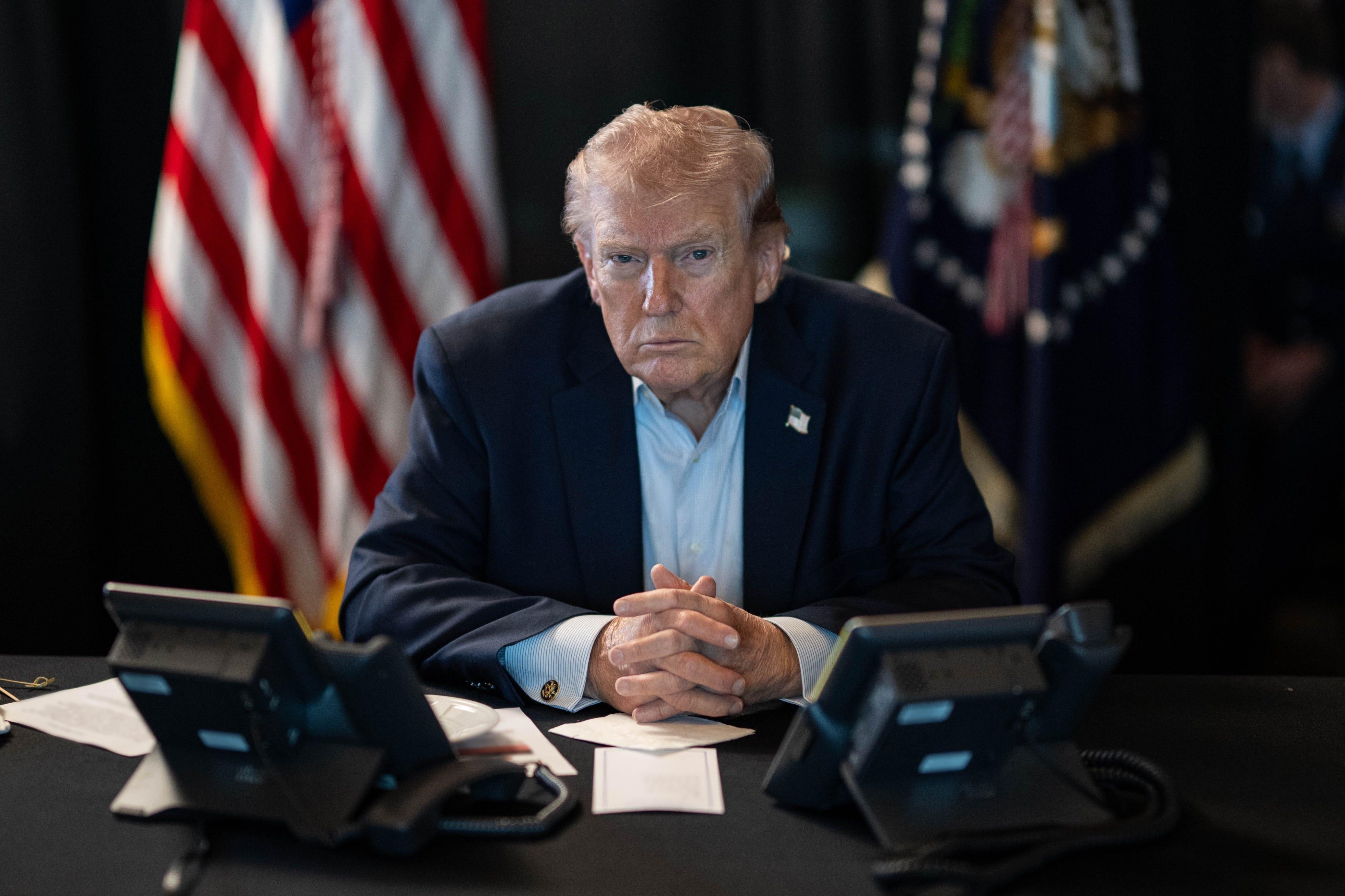
Donald Trump enters the final two years of his presidency weakened by the Republican midterm defeat, but retains broad authority over foreign policy. Iran, Ukraine, Cuba, Venezuela and Greenland could shape his international agenda as Democrats prepare to control Congress.
WASHINGTON, November 7, 2026 President Donald Trump is entering the final two years of his presidency after suffering a major political setback in the November midterm elections, but the weakening of his domestic position may not translate into a reduction of his influence abroad. With Democrats preparing to take control of Congress and intensify scrutiny of his administration, the president could increasingly turn his attention towards international affairs, where the powers of the White House remain considerably broader and more difficult for lawmakers to constrain.
The Republican Party's losses in the November 3 midterm elections have transformed the political environment surrounding Trump's final years in office. Democrats are set to control Congress, giving them greater authority to investigate the administration, scrutinise presidential appointments, challenge spending decisions and obstruct parts of his domestic legislative agenda. The outcome represents a significant setback for a president who had sought to maintain Republican control of the legislature during the final stage of his second term.
However, the consequences of the election are not necessarily the same across domestic and foreign policy. While congressional control can make it substantially more difficult for Trump to advance legislation and manage domestic political priorities, the president retains considerable constitutional authority over diplomacy, military operations, sanctions and the direction of American foreign relations. That difference could become increasingly important as he approaches the final years of his presidency.
A Reuters analysis published after the election noted that Democrats would have several tools to challenge Trump's international agenda, including congressional investigations, confirmation hearings and control over government funding. However, analysts cautioned that those powers would not automatically prevent the president from taking unilateral action abroad. The extent to which Congress can constrain him will depend on the circumstances, the availability of bipartisan opposition and whether lawmakers are prepared to challenge major foreign-policy decisions through legislation and spending restrictions.
Trump's international record during his second presidency has already demonstrated his willingness to use American economic, diplomatic and military power in ways that have unsettled traditional relationships with allies and adversaries. His approach has included confrontations over Greenland, intervention in Venezuela, military action involving Iran and continued pressure on Ukraine and its European partners. These developments have raised questions about whether the United States is moving away from its traditional role as a supporter of the post-Second World War international order towards a more transactional approach based on territorial influence, strategic resources and bilateral power arrangements.
One of the most consequential examples has been Venezuela, where American forces captured President Nicolás Maduro in January 2026. The operation represented a dramatic escalation of Washington's involvement in the country and was followed by an arrangement under which Maduro's former deputy assumed an interim leadership role. Trump presented the operation as an assertion of American dominance in the Western Hemisphere, while the intervention raised broader questions about national sovereignty, international law and the limits of American military power.
The operation also demonstrated the extent to which Trump's administration has been prepared to use direct intervention rather than relying exclusively on sanctions and diplomatic pressure. Venezuela's substantial oil resources and strategic position have added another dimension to the confrontation, particularly as Washington seeks to influence the political and economic direction of the country following Maduro's removal.
Greenland has presented a different but equally significant challenge to America's relationships with traditional allies. Trump has repeatedly expressed interest in bringing the Danish territory under American control, citing its strategic location in the Arctic and its importance to national security. His statements have generated tensions with Denmark and other European governments, which have maintained that Greenland's future belongs to its people and cannot be determined by Washington.
The controversy has also exposed the difficulties created when an American president treats the territory of a NATO ally as an acquisition target. Greenland's geographical position makes it strategically important for Arctic security, military surveillance and access to emerging shipping routes and natural resources. However, Trump's repeated statements about acquiring the territory have raised concerns about the reliability of American commitments to its European partners and the future of the transatlantic alliance.
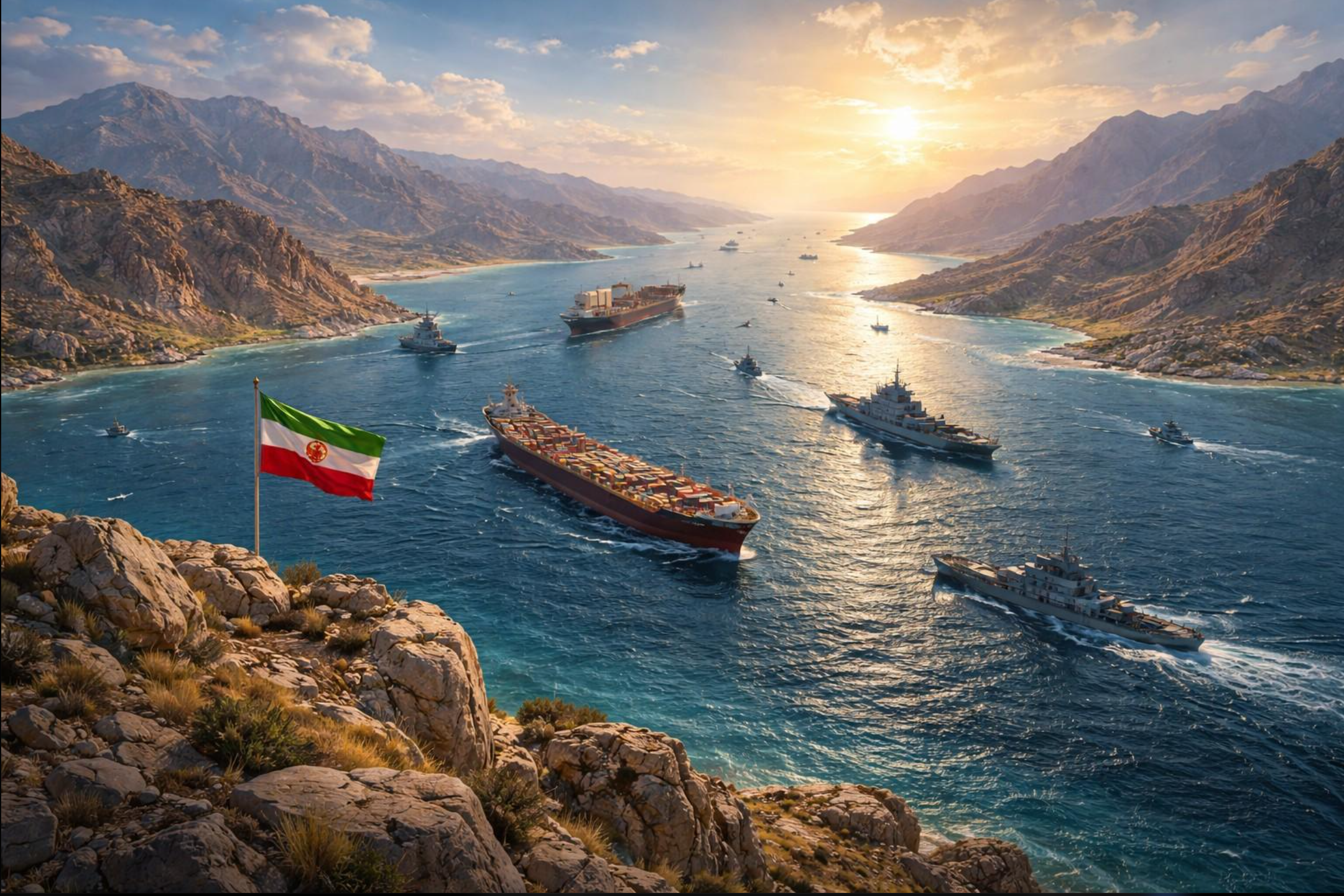
Iran remains another major foreign-policy challenge as Trump enters his final two years. The conflict involving Iran has become one of the defining developments of his second presidency, with military operations, economic pressure and diplomatic efforts failing to produce a settlement acceptable to all parties. The war has also affected global energy markets, increased pressure on fuel prices and contributed to domestic dissatisfaction that analysts say played a role in the Republican Party's poor midterm performance.
The political consequences of the conflict could influence Trump's next decisions. Reuters reported that the president acknowledged the Iran war had contributed to the Republican losses, leaving him with a difficult choice between escalating military pressure, pursuing negotiations or attempting to manage an unstable ceasefire. Any renewed military operation could deepen the economic consequences at home, while an agreement that falls short of Washington's objectives could create further political difficulties for the administration.
Vice-President JD Vance has reportedly expressed reservations about the war and called for an end to the conflict, reflecting divisions within the Republican political movement over the cost and strategic purpose of continued American military involvement. The disagreement is particularly important because Trump's foreign policy has been shaped partly by his promise to avoid prolonged overseas wars, even as his administration has undertaken military actions that have expanded American involvement in international conflicts.
Cuba could become another major focus. Trump has maintained pressure on the communist-led government, including through restrictions on its access to energy supplies and warnings about the consequences of continued confrontation with Washington. The removal of Maduro in Venezuela also disrupted a major source of support for Cuba, which had depended heavily on Venezuelan oil. The resulting economic pressure has created additional uncertainty for the Cuban government, although the possibility of political change remains far from guaranteed.
A more aggressive American approach towards Cuba would carry significant regional consequences. The island remains an important political symbol in Latin America, and any attempt to force a change in its government could provoke resistance from countries that oppose direct American intervention. It could also create humanitarian concerns if additional economic restrictions worsen shortages of fuel, electricity, food and essential services for ordinary Cubans.
Ukraine presents a different test of Trump's foreign-policy ambitions. The president has repeatedly promised to bring an end to Russia's war against Ukraine, but efforts to secure a settlement have exposed major disagreements over territorial control, security guarantees and the future relationship between Kyiv and Moscow. Ukrainian officials and European governments have insisted that any agreement must protect Ukraine's sovereignty and provide credible guarantees against renewed Russian aggression.
Trump's approach to the conflict has created uncertainty among American allies, particularly because of his willingness to negotiate directly with Russian President Vladimir Putin and his pressure on Ukraine to consider concessions. Democrats taking control of Congress could seek stronger sanctions against Russia and additional military assistance to Kyiv, potentially changing the political environment surrounding the administration's negotiations. Nevertheless, the president will retain significant influence over American diplomatic engagement and military assistance.
The wider question is whether Trump will use his remaining time in office to pursue agreements that reduce international tensions or attempt to secure dramatic foreign-policy victories that could define his presidential legacy. His administration has already shown a willingness to challenge established diplomatic arrangements, place pressure on traditional allies and pursue strategic objectives through economic and military instruments.
The possibility of a more transactional international order has also become a source of concern. Trump's approach to Greenland, Venezuela and other countries has raised questions about whether powerful states could increasingly seek to establish spheres of influence in which the interests of major powers take precedence over the sovereignty and political independence of smaller nations. Such an arrangement would represent a significant departure from the principles underpinning much of the international system established after 1945, even though that system has faced repeated challenges from powerful countries.
The danger is not simply that Washington could pursue a more aggressive foreign policy, but that other major powers could interpret American actions as evidence that territorial pressure and military intervention are increasingly acceptable instruments of international relations. China and Russia could use such developments to justify their own regional ambitions, further weakening international agreements and institutions designed to prevent conflicts between states.
Nevertheless, Trump's room for manoeuvre will not be unlimited. Congress controls important funding decisions, can investigate military operations and has constitutional responsibilities involving declarations of war and oversight of government spending. Public opposition, pressure from allies, financial markets and the economic consequences of prolonged conflicts could also influence presidential decisions. A Democratic-controlled Congress could make certain foreign-policy initiatives more difficult to sustain, even if it cannot prevent every executive action.
As Trump approaches January 2029, his political legacy will therefore depend not only on his domestic record but also on the international consequences of decisions made during the remaining period of his presidency. His administration faces unresolved challenges involving Iran, Ukraine and Cuba, while relations with Denmark and other NATO allies remain affected by his territorial ambitions and approach to international cooperation.
The November midterm results have weakened Trump's political position at home, but they have not removed his capacity to influence events beyond America's borders. Whether the remaining years produce diplomatic agreements, further military confrontations or attempts to reshape established international relationships will depend on the choices made by the president, the response of Congress and the willingness of other governments to resist or accommodate Washington's demands. For America's allies and adversaries alike, the final phase of Trump's presidency could prove as consequential internationally as it is politically uncertain at home.