IRAN WARNS IT WILL TARGET US ASSETS BEYOND THE MIDDLE EAST IF ATTACKED AGAIN
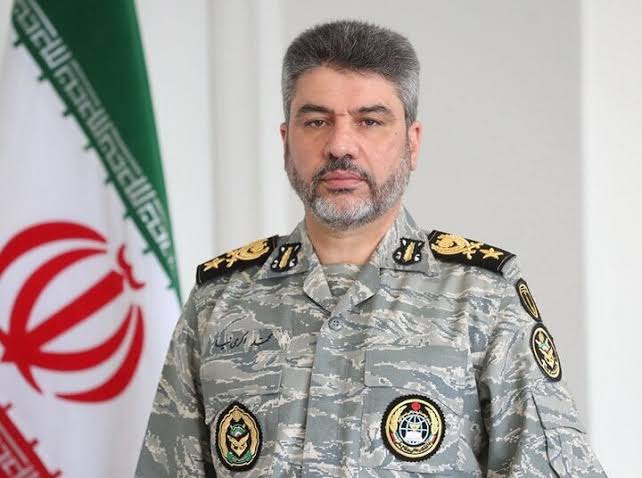
Iranian army spokesperson Mohammad Akraminia has warned that any renewed US attack could prompt Iran to target American military bases, equipment, personnel and other interests without geographical restrictions. The warning follows a similar statement attributed to Supreme Leader Mojtaba Khamenei, who reportedly ordered military commanders to prepare an immediate response and update Iran’s target list. The statements come as diplomatic efforts continue amid disagreements over Iran’s nuclear program, US sanctions and restrictions on the Strait of Hormuz. Iran has not publicly identified specific targets or announced an imminent attack.
VNTV | INTERNATIONAL NEWS | NOVEMBER 6, 2026
Iran’s army spokesperson Mohammad Akraminia has warned that any renewed attack on the country by the United States would trigger a military response against American assets without geographical restrictions, raising the possibility that a future confrontation could extend beyond the Middle East. Akraminia said Iranian forces would target American military bases, equipment, personnel and other interests wherever they could reach them, arguing that Tehran would not limit its retaliation to US positions in the Gulf or neighboring countries if Washington launched another military operation against Iran.
“If Iran is attacked, it will target all assets of the American enemy without regard to any geographical restrictions,” Akraminia said, according to remarks reported by Gulf News on Friday. He also referred to American military bases and forces stationed outside southwest Asia, warning that those facilities and personnel could be included in Iran’s target list. The statement was part of a series of warnings from Iranian political and military officials as diplomatic efforts continue to prevent a resumption of the conflict between Tehran and Washington.
Akraminia’s remarks followed an earlier warning in which he said that another US military operation would cause the conflict to spread across a much wider geographical area. In a post on X reported on October 31, the army spokesperson accused US President Donald Trump of pursuing regional military action under pressure from Israel and said renewed hostilities would not remain confined to their existing theatre. He did not identify specific countries or military installations that Iran would target, but the subsequent comments about American bases and assets outside the region have made the potential geographical scope of Tehran’s warning more explicit.
The statements come amid continued uncertainty over whether the United States will resume military strikes against Iran. Washington and Tehran remain at odds over security arrangements, Iran’s nuclear program, American sanctions and restrictions on maritime traffic through the Strait of Hormuz. Although diplomatic contacts have continued through regional intermediaries, there has been no comprehensive agreement resolving the issues that contributed to the conflict.
Iran’s warning also follows a statement attributed to Supreme Leader Mojtaba Khamenei, who reportedly instructed military commanders to prepare an immediate response to any renewed threat and revise the country’s list of potential targets. In a written statement published on his website on October 31, Khamenei said that if Iran’s adversaries launched further military or terrorist attacks, the Iranian armed forces and the country would determine the timing and conditions for ending the confrontation.
The statement attributed to the supreme leader called for any threat to be met with an immediate and geographically unrestricted response. It also directed military commanders to update Iran’s target list to include what the statement described as tangible and intangible assets belonging to the American and Israeli adversaries. The language suggests that Tehran is seeking to communicate a broader deterrence policy, although the statement did not provide an operational list of targets or explain how the military would carry out such a response.
The warnings from Akraminia and Khamenei are significant because they indicate that Iran is presenting any future US attack as a potential trigger for a wider conflict rather than a limited exchange between forces operating in the Gulf. American military facilities are located across several regions, including Europe and the Middle East, while US forces also operate from bases and installations in other parts of the world. However, Iran’s ability to strike any particular facility would depend on its available weapons, range, intelligence, launch capability and the defenses protecting the target. The statements should therefore be understood as threats and declarations of military intent, not proof that Iran can successfully attack every American installation worldwide.
Iran’s target list and the possibility of a wider conflict
According to reporting by Khaama Press on November 3, Akraminia said the Iranian Armed Forces were updating their database of potential targets and strengthening military readiness in anticipation of further hostilities. The report, citing Iran’s Tasnim News Agency, quoted him as saying that American facilities, equipment, forces and interests could be targeted wherever they were within the reach of Iranian forces. He also warned that any future confrontation could be stronger and broader than the previous military response.
The reference to updating target information is consistent with the statement attributed to Khamenei two days earlier. A target database would ordinarily involve information about military installations, infrastructure, personnel and other assets that a military considers relevant to a potential operation. However, neither the army spokesperson nor the supreme leader’s statement publicly identified the specific locations being considered. It is therefore not possible to determine from the announcements whether Iran has added new targets, expanded existing target categories or changed its operational plans.
The distinction between a political warning and a demonstrated military capability is important. Iran possesses ballistic missiles, cruise missiles and unmanned aerial systems that have been used in previous attacks against targets in the region. Its forces have also demonstrated an ability to launch weapons over considerable distances. But the ability to threaten a target does not necessarily mean that an attack can reach it, penetrate its defenses or achieve its intended military objective.
During the war that began on February 28, Iran launched missiles and drones against Israel and US military positions in the region. The conflict also involved attacks on energy infrastructure and other strategic sites, creating wider security and economic consequences for Gulf countries. The Times of Israel reported that Iran had also fired a missile toward the Diego Garcia military base in the Indian Ocean, approximately 4,000 kilometers from Iranian territory. That incident highlighted the potential reach of Iran’s missile capabilities, although it did not establish that Tehran could reliably strike every military facility in Europe or elsewhere.
The possibility of attacks outside the Middle East is particularly sensitive for countries hosting American military installations. European governments, for example, could face security concerns if Iranian threats were translated into attempts to strike facilities used by US forces. Such an attack could create diplomatic and military consequences extending beyond the original confrontation, especially if a host country’s territory or personnel were affected.
Iran has not publicly announced a confirmed plan to attack a particular European country or identified a specific base outside the Middle East as an intended target. Akraminia’s remarks refer broadly to American assets and military interests, while the statement attributed to Khamenei describes a geographical expansion of the response. Those statements should not be interpreted as confirmation that an attack on Europe or another region has been ordered.
Washington and Tehran remain in a tense standoff
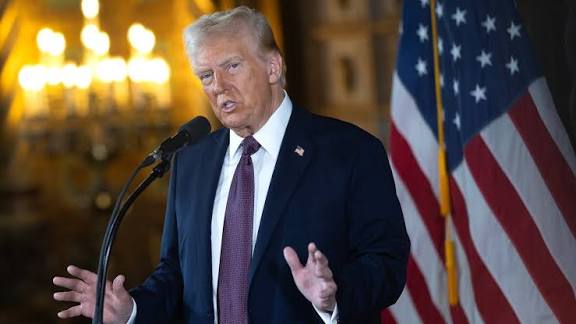
The latest warning comes against a background of repeated threats and diplomatic efforts aimed at preventing another round of fighting. The United States has not launched a new major attack on Iran since September 1, according to reporting by The Times of Israel. President Donald Trump has maintained that Washington retains military options if it believes American security interests or its objectives concerning Iran’s nuclear program are threatened.
The White House has not confirmed plans for another attack. When asked about reports that Washington had warned Gulf allies to prepare for possible strikes against Iran, a White House official told MSNOW that the administration did not comment on sensitive military plans that may or may not exist. The official said Trump continued to keep all options available to ensure that Iran would not obtain a nuclear weapon.
Reports of possible renewed strikes have nevertheless increased concern among regional governments. The Times of Israel reported on October 31, citing MSNOW and three senior Gulf Arab officials familiar with the discussions, that Washington had warned Gulf allies to prepare for the possibility of new strikes as early as November 4. The report described the potential operations as brief but intense and said Gulf governments were pressing for de-escalation because of the risk of Iranian retaliation.
Those reports did not establish that a new attack had been authorized or that the United States had made a final decision to resume military operations. The White House declined to confirm the reported plans, and the possibility of military action remained part of a broader period of uncertainty involving diplomatic negotiations and regional security concerns.
Iran has continued to insist that any agreement must address its demands, including the American blockade of Iranian ports and the restrictions affecting the Strait of Hormuz. The waterway is a major route for international oil and gas shipments, and the restrictions have affected commercial shipping and energy markets. Tehran has sought to use its influence over access to the strait as part of its negotiating position, while Washington has maintained its own maritime measures against traffic entering and leaving Iranian ports.
The dispute over Hormuz is connected to the wider confrontation because Iran views the American blockade as an economic and security measure directed against the country. The United States, meanwhile, has described its restrictions as an effort to limit maritime traffic connected to Iranian ports. Any renewed military exchange could therefore involve not only direct attacks on military facilities but also further disruption to shipping, energy exports and commercial activity across the Gulf.
Regional governments concerned about retaliation
Iran’s warning has implications for Gulf countries that host American military facilities or maintain close security relationships with Washington. Several countries in the region have sought to avoid being drawn directly into the confrontation, particularly because Iranian retaliation could affect their infrastructure, energy facilities and commercial shipping routes.
American forces operate from a network of bases and military facilities across the Gulf and the wider Middle East. These installations support air operations, naval activity, logistics, intelligence and regional security missions. Their presence has long been a source of tension between Iran and neighboring governments that host US personnel, with Tehran frequently arguing that foreign military bases contribute to insecurity in the region.
If Iran were to attack American facilities in countries that host US forces, those governments could face difficult decisions about how to respond. Even if a strike were directed at an American installation rather than the host country’s military, damage to nearby infrastructure, civilian areas or national facilities could create pressure for retaliation and complicate relations with Tehran.
Gulf governments have an interest in preventing that outcome. Their economies depend heavily on stable energy production, international investment, aviation, shipping and trade. A wider conflict could threaten those sectors and create uncertainty for businesses and foreign workers. The possibility of attacks on ports, airports, oil installations, gas facilities or military bases is therefore a major concern for regional governments.
The Times of Israel reported that Gulf states were pressing Washington to avoid renewed strikes because of fears that Iran would retaliate against targets in the region. One official cited in the report said some countries could oppose the use of their territory or military bases to launch attacks against Iran. The report did not identify all the governments involved or establish that any country had formally refused to allow American forces to use its facilities.
The position of Gulf governments is complicated by their security relationships with the United States. Several rely on American military cooperation and defense systems, while also maintaining diplomatic and economic relationships with Iran. Their preference for avoiding another war does not necessarily mean they would support Tehran if American forces were attacked. It reflects the risk that a conflict between two larger military powers could directly threaten their own security and economic interests.
Diplomacy continues despite military warnings
The warnings have been issued while regional intermediaries continue efforts to prevent another escalation. A Qatari delegation arrived in Tehran on October 30 for discussions with Iranian officials, according to The Times of Israel, following reports that Iran had received a letter from US Vice President JD Vance. Iranian media said Tehran had not yet responded to the letter at the time of that report.
Qatar has maintained communication channels with both Washington and Tehran and has previously played a role in regional mediation. Its involvement is important because direct negotiations between the United States and Iran have remained difficult, while the consequences of renewed fighting would extend across the Gulf and beyond.
Iranian Foreign Minister Abbas Araghchi has also issued warnings about the consequences of another attack. In a statement reported by The Times of Israel, he said Iran’s armed forces would respond against those who harmed the Iranian people. At the same time, Iranian officials have continued to refer to discussions involving proposals to reopen the Strait of Hormuz and address the American blockade.
Egypt has also expressed concern about the possibility of renewed fighting. Foreign Minister Badr Abdelatty said he was extremely worried that another round of escalation between Iran and the United States would be more destructive and have a significant impact. He made the remarks at the IISS Manama Dialogue security summit in Bahrain, where regional security and the consequences of the conflict were among the issues under discussion.
The diplomatic efforts face several unresolved disagreements. The United States has maintained that preventing Iran from obtaining a nuclear weapon is a central objective of its policy, while Tehran has rejected pressure it considers a threat to its sovereignty and has demanded changes to the sanctions and blockade arrangements. The two sides also disagree over regional security, military activity and the future of maritime access through Hormuz.
The military warnings may be intended partly to strengthen Iran’s negotiating position by raising the potential cost of another American operation. Tehran is signalling that a limited strike could lead to a wider response, potentially involving US interests in several countries. Washington must weigh that possibility against its own military objectives and the risks of exposing regional allies and American personnel to further attacks.
However, threats alone do not determine whether a conflict will resume. The decisions of political leaders, the progress of negotiations, military assessments and developments on the ground will all influence the next stage. The statements from Iranian officials establish the position Tehran wants its adversaries to consider, but they do not prove that either side has decided to restart a full-scale war.
The consequences of a wider confrontation
A renewed conflict could have consequences beyond the immediate military targets. The Gulf is central to international energy trade, and the Strait of Hormuz remains one of the most important routes for oil and liquefied natural gas shipments. Any further disruption could affect global energy prices, shipping insurance, trade costs and the economic outlook for countries dependent on imported fuel.
The risk would not be limited to energy markets. Military attacks involving bases in several countries could create diplomatic disputes, disrupt air travel and threaten civilian infrastructure. Governments might restrict access to airspace, increase security measures or reconsider the use of their territory for military operations. Companies operating in the region could face higher insurance costs and uncertainty about the safety of personnel and facilities.
The geographical expansion threatened by Iran also raises questions about the potential involvement of countries that are not direct participants in the conflict. A strike on an American facility located outside the Middle East could bring the host country under pressure to respond, even if it had not taken part in the original attack on Iran. Such a development could widen the confrontation politically and militarily.
There is also a risk that military escalation could undermine the diplomatic channels currently being used to prevent further fighting. If either side concludes that the other is preparing an imminent attack, it may become more difficult to sustain negotiations. The public exchange of threats can increase pressure on political leaders to demonstrate resolve, even when both governments face economic and security costs from a prolonged conflict.
For now, Akraminia’s statement represents a warning rather than confirmation of an imminent Iranian operation. The spokesperson has not identified specific targets, provided a timetable or announced that military action has been authorized. The broader claim that American assets could be targeted without geographical restrictions is intended to signal that Tehran would consider a wider range of responses if attacked again, but the practical reach of any such operation would depend on Iran’s military capabilities and the defenses of the countries involved.
The immediate question is whether diplomatic efforts can produce an arrangement that addresses the main disputes before another military confrontation begins. Washington has not publicly confirmed a decision to launch new strikes, while Tehran continues to warn that an attack would trigger a broader response. Regional governments remain concerned about the consequences for their security and economies, particularly if American bases on their territory become targets. Until the two sides reach a clearer understanding over the nuclear issue, maritime restrictions and regional security, the possibility of renewed fighting will remain a concern for governments across the Middle East and for countries hosting American military facilities elsewhere.