TRUMP CONSIDERS RENEWED MILITARY STRIKES AGAINST IRAN AS U.S. COMMANDERS PREPARE FOR POSSIBLE NEW OFFENSIVE
President Donald Trump is considering renewed military action against Iran after meetings with his national security team. U.S. Central Command is preparing contingency plans, but no new order has been issued. At the same time, Qatar and other regional governments are facilitating diplomatic contacts as Washington and Tehran consider proposals involving nuclear inspections, sanctions, frozen assets and the Strait of Hormuz.
President Donald Trump is considering whether to resume major military operations against Iran as his national security team evaluates Washington's next move in the eight-month conflict, with U.S. military commanders reportedly preparing for a possible new offensive while diplomatic efforts continue behind the scenes. The discussions have raised the prospect of another major escalation in the Middle East, particularly after Trump warned that the United States could inflict further destruction on Iran if he concludes that additional military action is necessary to prevent the country from restoring its nuclear capabilities.
Trump met with senior national security officials at the White House on Thursday, November 5, following another round of discussions on Wednesday, as his administration considered whether to launch a fresh wave of attacks against Iranian targets. The meetings come at a particularly sensitive moment for the president, whose administration is facing pressure to determine how the conflict should proceed following months of military confrontation, economic disruption and unsuccessful attempts to secure a lasting settlement. According to officials cited in reports from Washington, the president has not yet authorised a return to full-scale military operations, but the possibility is being actively considered.
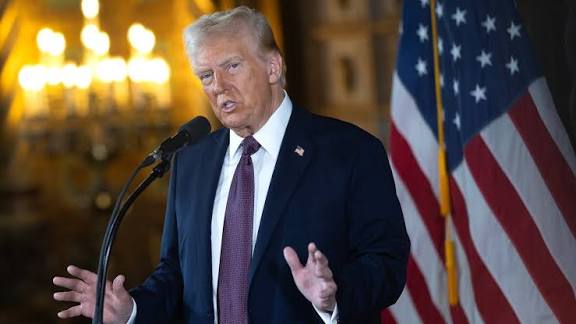
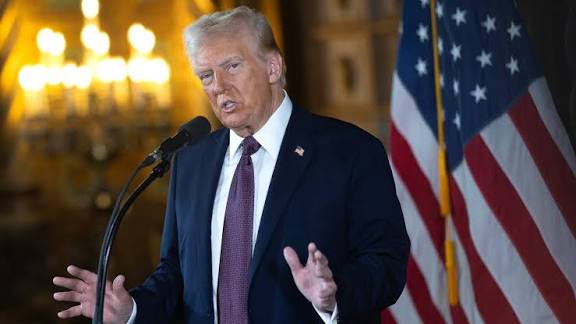
Speaking to reporters in the Oval Office after the latest meeting, Trump indicated that his administration was approaching a decision on whether to intensify the military campaign. He questioned whether the United States should conduct further strikes to ensure that Iran's nuclear programme could not be restored and warned that additional destruction remained possible if Tehran did not meet Washington's expectations. “Now we will make a decision: Do we want to go further and just certify it, by certifying it meaning it will never happen again?” Trump said. He then delivered a particularly serious warning about the potential consequences for Iran, adding, “I would rather not destroy the rest of the country if possible, but maybe I will have to. You'll know soon enough.”
The president's remarks suggest that Washington is weighing whether the military action already undertaken has achieved its objectives or whether another campaign would be required to prevent Iran from rebuilding the facilities and capabilities targeted during the conflict. Trump has repeatedly maintained that preventing Tehran from obtaining a nuclear weapon is a central objective of his administration's policy. However, the question now facing the White House is whether further military action would produce a lasting strategic outcome or create another phase of fighting with consequences that could extend well beyond Iran's borders.
Behind the public warnings, the United States military is reportedly making preparations for a possible resumption of major combat operations. U.S. Central Command, which oversees American military activities across the Middle East, is said to be finalising contingency plans for a potential new operation. A U.S. official cited in the reporting said, however, that CENTCOM had not received a new directive from Washington authorising the resumption of major operations. That distinction is important because military planning can take place without a final presidential decision to launch an attack. The preparations indicate that the military is positioning itself to respond if ordered, rather than confirming that a new offensive has already been approved.
One development being closely watched is the possible arrival of another American aircraft carrier strike group in the Middle East. The USS Theodore Roosevelt and its accompanying vessels are expected to make a port call in Singapore before continuing their deployment. According to reporting by Axios, the carrier group is not expected to reach the area of responsibility of U.S. Central Command before the middle of November. Its eventual arrival could provide Washington with additional military options, although the movement of a carrier does not, by itself, establish that an attack has been ordered or that one is imminent.
The military discussions are unfolding against the background of a conflict that began in February with U.S. and Israeli military action against Iran. The campaign has involved attacks on Iranian military and nuclear-related infrastructure, while Tehran has continued to challenge American and allied interests in the region. Washington has argued that its operations are intended to prevent Iran from developing a nuclear weapon and to reduce the country's ability to threaten American forces and regional partners. Iranian authorities, meanwhile, have condemned the attacks, maintained their right to defend the country and rejected the idea that Tehran should accept Washington's demands without significant concessions.
The nuclear issue remains at the centre of the confrontation because the United States wants assurances that Iran cannot rebuild its nuclear programme in a way that could eventually enable it to develop a nuclear weapon. The destruction or damage of facilities does not necessarily settle the wider question of Iran's nuclear capabilities, particularly when questions remain about enriched uranium, access for international inspectors and the ability to monitor activities at affected sites. Any future agreement would therefore need to address not only the physical condition of nuclear facilities but also verification arrangements, the country's stockpile of enriched uranium and the role of the International Atomic Energy Agency.
While military preparations continue, diplomatic activity has intensified. Iranian Foreign Minister Abbas Araghchi held several telephone conversations on Thursday with regional counterparts and mediators, including representatives from Qatar, Saudi Arabia, Turkey, the United Arab Emirates, Oman and Egypt. Qatar has been playing a particularly important role in maintaining communication between Washington and Tehran, with discussions reportedly continuing over a proposal designed to create conditions for a broader agreement. The diplomatic contacts demonstrate that neither side has completely abandoned the possibility of negotiations, even as the United States maintains military pressure.
The proposal being discussed through Qatari intermediaries reportedly involves a sequence of confidence-building measures over two days. Under the reported framework, the United States would first lift its naval blockade and release some frozen Iranian funds, while Iran would formally invite the International Atomic Energy Agency to send inspectors to nuclear sites damaged during the conflict. The proposal also refers to an earlier understanding reached in Cairo. On the second day, the Strait of Hormuz would be reopened, after which negotiations over Iran's nuclear programme, including its stockpile of highly enriched uranium, would resume. These details have been attributed to regional sources familiar with the discussions, and there is no confirmation that Washington and Tehran have accepted the proposed arrangement.
Iranian officials have also made clear that Tehran is not prepared to enter negotiations without addressing what it considers essential conditions. The secretary of Iran's Supreme National Security Council, Mohsen Rezaei, travelled to Moscow on Thursday and met Russian President Vladimir Putin. Rezaei said he delivered a message from Iran's Supreme Leader, Mojtaba Khamenei, and discussed the possibility of Russian assistance in ending the conflict. He also indicated that Iran had presented seven conditions to the United States and would not agree to reopen the Strait of Hormuz or resume negotiations until those demands were addressed. Russia's involvement adds another diplomatic dimension to the crisis, particularly given Moscow's longstanding relationship with Tehran and its interest in developments affecting regional security and international energy markets.
The Strait of Hormuz is one of the most strategically important waterways in the world because of the volume of oil and gas shipments that pass through it. Any prolonged disruption to commercial shipping could affect energy supplies, increase transportation costs and place additional pressure on countries that depend heavily on imported fuel. The waterway has already become a central issue in the confrontation, with the American naval blockade and Iran's restrictions and threats affecting the calculations of governments and shipping operators. Reports on Thursday also indicated that two tankers and a tugboat caught fire in the Strait, with Iranian authorities saying at least one incident involved a vessel striking an Iranian undersea mine. Such developments underline the risks facing commercial shipping while the military and diplomatic standoff remains unresolved.
The potential consequences of renewed American strikes would not be limited to the immediate targets inside Iran. A broader operation could prompt retaliation against American military installations, regional partners or commercial shipping routes, potentially drawing additional countries into the confrontation. Iraq has already reiterated its position that its territory must not be used as a launchpad for military action against neighbouring states. Following a telephone conversation with Trump, Iraqi Prime Minister Ali Faleh Al-Zaidi stressed the importance of respecting national sovereignty and preventing Iraqi territory from being used to attack other countries. The statement reflects the concerns of governments in the region that a renewed offensive could place them under pressure to choose sides or expose them to retaliation.
The conflict is also becoming a significant domestic political issue in the United States. The November 3 midterm elections have altered the political environment in which Trump must make his next decision. Vice President JD Vance has acknowledged that the war contributed to the Republican Party's losses, while Trump has continued to defend the decision to use military force against Iran. The president has maintained that preventing Tehran from obtaining a nuclear weapon justified the campaign, even as the administration faces questions about its duration, cost and wider consequences. The election results do not automatically determine the direction of military policy, but they have added another consideration to the debate over whether the United States should escalate, maintain pressure or pursue a negotiated settlement.
There are therefore several possible paths available to the White House. Trump could authorise additional strikes against Iranian military or nuclear-related facilities, continue the naval blockade and economic pressure while avoiding a major new offensive, or use the current diplomatic contacts to pursue an agreement involving nuclear inspections, shipping arrangements and sanctions-related concessions. Each option carries different risks. Renewed strikes could increase pressure on Tehran but also provoke retaliation and prolong the conflict. Continuing the blockade could maintain economic leverage while leaving the confrontation unresolved. A diplomatic agreement could reduce the immediate threat of further fighting, but its success would depend on whether both governments were prepared to accept verification arrangements and compromises on issues they have publicly described as fundamental.
For now, the United States has not announced an order to resume major military operations against Iran. The White House meetings, Trump's warning and the reported preparations by Central Command show that a new offensive remains under consideration, but they do not establish that a final decision has been made. With diplomatic channels still active, regional governments expressing concern and American military forces preparing for possible developments, the next move from Washington could determine whether the conflict enters another phase of major combat or whether negotiations have another opportunity to prevent a wider regional escalation.