TRUMP CONFIRMS NEW US STRIKES ON IRAN’S QESHM ISLAND AS HE CLAIMS PROGRESS IN PEACE TALKS
President Donald Trump has confirmed fresh US strikes against Iranian air-defence targets on Qeshm Island, describing the attacks as minor while claiming that Washington is making progress in negotiations with Tehran. The strikes follow Republican losses in the US midterm elections and come as Qatar continues diplomatic efforts to prevent a renewed escalation of the conflict.
WASHINGTON, November 6, 2026 President Donald Trump has confirmed that the United States carried out fresh military strikes against Iranian targets on Friday, describing the operation as a limited attack on air-defence equipment on Qeshm Island, even as he insisted that Washington was making significant progress in negotiations with Tehran.
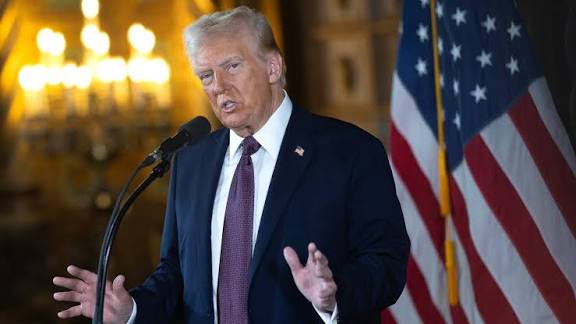
Speaking to reporters after arriving in West Palm Beach, Florida, Trump acknowledged the strikes and characterised them as minor, saying American forces had destroyed an Iranian anti-aircraft installation within minutes. His comments followed reports from Iranian state media of two explosions in the Suza area of Qeshm Island, a strategically important location in the Strait of Hormuz.
“We do minor strikes,” Trump told reporters, adding that Iranian forces had constructed an anti-aircraft device which the United States subsequently knocked out in what he described as an operation lasting approximately five to 15 minutes. Trump did not provide a detailed account of the weapons used, the precise military target or the extent of any damage.
The announcement marks a significant development in the continuing confrontation between Washington and Tehran, particularly because the latest attacks represent the first publicly reported US strikes against Iran since the Republican Party suffered major losses in Tuesday’s midterm elections. The electoral setback saw Republicans lose control of both chambers of Congress, creating a difficult political environment for the president as the conflict continues to affect American economic and foreign-policy priorities.
The war has become an increasingly contentious issue in the United States, with higher fuel costs and concerns about the economic consequences of prolonged military involvement contributing to voter dissatisfaction. Trump has blamed the conflict with Iran for his party’s electoral performance, while critics have questioned the administration’s handling of the war and its impact on American households.
Despite confirming the military action, Trump sought to present a more optimistic picture of diplomatic efforts, repeatedly telling reporters that discussions with Iran were continuing and that considerable progress had been made. He claimed Tehran wanted an agreement, although he did not disclose the specific terms under discussion or identify any breakthrough that would indicate an imminent settlement.
The diplomatic process has involved regional intermediaries, particularly Qatar, which has been working to bring the two sides closer to an agreement. Iranian officials have also indicated that proposals are being reviewed, but Tehran has maintained that any settlement must address its demands, including the lifting of the US naval blockade, sanctions relief, the release of frozen Iranian assets and an end to hostilities.
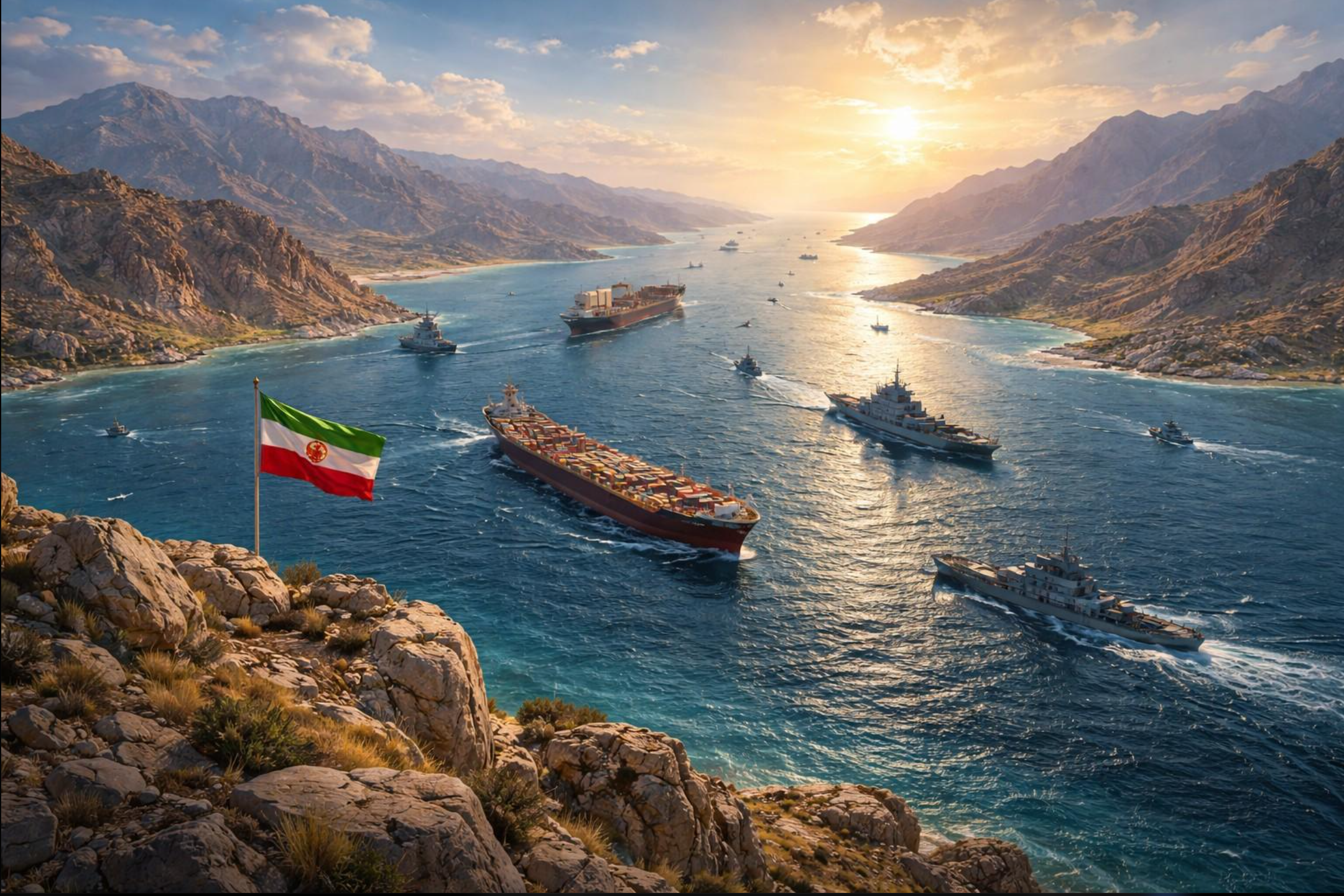
One of the most important issues in the negotiations is the Strait of Hormuz, a critical international shipping route through which a substantial share of the world's oil supply normally passes. The conflict and restrictions on maritime traffic have disrupted energy markets and raised concerns about the cost of fuel, shipping and other essential commodities. Any agreement that restores stability to the waterway could therefore have consequences well beyond the immediate military confrontation.
Iranian state media reported that explosions were heard in the Suza area of Qeshm Island on Friday. Iranian authorities also said their air-defence forces had intercepted and destroyed an American MQ-9 drone over the island. The claims have not been independently established in the available reporting, and the United States has not publicly provided a full operational account of the reported drone incident.
The latest developments also follow another round of US military action earlier in the week. American officials described Monday's strikes near the Strait of Hormuz as defensive operations carried out after Iranian forces allegedly fired at a US aircraft. Those attacks reportedly involved targets on or around Qeshm Island and came as Washington and Tehran were attempting to prevent the conflict from escalating again.
The renewed military activity has raised questions about whether the diplomatic process can produce a lasting agreement while both countries continue to exchange military threats and maintain pressure on one another. Trump has alternated between expressing confidence that a deal is close and warning that the United States could resume much larger military operations if negotiations fail.
Iran, meanwhile, has continued to insist that it will not accept an agreement that leaves its core demands unresolved. Tehran has also warned that it reserves the right to defend itself against further American attacks. These positions suggest that, despite Trump's public optimism, major differences remain between the two governments.
For Washington, the challenge is now both military and political. The administration must manage the continuing confrontation, protect American interests in the Gulf and pursue an agreement that can address Iran's nuclear programme and regional activities. At the same time, the Republican losses in the midterm elections have increased scrutiny of the president's decisions and the domestic consequences of the conflict.
Trump's confirmation of the Qeshm Island strikes therefore comes at a delicate moment. His administration is publicly signalling that negotiations are advancing, but the latest military action demonstrates that the confrontation has not ended. Whether the renewed diplomatic efforts can prevent another major escalation will depend on the proposals being considered by both sides and their willingness to make concessions in the coming days.