IRAQ WARNS EXTERNAL ACTORS ARE USING ITS TERRITORY TO LAUNCH ATTACKS AGAINST NEIGHBOURS
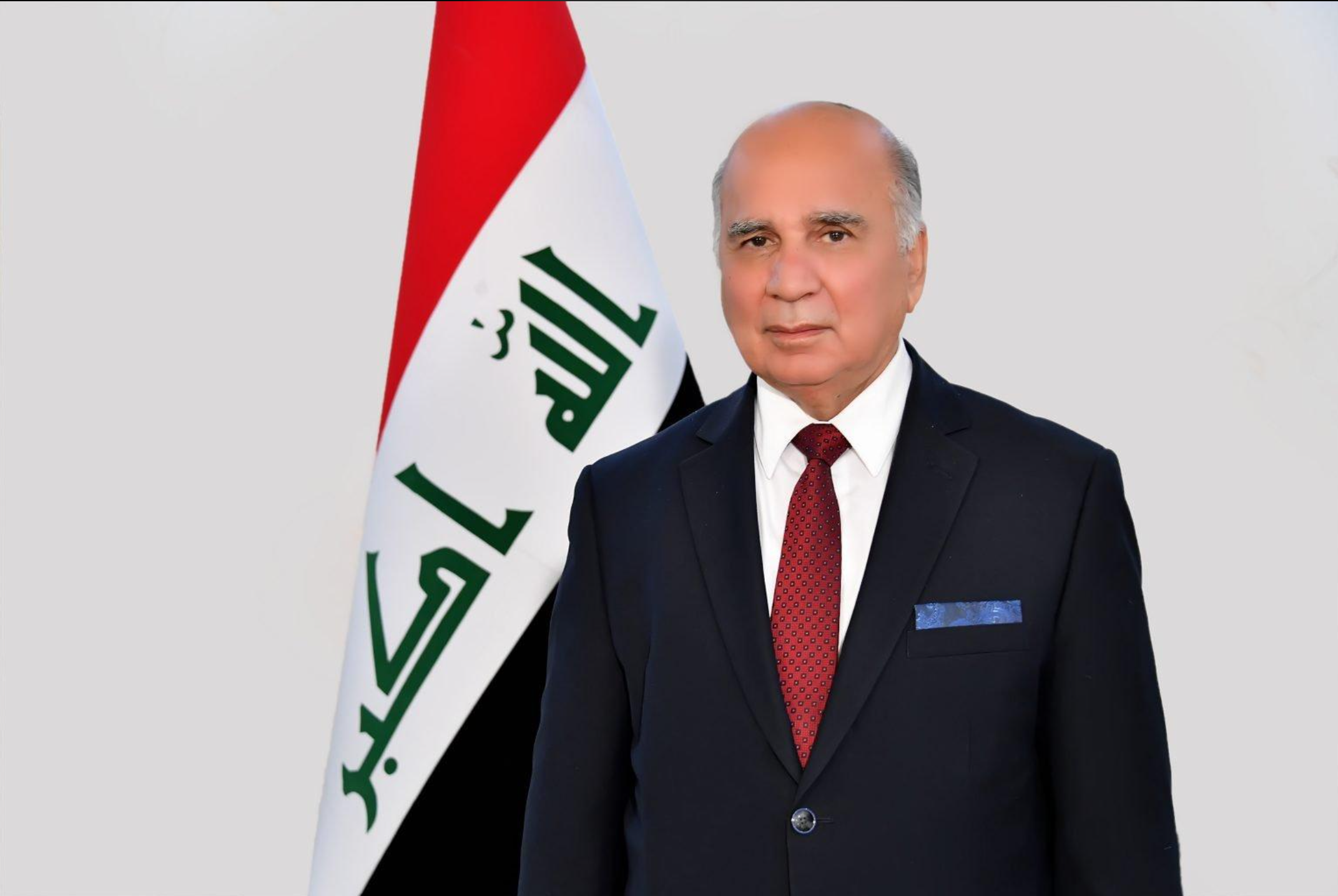
Iraqi Foreign Minister Fuad Hussein says Baghdad has information that external parties are using Iraqi territory to launch attacks against neighbouring countries. The warning comes amid Gulf accusations, confirmed attacks originating from Iraq and growing regional tensions involving Iran and the United States.
BAGHDAD, November 7, 2026 Iraq has information indicating that external parties are using its territory to launch attacks against neighbouring countries, Foreign Minister Fuad Hussein has said, highlighting growing concerns in Baghdad over armed groups operating within the country and the risk of Iraq being drawn further into regional conflicts. His remarks come as the Iraqi government faces pressure from neighbouring states to prevent cross-border attacks and demonstrate greater control over armed factions operating on its soil.
Hussein's warning underscores a difficult security and diplomatic challenge for Iraq, which has repeatedly declared that its territory must not become a launching ground for attacks against other countries. The government has maintained that it supports the sovereignty and security of neighbouring states, but the presence of powerful armed groups and the wider confrontation involving Iran, the United States and regional actors have complicated efforts to enforce that position.
The issue has become particularly sensitive following accusations by Gulf countries that armed groups operating from Iraqi territory have carried out drone and missile attacks against targets in their territories. Saudi Arabia and the United Arab Emirates have raised concerns about attacks affecting energy infrastructure and other strategic facilities, putting pressure on Baghdad to investigate the incidents and prevent further operations.
In September, the Iraqi government acknowledged that a drone attack targeting Saudi Arabia had been launched from a location in Maysan province in southern Iraq. The confirmation followed Saudi reports that drones originating from Iraqi territory had struck the kingdom's East-West oil pipeline, causing casualties and material damage. Prime Minister Ali al-Zaidi ordered an investigation and the removal of the commander of the Maysan Operations Command after the government confirmed the launch location.
The incident represented an important development in the dispute because Baghdad had previously faced allegations from Saudi Arabia and other Gulf states over attacks originating from Iraqi territory. The Iraqi government condemned the assault and sought to reassure Riyadh that it would take action against those responsible. Saudi Arabia subsequently indicated that it would give Baghdad an opportunity to address the problem rather than immediately retaliate.
The accusations have not been limited to Saudi Arabia. In May, the United Arab Emirates said investigations into drone attacks targeting the Barakah nuclear power plant had established that the aircraft originated from Iraqi territory. Abu Dhabi reported that three drones had targeted the facility, with two intercepted and another striking an electrical generator outside the plant's inner perimeter. The UAE called on Baghdad to prevent further attacks from being launched from its territory.
Saudi authorities also reported that drones had entered the kingdom's airspace from Iraq in May. These incidents prompted renewed diplomatic engagement between Baghdad and Gulf capitals, with Iraqi officials insisting that the country's constitution and government policy prohibit the use of Iraqi territory to threaten other states.
Hussein has previously reiterated that position in diplomatic discussions. During a meeting with British Ambassador to Iraq Irfan Siddiq and British Consul General Holly Vere in Baghdad on October 21, the foreign minister said Iraq's constitution and government policy prohibited the use of its territory for armed activities targeting other countries or threatening their security and stability. He said the government was working within the legal and constitutional framework to address the issue while protecting Iraq's sovereignty.
The foreign minister's latest warning comes amid a wider regional conflict that has placed Iraq in a particularly difficult position. The country shares a long border with Iran and maintains important political, economic and security relationships with both Tehran and Washington. However, the presence of armed factions aligned with Iran has repeatedly complicated Baghdad's efforts to maintain a neutral position during confrontations involving the two countries.
Since the outbreak of the US-Israeli war against Iran in February 2026, Iraq has faced attacks and security incidents involving several parties to the conflict. Iran-aligned Iraqi armed groups have claimed operations against targets they describe as linked to the United States and its regional allies, while US and Iranian military activity has also affected Iraqi territory. The government has repeatedly warned that allowing the country to become an operational base for competing forces could expose its population and economy to further consequences.
Prime Minister al-Zaidi has made preventing the use of Iraqi territory for attacks against neighbouring countries a central part of his government's stated security position. During a telephone conversation with US President Donald Trump on November 5, al-Zaidi reaffirmed that Baghdad would not allow Iraqi territory to be used as a launching point for attacks against other states. His office said the discussion covered regional security, diplomatic efforts and the need to prevent the conflict from spreading.
The conversation took place as Washington considered its next steps in the confrontation with Iran. Al-Zaidi emphasised the importance of respecting state sovereignty and pursuing diplomatic solutions, reflecting Baghdad's concern that a renewed escalation could draw Iraq into a conflict it has repeatedly said it wants to avoid.
Hussein has also warned Iraqi armed groups against becoming involved in any further confrontation between Iran and the United States. Speaking to Dijlah TV on November 5, he described the possibility of renewed American military strikes against Iran as a serious concern and cautioned that dragging Iraqi society into the conflict would be disastrous. He said neither the Iraqi population nor the country's armed forces were prepared for another war.
The minister said Iraq had already experienced the consequences of the conflict, with its territory becoming exposed to attacks from different sides. He stressed that Baghdad did not want to become part of any regional military alliance or allow its territory to serve as a battlefield for competing powers. Hussein also pointed to Iraq's relations with both Washington and Tehran, arguing that the country needed a clear policy that would keep it out of the confrontation.
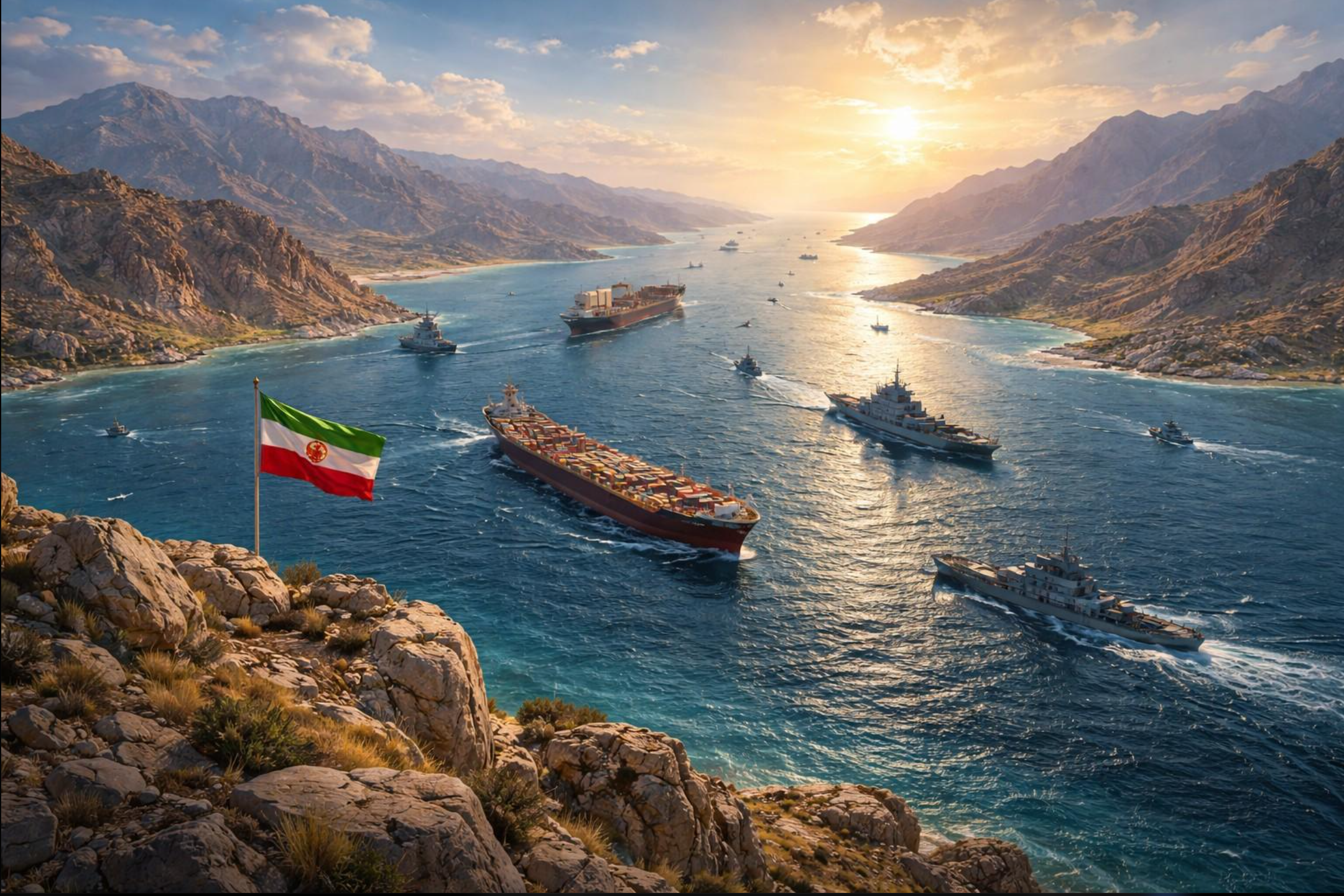
The economic consequences have added urgency to the government's efforts to prevent further escalation. Iraq relies heavily on oil exports, with a substantial proportion of its normal shipments passing through the Strait of Hormuz. The disruption to maritime traffic following the conflict has severely affected the country's ability to export crude oil and generate revenue. Al Jazeera reported that Iraq had lost more than $60 billion in oil revenue since the war began, with oil accounting for approximately 90 per cent of the federal budget.
The situation has exposed the vulnerability of Iraq's economy to regional instability. Any further attacks against neighbouring countries launched from Iraqi territory could increase diplomatic pressure, threaten trade and energy relationships, and create the possibility of retaliation against facilities or armed groups inside Iraq. For a country still dealing with the long-term consequences of previous wars and internal instability, another major regional confrontation could have serious security and economic implications.
The Iraqi government has repeatedly promised to bring weapons under state control and prevent armed factions from independently conducting military operations. However, implementing that policy remains difficult because some of the groups involved have significant political influence, military capabilities and links to wider regional networks. Several factions are also connected to the Popular Mobilization Forces, a state-recognised security structure whose relationship with independent armed formations has remained a contentious issue in Iraqi politics.
The government has therefore faced a gap between its diplomatic commitments and its ability to prevent every armed operation originating within its borders. Neighbouring countries want Baghdad to demonstrate that its assurances can translate into effective action, while Iraqi officials have to balance security enforcement with domestic political considerations and the risk of provoking further confrontation among armed groups.
For now, Hussein's warning signals that Baghdad recognises the seriousness of the problem and the need to prevent external actors from exploiting Iraqi territory. The government faces growing expectations to investigate reported launch sites, identify those responsible and strengthen security arrangements along its borders and within areas where armed factions operate.
The challenge will be whether Iraq can turn its repeated commitments into practical measures capable of preventing further attacks. With Gulf countries demanding stronger guarantees, the United States maintaining pressure on Baghdad and tensions involving Iran continuing to threaten regional stability, the Iraqi government faces a difficult task in protecting its sovereignty while avoiding deeper involvement in the conflict.