SENATE DONATES ₦100 MILLION TO FLAMINGOS AFTER HISTORIC WORLD CUP TRIUMPH
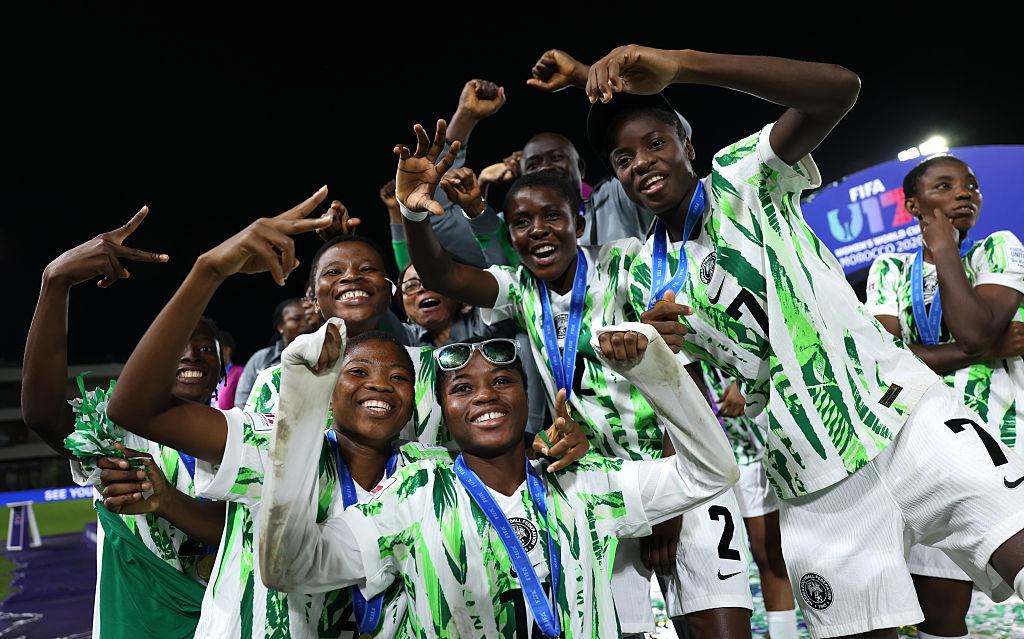
The Nigerian Senate has announced a ₦100 million reward for the Flamingos after Nigeria defeated Japan 2 to 1 to win the 2026 FIFA Under 17 Women’s World Cup in Morocco. The triumph made Nigeria the first African country to win the competition. Senate President Godswill Akpabio announced the donation during plenary after a motion by Senator Abdul Ningi and urged the Federal Government and Nigeria Football Federation to reward the players and preserve the squad for future competitions.
The Nigerian Senate has announced a ₦100 million reward for the Flamingos after the country’s Under 17 women’s national team made history by winning the FIFA Under 17 Women’s World Cup in Morocco, becoming the first African nation to lift the trophy. Senate President Godswill Akpabio announced the donation during plenary on Tuesday as lawmakers celebrated the team’s 2 to 1 victory over Japan in the final in Rabat and called on the Federal Government to ensure the players receive wider national recognition and financial support for an achievement that has placed Nigeria at the top of global youth women’s football.
The donation followed a motion moved by Senator Abdul Ningi, chairman of the Senate Committee on Sports, who described the Flamingos’ victory as one of the most important achievements by a Nigerian national football team in recent years. Ningi told lawmakers that the young players had exceeded expectations and achieved what several other national teams had struggled to accomplish on the world stage. He also raised concern about what he described as insufficient publicity and recognition for the team, arguing that the players deserved to be celebrated across the country for bringing honor to Nigeria and making history for African football.
Akpabio said the Senate wanted to go beyond congratulatory words and provide a direct financial reward for the players. He announced that the National Assembly would make ₦100 million available to the team and said the money should be released immediately. He also urged wealthy Nigerians, private companies and philanthropists to support the players, arguing that financial recognition would encourage the young footballers and send a message to other aspiring athletes that excellence at the highest level can be rewarded.
The Senate President described the triumph as a major achievement not only for Nigeria but for Africa, particularly because the Flamingos defeated some of the strongest youth football nations in the tournament. Nigeria’s path to the title included victories over defending champions Korea DPR, Mexico, Venezuela, Brazil and Japan, with the team recovering impressively after losing its opening group match to Poland. Akpabio said the result demonstrated the quality available in Nigerian youth football and argued that the players should be kept together and developed instead of being allowed to disappear from the national system after the tournament.
The final against Japan was decided by goals from Awawu Bashiru and Oluebube Umejiaku. Bashiru opened the scoring in the 39th minute before Umejiaku doubled Nigeria’s advantage shortly after the start of the second half, producing a composed finish that ultimately became the decisive goal. Japan pulled one back in the 80th minute through Fuki Ito, but Nigeria held firm through the closing stages to secure a 2 to 1 victory at the Mohammed VI Football Complex and complete the most successful campaign in the history of the Flamingos.
The victory represented a dramatic turnaround after Nigeria began the tournament with a 2 to 1 defeat to Poland. Rather than allowing that opening loss to derail their campaign, the Flamingos responded by putting together a sustained winning run that took them all the way to the title. They defeated Puerto Rico and defending champions Korea DPR to progress from the group before overcoming Mexico in the round of 16, Venezuela in the quarterfinals and Brazil in the semifinals. The win over Japan completed a sequence that made Nigeria the first team in the history of the competition to lose its opening match and still go on to win the trophy.
Nigeria’s 3 to 1 semifinal victory over Brazil was particularly significant because it secured the country’s first appearance in the final of the Under 17 Women’s World Cup. Before the 2026 tournament, Nigeria’s best result had been third place in 2022, when the Flamingos defeated Germany on penalties in the bronze medal match. The latest triumph therefore represented a major step forward from being a regular participant and occasional semifinalist to becoming world champions.
The success also carried wider significance for African football. No African country had previously won the FIFA Under 17 Women’s World Cup, making Nigeria’s victory the first title for the continent in the history of the competition. That achievement placed the Flamingos alongside Nigeria’s long tradition of success in men’s youth football, where the country has enjoyed multiple FIFA Under 17 World Cup triumphs. Nigeria has now become the first African nation to win FIFA Under 17 world titles in both men’s and women’s football, adding another important milestone to the country’s sporting record.
Senator Adams Oshiomhole, who seconded Ningi’s motion, praised the players for defeating Japan and described their victory as evidence of what Nigerian youths can accomplish when they are given the right opportunity and support. He urged Nigerians to celebrate national achievements more deliberately rather than focusing mainly on failures and political disagreements. Oshiomhole also called for financial assistance that could support the players’ education, noting that many members of the squad are still young enough to combine football development with schooling and would benefit from long term support beyond immediate cash rewards.
The Senate also congratulated President Bola Tinubu, Nigerians, the Nigeria Football Federation and National Sports Commission Chairman Shehu Dikko for the roles they played in supporting the team. Lawmakers urged the Federal Government to ensure the players receive adequate rewards and to use the victory as an opportunity to strengthen investment in youth and women’s football. The Senate’s position was that the achievement should not end with ceremonies and congratulations but should lead to concrete measures that help the players continue developing at club and national team level.
Akpabio specifically called on the Nigeria Football Federation to keep the core of the squad together and create a clear development pathway for the players. His argument reflected a recurring problem in Nigerian football, where successful youth teams have sometimes struggled to transition into senior national sides because players lose access to structured development, regular competition or adequate support after major tournaments. The Senate President said preserving the group and continuing their training could allow Nigeria to benefit from the same players at Under 20 and eventually senior level.
That recommendation is particularly relevant because youth success does not automatically translate into senior international achievement. Players often face major changes in physical development, club competition and tactical demands as they move through age categories. Countries with strong women’s football systems generally maintain structured pathways that allow talented players to progress from youth national teams into professional clubs and eventually the senior national side. Nigeria’s ability to build such a pathway around the Flamingos could determine whether the 2026 triumph becomes the beginning of a new generation or remains an isolated youth tournament success.
The team’s preparation before the World Cup had already suggested that Nigeria possessed a strong group of young players. The Flamingos won the 2026 WAFU B Under 17 Girls Cup in Côte d’Ivoire before travelling to Morocco, winning all five matches and scoring 17 goals while conceding only once. That regional performance gave the squad momentum and competitive confidence before the World Cup, although few observers expected them to recover from their opening defeat in Morocco and eventually defeat several of the tournament’s most highly rated teams.
Their resilience became one of the defining features of the campaign. The defeat to Poland could have created pressure within a young squad, but Nigeria responded by improving defensively and becoming more clinical in attack. Victories over Korea DPR and Brazil were especially important because both teams had strong records in youth women’s football, while the final against Japan tested Nigeria’s ability to protect a lead under sustained pressure. Japan dominated parts of the closing stages after pulling a goal back, but the Flamingos remained organized and avoided the defensive collapse that can sometimes follow late goals in major finals.
Umejiaku emerged as one of the standout players in the final and was named Player of the Match after scoring Nigeria’s second goal. Her finish came after she controlled a long pass before lifting the ball over the Japanese goalkeeper, giving Nigeria a two goal cushion early in the second half. Bashiru’s opening goal had already shifted the momentum in Nigeria’s favor late in the first half, and together the two strikes provided enough advantage to withstand Japan’s late response.
The Senate’s ₦100 million donation now adds a financial dimension to the national celebration. How the money will be distributed among players, coaches and support staff has not yet been publicly detailed, but lawmakers made clear that the purpose is to recognize the achievement and encourage the team. Akpabio said the reward should be immediate, suggesting that the Senate wants to avoid delays that have sometimes accompanied promises made to Nigerian athletes after international victories.
The Federal Government is also under pressure to announce its own reward package. Nigerian governments have traditionally offered cash, national honors, housing or other benefits to teams that win major international tournaments, particularly when the achievement is considered historic. The Senate’s motion specifically urged the government to reward the Flamingos adequately, meaning attention will now turn to whether the presidency and sports authorities announce additional support for the squad.
There is also growing debate about how Nigerian women’s football is funded relative to the men’s game. The Flamingos’ success provides another example of Nigerian women’s teams performing strongly on the international stage despite persistent concerns about facilities, salaries, league development and investment. Supporters of women’s football argue that major victories should lead to structural improvements rather than only one time bonuses, particularly in youth development, domestic competitions and coaching.
The Nigerian Women Football League remains an important part of that pathway because many young players need regular competitive football after leaving youth national teams. Stronger clubs, better training facilities and more professional contracts can help ensure that talented teenagers continue improving instead of losing momentum after international tournaments. The success in Morocco gives football administrators a strong argument for increasing investment in the women’s game while public interest in the team is at its highest.
The victory also arrives at a time when Nigerian football supporters have experienced several disappointments across different national teams, making the Flamingos’ achievement especially significant. Ningi referred to that context while presenting his motion, saying the young players had restored pride and given Nigerians a reason to celebrate. His comments reflected the emotional importance of football in Nigeria, where major international results often become national events extending far beyond the sport itself.
For the players, the challenge now shifts from winning the World Cup to building careers capable of sustaining the promise they showed in Morocco. Some will likely attract attention from professional clubs inside and outside Nigeria, while others will continue their development through domestic academies and youth teams. Their progress will depend on good coaching, responsible representation, education and access to competitive football, particularly because players at this age can develop at very different rates.
The Nigeria Football Federation will therefore face pressure to monitor the squad carefully and avoid losing track of players who could eventually strengthen the Super Falcons. Maintaining regular camps, supporting transfers to appropriate clubs and coordinating with Under 20 coaches could help provide continuity as the players move into higher age categories. Akpabio’s call to keep the group together reflects that concern and recognizes that the value of the victory will be greater if Nigeria can convert youth champions into senior internationals.
The Flamingos’ triumph has already secured their place in Nigerian football history. They entered the tournament having never reached the final and left Morocco as world champions, the first African winners of the competition and the first Nigerian women’s national team to lift a FIFA world title at any level. The Senate’s ₦100 million reward is a recognition of that achievement, but the larger question will be whether the moment leads to sustained investment in the players and in the wider system that produced them.
For now, the immediate focus remains celebration. Nigeria’s young players recovered from an opening defeat, eliminated several major football nations and defeated Japan in the final to achieve something no African team had done before. The Senate has responded with a significant financial reward and a call for further government support, while football administrators now face the responsibility of ensuring that the success becomes the foundation for the next stage of the players’ development rather than simply another memorable chapter in the country’s long history of youth football achievement.