CBN TAKES FISCAL REPORTING DIGITAL ACROSS 36 STATES AND 774 LOCAL GOVERNMENTS

The Central Bank of Nigeria is digitalizing its Sub National Fiscal Survey across all 36 states, the Federal Capital Territory and 774 Local Government Areas as it moves away from a largely manual reporting system. The new platform is expected to improve the speed, accuracy and validation of fiscal information while supporting a transition from twice yearly reporting to quarterly submissions. The CBN says the improved data will give policymakers a clearer picture of government revenue, spending, financing needs, liquidity, borrowing conditions and inflation.
The Central Bank of Nigeria has begun moving fiscal data reporting across the country’s 36 states, the Federal Capital Territory and all 774 Local Government Areas onto a digital platform, replacing a largely manual system that officials say has made it harder to obtain timely and reliable information about government revenue, spending, borrowing and other public sector activities.
The initiative is being implemented through the CBN Statistics Department and is expected to give policymakers a much clearer and more current picture of what is happening across Nigeria’s public finances. For the central bank, the change is more than an administrative upgrade. The quality and speed of information coming from state and local governments can influence how policymakers understand inflation, liquidity, government borrowing, economic demand and broader pressures across the economy.
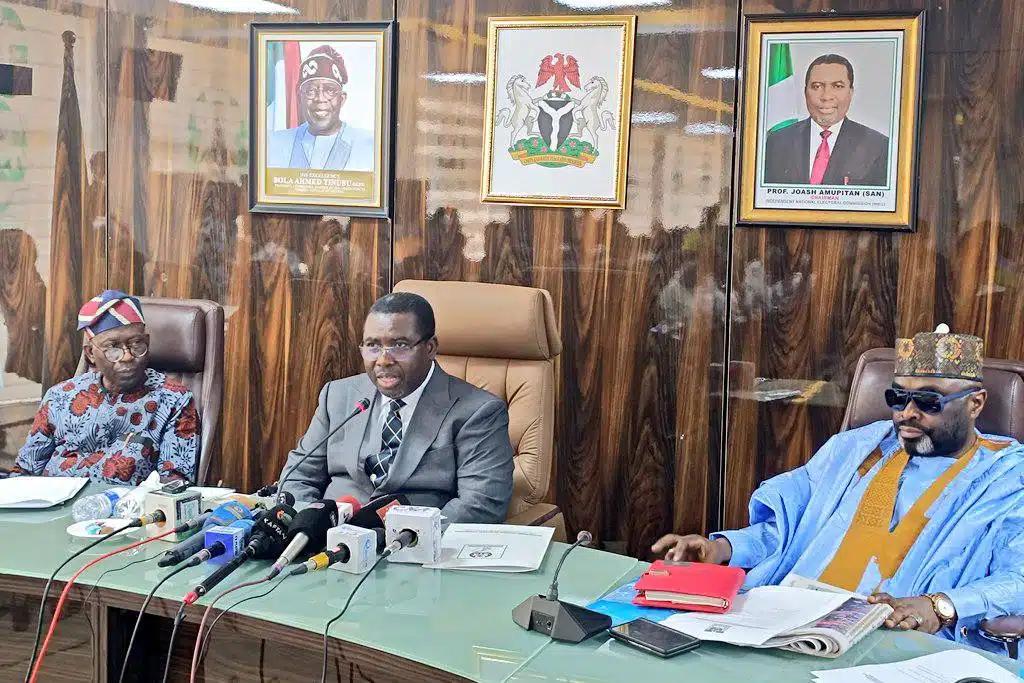
Director of the CBN Statistics Department Dr Usman Moses Okpanachi said during a recent stakeholder engagement in Abeokuta, Ogun State, that the reform is intended to strengthen the flow of information between government financial activities and the economic decisions made at the national level.
Reliable fiscal data allows policymakers to see how much governments are earning, how much they are spending, where financing gaps are developing and how much borrowing may be required to close those gaps. When such information arrives late or contains inconsistencies, it becomes more difficult to build an accurate picture of what is happening in the economy at any particular time.
That problem has become increasingly important as the CBN moves toward a monetary policy system that relies more heavily on current economic data when deciding how to respond to inflation and other pressures. A central bank trying to understand why prices are rising needs to know not only what consumers and businesses are doing but also how governments across the federation are spending money and raising funds.
State governments and local councils collectively control significant amounts of public spending. Their salary payments, infrastructure projects, contracts, borrowing and other expenses feed money into the economy and can affect consumer demand and liquidity. When spending rises sharply in several parts of the country at the same time, it can contribute to broader economic pressures that may eventually show up in inflation.
The CBN has therefore argued that better information from sub national governments can improve the quality of monetary policy decisions. Rather than relying on figures that arrive months after the transactions occurred, the bank wants a system capable of giving officials more regular information about developments across the country.
The existing Sub National Fiscal Survey has largely been conducted manually and only twice a year. According to the CBN, that arrangement has created several practical problems including delays in submissions, difficulties processing large amounts of information, challenges validating figures and the logistical burden of collecting returns from hundreds of government institutions.
Under the digital system, states and local governments will be able to submit information through a standardized platform. The system is expected to make it easier to identify inconsistencies, monitor submissions and trace corrections when figures need to be changed.
The CBN also plans to move from the current twice yearly reporting schedule toward quarterly submissions. That would give policymakers four sets of fiscal information each year instead of two, reducing the amount of time between government transactions and the moment those activities become visible in official economic statistics.
For an economy as large and diverse as Nigeria’s, the difference could be significant. Economic conditions can change quickly across the country and may not always move in the same direction. A state benefiting from stronger internally generated revenue may behave differently from another facing serious funding pressure. Local governments may also experience changes in allocations, payroll obligations or infrastructure spending that are difficult to capture quickly under a slow manual reporting system.
More frequent reporting could help the central bank identify these changes earlier and understand whether public spending is adding pressure to demand, affecting liquidity in the banking system or contributing to borrowing conditions.
Okpanachi said reliable fiscal statistics are critical to sound economic management because they allow governments to assess revenue performance, expenditure patterns, financing needs and emerging fiscal pressures. The same information helps monetary authorities understand how public sector activity is interacting with the wider economy.
The reform comes as the CBN strengthens what it describes as a forward looking and data dependent approach to monetary policy and moves toward a more explicit inflation targeting framework. Under such a system, the quality of economic information available to policymakers becomes particularly important because decisions on interest rates and other monetary tools depend heavily on evidence about where inflation is coming from and where it may be heading.
Nigeria has spent recent years dealing with severe inflationary pressures that have affected household purchasing power and increased costs for businesses. Monetary policymakers have repeatedly had to balance the need to contain inflation against concerns about borrowing costs, investment and economic growth.
Fiscal activity is an important part of that equation. When federal, state and local governments increase spending, particularly when that spending is financed through borrowing or large revenue inflows, more money can circulate through the economy. Depending on the circumstances, that can support growth but it can also increase demand at a time when the supply of goods and services is unable to keep pace.
Having timely information about those movements gives policymakers another tool for determining whether price pressures are coming from monetary conditions, government spending, supply shortages, exchange rate movements or a combination of several factors.
The digital initiative is also expected to help state and local governments themselves. Better organized fiscal records can support budgeting, planning and evaluation by making it easier for officials to compare revenue with expenditure and identify areas where actual performance differs from budget assumptions.
For local governments in particular, the change could improve visibility over a level of public finance that often receives less national scrutiny than federal and state budgets. Nigeria has 774 Local Government Areas, and bringing information from all of them into a more standardized system could provide a more detailed picture of how public funds are moving at the grassroots level.
The CBN has made clear, however, that technology alone will not guarantee accurate information. Okpanachi stressed that digital reporting cannot replace proper record keeping, reconciliation and professional judgment. A computer platform can identify certain inconsistencies or missing entries, but the quality of the information still depends on government institutions maintaining accurate financial records before they submit their returns.
State and local government authorities have therefore been asked to ensure that data is properly checked and reconciled before submission. They are also being encouraged to appoint designated officers responsible for the reporting process so that the system continues to function even when staff are transferred or replaced.
That issue of continuity is important in public institutions where changes in personnel can interrupt reporting processes or leave responsibilities unclear. By assigning specific officers to the system, the CBN hopes governments will maintain a consistent relationship with the platform and respond more quickly when corrections or additional information are required.
Training has become a major part of the rollout. The nationwide stakeholder engagement began on October 26 and is designed to teach fiscal officers from states and local governments how to use the digital questionnaire, understand validation requirements and carry out submission and correction procedures.
As of November 6, the CBN said officials in 16 states and their local governments had already participated in the program. The bank reported strong support from participating governments and said attendance reached 100 percent in almost all of the states visited.
The remaining state sessions are expected to be completed by December 4, while the Federal Capital Territory is scheduled for training on December 9 and 10.
Officials who participate in the sessions are expected to pass the knowledge to colleagues within their institutions and begin submitting returns through the digital platform. The CBN Statistics Department will then bring together the results of the implementation exercise and prepare a national report.
The bank says the success of the program will not simply be measured by whether states and councils log into the new system. Officials will be looking for evidence that returns become more complete, submissions arrive faster, figures are more consistent and validation improves.
Those measures will determine whether the reform actually solves the weaknesses identified in the manual system. A digital platform that receives incomplete or poorly reconciled information would offer limited improvement. The broader objective is therefore to change both the method of submission and the quality of the information being submitted.
The initiative also fits into a wider effort to improve coordination between Nigeria’s monetary and fiscal authorities. Decisions made by the CBN can affect government borrowing costs, credit conditions, inflation and the exchange rate, while decisions taken by federal and sub national governments can influence the amount of money circulating through the economy.
When those two sides of economic management operate with incomplete or delayed information, policy decisions can work against each other. More reliable fiscal statistics can help reduce that risk by giving monetary authorities a clearer understanding of government activity before major decisions are taken.
The move does not mean that the CBN will determine how state or local governments spend their money. Rather, the reporting system is intended to provide better economic information about those activities so that their wider effects can be understood.
For governors and local government officials, the same information can also support more realistic financial planning. Regular reporting can expose gaps between expected revenue and actual collections, show how quickly expenditure is rising and highlight areas where financing pressures are building.
The value of that information becomes particularly important at a time when Nigerian governments are managing significant changes in public revenue and expenditure. Greater allocations to sub national governments can create opportunities for infrastructure and public services, but they also increase the importance of knowing how those funds are entering the economy and where they are being used.
Nigeria’s economic management challenges have repeatedly shown that good policy depends heavily on good information. Inflation figures, employment data, government finances, trade statistics and banking information all shape decisions that eventually affect households and businesses.
The CBN’s digital fiscal reporting program is an attempt to close one of the gaps in that information system by making state and local government finances more visible and more frequently reported.
For ordinary Nigerians, the immediate effects may not be obvious because the initiative is largely concerned with how government institutions collect and submit financial information. Its importance lies in what policymakers can do with better data once it becomes available.
If the system works as intended, the central bank should have a clearer understanding of how government spending and borrowing are influencing inflation and liquidity. State and local governments should also have more consistent information to support budgeting and financial planning.
The challenge will be ensuring that all 36 states, the Federal Capital Territory and 774 Local Governments maintain accurate records and submit them on schedule. Nigeria’s size and the different levels of administrative capacity across government institutions mean implementation will require continued training, technical support and cooperation.
The CBN has said its branches and Statistics Department will continue providing that support as the new reporting system is introduced nationwide. The next important stage will come after the training exercise is completed and officials begin submitting fiscal returns through the platform.
The quality of those first rounds of digital submissions will provide an early indication of whether the initiative can deliver the faster and more dependable fiscal information the CBN is seeking. If it succeeds, the reform could give Nigerian policymakers something that has often been difficult to obtain at the sub national level, a timely and detailed view of how government money is moving through the economy and what that activity means for inflation, borrowing and the wider financial system.