
WE WILL WIN THE APPEAL, MARESCA BACKS MAN CITY AFTER GUILTY VERDICT, REJECTS CLAIM CLUB’S TITLES ARE TAINTED
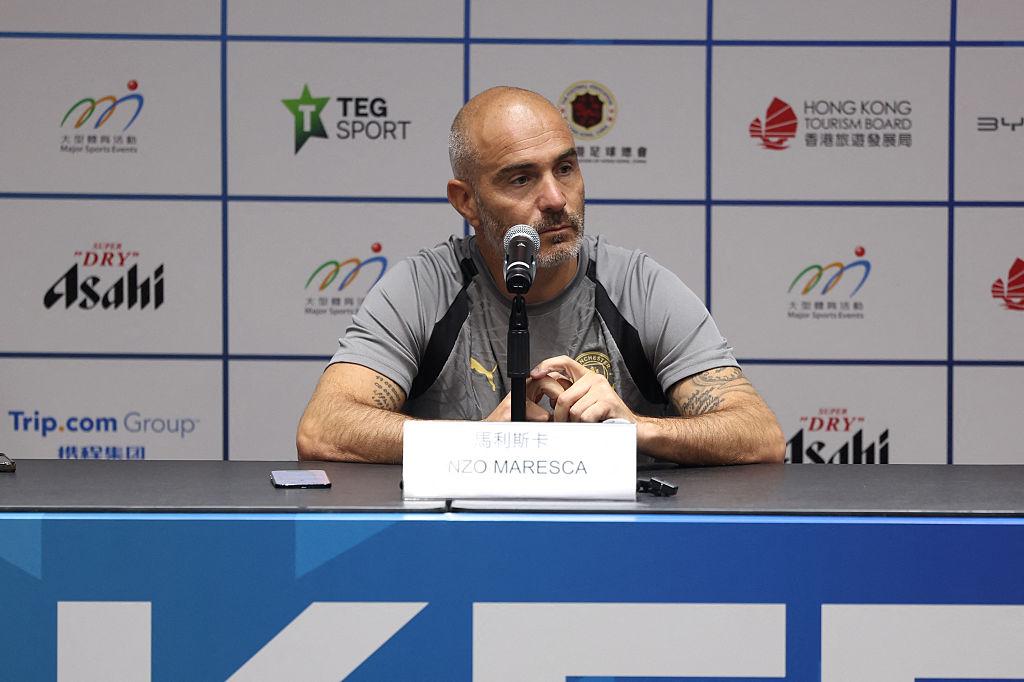
Manchester City manager Enzo Maresca says he has complete faith the club will win its appeal after an independent commission found City guilty of more than 100 breaches of Premier League financial rules. The commission concluded City used sham commercial arrangements to inflate revenue and reduce costs over nine seasons and also found multiple failures to cooperate with investigators. City denies wrongdoing and has appealed. No final sanction has yet been imposed, although possible penalties discussed include fines, major points deductions and potentially relegation. Maresca also rejected suggestions that City’s trophies, including the 2022-23 treble, should be considered tainted.
Manchester City manager Enzo Maresca has thrown his full support behind the club after an independent Premier League commission found City guilty of more than 100 breaches of financial rules, insisting he believes the champions will successfully overturn the verdict on appeal and rejecting suggestions that the club’s extraordinary trophy haul over the past 15 years should now be regarded as tainted. Speaking publicly at length about the case for the first time on Friday, Maresca said his confidence in City’s ownership and senior executives had not changed despite one of the most serious disciplinary findings in the history of English football.
The Italian, who returned to Manchester City as Pep Guardiola’s successor in June after previously serving on Guardiola’s coaching staff, said he had complete trust in the club and the people running it. Asked whether the scale of the verdict had changed his view of City or made him question the decision to take the job, Maresca said it had not. He maintained there was no other club where he would rather work and made clear that City’s appeal remains central to how he views the case.
“I completely trust the club,” Maresca said as he faced reporters ahead of City’s Premier League trip to Liverpool. He explained that his confidence comes from his personal experience with the organization and its leadership, adding that his familiarity with Manchester City from his earlier spell at the Etihad had helped shape his decision to return as manager. His comments represent one of the strongest public defenses of the club from a current City figure since the commission’s findings were formally announced.
The Premier League confirmed on September 29 that an independent commission had found Manchester City guilty of all charges relating to serious breaches of the league’s financial rules over a nine-season period between 2009-10 and 2017-18, as well as the majority of charges concerning failures to cooperate with the league’s investigation. The findings followed years of investigation and litigation surrounding City’s financial reporting, commercial sponsorships and compliance with both Premier League and UEFA spending regulations.
At the heart of the commission’s findings was the conclusion that City arranged what it described as “sham” contracts with commercial partners and relied on other sham arrangements that misrepresented the true nature of financial agreements. According to the Premier League, those arrangements were used to inflate the club’s reported commercial revenue and reduce costs, while the commission also concluded that City filed misstated accounts and concealed the true state of its finances from auditors and football regulators.
The sums involved are enormous even by modern football standards. Reporting on the commission’s findings has placed the financial misstatement and concealed funding at more than £900 million over the nine seasons under examination. Some analyses of the ruling put approximately £830 million of that figure in income that was allegedly presented as commercial revenue rather than owner-related funding. The commission’s findings, if ultimately upheld, would amount to a conclusion that City operated outside financial regulations on a scale unprecedented in English football.
Manchester City rejects that conclusion. The club filed a formal appeal on October 1, saying the commission’s opinion contained what it called clear material errors of law, principle and fact. City maintains that it is innocent of the accusations and says it possesses a comprehensive body of evidence supporting its position. The appeal will be heard privately by an independent appeal board, meaning the original findings remain subject to further legal scrutiny before the process is completed.
That appeal is why Maresca is refusing to accept that the case has permanently damaged City’s sporting legacy. Asked whether the club’s Premier League titles, domestic cups and historic 2022-23 treble had now been tainted by the guilty verdict, he rejected the suggestion outright. His position is that the players and coaches who delivered those trophies won them on the field and that the legal process has not finished because the club continues to challenge the commission’s conclusions.
Maresca has a particularly personal connection to the 2022-23 treble. He was part of Guardiola’s coaching staff during the season in which Manchester City won the Premier League, FA Cup and Champions League, becoming only the second English men’s team to complete that combination. For Maresca, the suggestion that those achievements should now be viewed differently therefore concerns not only the institution he currently manages but a period in which he was directly involved.
His defense comes as the wider football world debates whether City’s unprecedented period of domestic dominance can be separated from the financial conduct now condemned by the commission. Since Sheikh Mansour’s takeover in 2008, City have been transformed from a club frequently outside the elite into one of the most successful teams in world football. The club have collected multiple Premier League titles, domestic cups and European honors while becoming one of football’s richest and most commercially powerful organizations.
The commission’s verdict has reopened arguments over whether that sporting transformation was achieved within the financial rules governing City’s rivals. The Premier League’s case was not that City’s players or coaches fixed matches or cheated on the field, but that the club allegedly distorted the financial framework designed to regulate how teams could fund spending and report commercial income. The difference is central to the legal case but does little to reduce the emotional argument surrounding City’s trophies.
Some rival supporters and former players have argued that breaches on the scale identified by the commission inevitably affect perceptions of sporting fairness because additional financial capacity can influence recruitment, wages, infrastructure and squad depth. City and its supporters reject that interpretation and point to the quality of the players, managers and performances responsible for winning trophies. Maresca firmly placed himself on the latter side of that debate on Friday, saying he does not regard City’s achievements as compromised.
The Premier League has not yet announced a final sporting punishment. That is one of the most important distinctions in the current situation. City have been found guilty by the independent commission, but sanctions remain unresolved while the appeal process proceeds. Consequently, specific claims that City will definitely be relegated, expelled, stripped of titles or hit with a particular points deduction remain speculative.
A substantial points deduction is among the potential outcomes discussed by legal experts and football-finance specialists if the verdict survives appeal, and relegation could follow depending on the severity of any deduction and City’s league position. Expulsion has also been discussed because Premier League rules provide significant disciplinary powers in cases of serious misconduct. However, no official punishment of that scale has yet been imposed, and reports suggesting an exact points total should not be treated as established fact.
The distinction is particularly important because the original case involves historical financial rules and a complex set of alleged breaches rather than the newer profitability and sustainability cases that produced comparatively straightforward points deductions for clubs such as Everton and Nottingham Forest. City’s case is wider, spans nine seasons and includes findings relating to misleading financial reporting, commercial arrangements, spending limits and cooperation with investigators.
City’s appeal will therefore be one of the most consequential legal proceedings English football has faced. The club is challenging not simply a proposed penalty but the underlying findings themselves. If the appeal board overturns substantial portions of the commission’s decision, the eventual sanction could be reduced dramatically or disappear altogether. If the findings are upheld, attention would immediately shift to the scale of punishment and the potential consequences for City’s current Premier League campaign.
Maresca says he expects the former outcome. Asked directly about the appeal, the City manager made clear that his belief in the club extends to confidence that the judgment can be overturned. He did not present new evidence during the press conference, however, and his comments represent his personal confidence rather than any indication from the independent appeal board about how it will rule.
That distinction matters because Maresca is not part of the tribunal and is not independently adjudicating the financial evidence. His role is to manage the team while senior executives and lawyers deal with the disciplinary process. His certainty therefore reflects the position City’s leadership has communicated internally and publicly rather than an objective prediction of the legal outcome.
The club’s formal appeal statement has been similarly uncompromising. City said the commission’s opinion was “unsafe” and argued that it contains significant errors. The club also repeated its longstanding position that the accusations are unsupported when all evidence is properly considered. City had maintained its innocence throughout the original investigation and commission hearing and has continued doing so even after the guilty findings.
The Premier League, meanwhile, has stood behind the independent process. Its September statement said the commission concluded that City used commercial agreements that misrepresented the real financial arrangements, misstated accounts and concealed information from auditors and regulators. It also said City significantly breached both Premier League and UEFA spending limits during the period examined.
Three of four alleged cooperation breaches were also upheld. That part of the ruling matters because football regulators rely heavily on clubs providing complete documents and information during investigations. Failure to cooperate can attract punishment independently of the underlying financial allegations, meaning City’s appeal must address both the substantive financial findings and the commission’s conclusions about the club’s conduct during the investigation.
The dispute has already spread beyond Manchester City and the Premier League. Rival clubs are closely watching the appeal, with some potentially considering compensation claims if the findings are ultimately upheld and they can establish that City’s conduct caused them measurable financial losses. Such cases would be extraordinarily complicated because clubs would have to demonstrate not only wrongdoing but a direct link between that wrongdoing and lost league positions, prize money, Champions League qualification or other revenue.
There have also been calls from some figures in football for titles to be reconsidered, although no formal process has stripped City of any championship and the Premier League has not announced that this will happen. The possibility remains part of wider speculation about sanctions rather than an established outcome. Maresca’s comments therefore respond to a reputational debate already underway rather than an official decision affecting City’s trophy record.
For Guardiola, who left City in May after a decade in charge, the case also affects a legacy built around one of the most dominant teams English football has seen. Guardiola won 20 trophies during his time at the club and publicly defended City after the guilty verdict, maintaining the loyalty he repeatedly expressed during earlier investigations. Maresca has now adopted a similarly robust stance only months after succeeding him.
Maresca’s position is notable because he joined City while the financial case was still unresolved and the prospect of sanctions was widely known. He said Friday that knowledge of the eventual guilty verdict would not have prevented him from accepting the job. His relationship with City predates his current appointment: he managed the club’s elite development squad and later worked as one of Guardiola’s assistants before leaving to manage Leicester City and then returning to Manchester.
The timing of his first major press conference since the ruling adds to the pressure. City travel to Anfield to face Liverpool on Sunday in their first Premier League match since the verdict became official. Liverpool were among City’s principal title rivals during Guardiola’s era, meaning the fixture already carries an intense competitive history before the financial controversy is added.
Merseyside Police have said additional security measures will be in place around the match amid concerns about the atmosphere surrounding City. The club’s team bus has previously been targeted during trips to Anfield, and the latest controversy is expected to produce hostile chants and banners from sections of the home support.
Maresca nevertheless insisted his squad remains focused on football. City have started the league season strongly and sit at the top of the table after winning their opening five matches. The manager said players had returned from international duty focused on Liverpool rather than the legal controversy and suggested that the internal mood remained positive despite the unprecedented attention surrounding the club.
Striker Erling Haaland has offered a similar message, urging City supporters to remain united while the appeal runs its course. Players have so far avoided making detailed comments on the financial evidence itself, instead emphasizing their responsibility to compete on the field while the club handles the legal proceedings.
That separation may become harder to maintain if uncertainty over sanctions continues. A major points deduction could transform City’s season overnight, while relegation or expulsion would create enormous questions about player contracts, sponsorship arrangements, broadcasting commitments and European qualification. Until the appeal process produces a final ruling, however, City remain a Premier League club competing normally and no points have been removed.
The legal timetable will therefore be almost as important as the football calendar. City’s appeal has been referred to the chair of the Premier League’s Judicial Panel and will be heard by an independent board in private. The league has said proceedings will remain confidential until publication of the outcome is permitted, meaning speculation is likely to continue in the absence of regular official updates.
The case also arrives during a period when English football has been rewriting its financial regulation system. The Premier League has moved from its previous Profitability and Sustainability Rules toward a new squad-cost-ratio framework, but its authority to pursue historical breaches has been preserved. City’s alleged misconduct concerns rules that were in force during the seasons under investigation and therefore remains subject to the older regulatory system.
Whatever the appeal outcome, the case is likely to influence how football governance is viewed for years. An upheld verdict would establish that one of the most successful clubs of the modern era committed serious and systematic financial breaches over nearly a decade. A successful appeal, by contrast, would raise major questions about the Premier League investigation and the independent commission’s original conclusions after years of legal proceedings.
Maresca has chosen not to hedge between those possibilities. His public stance is that he trusts City, trusts its leadership and believes the appeal will succeed. He also refuses to treat the club’s trophies as diminished while the legal process continues.
That confidence does not settle the case. The commission has already issued findings that are exceptionally serious, while City has now exercised its right to challenge those findings before another independent body. Until that appeal is decided, both realities exist simultaneously: Manchester City have been found guilty by the original commission, and Manchester City continues to deny wrongdoing and seek to have that verdict overturned.
The eventual appeal decision will determine whether the financial findings survive and what sanctions, if any, follow. Until then, talk of an exact points deduction, automatic relegation, expulsion or title stripping remains premature. What is already clear is that the case has placed City’s finances, ownership model and period of dominance under scrutiny unlike anything the club has experienced before.
Maresca’s response shows how City intend to approach that period publicly. Rather than distance himself from the hierarchy or acknowledge uncertainty over the club’s historic success, he has aligned himself firmly with City’s defense. As the team returns to Premier League action at Liverpool, the manager’s message is that the football operation will continue as normal while the club attempts to overturn the most damaging regulatory judgment in its history.