STAR OIL CUTS PETROL TO GH¢16.45 AS FUEL PRICES BEGIN TO EASE ACROSS GHANA
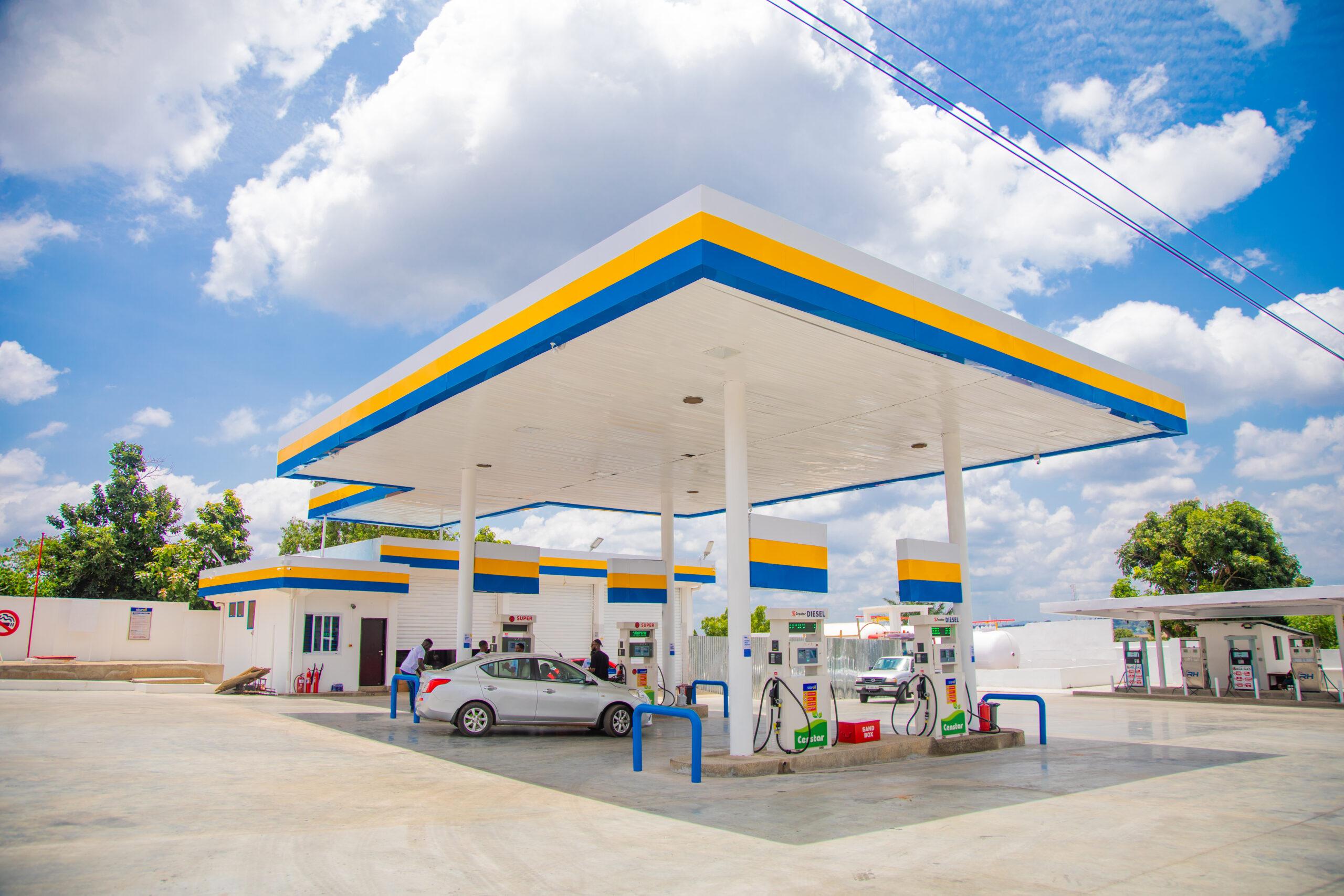
Star Oil has reduced petrol from GH¢16.64 to GH¢16.45 per litre effective October 16 as Ghana enters the second petroleum pricing window of the month. The NPA has also lowered its minimum price floors to GH¢16.09 for petrol and GH¢17.09 for diesel, creating room for additional reductions by other oil marketing companies. Lower international petrol and diesel prices are driving the decline, although a weaker cedi is limiting the relief reaching consumers. LPG is moving in the opposite direction, with the Chamber of Oil Marketing Companies projecting an increase of about 18.5 percent to roughly GH¢20.60 per kilogram.
Fuel prices have begun to ease at selected filling stations across Ghana as Star Oil reduced the price of petrol from GH¢16.64 to GH¢16.45 per litre, offering motorists modest relief at the start of the second petroleum pricing window for October. The new price took effect at 8 a.m. on Friday, October 16, 2026, as oil marketing companies began responding to lower international petrol and diesel prices, although exchange-rate pressure continues to limit the size of the reductions reaching consumers.
Star Oil’s 19-pesewa reduction makes it one of the first major oil marketing companies to adjust its pump price under the new pricing window. Other companies are expected to announce their own changes over the coming days, although some industry operators have indicated that they are watching competitors before deciding how aggressively to reduce prices. The result is likely to be a period of price variation across filling stations as companies balance international product costs, exchange rates, operating expenses and commercial margins.
The latest adjustment follows a decline in the National Petroleum Authority’s minimum price floors for petrol and diesel. For the October 16 to October 31 pricing window, the minimum price for petrol has been lowered from GH¢16.45 to GH¢16.09 per litre, while the diesel floor has fallen from GH¢17.97 to GH¢17.09 per litre. These figures represent minimum permitted selling prices under the Petroleum Product Pricing Guidelines rather than mandatory retail prices, meaning oil marketing companies may sell above those levels depending on their individual cost structures.
The development comes after several months of pressure on fuel prices, during which increases in international petroleum costs and weakness in the Ghana cedi contributed to higher pump prices. Although the latest reduction is not large enough to reverse all of the increases seen in recent months, it provides some immediate relief to households, commercial drivers, transport operators and businesses that depend heavily on fuel for daily operations.
The Chamber of Oil Marketing Companies had already projected a reduction in both petrol and diesel prices for the second half of October. According to its latest pricing outlook, petrol prices were expected to fall by about 1.67 percent, while diesel prices were projected to decline by approximately 3.32 percent during the current pricing window. The chamber said the downward adjustment was being driven mainly by lower international prices for refined petrol and diesel, even as other factors continued to exert upward pressure on the market.
International petrol prices fell by approximately 3.93 percent during the review period used to calculate the current window, while diesel prices declined by about 6.68 percent. Those decreases created room for lower pump prices in Ghana because the country remains heavily dependent on imported refined petroleum products, making international market movements an important component of the domestic pricing formula.
Crude oil itself moved in the opposite direction during the same period. Average crude prices rose by approximately 2.03 percent to US$126.73 per barrel, according to the Chamber of Oil Marketing Companies. The increase was linked to continuing uncertainty in global energy markets, including geopolitical tensions and concerns about supply disruptions. Despite the higher crude price, the fall in the cost of refined petrol and diesel provided enough relief to support lower local prices.
The Ghana cedi, however, weakened against the U.S. dollar during the review period, reducing the amount of relief that could be passed directly to consumers. The chamber reported that the cedi depreciated by approximately 1.61 percent to an average bank rate of GH¢11.8222 to the dollar between September 26 and October 11. Because petroleum products are largely purchased in dollars, any depreciation of the local currency raises the amount importers need in cedis to pay for the same quantity of fuel.
That exchange-rate pressure explains why the reduction at the pump has been more limited than the drop recorded in international petrol and diesel prices. Even when the world market price of refined fuel declines, a weaker cedi can absorb part of the benefit before it reaches consumers. The chamber said the cedi had lost more than 11 percent of its value against the dollar since the beginning of the year, with seasonal import demand and higher energy costs continuing to put pressure on the currency.
For consumers, the latest development means prices may differ considerably from one filling station to another. The NPA’s GH¢16.09 minimum petrol price is not a fixed national pump price, and companies remain free to add approved margins and other operational costs. Star Oil’s GH¢16.45 price therefore remains above the official floor, while still representing a reduction from what its customers were paying during the first half of October.
Competition among oil marketing companies is expected to play an important role in determining how far pump prices fall during the current window. Companies with lower supply and operating costs may be able to offer deeper reductions, while others may retain relatively higher prices because of distribution expenses, supplier contracts, location-specific costs or commercial strategy. In previous pricing windows, differences of several pesewas or more have emerged between competing retailers as companies attempt to attract price-sensitive motorists.
For a motorist buying 50 litres of petrol, Star Oil’s 19-pesewa reduction translates into a saving of GH¢9.50 compared with its previous GH¢16.64 price. The amount is relatively small for a single refill, but the impact becomes more significant for commercial drivers, delivery operators and businesses that purchase fuel repeatedly throughout the month. If more oil marketing companies follow with larger reductions, the cumulative savings could become more noticeable across the transport and logistics sectors.
Fuel costs remain particularly important for commercial transport operators because petrol and diesel account for a substantial share of daily operating expenses. Sustained reductions can help ease pressure on transport fares, while sharp and prolonged increases frequently lead transport unions and operators to demand adjustments. Although the current reduction alone is unlikely to produce an immediate change in fares, several consecutive pricing windows of lower fuel costs could reduce some of the pressure on operators.
Diesel prices are equally important for the broader economy because the product is heavily used in freight transport, construction, agriculture, manufacturing and backup power generation. The reduction in the diesel price floor from GH¢17.97 to GH¢17.09 creates more room for retailers to lower prices, potentially reducing the cost of moving goods around the country if oil marketing companies pass the decline on to customers.
Lower diesel prices can eventually influence food and commodity distribution because large volumes of agricultural produce and consumer goods are transported by road. Farmers, wholesalers, market traders and logistics companies all face transport expenses that are influenced by fuel prices, and sustained decreases can help moderate some of those costs. However, businesses do not always reduce their prices immediately after fuel falls because they may still be dealing with higher electricity bills, rent, wages, imported inputs and other expenses.
The current petroleum pricing window is therefore providing relief, but it should not be interpreted as a broad collapse in the cost of energy. One major exception is liquefied petroleum gas, where consumers are facing the opposite trend. The Chamber of Oil Marketing Companies has projected an increase of about 18.5 percent in LPG prices during the second October window, with average cash-purchase prices expected to reach approximately GH¢20.60 per kilogram.
International LPG prices increased by approximately 7.77 percent during the review period, contributing to the projected sharp rise locally. The NPA has also increased the minimum LPG price floor from GH¢11.10 to GH¢13.87 per kilogram, although actual retail prices may be significantly higher after supplier, distribution, marketing and dealer margins are added.
The expected LPG increase is particularly significant for households, restaurants and food vendors that depend on cooking gas. While motorists may benefit from lower petrol and diesel prices, families using LPG could see part of that relief offset by higher household energy expenses. This makes the second October pricing window a mixed development rather than a general reduction across all petroleum products.
The wider fuel market has been volatile in recent months. Petrol and diesel prices fell substantially earlier in the year before rising again as international petroleum costs increased and the cedi came under renewed pressure. The minimum petrol price floor, which stood at GH¢14.53 at the beginning of September, rose to GH¢16.00 by the second September pricing window and then climbed further during the first half of October. Diesel followed a similar upward pattern, increasing from a minimum of GH¢15.60 to GH¢16.77 in September before reaching GH¢17.97 in the first October window.
Government interventions also helped prevent even steeper increases during the first October pricing window. Industry reports indicated that the Tema Oil Refinery and Sentuo Oil Refinery maintained supply prices to bulk distribution companies at previous levels, while government also suspended the GH¢1-per-litre energy sector levy on diesel for October. Those measures helped cushion consumers at a time when projections suggested some fuel products could move closer to GH¢20 per litre.
The latest decline now provides some breathing space, but the direction of fuel prices for the remainder of the year will continue to depend heavily on international market conditions and the performance of the cedi. A further fall in international petrol and diesel prices could create room for deeper local reductions, especially if the cedi stabilizes or strengthens against the dollar.
The opposite scenario also remains possible. Renewed geopolitical tensions, disruptions to global energy supply or another period of significant cedi depreciation could quickly reverse the current downward movement. Ghana’s dependence on imported refined petroleum products means the domestic market remains exposed to developments far beyond the country’s borders.
The NPA’s price-floor system is intended to ensure that retailers do not sell below levels that could destabilize the downstream petroleum industry. The floor incorporates key components of the pricing formula but excludes several additional charges, including premiums imposed by international oil trading companies, the operating margins of Bulk Import, Distribution and Export Companies, and the marketing and dealer margins of oil and LPG companies.
Those additional costs explain why actual pump prices can remain substantially above the minimum floor. A motorist who sees the GH¢16.09 petrol floor should therefore not expect every station to sell at exactly that price. The figure establishes a regulatory minimum, while competition determines how close individual companies are prepared to move toward it.
Star Oil’s latest decision is likely to put competitive pressure on rival companies, particularly in areas where several fuel stations operate close to one another. Price competition has become increasingly important in Ghana’s downstream petroleum market as motorists compare prices between stations and companies use discounts and loyalty programs to attract customers.
The company has built a large retail network in Ghana and has increasingly competed aggressively on pump prices. Its early adjustment in the current window could encourage other oil marketing companies to review their own prices more quickly rather than risk losing customers to cheaper alternatives.
For households already dealing with cost-of-living pressures, even modest relief at the pump is significant because fuel prices have effects far beyond direct vehicle use. Transport fares, food distribution, delivery charges and production costs are all influenced to varying degrees by petrol and diesel prices. The extent to which the latest decline reduces broader household expenses will depend on whether lower prices are sustained rather than lasting for only a single two-week pricing window.
Businesses will be watching the diesel market particularly closely. Freight companies and manufacturers that consume large volumes of fuel can save substantial amounts when prices decline, but they also require stability when setting contracts and planning budgets. Rapid swings between pricing windows can make it difficult for companies to determine transportation and operating costs.
The Chamber’s outlook indicates that the underlying international trend is currently favorable for petrol and diesel, but the cedi remains a significant risk. If exchange-rate pressure continues, the benefit of falling refined product prices could be limited or reversed in future windows.
Consumers should therefore view the GH¢16.45 Star Oil price as an immediate reduction rather than an indication that fuel prices will necessarily continue falling indefinitely. The next pricing window will depend on changes in international product prices, the cedi-dollar exchange rate, taxes, levies, supply arrangements and other components of the petroleum pricing formula.
The situation also demonstrates why crude oil prices alone do not determine what motorists pay at Ghanaian filling stations. International prices for finished petrol, diesel and LPG can move differently from crude oil, while exchange rates and domestic margins further influence the final pump price.
In the current window, crude oil rose but petrol and diesel products fell, producing lower prices for motorists. LPG moved sharply higher at the same time, showing how different petroleum products can follow very different pricing directions even within the same two-week period.
For Star Oil customers, the immediate effect is straightforward. Petrol now sells at GH¢16.45 per litre instead of GH¢16.64, and the reduction is already in effect. What remains to be seen is how many other oil marketing companies will follow, whether competition pushes prices closer to the GH¢16.09 minimum floor and how long the downward trend can be sustained.
The wider economic significance will depend on whether the current relief develops into a longer period of declining fuel prices. A temporary 19-pesewa reduction will help individual motorists, but sustained decreases across petrol and diesel would have a broader impact on transport, logistics, business operating costs and household budgets.
For now, the second October pricing window has opened with a more favorable outlook for petrol and diesel consumers than the first half of the month. Star Oil’s GH¢16.45 price is the clearest early indication that lower international refined product prices are beginning to filter through to the pump, even though the weaker cedi is preventing consumers from receiving the full benefit of the global decline.
The coming days will show whether other major retailers follow Star Oil with similar reductions and whether competition drives prices further downward. At the same time, the sharp projected rise in LPG means the overall energy picture remains mixed, leaving many households with lower petrol costs on one side and potentially higher cooking gas expenses on the other.
If petrol and diesel continue to decline while the cedi remains relatively stable, Ghanaian motorists and businesses could see further relief during subsequent pricing windows. If global energy tensions intensify or the local currency weakens further, however, the current gains could prove temporary. For now, Star Oil’s move marks a welcome reversal after months in which fuel prices have generally been moving upward and adds fresh competitive pressure to Ghana’s downstream petroleum market.