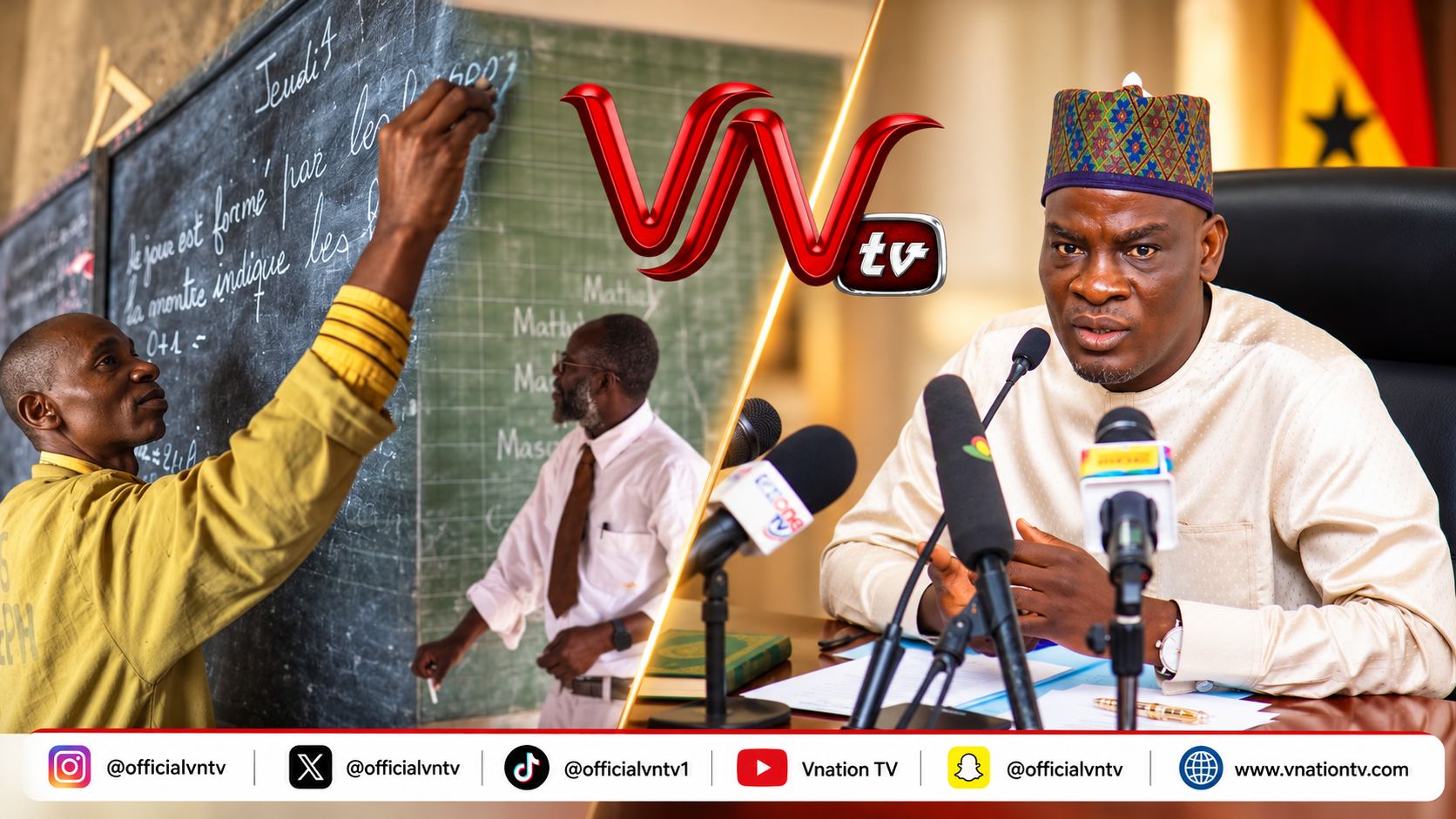
GAUA SUSPENDS STRIKE AFTER GOVERNMENT ADDRESSES 80 PERCENT OF DEMANDS, UNIVERSITIES SET TO RESUME
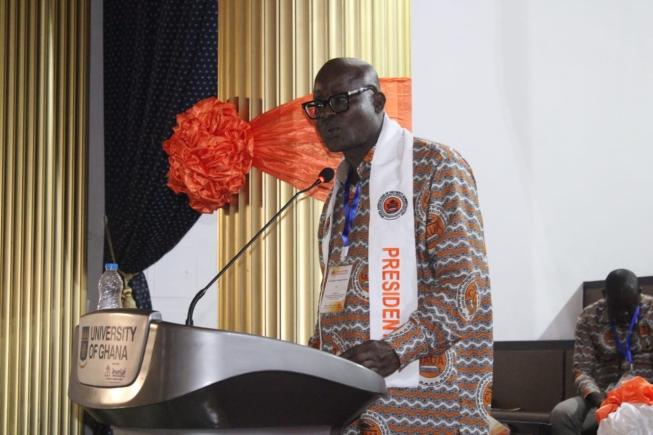
The Ghana Association of University Administrators has suspended its nationwide strike after concluding that the government has addressed about 80 percent of its grievances. Members are expected to return to work on Monday, October 19, allowing public universities to resume normal administrative and academic operations. The remaining issues will continue to be negotiated with government agencies. Graphic Online
The Ghana Association of University Administrators has suspended its nationwide strike after concluding that the government has addressed about 80 percent of the grievances that triggered the industrial action, clearing the way for administrators to return to work and for public universities to resume normal academic and administrative operations from Monday, October 19.
The decision was announced on Friday, October 16, following a meeting of the association’s National Executive Committee in Accra. GAUA National President Reverend Kwaku Karikari Amoah said the leadership conducted a detailed review of the outstanding issues and agreed unanimously to suspend the strike after assessing the progress made through negotiations with the government. Members have therefore been directed to report to their offices on Monday as discussions continue on the remaining unresolved matters.
The suspension brings temporary relief to Ghana’s public university system after weeks of disruption that affected registration, finance, student affairs, human resources, admissions, corporate affairs and other key administrative functions. The industrial action had already contributed to delays in the reopening of the 2026/2027 academic year at some of the country’s largest public universities, raising concern among students, parents and university management about a wider disruption to the academic calendar.
GAUA’s dispute with the government centered largely on what the union described as disparities in remuneration and conditions of service between non-teaching senior members and teaching staff in public universities. Among the issues raised were market premium differences, placement on the Single Spine Salary Structure, payment of negotiated allowances, retirement arrangements and other conditions of service that the association argued had created inequities within the public university system.
Reverend Amoah said the government’s response to most of the concerns demonstrated enough progress for the association to suspend the industrial action while negotiations continue. He said the union had reached the conclusion that approximately 80 percent of the grievances had been addressed and that it was therefore reasonable for members to return to work while the remaining matters are pursued through dialogue with the relevant authorities.
The decision follows several rounds of negotiations involving the Ministry of Education, the Ministry of Finance, the Fair Wages and Salaries Commission, the Ghana Tertiary Education Commission and representatives of the university administrators. Earlier in the week, both GAUA and the Technical University Senior Administrators Association of Ghana reported that significant progress had been made during talks convened by Education Minister Haruna Iddrisu, although some issues were still unresolved at the time.
The Education Minister had publicly urged the administrators to suspend their strike and return to work, arguing that the continued withdrawal of services was threatening the academic calendar across the country. He said the government was prepared to continue engaging the unions over legitimate concerns while ensuring that public universities reopened and students were able to begin the new academic year without further delay.
GTEC subsequently directed all public universities to reopen by Friday, October 16, with lectures expected to begin on Monday, October 19. The regulator also instructed university managements to ensure that halls of residence, libraries, registration desks and other essential services were operational in preparation for the return of students. At the time the directive was issued, GAUA had not yet formally suspended the strike and maintained that a regulatory instruction to universities did not automatically resolve the labor dispute.
The latest suspension therefore removes one of the biggest obstacles to implementing the reopening directive. University administrators perform critical functions that support academic work, and their prolonged absence had already created operational difficulties for institutions preparing to receive students. Without administrative staff, universities struggled with registration, financial clearance, student records, accommodation processing and several other activities required for the start of an academic year.
At the University of Ghana, management had postponed the scheduled reopening of the 2026/2027 academic year after acknowledging that the strike was affecting essential administrative systems. The institution had originally planned to reopen on October 12 but later announced that a new date would be communicated because of the uncertainty created by the industrial action.
KNUST faced a similar situation. The university postponed its reopening, which had been scheduled for October 13, saying the strike had made it difficult to guarantee the effective operation of the institution’s administrative systems. Management indicated that the delay was necessary because of the central role GAUA members play in the daily administration of the university.
The impact of the strike demonstrated how dependent Ghana’s public universities are on administrative and professional staff whose roles extend far beyond traditional office work. Registrars, finance officers, admissions personnel, student affairs officers, human resource professionals and other senior administrators are responsible for many of the systems that allow academic departments to function effectively.
GAUA had argued that despite the importance of those responsibilities, its members were being treated unfairly in the structure of allowances and compensation compared with teaching staff. The association said the differences had created frustration and weakened morale among non-teaching senior members, eventually leading to the decision to reactivate the nationwide strike in August.
The strike was originally declared during GAUA’s 2026 National Congress in Sunyani, where leadership accused the government of failing to address persistent concerns about salary structures and conditions of service. The association said changes to benefits for teaching staff should not create disparities that effectively disadvantage administrators and other professional staff working within the same public university system.
By early October, the dispute had become increasingly tense. GAUA officials publicly complained that weeks of engagement with the Fair Wages and Salaries Commission had produced little progress and that members were becoming frustrated by the lack of resolution. At that stage, union leaders said several grievances remained outstanding despite repeated negotiations with government officials.
The tone changed after high-level meetings involving the Education Ministry and other government agencies. Officials from the government and the unions reported progress following the October 12 engagements, with union representatives saying most of their major concerns had been addressed and only a few issues remained.
One of the most sensitive outstanding matters involved market premium payments. GAUA had insisted that it needed formal assurance from the Fair Wages and Salaries Commission before suspending the strike, particularly on the issue of market premiums and related allowances. The association maintained that verbal commitments were not enough and that the relevant institutions had to provide concrete communication on the terms being discussed.
The government, however, continued to press for an immediate return to work while promising that the unresolved matters would remain on the negotiating table. Education Minister Haruna Iddrisu said he expected the strike to be called off before the weekend so that universities could reopen and academic work could begin on October 19.
GAUA’s announcement on October 16 effectively aligns the union’s return-to-work date with the government’s academic timetable. The development means public universities can now proceed with plans to restore normal administrative activity before lectures resume.
The decision is also expected to reduce uncertainty for thousands of students who had been waiting for clearer information about reopening dates. Students at affected universities had faced the possibility of further delays if the strike continued, particularly because many academic processes cannot be completed without administrative staff.
For university managements, the return of GAUA members is expected to allow delayed registration, admissions, accommodation, records processing and financial services to resume more fully. Institutions may still face a backlog created by weeks of disrupted operations, meaning some administrative delays could continue even after staff formally return.
The suspension does not mean every issue has been fully resolved. GAUA has made clear that about 20 percent of its demands remain outstanding, and the association intends to continue negotiations with government agencies while members are back at work.
Among the issues identified by the union were the treatment of market premiums, disputed placement on the Single Spine Salary Structure, a negotiated 40 percent allowance for certain professionals in technical and public universities, retirement arrangements and a one-off allowance. Some of these matters involve multiple government institutions, including the Fair Wages and Salaries Commission and the Ministry of Finance, which means final implementation may require further administrative or budgetary approval.
The union’s decision to suspend rather than completely terminate the industrial action is therefore significant. Suspension allows members to return to work while preserving the possibility of renewed action if the remaining commitments are not honored.
For the government, the immediate benefit is the restoration of stability across the public university system. A prolonged strike would have created further political and operational pressure, particularly after the reopening of major institutions had already been postponed.
The Education Ministry had emphasized that maintaining the academic calendar was a priority and repeatedly appealed to the union to consider the broader effect of the strike on students and university communities. The ministry also argued that legitimate labor grievances should continue to be addressed through established negotiation mechanisms rather than through an extended shutdown.
The dispute has highlighted a wider challenge within Ghana’s public sector, where differences in allowances and conditions of service between different categories of workers frequently become a source of labor unrest. Public universities are particularly vulnerable because teaching and non-teaching staff often operate under overlapping but distinct compensation arrangements.
Changes made for one group can therefore create demands for comparable adjustments from another, especially when workers believe their responsibilities are equally essential to the functioning of institutions.
GAUA’s argument has consistently been that university administration should not be treated as secondary to teaching when salary and benefit decisions are made. The association says administrators and professional staff support the structures within which lecturers and students operate and should therefore receive equitable treatment.
Government negotiators, on the other hand, must balance those demands against budgetary limitations and the broader implications of adjusting allowances across the public sector. Changes to one category of workers can create precedent for similar claims from other unions, increasing the overall cost to the state.
The latest agreement therefore represents a compromise rather than a complete settlement. GAUA has accepted enough progress to return to work, while government has avoided the immediate risk of a prolonged university shutdown without necessarily resolving every financial demand.
The success of the arrangement will depend largely on what happens after members return to their offices. If government agencies follow through on the outstanding commitments and negotiations continue in good faith, the dispute could be resolved without another disruption.
If implementation stalls, however, tensions could return. GAUA has already demonstrated that it is willing to withdraw services when it believes negotiations are not producing results, and the unresolved 20 percent of the dispute remains a potential source of future conflict.
For students and parents, the immediate development is positive because it reduces the likelihood of a prolonged academic delay. Public universities that postponed reopening can now move more confidently toward resuming activities, while institutions that had already begun preparations can proceed with greater certainty.
The return of administrators will also help GTEC enforce its reopening directive. The regulator had insisted that universities should be operational by October 16 and that lectures should begin by October 19, but that timeline would have been difficult to maintain if administrative staff remained on strike.
University managements are now expected to communicate revised or confirmed reopening arrangements to students where necessary. Institutions that postponed earlier dates may need to issue updated notices on registration, accommodation, orientation and the commencement of lectures.
The coming days will therefore be important in determining how quickly normal operations return. Administrative backlogs, particularly in admissions and registration, could require additional working hours or temporary adjustments as staff process delayed applications and student records.
GAUA has said its members are ready to return and work with colleagues across the universities to restore stability. Reverend Amoah said the association wants to contribute to peace and normalcy on public university campuses while the remaining matters are handled through negotiation.
The government will also be under pressure to ensure the progress that produced the suspension is not reversed. The Education Ministry played a central role in bringing the parties back together, but some of the outstanding issues fall under the responsibility of other institutions.
The Fair Wages and Salaries Commission remains critical because many of the dispute’s central questions involve salary structures and market premiums. The Ministry of Finance is also likely to remain involved where payment commitments or new allowances require budgetary approval.
GTEC’s role will now shift from crisis management toward ensuring that universities reopen smoothly and that academic activities proceed as scheduled.
The suspension also illustrates the importance of timing in labor negotiations. Only days before the agreement, GAUA leaders were publicly expressing frustration that talks had yielded little progress. The rapid change suggests that high-level political intervention and formal commitments were decisive in breaking the deadlock.
The challenge now is sustaining that momentum. Industrial disputes often re-emerge when verbal or written agreements are delayed in implementation, and the union is likely to monitor government action closely over the coming weeks.
For now, the immediate crisis has eased. Public universities have been given a path back toward full operation, students have greater certainty about reopening, and the government has avoided further disruption to the academic calendar.
The wider issue of equitable conditions of service within Ghana’s public university system remains unresolved, however, and the next phase of negotiations will determine whether the suspension develops into a lasting settlement.
The most important short-term development is that GAUA members are expected back at work on Monday, October 19, the same day GTEC expects academic activities to resume across public universities. That alignment gives the sector an opportunity to recover quickly from the disruption, provided the remaining issues do not reopen the dispute.
The strike has already demonstrated the central role university administrators play in the functioning of Ghana’s tertiary institutions. Their return will allow campuses to restore the administrative systems needed to support teaching, learning and student services, but the government will now be expected to honor the commitments that persuaded the union to suspend its action.
If those commitments are implemented and the remaining concerns are resolved through negotiation, the October 16 agreement could mark the end of a dispute that threatened to derail the beginning of the academic year. If they are not, the unresolved grievances could become the basis for another confrontation later.
For students, university authorities and the government, the priority now is restoring normal operations and protecting the academic calendar while the remaining labor issues are settled without another shutdown.