MOROCCO ENTERS HISTORIC NEW ERA AS KING MOHAMMED VI INSTALLS FATIMA EZZAHRA EL MANSOURI AS COUNTRY’S FIRST FEMALE PRIME MINISTER
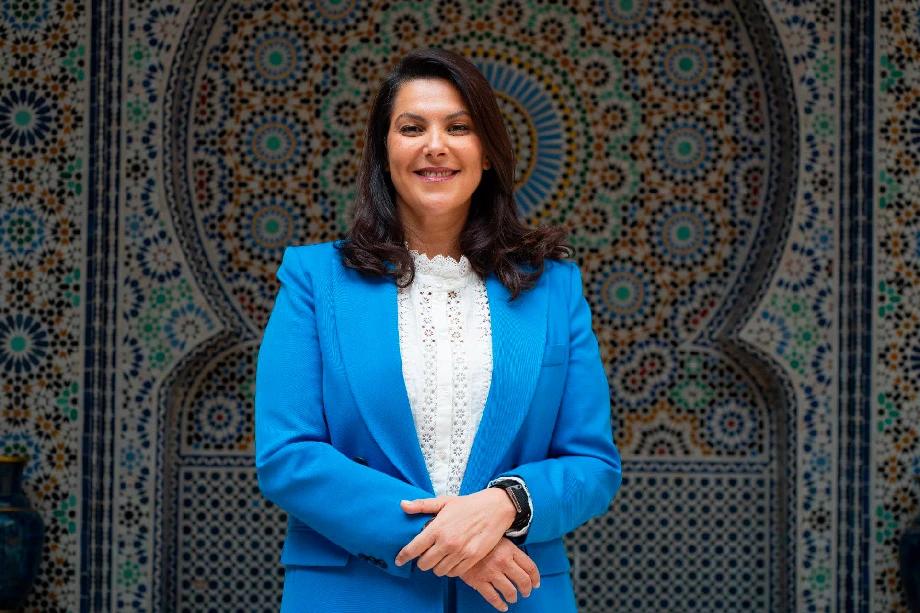
King Mohammed VI has formally appointed Morocco’s new government under Fatima Ezzahra El Mansouri, completing the country’s transition to its first administration headed by a woman. El Mansouri’s Authenticity and Modernity Party won the largest number of seats in the September 23 parliamentary election before forming a four party coalition with Istiqlal, the Party of Progress and Socialism and the Socialist Union of Popular Forces. The coalition controls 207 of parliament’s 395 seats. Several senior ministers remain in office, while Fouzi Lekjaa becomes Economy and Finance Minister. The government now faces major challenges involving youth unemployment, education, healthcare, living standards and preparations for the 2030 World Cup.
Morocco has formally installed its first woman led government after King Mohammed VI received and appointed the new cabinet headed by Fatima Ezzahra El Mansouri, completing a historic political transition that began when her Authenticity and Modernity Party emerged as the largest party in September’s parliamentary election. El Mansouri, who had already been appointed Head of Government by the King on September 29 and instructed to form an administration, presented her coalition cabinet at the Royal Palace in Rabat on Friday, October 16, marking the first time in Morocco’s history that a woman has formally taken charge of the government. Her administration brings together four political parties controlling a clear parliamentary majority and takes office facing major expectations over unemployment, education, healthcare, purchasing power, infrastructure investment and Morocco’s preparations to co-host the 2030 FIFA World Cup.
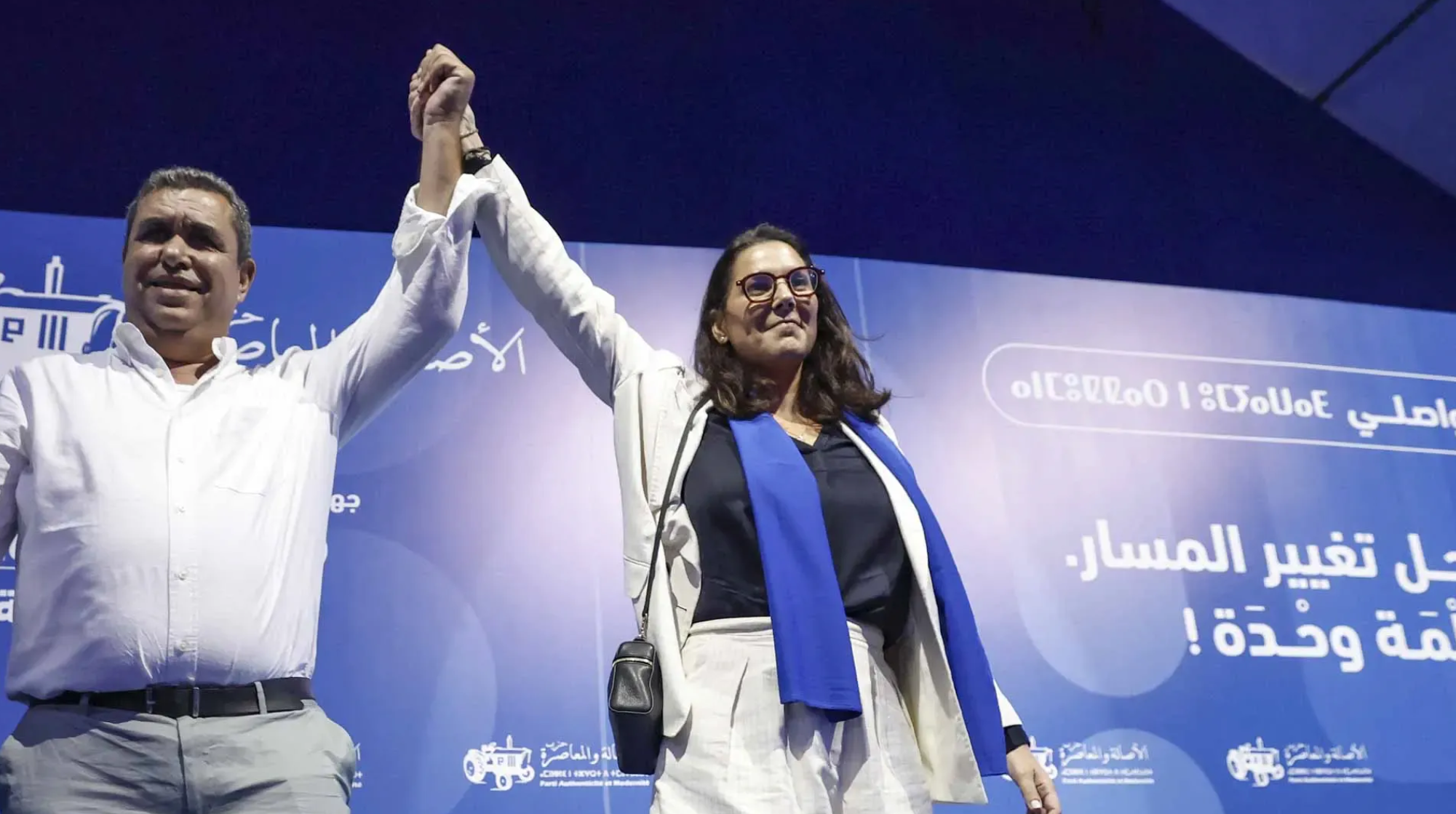
El Mansouri’s rise represents one of the most significant political milestones in modern Moroccan history. At 50, the lawyer, former housing minister and longtime mayor of Marrakech has become the first woman to occupy the position formally known under Morocco’s Constitution as Head of Government. Her Authenticity and Modernity Party, commonly known as PAM, finished first in the September 23 parliamentary elections with 97 of the 395 seats in the House of Representatives. Although that result left the party far short of the 198 seats required for an outright majority, it gave El Mansouri the constitutional and political advantage needed to lead negotiations over the formation of the next government. King Mohammed VI subsequently appointed her under Article 47 of the Constitution, which provides for the monarch to appoint the Head of Government from the political party that finishes first in legislative elections.
The weeks after her appointment were dominated by negotiations over the composition of a parliamentary majority. El Mansouri eventually secured an agreement bringing together PAM, the nationalist Istiqlal Party, the Party of Progress and Socialism and the Socialist Union of Popular Forces. Reuters reported that the four parties control 207 seats between them, giving the administration a majority above the 198 seat threshold required in the 395 member lower chamber. The coalition combines centre right, nationalist and moderate left political forces and reflects El Mansouri’s decision to build a relatively broad parliamentary alliance rather than attempt to govern through a narrower arrangement.
The formal appointment ceremony completed a process that began more than two weeks earlier when the King received El Mansouri at the Royal Palace in Rabat and instructed her to form a new government. The Royal Household said at the time that the appointment had been made in accordance with Article 47 of the Constitution. Until Friday’s cabinet installation, the outgoing administration of Aziz Akhannouch continued operating in a caretaker capacity while coalition negotiations and ministerial selections were completed.
The new government combines continuity with significant change. Several important ministers from the previous administration have remained in their positions, indicating that El Mansouri is not seeking a complete break with the policy direction of the outgoing government. Foreign Minister Nasser Bourita retains control of Morocco’s foreign affairs portfolio, while Interior Minister Abdelouafi Laftit also remains in office. Justice Minister Abdellatif Wahbi, Equipment and Water Minister Nizar Baraka, Industry Minister Ryad Mezzour and Minister Delegate responsible for defence administration Abdellatif Loudiyi are among other senior officials remaining in government. Their retention provides continuity in areas that are particularly important to the palace, including diplomacy, security, defence and strategic infrastructure.
One of the most significant cabinet changes is the appointment of Fouzi Lekjaa as Economy and Finance Minister. Lekjaa is internationally known as the president of the Royal Moroccan Football Federation and has also served in government as a budget minister. His appointment gives him control of one of the most important economic portfolios at a time when Morocco is spending heavily on infrastructure linked to the 2030 FIFA World Cup while also trying to respond to demands for stronger employment growth and better public services. Reuters reported that the government faces the challenge of completing a roughly $20 billion infrastructure programmed connected to preparations for the tournament, which Morocco will co-host with Spain and Portugal.
PAM member Khalid Hatimi has been named Minister of Agriculture, Maritime Fisheries and Food Sovereignty, a particularly important portfolio in a country where agriculture remains vulnerable to drought and climate pressure. Nabil Benabdallah, leader of the Party of Progress and Socialism and a former housing minister, returns to government as Education Minister, while Charafat Afailal has been appointed Energy Minister. Najwa Kokos has been given responsibility for Family, Social Development and Equality. The new cabinet also includes several female delegated ministers, although women remain a minority within the overall administration.
El Mansouri herself arrives in the premiership with extensive experience in both local and national government. She trained as a lawyer and previously served as Minister of National Planning, Urban Planning, Housing and Urban Policy. She has also been mayor of Marrakech, one of Morocco’s most important cities and a major tourism centre. Within PAM, she became one of the party’s most recognizable leaders and helped guide it into the September election, where it overtook the outgoing National Rally of Independents and emerged as the largest force in parliament.
Her election victory was significant not only because it opened the door for Morocco’s first female prime minister but also because it reshaped the political balance inside parliament. PAM won 97 seats, while the National Rally of Independents secured 66 and Istiqlal won 65. The Islamist Justice and Development Party, which had previously governed Morocco before its dramatic collapse in the 2021 election, recovered to win 54 seats but remains outside the new governing coalition. Voter turnout stood at approximately 38 percent, highlighting continuing public disengagement even during an election that produced a historic outcome.
The new administration takes office under pressure to translate that electoral mandate into visible improvements in daily life. Youth unemployment remains one of Morocco’s most serious social challenges, and frustration among younger citizens has been a major feature of recent public protests and political debate. El Mansouri’s party campaigned on commitments involving employment, purchasing power, market regulation and social development, while the coalition has presented itself as capable of combining economic modernization with improvements in education and healthcare.
Youth unemployment is especially sensitive because Morocco has invested heavily in large infrastructure projects, industrial expansion and international tourism while many young graduates continue to struggle to find stable employment. The gap between Morocco’s global ambitions and the economic experience of many households has produced growing frustration. Recent demonstrations involving younger Moroccans have focused heavily on education, healthcare, employment and inequality, placing social policy close to the centre of the new government’s agenda.
El Mansouri’s administration will also inherit the responsibility of preparing Morocco for the 2030 World Cup. The tournament is expected to accelerate investment in stadiums, rail links, airports, roads, hotels and urban infrastructure. Morocco views the World Cup not simply as a sporting event but as a major development project capable of reshaping cities, boosting tourism and strengthening the country’s international profile. The scale of spending involved, however, has also generated debate over whether public money should be directed toward large prestige projects at a time when citizens continue demanding better schools, hospitals and employment opportunities.
That tension is likely to become one of the defining tests of El Mansouri’s premiership. Her government must demonstrate that major infrastructure spending can produce wider economic benefits rather than simply improving facilities connected to the tournament. Job creation, local procurement, transportation improvements and investment outside the largest cities will all influence whether the public views the World Cup programmed as a national development strategy or an expensive international showcase.
Morocco’s economic position gives the government significant opportunities but also considerable constraints. The country has built major automotive, aerospace and renewable energy industries and has attracted international manufacturing investment partly because of its proximity to Europe and its network of trade agreements. Morocco has also invested heavily in ports, rail infrastructure and logistics, including the development of Tangier Med into one of the region’s most important maritime hubs.
At the same time, regional inequality remains substantial. Economic growth has been concentrated heavily in major urban areas and coastal regions, while some rural communities continue to face weaker public services and fewer employment opportunities. Drought has also placed sustained pressure on agriculture, water supplies and rural incomes, making water policy and food security increasingly important national issues.
The government’s composition suggests that El Mansouri intends to balance continuity in strategic ministries with new leadership in economic and social portfolios. Keeping Bourita at the Foreign Ministry and Laftit at Interior indicates that Morocco’s diplomatic and security direction is unlikely to change significantly. The palace continues to exercise substantial influence over foreign affairs, defense, security and other strategic areas, meaning Morocco’s constitutional monarchy functions differently from parliamentary systems in which the prime minister has exclusive executive authority.
King Mohammed VI remains the country’s central political institution and holds broad constitutional powers. The monarch appoints the Head of Government from the party that wins the largest number of seats and formally appoints ministers following proposals from the prime minister. The King also presides over key councils and has substantial authority over military, religious and foreign policy matters. El Mansouri’s government therefore represents a major political breakthrough for women without changing the basic constitutional balance between elected institutions and the monarchy.
That distinction is important when assessing the significance of her appointment. El Mansouri is not becoming the country’s head of state. King Mohammed VI remains sovereign and continues exercising powers that are considerably broader than those held by monarchs in many European constitutional systems. Her historic achievement is becoming the first woman to lead Morocco’s government, oversee cabinet operations and direct the coalition formed following parliamentary elections.
The symbolic importance remains substantial. Morocco has made gradual progress in female political participation over the past two decades, but senior government leadership has continued to be dominated overwhelmingly by men. El Mansouri’s appointment places a woman at the centre of executive government for the first time and adds Morocco to the small but growing group of Arab and African states that have appointed women to their highest government leadership positions.
Her rise is also significant because it emerged from an electoral process rather than a temporary caretaker appointment. PAM won the most seats, she led the party into government negotiations and the King appointed her under the constitutional mechanism governing the formation of governments. That gives the transition greater institutional significance than a purely ceremonial appointment would have.
The new prime minister will nevertheless face immediate scrutiny over whether the symbolism of her appointment translates into deeper gender reforms. Morocco has introduced significant changes affecting women’s rights over recent decades, including reforms to family law, political representation and access to education. Debate continues, however, over inheritance, family law, economic participation, domestic violence and women’s representation in senior leadership.
The composition of El Mansouri’s own cabinet will form part of that debate. Although the government is led by a woman, the number of women holding full ministerial portfolios remains limited. Charafat Afailal and Najwa Kokos are among the female ministers, while additional women hold delegated minister positions. Supporters of stronger gender representation are therefore likely to judge the government not only by the identity of its prime minister but by policies affecting women throughout Moroccan society.
Foreign policy is expected to remain broadly consistent. Morocco has invested heavily in expanding diplomatic relations across Africa, strengthening strategic cooperation with Europe and the United States and promoting international recognition of its position on Western Sahara. Bourita’s retention as foreign minister signals continuity on those issues.
Relations with Algeria remain particularly important and difficult. The two North African neighbors have experienced years of severe diplomatic tension, with disputes over Western Sahara and regional influence continuing to shape relations. The land border remains closed, and Algeria severed diplomatic relations with Morocco in 2021. There is little indication that El Mansouri’s arrival will immediately change that dynamic because the palace plays the leading role in major foreign policy decisions.
Morocco’s relationship with the European Union will also remain central. Europe is Morocco’s largest economic partner, and the country’s role in migration management, security cooperation, renewable energy and manufacturing has made relations with Brussels and individual European capitals strategically important. The government will need to manage those ties while defending Moroccan interests on agriculture, fisheries and Western Sahara.
Relations with African states have expanded significantly under Mohammed VI. Morocco returned to the African Union in 2017 after decades outside the continental organization and has since pursued stronger political and commercial partnerships across West, Central and East Africa. Moroccan banks, telecommunications companies, fertilizer producers and construction businesses have expanded across the continent, making African economic diplomacy a major part of the country’s foreign policy.
The new government will also continue working closely with Gulf states and international investors. Morocco has positioned itself as a stable investment platform linking Africa and Europe, an image the government will be keen to preserve while addressing domestic concerns about inequality and unemployment.
Education may prove to be one of the most difficult domestic portfolios. Parents and students have repeatedly complained about overcrowding, teacher shortages and unequal quality between public and private education. Benabdallah’s return to government as Education Minister gives an experienced political figure responsibility for a sector that has become increasingly important to younger voters.
Healthcare presents similar challenges. Morocco has been expanding social protection and health insurance, but citizens continue to complain about access, staffing and the quality of public hospitals. Recent protests have demonstrated that large sections of the population want social infrastructure to receive the same urgency as stadiums, highways and other high profile projects.
Purchasing power is another major issue. Inflation has affected food and housing costs, while wages have not increased equally across all sectors. PAM campaigned on improving household incomes and regulating markets, meaning the new government will be under pressure to demonstrate results quickly rather than rely solely on long term structural reforms.
El Mansouri’s political challenge is therefore much broader than the historic nature of her appointment. Once the symbolism fades, her government will be judged in much the same way as any previous administration: by jobs, wages, schools, hospitals, housing, public transportation and whether ordinary citizens believe the economy is improving.
The four party coalition gives her a workable parliamentary majority but also requires political management. Coalition parties have different histories and ideological traditions. PAM is generally described as centrist or centre right and socially modernizing. Istiqlal is one of Morocco’s oldest nationalist parties. The Party of Progress and Socialism comes from a left wing tradition, while the Socialist Union of Popular Forces is also rooted in social democratic politics.
Maintaining agreement across those parties may become more difficult when the government begins making decisions involving taxes, spending, labour policy and social programmed. Coalition agreements often appear stable when ministers are being appointed but become more complicated once competing constituencies demand results.
El Mansouri has already demonstrated a willingness to negotiate across political divisions. During the coalition talks, she publicly indicated that she would not approach negotiations with rigid exclusions. That helped produce the four party agreement and may become a defining part of her governing style.
The opposition will nevertheless seek to hold the government accountable from the beginning. The Justice and Development Party remains outside the coalition and will attempt to rebuild its political strength after recovering some parliamentary representation in September. The National Rally of Independents, which led the previous government under Akhannouch, also lost its dominant position and now faces a different political landscape.
The 38 percent turnout in the election represents another warning for all parties. Even though PAM won the largest share of parliamentary seats, most eligible voters did not participate. That means El Mansouri’s government enters office with constitutional legitimacy but also with a clear challenge to rebuild public confidence in electoral politics.
Low participation can reflect numerous factors, including dissatisfaction with parties, belief that political institutions have limited power relative to the monarchy, economic frustration and skepticism that elections substantially change daily life. Addressing that disengagement will require more than symbolic milestones.
The fact that Morocco now has its first female Head of Government could nevertheless influence political participation among younger women. Seeing a woman lead the cabinet may encourage greater female involvement in parties, municipal government and parliamentary politics, particularly if El Mansouri uses her position to broaden opportunities for other women.
Her personal political trajectory demonstrates that local government can also serve as a route to national leadership. Her years as mayor of Marrakech gave her experience managing one of Morocco’s most visible cities before she moved deeper into national politics. Marrakech’s importance as a tourism centre exposed her to questions involving urban planning, housing, infrastructure and international investment that are directly relevant to her new responsibilities.
The new government now has to move from coalition negotiations into implementation. Ministers will be expected to present priorities, budget plans and legislation while coordinating with the palace on strategic programmed. Parliament will become the arena where the coalition demonstrates whether its numerical majority can be translated into stable government.
The 2030 World Cup deadline creates an additional timetable that cannot easily be delayed. Stadiums and transport infrastructure must be completed well before the tournament begins, and FIFA requirements will force the government to maintain momentum even if political or economic pressures arise elsewhere.
The government must also ensure that preparations benefit communities beyond host cities. Investments in rail, roads, airports and tourism can create long term economic value, but public dissatisfaction could increase if citizens believe basic services are being neglected while billions are spent on sporting infrastructure.
That balancing act will shape El Mansouri’s political legacy more than the novelty of becoming the first woman to lead the government. Historical firsts create attention, but durable political reputations are usually determined by outcomes.
Her administration also enters office during a period of broader transformation in Morocco. Renewable energy investment continues expanding, industrial production is becoming more sophisticated and the country is positioning itself as a manufacturing and logistics hub connected to both Europe and Africa. Morocco has major ambitions in green hydrogen, electric vehicles, batteries and solar and wind energy.
Those projects could generate employment and investment, but the government will need to ensure that skills training and education keep pace with industrial change. Youth unemployment can remain high even in a growing economy if the qualifications of workers do not match the jobs being created.
That is why education, vocational training and industrial policy are likely to intersect repeatedly during the new government’s term. Morocco’s success will depend not simply on attracting factories but on ensuring that Moroccan workers are prepared for the technical jobs those factories require.
Water scarcity may prove equally important. Years of drought have placed reservoirs, agriculture and urban water supplies under pressure. Morocco has invested in desalination plants and water transfer projects, but long term climate pressures mean water management will remain a central challenge regardless of which political party leads government.
Agriculture Minister Khalid Hatimi will therefore hold responsibility for a sector connected directly to food prices, rural employment and water use. Poor harvests can increase imports and household costs, making agricultural policy politically sensitive far beyond rural areas.
El Mansouri’s government will have to manage all these pressures while operating within Morocco’s distinctive constitutional system. Major strategic policy continues to involve the monarchy, and the palace maintains substantial influence over long term national projects. The government’s ability to succeed will therefore depend partly on coordination between elected ministers and royal institutions.
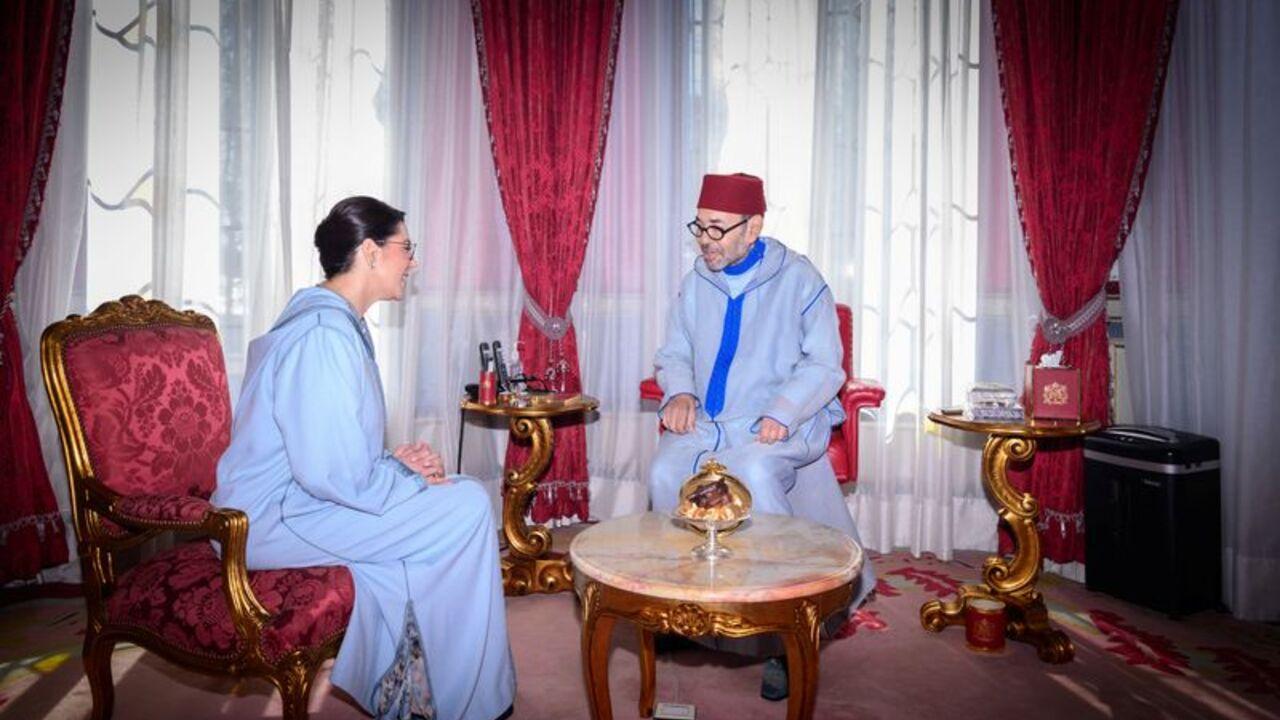
The appointment ceremony at the Royal Palace symbolised that relationship. King Mohammed VI formally received El Mansouri and her ministers, completing the constitutional transition following the parliamentary election. The ceremony did not simply mark the beginning of another cabinet. It marked the first time a Moroccan woman stood at the head of the country’s government.
For Morocco, that is a historical moment. For El Mansouri, however, history will quickly give way to governing.
She now leads a coalition controlling a parliamentary majority, inherits multibillion dollar infrastructure commitments and faces a population demanding better jobs, schools, hospitals and economic opportunities. Her government must manage relations with powerful international partners, prepare the country for the world’s largest sporting tournament and address social frustration that has increasingly shaped Moroccan politics.
The significance of becoming Morocco’s first female prime minister will remain part of her legacy regardless of what happens next. Whether her government is ultimately remembered for more than that milestone will depend on what it delivers during the years ahead.