
AUSTRALIAN HOUSEHOLDS HIT EARLY 1990S GLOOM AFTER THE RBA TOOK RATES TO A 15 YEAR HIGH
The Westpac Melbourne Institute consumer sentiment index fell from 84.4 to 80.4 in a survey taken from 28 September to 1 October. Respondents before the 29 September rate decision scored 86.9. Those after it scored 67.2, a near 20 percent gap and the largest daily split since Westpac began tracking in 2019. The cash rate is 4.6 percent, the highest since 2011. Westpac expects another rise on 2 to 3 November.
Australian consumer confidence has fallen to a level Westpac compares with the early 1990s recession, in the half of a new survey taken after the Reserve Bank raised interest rates to their highest since 2011.
The Westpac Melbourne Institute consumer sentiment index dropped 4.7 percent in October, from 84.4 to 80.4. The survey of about 1,200 adults ran from 28 September to 1 October, across the Reserve Bank’s decision on 29 September. That headline is weak. The split inside the week is the story. Among the 60 percent of respondents questioned before the announcement, sentiment was 86.9, slightly above September. Among the 40 percent questioned after it, the reading was 67.2. Westpac said a complete survey has only registered a number that low in the depths of the early 1990s recession. The gap of nearly 20 percent between the two samples is the largest since the bank began tracking daily responses in 2019.
Matthew Hassan, Westpac’s head of Australian macro forecasting, said household finances are back under pressure from fuel and interest rates. National pump prices have pushed back over 2.30 dollars a litre, near the April peaks and up nearly 25 percent since the start of the year. The cash rate is now 4.6 percent. The standard variable mortgage rate is set to move above 9 percent for the first time since 2008. More than 80 percent of people surveyed after the decision expect mortgage rates to rise further over the next year, up from 63 percent in September. Among mortgage holders the share is closer to 90 percent, and more than 40 percent of that group expect a rise of more than a percentage point in the next 12 months. The mortgage rate expectations index rose 5.5 percent to 179.7, close to its May high of 181. Pessimists outnumbered optimists in 102 of the 106 population groups the survey tracks. The index on whether it is time to buy a major household item fell 7.1 percent, from 89.3 to 83.0.
The rate move that produced the break was the fourth this year. On 29 September the Reserve Bank board voted unanimously to lift the cash rate target by 25 basis points, from 4.35 percent to 4.60 percent. That takes the tightening in 2026 to a full percentage point. The board said inflation remains elevated and that some of the upside risks flagged in August are materialising. The conflict in the Middle East has broadened. Global energy prices are much higher than the August forecasts assumed. AI related demand is driving rapid growth in global prices for technology goods. Australian inflation outcomes were stronger than the previous meeting expected. Core inflation was running at 3.6 percent, above the 2 to 3 percent target. The board said growth has slowed, consumer spending is easing, housing prices have fallen in most capital cities and new housing loans have declined. It still judged that a further tightening was warranted, and it said it will raise the cash rate again if needed.
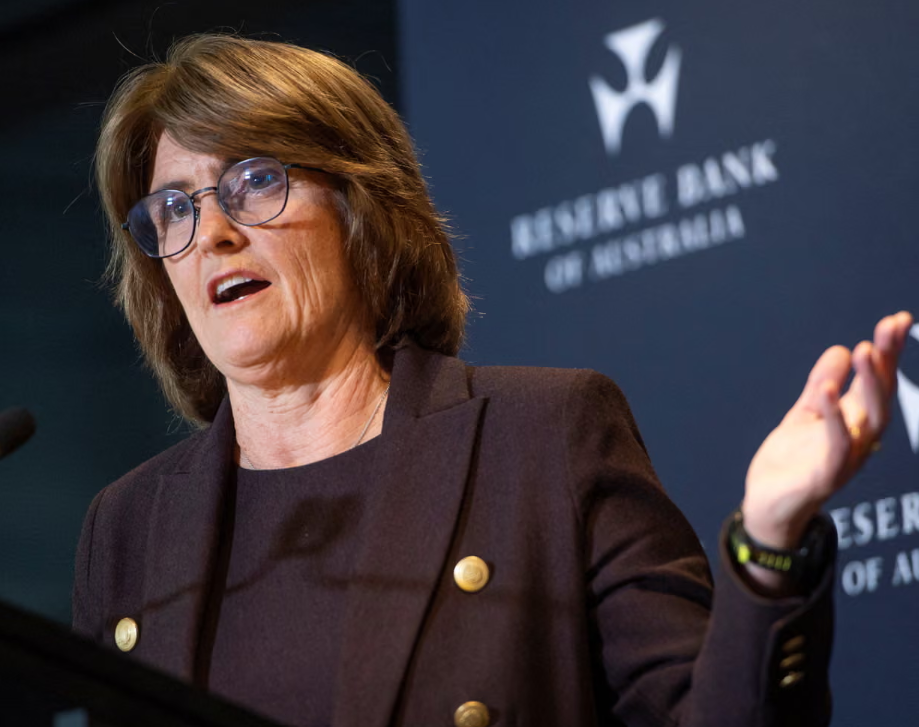
Governor Michele Bullock told reporters in Sydney that inflation had been too high for most of the past six years. “We knew that this was going to hit some people pretty hard,” she said. “Hopefully, in the next couple of years, when we get inflation back down, this will all have been worth it.” The board also tied the hike to the AI investment boom and to the risk that firms pass higher costs to consumers. Westpac’s reading of the same fuel shock is that the upside inflation risks the bank flagged are now showing in prices, and that another hike is likely at the 2 to 3 November meeting.
A weekly ANZ Roy Morgan consumer survey was reported at about 67.1 after a fall of about 5 percent, in line with the post decision Westpac sample. The two surveys ask different questions. They landed on the same number in the same week. An index of 100 is the line between optimists and pessimists on the Westpac measure. At 80.4 the country is well below it. At 67.2, the people who had just heard the decision are in territory Westpac had not recorded in a full survey outside the recession of the early 1990s.
Homebuyer sentiment and house price expectations ticked up in the same release, and Hassan called them uncertain. That is the odd note. The cash rate is at a 15 year high, the variable mortgage rate is heading through 9 percent, and a slice of buyers is still in the market. It does not cancel the confidence collapse. It says the housing shortage and the rate shock are pulling in different directions.
What the index does not do is set the next cash rate. The Reserve Bank has said it will move again if the data require it. Westpac has said the data already point to November. Households, in the 40 percent of the sample who answered after 29 September, have already priced a further rise into their mood. The 67.2 reading is not a forecast of unemployment or a verdict on Bullock. It is the gap between a week that started at 86.9 and a decision that took the rest of the sample back to a recession print.