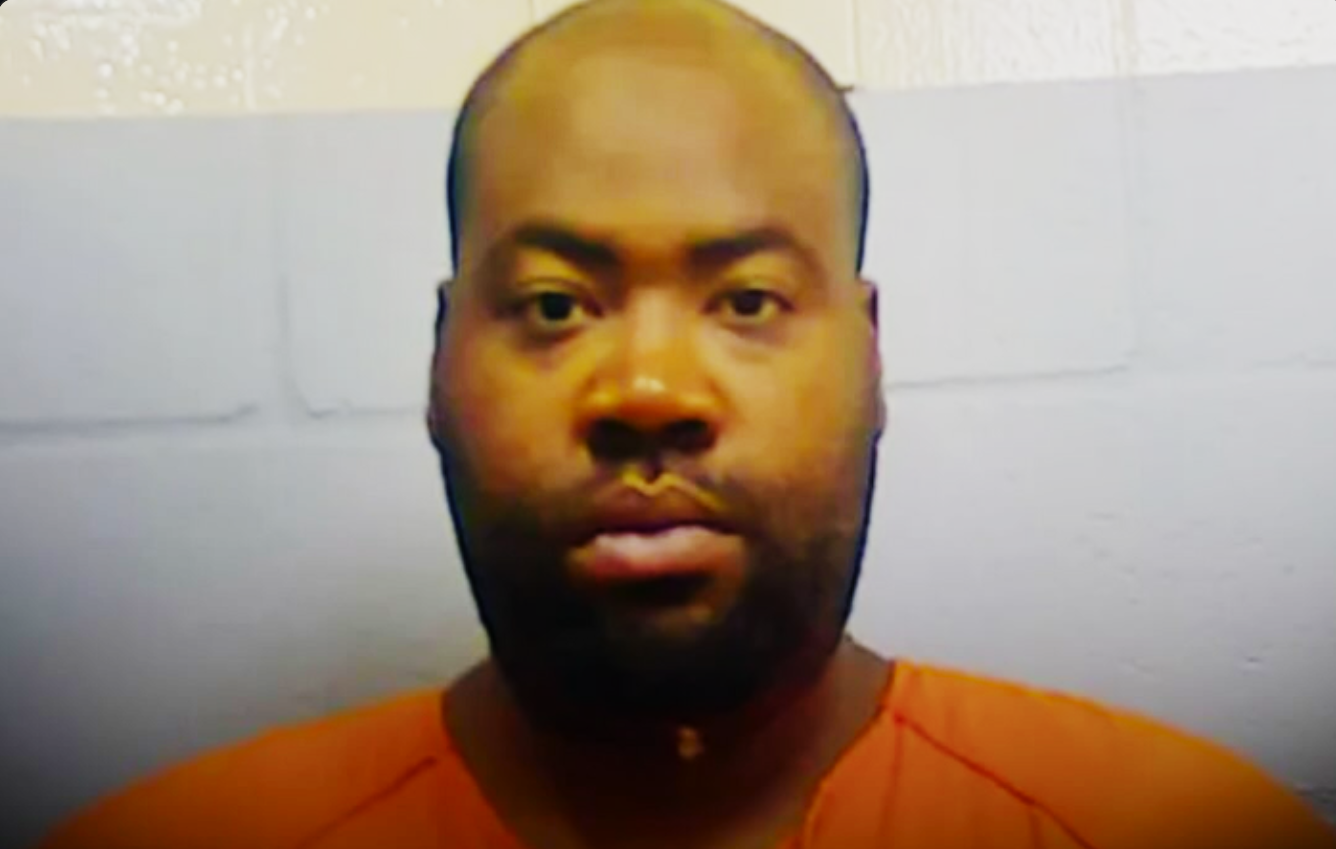
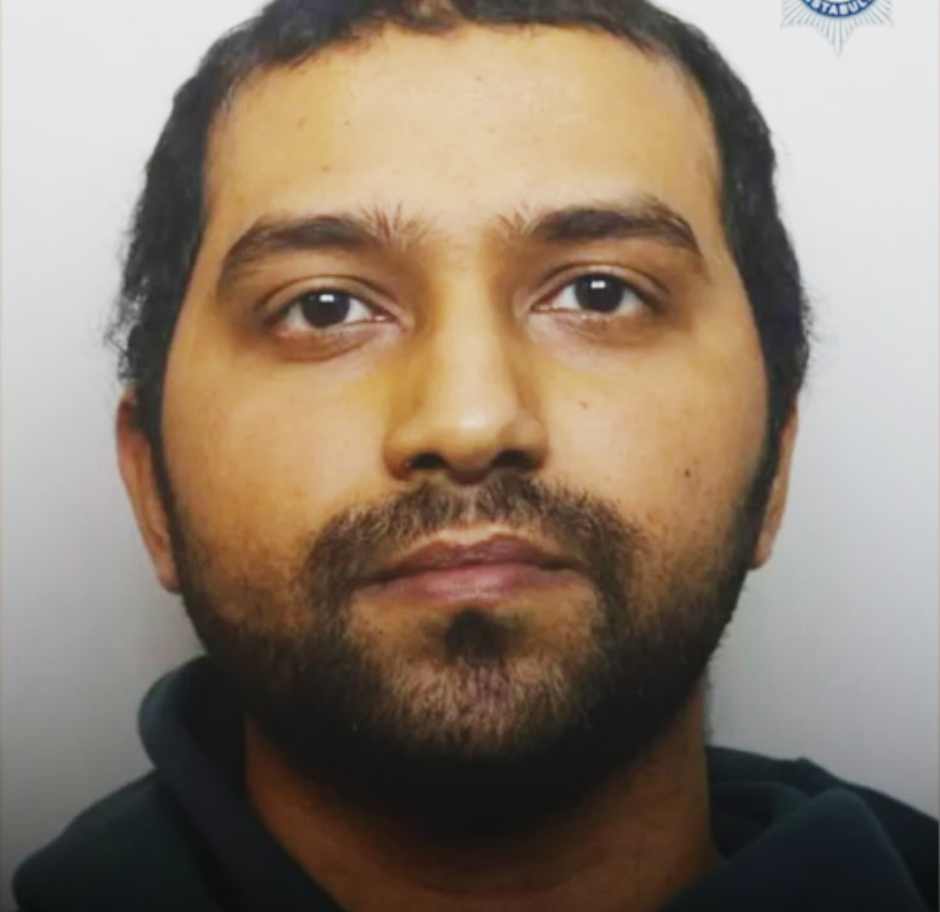
21-YEAR-OLD THOMAS ODURO STABBED TO DEATH IN NORTH LONDON AS POLICE LAUNCH MURDER INVESTIGATION

The Metropolitan Police has launched a murder investigation after Thomas Oduro, 21, from Tottenham, was stabbed to death in Haringey, north London. Officers were called to Lordship Lane at 6:07 p.m. on Friday, November 13, and the London Ambulance Service attended, but Oduro was pronounced dead at the scene. His family has been informed and is being supported by specially trained officers. Police had announced no arrest in their latest update.
LONDON — Metropolitan Police detectives have launched a murder investigation after 21-year-old Thomas Oduro was stabbed to death in Haringey, north London, on Friday evening, November 13, leaving his family devastated and prompting an urgent appeal for witnesses who may have seen what happened near Lordship Recreation Ground. Officers were called to Lordship Lane at 6:07 p.m. after receiving a report that a man had been stabbed, while London Ambulance Service crews also attended and attempted to save him. Despite their efforts, Oduro was pronounced dead at the scene, and police later identified him publicly as a resident of nearby Tottenham.
The Metropolitan Police said Oduro’s next of kin have been informed and are receiving support from specially trained family liaison officers while detectives work to establish the circumstances leading to the fatal attack. No arrest had been announced in the latest official police statement, and investigators have not publicly identified a suspect, disclosed a possible motive or said whether they believe Oduro knew the person responsible. Those unanswered questions mean the case remains at an early stage, with police relying heavily on witnesses, CCTV footage, phone records and forensic evidence gathered from the scene.
Detective Chief Inspector Phil Clarke, who is leading the investigation, said Oduro’s family had suffered a “devastating loss” and assured them that specialist officers would continue supporting them as inquiries progress. Clarke said residents should expect an increased police presence in the area over the coming days, both as detectives continue gathering evidence and as local officers provide reassurance in a community dealing with another fatal act of violence involving a young person.
Police are particularly asking to hear from anyone who was in or around Lordship Recreation Ground at approximately 6 p.m. on Friday. Investigators believe people walking through the park, driving nearby, using public transport or visiting homes and businesses in the area may have seen activity that initially appeared insignificant but could now help reconstruct Oduro’s final movements and identify those involved.
The location is a busy part of north London close to residential neighborhoods and public recreational space, meaning detectives are likely to have access to a substantial amount of potential video evidence from privately owned doorbell cameras, vehicle dashcams, businesses, traffic systems and council-operated CCTV. Modern murder inquiries in London frequently rely on combining those digital records with witness accounts and mobile-phone data to establish a timeline before and after an attack.
Footage circulating after the stabbing showed police vehicles and cordons around the Lordship Recreation Ground area, with forensic investigators working behind restricted access while officers secured the scene. Such cordons are routinely maintained after a fatal stabbing to prevent contamination of physical evidence, including potential weapons, blood traces, clothing fibers and other material capable of connecting a suspect to a victim or location.
The Metropolitan Police has not yet published a detailed account of precisely where Oduro was first attacked or whether he moved after being injured before collapsing on Lordship Lane. Some reports have described the stabbing as occurring in or near the recreation ground, while the official police statement records Lordship Lane as the location to which officers were called. Until detectives release more precise information, the safest conclusion is that the fatal incident occurred in the Lordship Lane and Lordship Recreation Ground area.
Oduro’s death has also attracted attention in Ghanaian media, where several outlets have described him as Ghanaian. The Metropolitan Police’s own statement identifies him as Thomas Oduro from Tottenham but does not specify his nationality or family background. Reports describing him as Ghanaian should therefore be attributed to Ghanaian media rather than presented as information independently confirmed by the Met unless his family or authorities provide further details.
That distinction is particularly important in the first days after a homicide, when personal information about a victim can spread rapidly through social media before relatives have had an opportunity to confirm details publicly. Police have so far released only limited biographical information beyond Oduro’s name, age and Tottenham residence, and there is no official account yet of his occupation, education, family circumstances or what he was doing immediately before the attack.
The focus of the investigation therefore remains firmly on establishing what happened on Friday evening. Detectives will seek to determine whether the stabbing followed an argument, robbery, planned confrontation, gang-related dispute or another circumstance, but police have not publicly endorsed any of those possibilities. Speculation about motive should be avoided unless investigators produce evidence supporting a particular explanation.
The absence of an announced arrest means the individual or individuals responsible may still be unidentified or at large. Police routinely avoid releasing every investigative detail during the early stages of a murder inquiry because premature disclosure can alert suspects, influence witnesses or compromise future interviews. The public appeal suggests detectives believe information from people who were in the area could significantly advance the case.
Haringey is one of London’s most diverse boroughs and includes Tottenham, Wood Green, Hornsey and several densely populated residential districts. The borough has experienced serious youth violence and knife crime over the years, although individual incidents should not automatically be interpreted as part of a wider gang pattern. Each homicide requires separate investigation, and there is currently no police statement connecting Oduro’s killing to any organized group.
His death nevertheless comes against the continuing national debate over knife violence in London and across England and Wales. The latest Office for National Statistics figures show that police recorded 48,615 knife or sharp-instrument offenses in England and Wales in the year ending June 2026, a 6 percent decline from the previous year. Within the Metropolitan Police area, recorded knife-enabled crime fell 12 percent to 13,748 offenses over the same period, indicating that overall levels were moving downward even as individual fatal attacks continue to cause profound public concern.
The same ONS figures show that 179 homicides in England and Wales involved knives or other sharp instruments in the year ending June 2026, representing a 9 percent decline from the previous period. Overall homicide also fell slightly, from 519 to 512 recorded offenses. Those figures are important because they demonstrate that Oduro’s death occurred during a period when national and London knife-crime indicators have generally improved rather than during a broad statistical surge.
London itself recorded 97 homicides in 2025, according to Metropolitan Police figures released earlier this year, the lowest annual total in 11 years and the lowest per-capita homicide rate since comparable records began. The Met credited a combination of targeted policing, arrests, technology and prevention work with helping reduce serious violence. Yet police leaders have repeatedly acknowledged that aggregate improvements offer little comfort to families who lose relatives in individual attacks.
That contrast is central to the continuing policy challenge. A city can experience falling homicide rates while still facing repeated incidents involving teenagers and young adults whose deaths have devastating effects on families, schools, friendship groups and neighborhoods. For communities, the emotional impact of a fatal stabbing is determined by the individual life lost rather than the broader statistical direction.
Young men remain particularly vulnerable in knife-related violence. Metropolitan Police analysis published in 2026 found that victims of knife-enabled offenses in London are predominantly male and that roughly half are under the age of 25. Oduro, at 21, falls directly within the demographic group that features most prominently in those statistics.
That does not explain why he was killed, and it would be wrong to infer anything about his lifestyle or associations from his age alone. What the statistics demonstrate is that serious violence continues to disproportionately affect younger men, reinforcing the emphasis police and local authorities place on early intervention, youth services and targeted action against individuals believed to pose the greatest risk.
London’s Violence Reduction Unit has attempted to complement conventional policing by addressing social factors associated with serious violence, including school exclusion, unemployment, family instability and exposure to trauma. Such programs operate on the principle that enforcement alone cannot prevent every stabbing and that reducing violence over the long term requires work with young people before they become victims or offenders.
Police enforcement remains crucial when a killing occurs. In Oduro’s case, the immediate task is identifying the person responsible and securing sufficient evidence for any eventual prosecution. That process may involve reviewing hundreds of hours of video, interviewing witnesses, examining mobile phones and conducting forensic searches in the area around Lordship Lane.
Detectives will also examine Oduro’s movements before the attack. Understanding who he had communicated with, where he had been and whether meetings had been arranged can help determine whether the encounter was spontaneous or planned. Such inquiries can be sensitive for grieving families, but they are standard elements of a homicide investigation.
Witness cooperation will be particularly important. People may hesitate to speak to police because of fear, uncertainty or concern about becoming involved in a criminal case. The Met therefore offers the option of contacting Crimestoppers anonymously, allowing information to be provided without revealing the caller’s identity.
The police appeal asks anyone with relevant information to call 101 and quote reference CAD 5439/13NOV26. Crimestoppers can also receive anonymous information on 0800 555 111. Those details remain important because seemingly minor observations, such as seeing someone running from the area or noticing a vehicle parked unusually nearby, can become significant when combined with other evidence.
Officers are also likely to continue house-to-house inquiries around the recreation ground and surrounding roads. These efforts can help identify cameras police may not initially know about and locate people who were present but did not realize they had witnessed anything relevant.
The increased police presence announced by Clarke has a second purpose beyond evidence gathering. Fatal violence can create anxiety among residents, particularly before a suspect is arrested, and visible patrols provide an opportunity for people to raise concerns directly with officers. Police may also use additional patrols to deter retaliation if detectives identify any possibility of continuing conflict.
There is currently no verified indication of retaliatory risk in this case. That possibility is mentioned only as a general consideration in homicide policing and should not be interpreted as evidence that Oduro’s killing was connected to gangs or an ongoing dispute.
The absence of information about a weapon is another area where caution is required. Police have confirmed that Oduro died following a stabbing, but the official statement has not described the knife or sharp instrument involved, whether it was recovered or how many wounds he suffered. Those details may emerge later through forensic findings or court proceedings.
A post-mortem examination is likely to form part of the investigation, as is standard after suspected homicide, although the Metropolitan Police statement released on Saturday did not provide details of the examination or formally state a medical cause of death beyond describing the incident as a fatal stabbing. Future police updates may provide further information once forensic procedures are completed.
The investigation will also be subject to the protections that apply to any potential suspect. Until someone is arrested, charged and prosecuted, police will generally avoid releasing identifying speculation. If arrests occur, those individuals will remain presumed innocent unless convicted in court.
For Oduro’s family, however, the legal process is only one part of what follows. Families affected by homicide often face months or years of investigations, court hearings and media attention while simultaneously grieving. Specialist family liaison officers are assigned in part to help relatives understand the investigative process and ensure important updates are communicated sensitively.
Police release of Oduro’s photograph also serves an investigative and human purpose. It identifies the victim as an individual rather than an anonymous statistic and can prompt people who knew him or saw him shortly before the attack to contact detectives. The photograph released by the Met shows a smiling young man and is now being used by major British broadcasters reporting on the appeal.
His death has resonated particularly strongly among Ghanaian audiences because of reports linking him to Ghanaian heritage. Ghana has a substantial diaspora population in London, including long-established communities across several boroughs. Until the family provides further information, however, it would be inappropriate to speculate about the depth of Oduro’s connections to Ghana or whether funeral arrangements will involve both countries.
The Metropolitan Police has also not announced whether officers are working with any overseas authorities, and there would ordinarily be no reason for such cooperation unless evidence in the case required it. The investigation is currently a London homicide inquiry centered on events in Haringey.
The case adds to a series of individual fatal stabbing investigations that continue to test London’s efforts to drive violent crime lower. Although the overall trend has improved, each unsolved homicide places pressure on police to maintain public confidence and demonstrates why reductions in annual crime totals cannot be treated as a complete solution.
For policymakers, the challenge is balancing immediate enforcement with prevention. Police need resources to investigate murders and remove dangerous weapons, while councils and community organizations argue that stable youth services, education, employment and mental-health support are equally important in reducing the circumstances in which serious violence develops.
The causes of knife violence are complex and vary between cases. Some attacks involve robbery, domestic disputes, organized crime or interpersonal conflict, while others develop suddenly from arguments. It would therefore be misleading to suggest there is a single explanation or policy capable of preventing every incident.
What can be measured is that London’s knife-enabled crime has declined from the previous year while remaining substantial in absolute terms. More than 13,000 knife-enabled offenses across the Metropolitan Police area still represent a significant policing burden, even if many involve threats rather than actual injury.
The latest Met bulletin indicates that a knife or sharp instrument causes physical injury in around one quarter of recorded knife-enabled offenses. Most recorded incidents instead involve a weapon being threatened or believed to be present. Fatal cases such as Oduro’s therefore represent a comparatively small portion of total knife crime but carry the most severe consequences.
The statistical context should not overshadow the current investigation. Police have not said whether Oduro’s killing was random, whether he was specifically targeted or whether detectives are pursuing known suspects. Until those facts emerge, the responsible focus remains on the witness appeal and the evidence available from the scene.
The timing of the attack may prove useful to investigators because it occurred at approximately 6 p.m., when people were likely to have been using roads, parks and public transport in the area. Friday evening pedestrian and vehicle activity could mean multiple potential witnesses were nearby even if they did not directly see the stabbing itself.
Digital evidence is also likely to be extensive. Modern London investigations benefit from dense CCTV coverage and widespread use of smartphones, dashcams and video doorbells. Detectives can often reconstruct movements over substantial distances by linking footage from multiple sources.
That work takes time, particularly when investigators need to identify individuals from poor-quality video or confirm timestamps across separate systems. Police appeals issued within 24 hours of a homicide are designed partly to preserve evidence before recordings are automatically deleted or overwritten.
The Met’s decision to publicly name Oduro and release his photograph on Saturday indicates that his family had been formally informed before the wider appeal. British police generally avoid public identification of homicide victims until next of kin have been notified.
At this stage, there has been no public statement from Oduro’s relatives. Their privacy should be respected while police continue the investigation and the family deals with the immediate aftermath of his death.
There is also no verified fundraising campaign, funeral announcement or family statement that VNTV can responsibly attribute to relatives at this point. Social-media accounts claiming to speak for the family should be treated cautiously unless their connection is independently established.
British media coverage has largely remained limited to the facts released by the Met, reflecting how little is currently known. ITV News, Sky News and the Evening Standard have all reported the death and witness appeal without identifying a motive or suspect.
That restraint is important because homicide investigations can be damaged by online rumors. False accusations can expose innocent people to harassment and potentially prejudice future criminal proceedings, while speculation about gangs or personal disputes can unfairly stigmatize victims.
The most useful role for the public at this stage is therefore to preserve and provide information. Anyone who was near Lordship Recreation Ground or Lordship Lane at approximately 6 p.m. on Friday should review phone photographs, vehicle cameras or doorbell footage and contact investigators if anything unusual appears.
Detectives will then determine whether the information is relevant. Members of the public do not need to decide themselves whether a detail is important before reporting it, because evidence that appears insignificant in isolation may match another witness account or video sequence.
For Haringey residents, the coming days are likely to bring continued police activity while forensic work is completed and detectives conduct interviews. Any major breakthrough, including an arrest or identification of a suspect, would normally be announced separately once investigators believe disclosure will not jeopardize the case.
Until then, Thomas Oduro’s killing remains an unsolved murder. The verified facts are limited but serious: a 21-year-old Tottenham resident was stabbed in the Lordship Lane area shortly after 6 p.m. on Friday, emergency services could not save him, his family has been informed and Metropolitan Police detectives are urgently seeking witnesses.
The next critical development will be whether those appeals produce enough evidence to identify whoever carried out the attack. For Oduro’s family, the immediate priority is answers and accountability. For the wider community, the killing is another painful reminder that even amid improving crime statistics, fatal knife violence continues to take young lives and leave families confronting losses that no statistical decline can make less devastating.