

THE NAIRA IS SLIPPING AGAIN, AND THE 2027 ELECTION SEASON HAS NOT EVEN STARTED. CAN NIGERIA'S FX REFORMS SURVIVE CHRISTMAS AND THE CAMPAIGN?
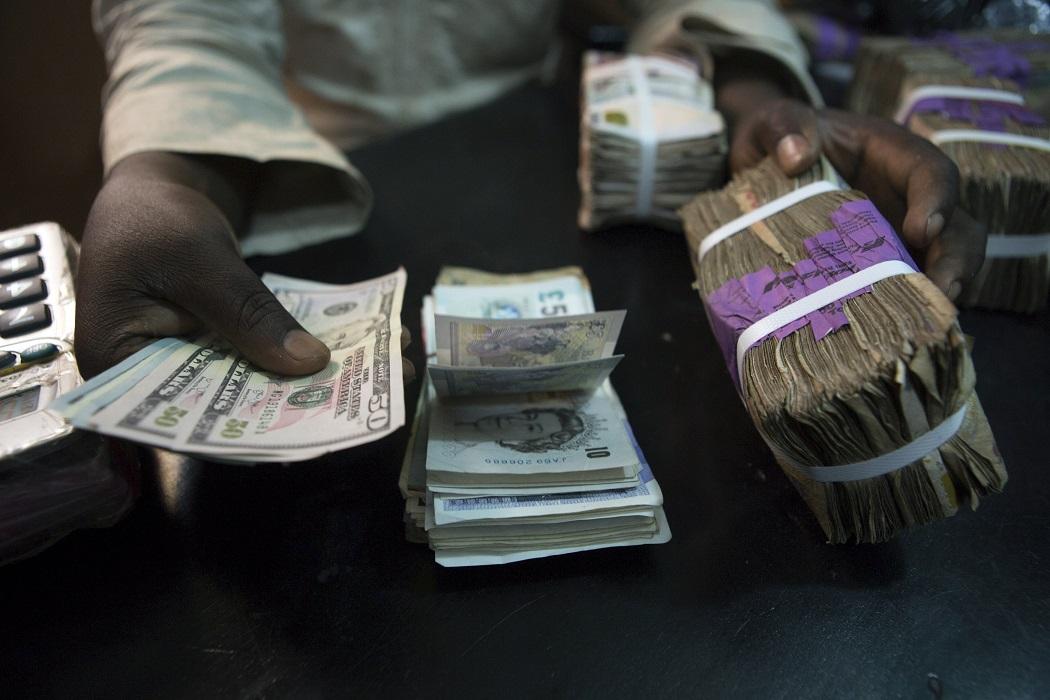
The naira closed at N1,394 to the dollar at the official foreign exchange market on Friday, November 20, 2026. That extended a losing streak that began midweek. The currency lost N6 on Friday. It had already lost N8.01 on Thursday, closing at N1,388/$, and N16.99 on Wednesday, when it slipped to N1,379.99/$ from N1,363/$ on Tuesday. In three trading sessions, the official rate weakened by N31, or about 2.3 percent. Market data suggest Friday's close was the naira's weakest official level since at least late October. The pressure is sharper on the street. At the parallel market, the naira traded at N1,460/$ on Sunday, November 22, down from N1,440/$ on Thursday and N1,375/$ a month earlier. That is a slide of roughly 6 percent in about four weeks. The gap between the official and parallel rates has widened to about N66, or close to 5 percent. Some currency dealers said they were willing to offer better rates to buyers of large volumes, which suggests the market still has dollars to sell even as prices rise. Analysts and traders link the renewed pressure to two seasonal forces arriving together. The first is year-end festive demand for dollars, driven by travel, imports and overseas payments. The second is the early build-up to the 2027 general elections, when political spending has historically been linked to stronger demand for hard currency. The weakness so far is modest compared with the naira's collapse in 2023 and early 2024. But it tests the credibility of the Central Bank of Nigeria's (CBN) foreign exchange reforms. It also threatens the hard-won slowdown in inflation and raises questions for households, businesses and neighboring economies, including Ghana, that trade closely with Nigeria.