
"YOUR CASH IS READY": ATO FORSON PROMISES DDEP BONDHOLDERS THEIR MONEY AS FITCH WARNS GHANA COULD HIT TURBULENCE IN 2027
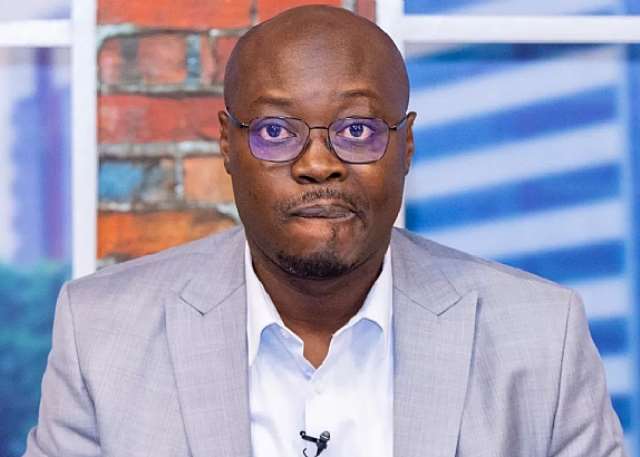
Ghana's Finance Minister, Dr. Cassiel Ato Forson, has publicly assured holders of bonds issued under the Domestic Debt Exchange Programme (DDEP) that mature in February 2027 that the money to pay them is ready. "Your cash is ready. Come for your money," he said, in a message aimed at investors who suffered heavy losses during Ghana's debt restructuring. At almost the same time, global ratings agency Fitch warned that Ghana's economy could face potential "turbulence" heading into 2027. Together, the two developments capture the mood of a country caught between recovery and risk. The DDEP was launched in December 2022, at the height of Ghana's worst economic crisis in a generation. Inflation had soared above 50%, the cedi had collapsed, and the government had suspended payments on most of its external debt, which amounted to a sovereign default. To restore debt sustainability and unlock a $3 billion support programme from the International Monetary Fund, the government asked local bondholders to swap their old bonds for new ones with longer maturities and lower interest rates. Banks, pension funds, insurers and many individual savers took painful losses, and trust in government paper was badly shaken. The February 2027 maturity is one of the first major tests of whether the restructured bonds will be honored in full and on time. A smooth payout could help rebuild confidence, lower borrowing costs and revive the domestic bond market. Fitch's warning, however, is a reminder that the recovery remains fragile. Large debt repayments, the transition beyond the IMF programme, pressure on public spending ahead of the 2028 elections, and Ghana's dependence on gold and cocoa prices all leave the country exposed. The central question is whether the government's confidence reflects lasting strength or a fleeting window of good news.
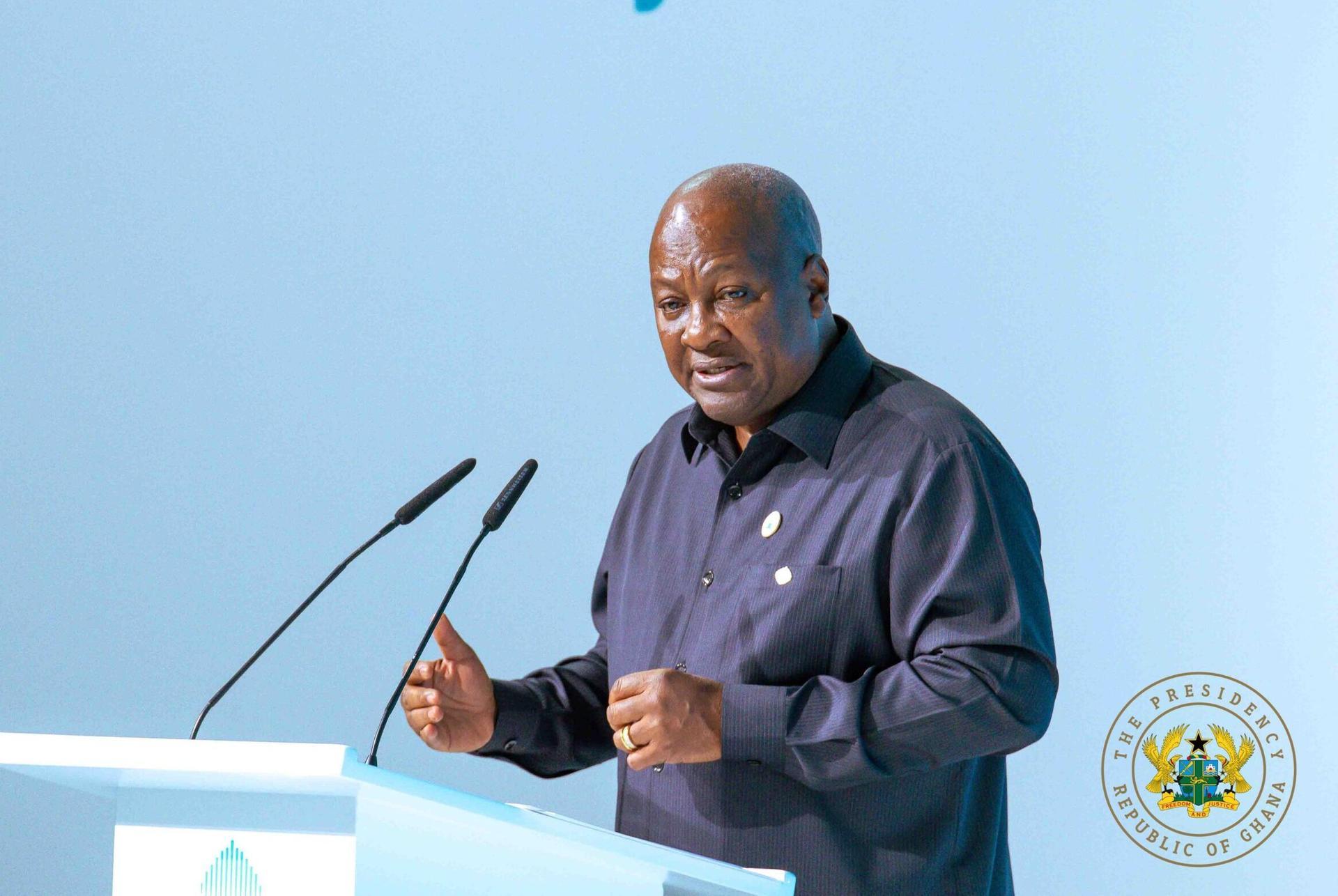
Ghana's Finance Minister chose his words carefully, and he chose them to be remembered. "To every DDEP bondholder whose bond matures in February 2027, I have some good news for you: Your cash is ready. Come for your money." The message from Dr. Cassiel Ato Forson was short, direct and plainly designed to reassure. It was also aimed at a group of people with every reason to doubt government promises. These are the bondholders who saw the value of their savings cut during the Domestic Debt Exchange Programme, the painful restructuring that defined Ghana's economic collapse in 2022 and 2023. Yet almost as soon as the minister's assurance spread across social media and the airwaves, a more cautious voice entered the conversation. Fitch Ratings, one of the world's three major credit ratings agencies, warned that Ghana's economy could face potential "turbulence" heading into 2027. One message says the worst is behind us. The other says the road ahead may still be rough. For millions of Ghanaians trying to decide whether to trust the recovery, the gap between those two messages matters a great deal.
To understand why a simple promise to repay a bond has drawn so much attention, it helps to go back to the crisis that made the DDEP necessary. By 2022, Ghana's economy was in deep trouble. Years of heavy borrowing, large budget deficits and costly energy sector obligations had pushed public debt to levels that markets no longer believed were sustainable. The COVID-19 pandemic hit government revenue hard, and the shock from Russia's invasion of Ukraine sent fuel and food prices soaring. International investors pulled back, and Ghana lost access to the Eurobond market it had relied on for years. The cedi went into free fall, losing a large share of its value against the US dollar within months. Inflation climbed relentlessly and peaked above 54% by the end of 2022, the highest in more than two decades. Families watched the cost of food, transport, rent and school fees rise faster than wages could follow. Businesses struggled to import goods and plan ahead. Public anger grew, and protests broke out in Accra over the cost of living.
In December 2022, the government took two dramatic steps. It suspended payments on most of its external debt, including Eurobonds, commercial loans and some bilateral loans, which amounted to a sovereign default. It also launched the Domestic Debt Exchange Programme, asking holders of local currency government bonds to exchange their existing bonds for a new set of bonds. The new bonds carried lower interest rates and much longer repayment periods, stretching from 2027 into the following decade. For the government, the logic was clear. Without cutting the cost of servicing its domestic debt, Ghana could not meet the debt sustainability targets required by the International Monetary Fund. Without an IMF agreement, there would be no bailout, no return of investor confidence and no path out of the crisis.
For bondholders, the logic felt very different. Many had bought government bonds precisely because they were seen as the safest investment available in Ghana. Banks held large amounts of them. Pension funds had invested workers' retirement savings in them. Insurance companies relied on them to meet their obligations. Thousands of ordinary Ghanaians, including teachers, retirees and small business owners, had put their savings into government paper. The exchange meant accepting lower returns and waiting years longer for their money. Even when the terms were revised after negotiations, the losses in real value were significant. Individual bondholders organized protests, pensioners pushed back hard, and financial institutions warned about the hit to their balance sheets. Several banks needed to rebuild their capital after the losses. The episode left a deep scar on public trust. A government bond, once seen as a promise that would always be kept, had been rewritten.
The IMF approved a $3 billion Extended Credit Facility for Ghana in May 2023, after the domestic exchange was largely completed. The programme came with strict conditions: tighter spending, stronger revenue collection, reforms in the energy sector and tougher controls on public finances. Over the following months, Ghana also worked to restructure its external debts, reaching agreements with official creditors and, in 2024, completing a deal with holders of its Eurobonds. Slowly, the numbers began to improve. Inflation came down from its peak. The cedi stabilized and, at points, strengthened sharply. Gold prices rose, boosting export earnings and foreign reserves. Fitch and other agencies gradually raised Ghana's credit rating from the default category, signaling that the worst danger had passed.
That is the backdrop for Ato Forson's message. The February 2027 maturity is one of the first major repayments on the bonds created through the DDEP. It is, in a very real sense, a test of whether the new promise will be kept where the old one was broken. When the minister says "your cash is ready," he is not just talking about a payment. He is trying to tell bondholders, markets and the wider public that Ghana can once again be trusted to honor its debts. The decision to announce it publicly, months ahead of the maturity date and in such plain language, reflects how important that message is to the government.
There are good reasons for the government to make this point loudly. Confidence is the lifeblood of any debt market. Ghana's government still needs to borrow at home to finance its budget, refinance maturing debt and fund development projects. If investors believe they will be paid on time, they are more willing to lend and to accept lower interest rates. Lower rates mean the government spends less on interest and has more room to spend on roads, schools, hospitals and wages. A smooth repayment in February 2027 would also help banks, pension funds and insurers, many of which still carry DDEP bonds on their books. Cash flowing back to them could support new lending to businesses and households. For individual bondholders, especially retirees and those who felt cheated during the exchange, receiving their money in full and on time would be a meaningful step toward repairing their faith in the system.
The announcement also serves a political purpose. The National Democratic Congress government of President John Dramani Mahama came to power in January 2025 promising to "reset" Ghana's economy and restore discipline after the crisis that unfolded under the previous administration. Ato Forson, a former deputy finance minister and Minority Leader in Parliament, was a sharp critic of the DDEP and of the economic management that led to it. Being able to tell bondholders that their money is ready allows the government to present itself as the team that is cleaning up the mess. It is a powerful message, and one that will resonate with voters who suffered through the crisis.
Yet Fitch's warning complicates that story. Ratings agencies exist to judge the risk that a borrower will fail to repay its debts. When an agency like Fitch talks about possible "turbulence," it is not predicting another default. It is flagging that the conditions ahead could become difficult enough to test Ghana's stability. That kind of caution matters because investors around the world use ratings to decide where to put their money, how much interest to demand and how long to commit. Even a hint of rising risk can affect borrowing costs and investor sentiment.
Several pressures help explain why analysts remain wary about 2027. The first is the sheer weight of debt repayments now coming due. The DDEP and the external restructuring bought Ghana time by pushing payments into the future. That time is now beginning to run out. As restructured bonds mature and payments on renegotiated external debts resume, the government will need a steady flow of cash to meet its obligations. Paying one set of bondholders in February 2027 is important, but it is only one of many payments in a long schedule. The question is not just whether Ghana can pay this bill, but whether it can keep paying the bills that follow.
The second pressure is the end of the IMF programme. The Fund's support has provided more than money. It has given investors a sense that an outside referee is watching Ghana's public finances and holding the government to firm targets. Once a programme ends, that discipline depends entirely on the government's own commitment. History offers reasons for concern. Ghana has signed many IMF programmes over the decades, and some periods of reform have been followed by renewed spending and fresh debt problems. Analysts will be watching closely to see whether the government can keep its deficits under control without the IMF looking over its shoulder.
The third pressure is politics. Ghana's next general election is due in December 2028, which makes 2027 the year before the campaign season heats up. In many countries, and certainly in Ghana's history, election years and the periods leading up to them have often brought spending overruns. Governments face strong pressure to complete visible projects, raise public sector wages and expand popular programmes. Ghana's fiscal deficits have frequently widened around election cycles, and that pattern contributed to the build-up of debt that ended in the 2022 crisis. Fitch and other analysts are likely to treat the run-up to 2028 as a period of heightened risk.
The fourth pressure comes from outside Ghana's control. The recent recovery has benefited greatly from high gold prices, which have boosted export earnings, government revenue and foreign reserves. Cocoa, another pillar of the economy, has seen both sharp price swings and serious production problems linked to disease, smuggling and illegal mining, known locally as galamsey, which has destroyed farmland and polluted rivers. If commodity prices fall, if global interest rates stay high, or if a fresh shock hits world markets, Ghana's progress could quickly reverse. The cedi's recent strength, welcome as it has been, could also prove temporary if export earnings weaken or if investor confidence wavers.
There are domestic weak spots too. The energy sector remains a heavy drain on public finances, with large debts owed to independent power producers and persistent losses in electricity distribution. Recurring power outages have hurt businesses and households. The banking sector, though more stable than it was during the crisis, is still recovering from the DDEP losses. Unemployment, especially among young people, remains high, and many households continue to struggle with the cost of living even as headline inflation has eased. Lower inflation means prices are rising more slowly, not that they have fallen back to where they were before the crisis.
This is where the tension between government optimism and analyst caution becomes clear. Both can be true at the same time. Ghana can have the cash ready to pay its February 2027 bondholders and still face serious risks in the year ahead. The government's message focuses on what has been achieved. Fitch's warning focuses on what could still go wrong. The danger lies in treating either message as the whole story. If the government leans too heavily on good news, it may be tempted to relax spending discipline just as the risks are growing. If markets and citizens focus only on the warnings, they may underestimate the real progress that has been made.
For bondholders, the practical lesson is to welcome the minister's assurance while keeping a close eye on what comes next. A promise made months before a payment date carries weight, especially when it is made so publicly. A Finance Minister who tells bondholders to "come for your money" and then fails to deliver would face enormous political and financial damage. That gives the government a strong incentive to follow through. Still, investors who were burned once will understandably want to see the money in their accounts before they fully trust the system again. Confidence, once lost, is rebuilt slowly, one payment at a time.
For the government, the challenge is to turn a strong message into a lasting track record. Paying the February 2027 maturity on time would be a significant milestone. Paying every maturity after that, while keeping deficits in check through an election cycle and beyond the IMF programme, would be a far greater achievement. Transparency will help. Clear communication about Ghana's debt schedule, how upcoming payments will be funded and how the government plans to manage risks would give investors and citizens more reason to believe that the recovery is real and durable. Reforms in the energy sector, stronger revenue collection, tighter control of spending and a serious fight against galamsey and corruption would all strengthen Ghana's position against the turbulence Fitch has flagged.
For ordinary Ghanaians, the stakes are personal. The debt crisis was not an abstract event on a spreadsheet. It meant lost savings, shrinking pensions, soaring prices and businesses forced to close. A stable economy means jobs, predictable prices and the ability to plan for the future. Every Ghanaian has an interest in seeing the government keep its word to bondholders, because a country that pays its debts can borrow more cheaply and invest more in its people. And every Ghanaian has an interest in leaders who take warnings seriously rather than dismissing them as pessimism.
Ghana has been here before, celebrating economic recovery only to slide back into crisis a few years later. The country's history includes repeated cycles of boom, borrowing and bust. Breaking that cycle requires more than a single successful payment or an upgrade from a ratings agency. It requires sustained discipline, honest communication and institutions strong enough to hold any government to account, regardless of which party is in power.
Ato Forson's promise and Fitch's warning, arriving side by side, offer a clear picture of where Ghana stands. The country has climbed out of the deepest part of the hole. The cash is ready for the first major test. But the climb is not finished, and the path into 2027 will demand the kind of steady management that Ghana has too often struggled to sustain. The coming year will reveal whether this recovery marks a genuine turning point or simply a pause between storms. Bondholders will be counting their money in February. The rest of the country will be counting on what happens after that.