
YOU LEFT DEBTS ANAMBRA GOVERNMENT FIRES BACK AT PETER OBI WITH $123.77 MILLION LOAN CLAIM
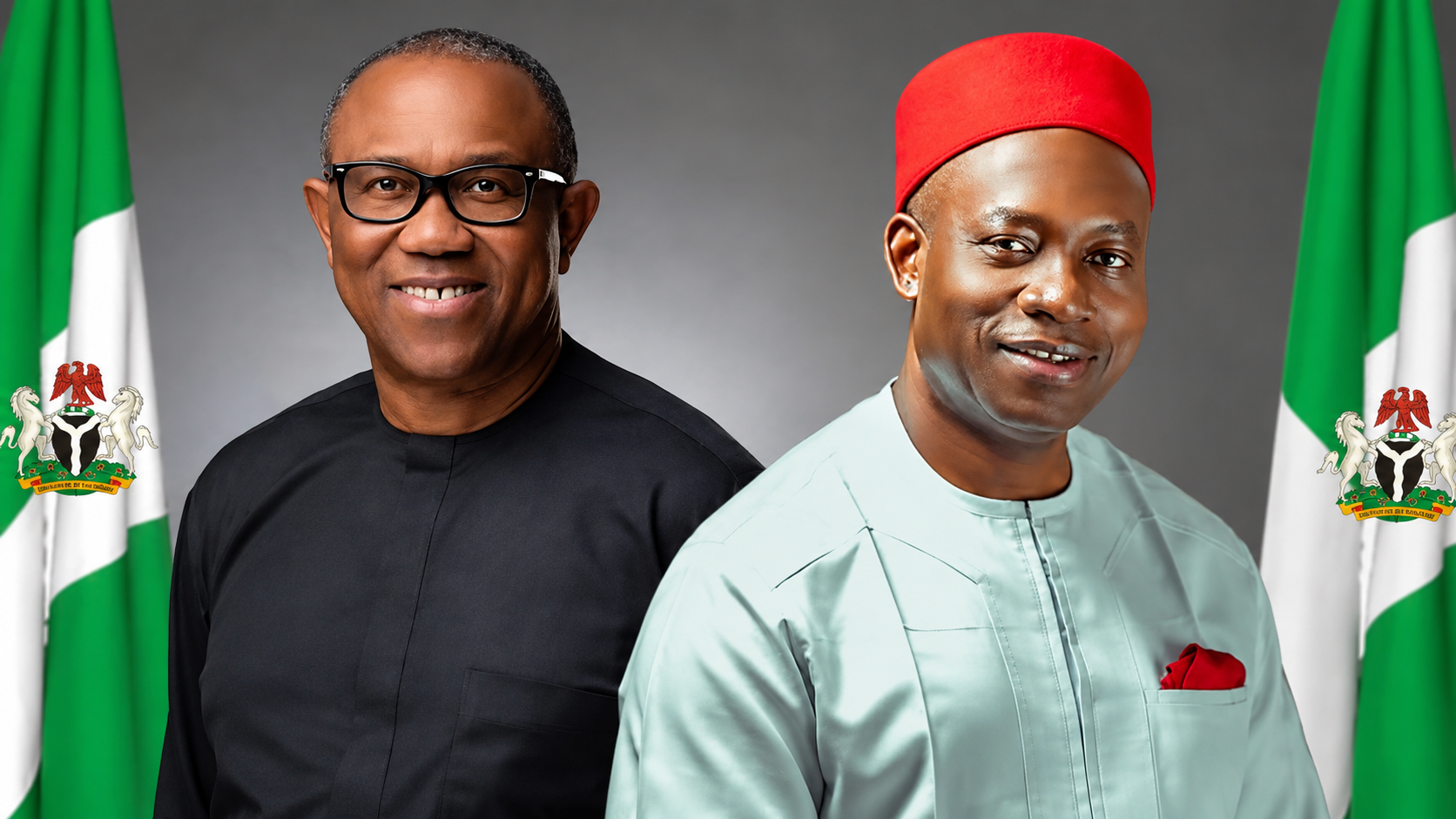
The Anambra State Government has intensified its dispute with former governor Peter Obi, alleging that eight external development facilities associated with his administration had a combined contracted value of $123.77 million and that substantial obligations continued after he left office. Obi rejects the government's characterization, arguing that the facilities were concessional development programmed arranged through the Federal Government and that Anambra's recorded external debt was about $30 million when he left office in March 2014.
The Anambra State Government has escalated its increasingly bitter dispute with former governor and 2027 presidential candidate Peter Obi, accusing his administration of leaving behind external financial obligations despite his repeated insistence that he departed office without unpaid debts.
At the center of the latest confrontation is a figure of $123.77 million.
The government of Governor Chukwuma Soludo says eight external facilities associated with projects during Obi's administration had a combined contracted value of approximately $123.77 million.
According to figures released by the state government, about $92.35 million remained outstanding as of June 30, 2026.
Obi strongly disputes how those numbers are being presented.
He says the government is combining different financial concepts including amounts approved for multiyear development programmed, money actually drawn down and balances remaining years later and presenting the result as debt he personally left behind.
The dispute has now become more than an argument over accounting.
With Obi campaigning for the presidency in 2027, his record as governor of Anambra between 2006 and 2014 has become part of a wider political battle over his claims of fiscal prudence.
EIGHT FACILITIES AT THE CENTRE OF THE FIGHT
Anambra Commissioner for Information and Value Reorientation Law Mefor says Obi's administration was associated with eight external borrowings signed between 2007 and 2013.
The facilities were linked to development programmed involving areas including malaria control, healthcare, education, erosion management, community development and agricultural value chains.
The state government says the combined contracted amount was approximately $123.77 million.
It says about $92.35 million remained outstanding as of June 30, 2026.
Mefor says subsequent administrations have continued servicing obligations connected to those facilities.
The government argues that this contradicts Obi's repeated statements that he left Anambra without debt.
But that interpretation is precisely what Obi is challenging.
OBI SAYS THE ACCOUNTING IS WRONG
Obi says describing the entire $123.77 million as debt he left behind is an incorrect application of public-sector accounting.
He maintains that he did not approach a commercial financial institution to borrow money for Anambra and did not issue a bond on behalf of the state during his eight years as governor.
According to Obi, the facilities being cited were largely concessional development programmed involving the World Bank and International Fund for Agricultural Development.
He says such programmed were negotiated by the Federal Government, with qualifying states accessing funding through subsidiary arrangements.
The former governor acknowledges that participating states can have repayment obligations under those programmed.
But he argues that this is different from saying he personally borrowed $123.77 million and handed the entire debt to his successor.
His central argument is that three figures must be separated.
The total amount approved for a development programmed.
The amount actually drawn by Anambra while he was governor.
And the outstanding amount when he handed over power on March 17, 2014.
Obi says the current government's presentation fails to make those distinctions properly.
OBI POINTS TO DMO FIGURES
The former governor has also challenged the claim using figures he attributes to Nigeria's Debt Management Office.
According to Obi, Anambra's external debt stood at approximately $18 million when he became governor in March 2006.
He says the figure was approximately $30 million when he left office in March 2014.
By December 31, 2014, about nine months after his departure, he says the state's external debt was approximately $45.15 million.
Obi therefore wants the state government to explain how it can say he left $123.77 million in external debt when, according to the DMO figures he cites, the recorded external debt was substantially lower at the point he handed over.
That is one of the central unresolved questions in the dispute.
ANAMBRA GOVERNMENT IS NOT BACKING DOWN
The Soludo administration says its figures are based on loan records and the state's interpretation of Debt Management Office data.
It argues that looking only at the recorded debt stock at a particular point does not necessarily capture commitments associated with development facilities already entered into by an administration.
The state government has also broadened its attack beyond external financing.
It has released records it says demonstrate outstanding salary obligations involving workers and pensioners of two defunct state agencies.
Documents reported by ARISE News refer to a N363.381 million payment scheduled for 2026 under an agreement dealing with outstanding salary arrears involving the former Anambra State Water Corporation and Anambra State Environmental Protection Agency.
The government argues that those records further undermine Obi's assertion that he left no unpaid obligations.
But the history of some salary arrears has itself become contested.
One document publicised by the government concerning Water Corporation workers dates to April 25, 2006 — only weeks after Obi was sworn in on March 17 — raising the possibility that at least some of those arrears predated his administration.
That makes the timeline of each liability important.
OBI SAYS HE LEFT MORE THAN $150 MILLION
Obi is countering the debt allegations with his own claim about what he left behind.
He says the dollar component of investments he left for Anambra exceeded $150 million.
According to him, those investments could have generated approximately $10 million annually if they had remained untouched.
He argues that even if the government's current calculation of outstanding development obligations were accepted, the investments he says he left behind would have been more than sufficient to offset them over time.
The state government disputes the broader narrative that Obi left Anambra in the exceptionally strong financial condition he describes.
That disagreement has now turned into competing sets of figures, documents and interpretations.
THIS IS NOW AN ACCOUNTING BATTLE
At the heart of the controversy is an important distinction.
A facility can have a total approved or contracted value without the entire amount having been disbursed immediately.
Development financing can also be drawn over several years, including after the administration under which the programme was approved has left office.
That means the dates of approval, signing, disbursement and repayment all matter when determining which administration actually incurred or utilised particular obligations.
This is why simply placing $123.77 million beside Peter Obi's name does not, on its own, resolve the dispute.
The government says the eight facilities originated during his administration and left obligations for his successors.
Obi says the figure misrepresents the amount actually owed when he handed over.
Both claims require the underlying financial records to be examined according to their dates, drawdowns and outstanding balances.
THE POLITICAL STAKES ARE GETTING HIGHER
The dispute is unfolding as Nigeria moves towards the 2027 presidential election.
Obi's reputation for fiscal discipline has long been a major part of his political message.
His record in Anambra is therefore politically significant.
The Soludo administration's allegations challenge one of the central claims surrounding that record.
Obi, meanwhile, has publicly challenged the government to demonstrate that he left unpaid debts, salaries, pensions or verified contractor obligations.
He has also said he has no personal disagreement with Soludo and does not intend to return to the Anambra governorship.
But the exchange between his camp and the state government continues to intensify.
DOCUMENTS WILL HAVE TO SETTLE THE ARGUMENT
The dispute ultimately cannot be resolved by political statements alone.
The critical evidence would include the original financing agreements, dates each facility was approved and signed, actual amounts drawn during Obi's tenure, subsequent drawdowns after March 2014, repayment schedules and Anambra's official debt stock at the point of transition.
Those records could distinguish between a development facility approved under Obi, money actually received and spent under Obi, and liabilities that materialised or were drawn after his departure.
For now, the positions remain sharply opposed.
The Anambra State Government says Obi's administration was associated with eight external facilities worth $123.77 million and that significant obligations remain.
Peter Obi says that presentation is misleading and that the state's official external debt when he left office was far below that amount.
As the political temperature rises ahead of 2027, the argument is likely to continue.
But the most important question is not which side can produce the strongest political statement.
It is what the complete financial records show.