
TRANSPORT FARES TO RISE BY 8% ACROSS GHANA FROM SATURDAY
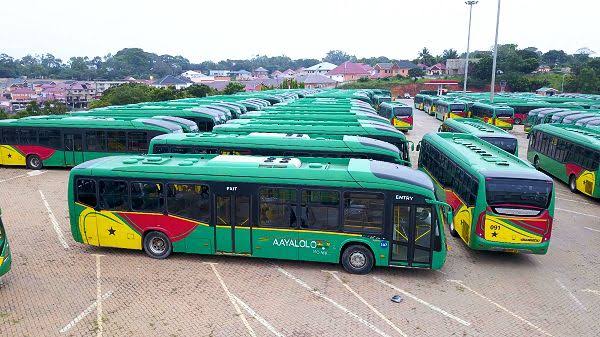
Public transport fares across Ghana will increase by 8% from Saturday, September 26, following an agreement between transport operators and the government. The GPRTU had initially sought a 30% increase as operators complained about rising fuel prices and other operating costs.
Public transport fares across Ghana will increase by 8% from Saturday, September 26, following an agreement between the Ghana Private Road Transport Union and the government after weeks of negotiations over rising operating costs.
The agreement means commuters using commercial public transport, including trotros and shared taxis, will begin paying the revised fares this weekend.
GPRTU Deputy Public Relations Officer Samuel Amoah said the decision was reached after a final meeting with the Ministry of Transport on Tuesday, September 22.
The union had initially demanded a 30% increase, arguing that higher fuel prices and increases in the cost of spare parts, insurance, lubricants and other expenses were putting growing pressure on commercial drivers.
In the days leading up to the final negotiations, GPRTU maintained that it wanted an increase of between 25% and 30%.
That position changed during Tuesday's talks.
Amoah said government officials indicated that President John Mahama had directed measures expected to result in further reductions in petroleum product prices.
The two sides eventually agreed on an 8% adjustment.
GPRTU is now preparing the revised fare structure and distributing the information to its members ahead of implementation on Saturday.
The increase follows weeks of uncertainty for commuters and transport operators as the government attempted to limit the impact of higher fuel costs on public transport fares.
Earlier discussions included a government intervention of GH¢2 per litre on diesel aimed at cushioning commercial transport operators and passengers.
Despite that intervention, GPRTU maintained that its members continued to face higher operating expenses.
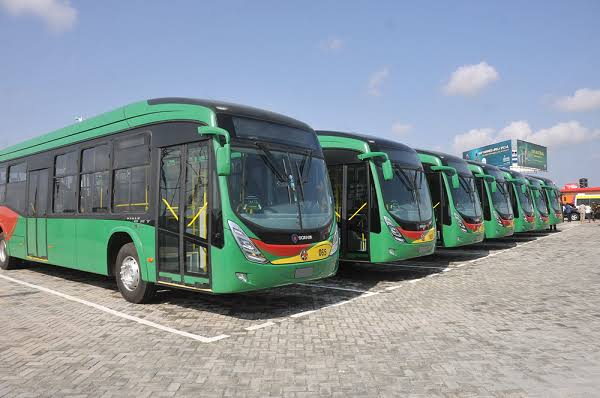
The union cited fuel, spare parts, insurance premiums, vehicle licensing charges, lubricants and maintenance costs among the factors behind its demand for higher fares.
Fuel prices have come under renewed pressure in recent weeks.
The National Petroleum Authority raised the price floor for petrol and diesel for the pricing window beginning September 16, prompting some oil marketing companies to adjust pump prices.
GPRTU subsequently argued that keeping transport fares unchanged would leave many commercial drivers operating at a loss.
The 8% agreement represents a significant reduction from the union's original 30% demand and comes after several rounds of negotiations involving the Transport Ministry, GPRTU and the Ghana Road Transport Coordinating Council.
The increase is expected to have an immediate effect on household transportation costs, particularly for workers, students and other commuters who rely on public transport daily.
Transport fares are also closely watched because increases can affect the wider cost of living. Businesses that depend on commercial transportation may face higher distribution and commuting costs, potentially adding pressure to household and business expenses.
Authorities and transport unions have previously warned drivers against introducing unauthorised fare increases outside officially agreed rates.
GPRTU said the approved 8% adjustment will be communicated to its members before Saturday to ensure operators have the correct fares for individual routes.
For commuters, the agreement brings an end to weeks of uncertainty over how much fares would rise.
The new rates will take effect nationwide on Saturday, September 26.