
GHANA FINANCE MINISTRY EXPECTED TO WRITE OFF $120 MILLION OF TOR LEGACY DEBT

Ghana's Finance Ministry is expected to write off about $120 million of Tema Oil Refinery's legacy debt as the state-owned company seeks to strengthen its finances and resolve hundreds of millions of dollars in outstanding obligations to private and state creditors.
Ghana's Finance Ministry is expected to write off approximately $120 million of Tema Oil Refinery's legacy debt, a move that could provide significant financial relief to the state-owned refinery as it works to reduce longstanding liabilities and rebuild its operations.
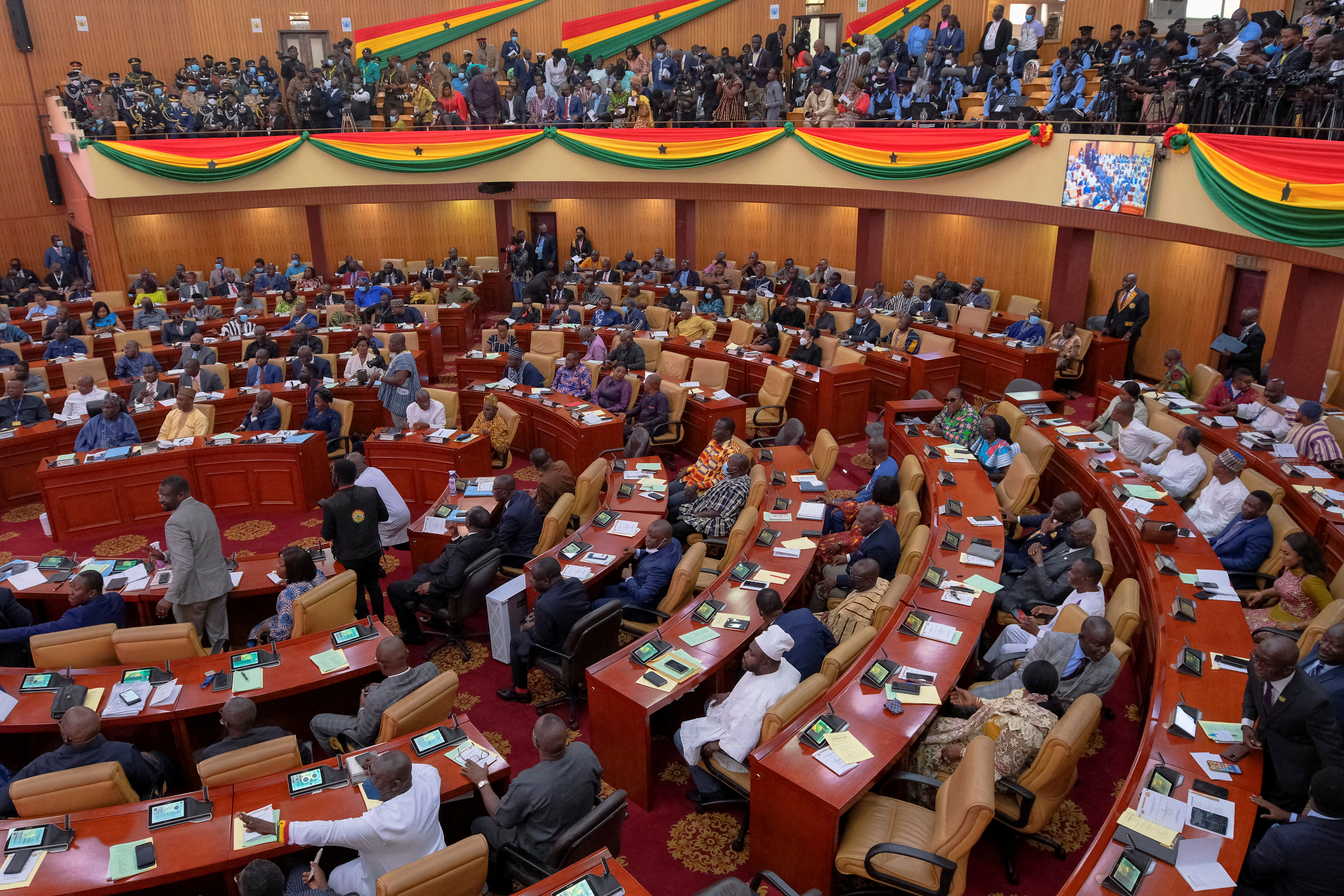
TOR Managing Director Edmond Kombat disclosed the planned debt relief during a working visit to the refinery by Parliament's Energy Committee.
Kombat said TOR's legacy obligations currently stand at roughly $400 million following an earlier restructuring of the company's historical debts.
The proposed $120 million write-off relates to obligations owed to the government and is expected to further reduce the refinery's debt burden.
"Currently, the Ministry of Finance is saying they are going to write off some of the debts owed to them," Kombat said.
He said the amount under consideration was approximately $120 million and indicated that the measure was expected to be incorporated into the government's fiscal arrangements.
The Finance Ministry has not separately announced that the write-off has been completed. Kombat's comments therefore describe an expected measure rather than a debt cancellation that has already taken effect.
TOR STILL FACES MAJOR OBLIGATIONS
Even if the proposed write-off is completed, TOR will continue to carry substantial liabilities.
Kombat said the refinery's remaining legacy debt consists of five major obligations involving both private creditors and state-owned institutions.
Among the private creditors are international energy companies Sahara and BP.
TOR is in discussions with those companies as management seeks possible discounts on the amounts outstanding, Kombat said.
The refinery also owes the Ghana National Petroleum Corporation and the Volta River Authority.
Kombat appealed to Parliament's Energy Committee for assistance in addressing those obligations, suggesting that debts involving state institutions could potentially be resolved through arrangements within the public sector.
The negotiations form part of a wider effort to repair TOR's balance sheet as management attempts to restore the refinery to sustainable operations.
REVIVING GHANA'S STATE OWNED REFINERY
The debt discussions come at a significant point in efforts to revive TOR, which has faced years of operational and financial difficulties.
Established in 1963, the refinery has historically played a central role in Ghana's petroleum industry but has struggled with accumulated debt, ageing infrastructure and periods of limited refining activity.
The government has made restoring domestic refining capacity a central part of its energy strategy.
Energy Minister John Abdulai Jinapor said in July that planned expansion at TOR and the privately owned Sentuo Oil Refinery could eventually allow the two facilities to meet about 70% of Ghana's demand for refined petroleum products.
The government has argued that increasing local refining could reduce Ghana's dependence on imported petroleum products, ease demand for foreign currency and strengthen the country's fuel supply.
TOR management, meanwhile, says it is pursuing operational reforms aimed at improving efficiency, productivity and profitability.
Reducing the refinery's legacy debt would address only part of that challenge.
Even after the proposed $120 million write-off, TOR would still need to resolve significant outstanding obligations while demonstrating that its renewed operations can generate enough revenue to remain financially sustainable.
For now, the planned debt relief represents another step in the government's attempt to put the refinery on a stronger financial footing.
Its full impact will depend on whether the proposed write-off is completed and how successfully TOR negotiates the remainder of its legacy liabilities.