

THE NAIRA'S HARD-WON RECOVERY IS SLIPPING: $406M DRAINS FROM NIGERIA'S RESERVES AS THE CURRENCY SHEDS 4% IN ONE MONTH, TESTING THE LIMITS OF THE CBN'S REFORM
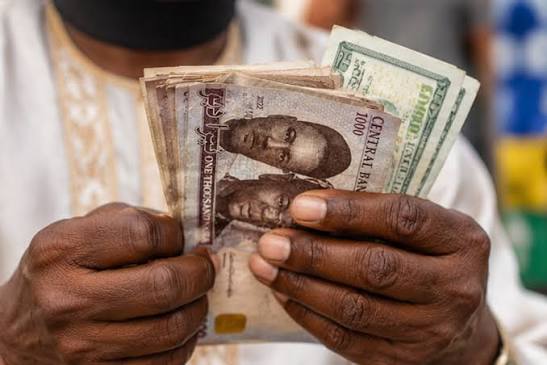
Nigeria's gross external reserves fell by $406 million in one month, while the naira lost about 4 percent of its value against the US dollar. The move reverses part of the currency's gains in recent months. Central Bank of Nigeria (CBN) data show reserves declined to $54.713 billion on November 18 from $55.119 billion on October 19. Over roughly the same period, the naira weakened at the Nigerian Foreign Exchange Market (NFEM) to N1,388/$ on Thursday, November 19, from N1,333.50/$ on October 19. That is a loss of N54.50. On Thursday alone, the currency fell by N8.01 from N1,379.99/$ the previous day. CBN figures also show reserves fell on every reported trading day in November, a steady pattern rather than a single shock. The reserve level remains historically strong. The size of the decline is modest, and nothing in the data points to a crisis. Still, the twin slide in the currency and the reserves raises serious questions. Investors want to know how far the CBN will defend the naira, how exposed the economy remains to oil revenue and seasonal dollar demand, and whether ordinary Nigerians, who have already borne the heavy costs of reform, now face a fresh round of price pressure.
For much of the past several months, the naira story had been one of cautious relief. After a long and painful adjustment that wiped out a large share of the currency's value and pushed inflation to levels many Nigerians had not seen in a generation, the exchange rate had found firmer ground. Reserves had climbed. The gap between official and parallel market rates had narrowed. Policymakers spoke with growing confidence about a foreign exchange market that finally worked. The latest figures from the Central Bank of Nigeria suggest that confidence is about to be tested.
Nigeria's gross external reserves fell to $54.713 billion on November 18, down from $55.119 billion on October 19. That is a decline of $406 million in about a month. Over the same period, the naira lost ground at the Nigerian Foreign Exchange Market, the official window where the currency trades. It closed at N1,388 to the dollar on Thursday, November 19, compared with N1,333.50 on October 19. That is a loss of N54.50, or roughly 4 percent, in a single month. The pressure was still building at the end of the period. On Thursday alone, the naira weakened by N8.01, sliding from N1,379.99 on Wednesday to N1,388.
On their own, neither number signals an emergency. A reserve stock of nearly $55 billion remains large by Nigeria's historical standards. A 4 percent monthly move in an emerging market currency is notable but not dramatic. What makes this moment worth close attention is the combination. The currency is weakening at the same time that the reserves backing it are shrinking. Taken together, these movements reverse some of the gains the naira recorded in recent months. They also raise an uncomfortable question for policymakers. Was the recent stability the result of lasting structural change, or was it a pause in pressure that is now returning?
A closer look at the CBN's own reserve data adds texture to the headline figures. The bank's published series shows gross reserves at $55.240 billion on October 29. From there, the figure fell on every reported trading day through November 18. It slipped to $55.168 billion on November 2, $55.060 billion on November 6, $54.932 billion on November 9, $54.865 billion on November 13 and $54.713 billion on November 18. That is more than $500 million lost since late October, which suggests reserves may have edged higher in the final days of October before turning down. The steepest single move in the November data came between November 6 and November 9, when gross reserves fell by about $128 million. The broader pattern is not one of sudden collapse. It is a steady, persistent drain.
There is an important technical detail behind these figures. Since November 2011, the CBN has reported reserves as a 30-day moving average, not a daily spot balance. That method smooths out sharp daily swings. A large one-day outflow is spread across the following weeks rather than appearing all at once. This means the published series tends to lag the real-time position, and a persistent decline in the average often reflects pressure that started earlier. The unbroken run of daily declines in November should therefore be read as a trend, not noise. It also means the published figures may not yet fully capture the outflows linked to the naira's sharper slide in mid-November.
The same data offer some reassurance. Of the $54.713 billion in gross reserves on November 18, about $54.217 billion was classified as liquid, meaning readily available for use. Roughly $497 million, or about 0.91 percent, was recorded as blocked. Analysts have long looked closely at the quality of Nigeria's reserves, not just their headline size. Encumbrances such as currency swaps, pledged assets or funds tied up in arrangements that cannot be quickly deployed can make a large reserve figure less useful than it appears. On the CBN's own breakdown, the blocked share is small. Markets will keep watching whether other commitments limit how freely the bank can deploy what it holds.
To understand why a 4 percent slide draws so much attention, it helps to recall how far the naira has come. For years, Nigeria ran a tightly managed and fractured exchange rate system. The official rate was held at levels well stronger than the market would bear. Multiple windows offered different rates to different users. Dollars at the official rate were rationed and hard to obtain. Manufacturers waited months for allocations. Foreign airlines and multinational companies found their earnings trapped in the country. Foreign investors, unable to repatriate funds with confidence, stayed away. A parallel market flourished, and the gap between official and street rates became a measure of how distorted the system had become. Those who could access cheap official dollars and resell them at market rates made fortunes. Everyone else paid more.
That system began to unravel in mid-2023. Shortly after taking office, President Bola Tinubu's administration removed the costly petrol subsidy and moved to unify the country's exchange rate windows. The CBN, under new leadership, allowed the naira to trade far closer to market levels. The effect was immediate and severe. The currency plunged, losing well over half its value against the dollar over the following months. At its weakest, in early 2024, the naira traded at levels that would have seemed unthinkable only a year earlier, with official and parallel rates approaching or exceeding N1,600 and N1,900 respectively at various points.
The central bank then moved to rebuild credibility. It sharply raised interest rates to fight inflation and attract foreign capital. It cleared a large backlog of unpaid foreign exchange obligations that had damaged trust with investors and businesses. It reformed the bureau de change segment. It introduced the Electronic Foreign Exchange Matching System, which brought more transparency to how the naira was priced and traded. The official market was rebranded as the Nigerian Foreign Exchange Market. The broad aim was simple: create a market where the price of the dollar reflected real supply and demand, where dollars were available to those who needed them, and where investors could enter and exit without fear of being trapped.
By many measures, those reforms worked. Foreign portfolio inflows returned, drawn by high yields and a more credible exchange rate. The gap between official and parallel rates narrowed sharply. Reserves rebuilt to levels among the strongest in well over a decade. The naira's recovery to around N1,333 in October marked a meaningful improvement from its weakest days. For a government that had asked citizens to accept painful short-term costs for long-term gains, the steadier naira was one of the clearest signs that the gamble might pay off.
That history explains why the latest slide carries more weight than its size suggests. A market-driven exchange rate will move in both directions. A currency that only ever strengthened would itself be a sign of hidden management. Some depreciation is not a policy failure. It is the system doing what it was designed to do. The question is not whether the naira can weaken. It is why it is weakening now, how far the slide may go and how the central bank chooses to respond.
The falling reserves offer one clue. When a central bank sells dollars into the market to smooth volatility or slow a currency's fall, its reserves decline. The CBN has said in the past that it will intervene when needed to curb excessive volatility, even under a more flexible regime. The steady decline in reserves during a period of naira weakness is consistent with some level of intervention. It is possible the bank has been selling dollars to slow the depreciation rather than stop it entirely. That would fit a policy of managing the pace of adjustment without returning to the rigid pegs of the past.
Intervention is not the only possible explanation, and it would be wrong to treat it as confirmed. Reserves also fall when the government services foreign debt, when maturing obligations such as currency swaps are settled, when the value of non-dollar assets falls in dollar terms, or when oil-related inflows slow. Nigeria carries significant external debt obligations, including Eurobonds and loans from multilateral and bilateral lenders. Payments on those obligations draw directly on dollar reserves. Without a detailed breakdown of reserve movements, which the central bank does not publish in real time, the precise mix of drivers cannot be determined from the headline data alone. What the data do show is that more dollars have been leaving the reserve pool than entering it, steadily, for several weeks.
Oil remains at the heart of that equation. Despite decades of promises to diversify, crude oil still accounts for the vast majority of Nigeria's export earnings and a large share of government revenue. When oil prices rise and production holds steady, dollars flow in, reserves build and the naira gains support. When prices soften or output falters, the opposite happens. Nigeria's oil production has long been undercut by crude theft, pipeline vandalism, underinvestment and operational disruptions, especially in the Niger Delta. Output has improved in recent periods as security efforts and investment picked up, but it remains below the country's potential and below its quota ambitions. Any weakness in either price or volume quickly feeds through to the foreign exchange market.
There is also a structural lag between oil sales and dollar inflows. Not every barrel Nigeria produces translates into immediately available foreign exchange for the central bank. Arrangements such as crude-for-loan deals, joint venture cash calls and the timing of remittances by the national oil company can all delay or reduce the dollars that reach the reserves. For years, critics argued that a significant share of Nigeria's oil wealth never fully reached the official foreign exchange pool. Improvements in transparency and remittance have helped. But the link between oil and the naira remains less direct than many assume, and any interruption shows up quickly.
On the other side of the ledger is demand for dollars, and here the timing matters. The final weeks of the year are traditionally a period of heavy foreign exchange demand in Nigeria. Importers stock up ahead of the festive season, bringing in goods from food items and clothing to electronics and vehicles. Families pay school fees and living expenses for children studying abroad. Travel demand rises sharply as Nigerians at home head overseas and businesses settle year-end obligations. Foreign companies operating in Nigeria seek to repatriate profits and dividends before closing their books. Each of these pressures adds to the queue for dollars. A mild seasonal depreciation in November and December would not be unusual. The question is whether this year's pressure is purely seasonal or reflects something deeper.
Import demand has also been shaped by structural changes in the economy. The start of operations at the Dangote refinery, alongside efforts to revive state-owned refineries, was expected to ease one of the largest drains on Nigeria's foreign exchange: the import of refined petroleum products. For decades, Nigeria exported crude oil and imported petrol, paying for the privilege in scarce dollars. Domestic refining has the potential to cut that bill significantly over time, which would be a lasting positive for the naira. But refineries themselves need foreign exchange, both for crude purchases priced in dollars and for spare parts and equipment. The net gain to the foreign exchange balance depends on how these arrangements settle, and it will take time to show up fully in the data.
Beyond fuel, Nigeria remains heavily dependent on imports for a wide range of goods. These include machinery, raw materials for manufacturing, pharmaceuticals, wheat and other food inputs, and consumer products. Local production has not yet grown fast enough to replace these imports at scale. As long as the economy relies on foreign goods to function, demand for dollars will remain strong. Any period in which inflows weaken will quickly translate into pressure on the currency.
Portfolio flows add another layer of risk. A large part of the naira's recent support came from foreign investors attracted by high Nigerian interest rates. These investors buy naira assets such as treasury bills and central bank securities, earning yields well above what they can get in many other markets. Their inflows strengthen the naira and boost reserves. But this kind of money is famously mobile. If investors believe the naira is about to weaken, the expected currency loss can wipe out their interest gains. They may then choose to exit, selling naira assets and buying dollars on the way out. That can turn a modest depreciation into a self-reinforcing slide. A shift in global interest rates, a change in risk appetite toward emerging markets or doubts about Nigeria's policy direction can all trigger such moves. Whether portfolio outflows played a role in the latest decline is not clear from the available data, but it is a risk the central bank watches closely.
Domestic monetary policy shapes those flows as well. Inflation in Nigeria has eased from the extreme peaks recorded after the reforms, helped in part by tight monetary policy and a steadier exchange rate. As inflation cools, pressure grows to cut interest rates and support economic growth, which has been sluggish for much of the population. Lower rates would ease borrowing costs for businesses and households. They would also reduce the yield advantage that attracts foreign portfolio money. That is the central bank's dilemma. Cut too quickly and it risks capital flight and a weaker naira. Hold rates too high for too long and it risks choking growth. The latest slide in the naira will weigh on that calculation.
It is here that the controversy over the naira's direction becomes sharper. Supporters of the reform program argue that the latest weakness is a normal correction in a market that is finally free to move. They point out that reserves remain historically robust, comfortably above the levels typically considered adequate to cover several months of imports. They note that the official market is now deeper and more transparent than at any time in recent memory. From this view, a 4 percent depreciation after months of gains is a healthy sign of two-way flexibility, not a warning. Trying to hold the naira at a fixed level would repeat the mistakes of the past, when artificial stability led to shortages, corruption and eventual collapse.
Critics see it differently. They argue that the naira's recent strength rested too heavily on high interest rates and hot money, rather than on stronger exports or a broader productive base. They warn that an economy still dependent on oil and imports remains exposed to sudden reversals. They also question the central bank's transparency. If the CBN is spending reserves to manage the exchange rate, they ask, how much is it spending, and for how long can it continue? Without clear communication, markets are left to read signals from data releases, which can amplify uncertainty. Some go further, arguing that the gains of recent months were oversold to the public as a lasting victory, when the structural weaknesses that drove the currency's collapse in the first place have not been fully addressed.
Both sides have a point. The reforms have changed how Nigeria's foreign exchange market works in important ways. Rationing, multiple official rates and long backlogs are no longer defining features of the system. That is real progress. Yet the deeper vulnerabilities remain. Nigeria still earns most of its dollars from a single commodity. It still imports much of what it consumes. It still depends on foreign capital that can leave as quickly as it arrives. A freer market makes those vulnerabilities visible in the price of the naira. It does not make them disappear.
For ordinary Nigerians, the debate over reserves and exchange rate regimes can feel distant. The consequences are not. A weaker naira tends to show up quickly in daily life, because so much of what Nigerians buy depends directly or indirectly on imports. When the dollar costs more, importers pay more for goods and raw materials. Those costs are passed on to wholesalers, retailers and finally consumers. Within weeks, the effect can appear in the prices of bread, noodles, medicines, building materials, spare parts and household goods.
Fuel is especially sensitive. With petrol prices no longer fixed by subsidy, pump prices move with global crude prices and the exchange rate. Even petrol refined locally is priced with reference to international markets and dollar costs. A weaker naira can therefore push fuel prices up, and fuel prices ripple across the entire economy. Transport fares rise. Food costs climb as moving goods from farms to markets becomes more expensive. Businesses that rely on generators because of unreliable grid power face higher operating costs. These pressures feed into inflation, which erodes the purchasing power of salaries that have rarely kept pace with rising prices.
Nigerian households have already absorbed enormous strain since the reforms began. The removal of the petrol subsidy and the steep fall of the naira sent the cost of living soaring. Many families cut back on meals, delayed medical care, pulled children from private schools or abandoned plans to start businesses. Workers saw their wages lose value month after month. The middle class, in particular, felt the squeeze, as savings held in naira lost much of their worth in dollar terms. The government's message throughout was that the pain was necessary to secure lasting stability. A renewed slide in the naira, even a modest one, will test public patience with that promise, especially heading into the festive season, when spending typically rises.
Small and medium-sized businesses face their own challenges. Many rely on imported inputs but sell in naira. When the exchange rate weakens, their costs rise immediately, while their ability to raise prices is limited by customers who are already stretched. Margins shrink. Some businesses cut staff or scale back operations. Others struggle to plan, because uncertainty over the exchange rate makes it hard to price contracts or budget for the months ahead. For many entrepreneurs, predictability matters almost as much as the level of the rate itself. A currency that moves steadily is easier to manage than one that swings unexpectedly.
There are winners from a weaker naira as well. Exporters earn more naira for every dollar of sales, which can improve their competitiveness and profitability. Nigerians who receive remittances from relatives abroad see the value of those transfers rise in local terms. Diaspora remittances are one of Nigeria's largest sources of foreign exchange, often rivaling oil earnings in importance for household welfare. A weaker naira can encourage more of those funds to flow through official channels, particularly when the gap between official and parallel rates is narrow. Local producers who compete with imports may also gain, as foreign goods become more expensive. Over time, these effects can support the kind of domestic production the economy needs. But they take longer to materialize than the immediate rise in living costs.
Government finances are also affected in complex ways. A weaker naira increases the naira value of oil revenue, which can help ease budget pressures in the short term. Federal, state and local governments share oil revenue in naira, so depreciation can boost allocations. At the same time, it raises the naira cost of servicing foreign debt, which takes up a substantial share of government revenue. It can also add to inflation, which raises the cost of government operations and puts pressure on wages. The net effect depends on the balance of these forces, but it rarely provides a lasting fiscal cushion.
What happens next depends on several factors, some within the central bank's control and many outside it. The CBN can choose how aggressively to defend the naira through dollar sales. It can adjust interest rates to influence capital flows. It can improve communication to shape market expectations and reduce speculative pressure. Clear guidance on its policy stance, intervention approach and reserve management would help markets distinguish between a temporary correction and a deeper shift. In the past, uncertainty about the central bank's intentions often did as much damage as the underlying economic pressures.
The government also has a role to play. Policies that increase oil production, curb crude theft and ensure that oil revenue flows transparently into the official foreign exchange pool would strengthen the naira's foundation. Support for non-oil exports, from agriculture to manufacturing and services, would diversify the sources of dollar inflows. Investment in power, transport and security would lower the cost of doing business and encourage local production. These are long-term measures, and they are easier to promise than to deliver. But without them, the naira will remain vulnerable to the next swing in oil prices or investor sentiment.
External conditions will matter too. Movements in global oil prices, interest rate decisions by major central banks and shifts in investor appetite for emerging markets will all influence the naira in the months ahead. Nigeria cannot control these forces. It can only build enough resilience to withstand them. A reserve buffer near $55 billion provides meaningful protection, but it is not unlimited. The rate at which it is drawn down, and the reasons behind that drawdown, will shape market confidence far more than the absolute level.
There is also a question of credibility that extends beyond the numbers. Nigeria's reform program depends on trust. Investors need to believe that the exchange rate will be allowed to reflect market conditions and that they can enter and exit freely. Businesses need to believe that dollars will be available when they need them. Citizens need to believe that the sacrifices of recent years will lead to lasting improvement. Each data release that shows the naira weakening and reserves falling tests that trust. How policymakers respond, and how openly they explain their choices, will matter as much as any single policy measure.
The latest figures should be kept in perspective. A decline of $406 million represents less than 1 percent of Nigeria's gross reserves. A 4 percent monthly depreciation is far from the dramatic collapses of recent years. The foreign exchange market is more functional than it was before the reforms, and the central bank has more tools at its disposal. There is no evidence in the current data of a crisis. But small shifts can become large ones when they reinforce each other. A weaker currency can prompt investors to exit. Exits can drain reserves. Shrinking reserves can deepen worries about the currency. Breaking that cycle early is far easier than stopping it once it gains momentum.
The coming weeks will be revealing. Year-end demand for dollars is likely to remain strong, adding pressure on the naira through December. The CBN's next weekly and monthly data releases will show whether the decline in reserves is slowing, holding steady or accelerating. Exchange rate movements in the official market, and the gap between official and parallel rates, will indicate whether pressure is spreading. The central bank's next policy decisions will signal how it intends to balance growth, inflation and currency stability. Each of these indicators will help answer the question at the heart of this moment: is the naira's slide a normal pause in a recovering market, or the first sign that the recovery was more fragile than it looked?
For a country that has endured so much economic upheaval in so short a time, the answer carries real weight. Nigeria's reform program was built on the promise that short-term pain would give way to lasting stability. The steadier naira of recent months was among the strongest evidence that the promise was being kept. The latest data do not break that promise. They do serve as a reminder that stability in a market-driven system is never permanent. It has to be earned again and again, through sound policy, credible institutions and an economy that produces enough of what the world wants to buy.
Until Nigeria earns more dollars than it spends, the naira will remain exposed to every shift in oil markets, investor mood and seasonal demand. The $406 million drop in reserves and the N54.50 slide in the exchange rate are not, by themselves, cause for alarm. They are, however, a clear signal that the work of rebuilding the naira is far from finished, and that the people who will feel the consequences first are the households and businesses that have already paid the highest price for reform.