
SOUTH AFRICA’S BIOVAC TARGETS 150 MILLION VACCINE DOSES ANNUALLY IN MAJOR EXPANSION BACKED BY €75 MILLION EUROPEAN INVESTMENT
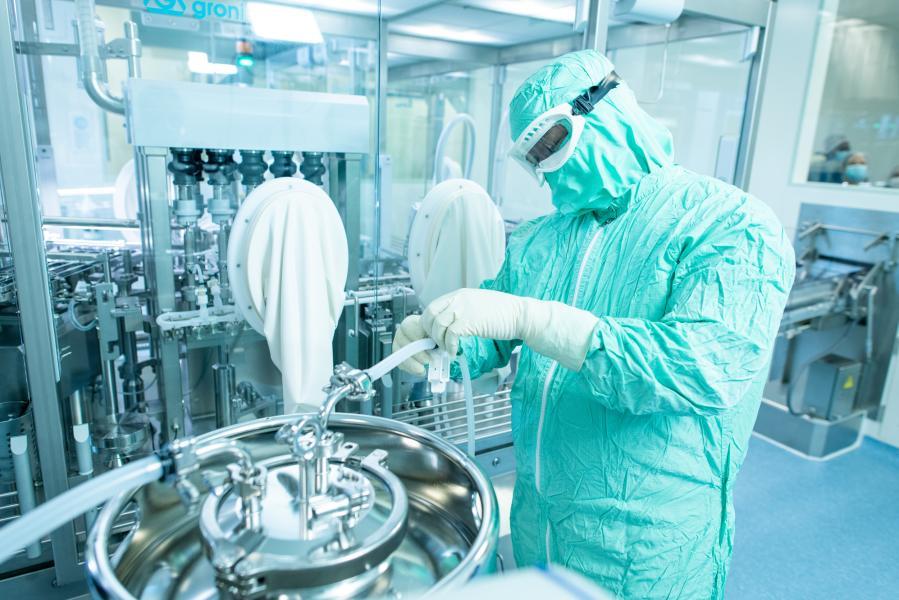
South African pharmaceutical manufacturer Biovac is expanding its vaccine manufacturing operations in Cape Town with support from €75 million in European Investment Bank financing, targeting the capacity to produce approximately 150 million vaccine doses annually. The expansion includes plans to manufacture between 30 million and 40 million oral cholera vaccine doses annually, subject to successful clinical trials and regulatory approval. Additional support from the African Development Bank and other international development institutions forms part of a wider effort to reduce Africa's dependence on imported vaccines. The initiative supports the African Union's objective of meeting 60 percent of the continent's vaccine requirements through local manufacturing by 2040.
South African pharmaceutical manufacturer Biovac is undertaking a major expansion of its vaccine manufacturing operations in Cape Town, targeting an annual production capacity of approximately 150 million doses as part of efforts to reduce Africa's longstanding dependence on imported vaccines. The company outlined its expansion ambitions on Wednesday, November 25, 2026, during a visit by European Investment Bank Vice President Ambroise Fayolle to its manufacturing facilities. Supported by €75 million in European Investment Bank financing, the development is expected to strengthen the continent's ability to respond to infectious diseases and improve access to essential immunization products. One of the project's principal objectives is to establish commercial production of an African-manufactured oral cholera vaccine by late 2028, subject to successful clinical trials and regulatory approval.
The expansion represents an important development for a continent whose demand for vaccines remains considerably greater than its domestic manufacturing capacity. Africa's dependence on overseas manufacturers has repeatedly exposed weaknesses in global pharmaceutical supply arrangements, particularly during public health emergencies when international demand increases rapidly. African governments have consequently intensified efforts to establish manufacturing facilities capable of supplying vaccines to regional markets while reducing their vulnerability to external supply disruptions. Biovac's investment forms part of that broader strategy, bringing together international development financing, pharmaceutical expertise and South African industrial infrastructure.
The new manufacturing facility is being developed alongside Biovac's existing operations in Cape Town, where the company already undertakes pharmaceutical manufacturing and vaccine distribution activities. The expansion will introduce capabilities allowing the company to undertake a greater proportion of the vaccine production process within Africa rather than depending principally on imported vaccine substances. This represents an important distinction because manufacturing arrangements involving the final preparation and packaging of vaccines do not necessarily establish local control over the production of their essential biological ingredients. Developing integrated production capabilities could provide greater flexibility in responding to changing regional health requirements.
The investment has received support from several international development finance institutions seeking to strengthen Africa's pharmaceutical industry. The European Investment Bank's commitment is complemented by involvement from the European Commission, the International Finance Corporation and the African Development Bank. In July 2026, the African Development Bank announced a $15 million financing agreement with Biovac intended to advance integrated cholera vaccine manufacturing. The involvement of several institutions reflects the considerable financial requirements associated with establishing modern pharmaceutical facilities and developing products capable of satisfying internationally recognized regulatory standards.
Vaccine manufacturing requires substantial investment in specialized infrastructure, highly trained personnel, quality assurance systems and scientific research. Unlike many conventional industrial products, vaccines must undergo extensive development and regulatory examination before they can be distributed commercially. Manufacturing facilities must also maintain stringent standards governing product consistency, contamination prevention, storage and distribution. Establishing these capabilities within Africa requires long-term financial commitments that extend beyond the construction of factory buildings and the acquisition of manufacturing equipment.
Biovac's proposed oral cholera vaccine represents one of the most significant components of the expansion because of the disease's continuing impact on African communities. Cholera is a bacterial infection principally transmitted through contaminated food or water and can cause severe dehydration if affected individuals do not receive appropriate treatment. Outbreaks frequently place considerable pressure on healthcare systems, particularly in communities experiencing inadequate sanitation, limited access to safe drinking water or disruptions caused by humanitarian emergencies. The availability of vaccines provides an important preventive tool alongside improvements in water infrastructure, sanitation and access to medical treatment.
The company obtained foundational technology for its cholera vaccine through cooperation with the International Vaccine Institute in South Korea. That partnership provides an example of how international technology transfer can contribute to the development of manufacturing capabilities in countries seeking to expand their pharmaceutical industries. Access to established scientific expertise can help manufacturers undertake product development while building domestic technical knowledge. Nevertheless, technology transfer does not eliminate the requirement for clinical evaluation, regulatory authorization and compliance with manufacturing quality standards.
The proposed cholera vaccine remains under clinical development, and Biovac has not yet obtained the approvals required to begin commercial distribution. The company's production target should therefore be understood as an industrial and public health objective rather than confirmation that the vaccine is immediately available to healthcare authorities. Successful clinical evaluation will be necessary to establish the product's safety and effectiveness, while regulators will need to examine the manufacturing arrangements through which future doses would be produced. These requirements are fundamental to ensuring public confidence in pharmaceutical products regardless of where they are manufactured.
Biovac estimates that the expanded facility could eventually produce between 30 million and 40 million cholera vaccine doses annually, provided the product receives the necessary approvals. Establishing that level of manufacturing capacity could make a substantial contribution to international efforts to improve access to cholera vaccines. However, installed production capacity does not necessarily translate into an equivalent number of commercially distributed doses every year. Actual output will depend on regulatory decisions, purchasing arrangements, manufacturing performance and demand from healthcare authorities.
Global shortages of oral cholera vaccines in recent years have highlighted the consequences of relying on a limited number of manufacturing sources. During periods of exceptionally high demand, international health organizations have faced difficulties securing sufficient doses to support immunization campaigns in affected countries. Establishing additional production facilities could help diversify those supply arrangements and reduce pressure on existing manufacturers. For African countries that experience recurring outbreaks, increased regional production could provide greater opportunities to secure vaccines through established procurement mechanisms.
The expansion also reflects lessons from the COVID-19 pandemic, when access to vaccines became a significant concern for governments throughout Africa. Wealthier countries were generally better positioned to negotiate early purchasing agreements with pharmaceutical manufacturers, while many developing nations depended on international distribution initiatives and donated supplies. The experience intensified discussions about whether African countries should develop greater control over the production of essential medical products. Investments such as Biovac's new facility represent attempts to address some of the vulnerabilities exposed during that global emergency.
The African Union has established an ambitious objective of meeting at least 60 percent of the continent's vaccine requirements through African manufacturing by 2040. The target forms part of a wider strategy intended to strengthen regional health security, encourage pharmaceutical investment and reduce dependence on overseas suppliers. Reaching that objective will require cooperation among governments, manufacturers, scientific institutions and international financing organizations. Individual manufacturing projects can contribute to the effort, but achieving the continental target will depend on the development of a broader and commercially sustainable production network.
Africa's pharmaceutical market presents substantial opportunities because of the continent's population, recurring infectious disease burden and expanding immunization requirements. However, the existence of considerable demand does not automatically guarantee the financial sustainability of local manufacturers. Vaccines are frequently purchased through centralized procurement systems operated by governments and international health organizations, with suppliers competing on price, product quality and delivery reliability. African manufacturers must therefore establish the technical and commercial capabilities necessary to participate effectively in those purchasing arrangements.
Predictable procurement will be particularly important for companies making substantial investments in manufacturing infrastructure. Pharmaceutical facilities require considerable expenditure even during periods when production volumes are relatively low, including costs associated with personnel, equipment maintenance and regulatory compliance. Manufacturers facing uncertain demand may struggle to recover those investments or maintain sufficient operational capacity. Long-term purchasing arrangements could help address those challenges while providing health authorities with greater confidence in future vaccine availability.
The International Finance Corporation's involvement in Biovac's expansion reflects efforts to connect African pharmaceutical production with established regional and international procurement systems. Potential distribution channels include institutions such as UNICEF and Gavi, the Vaccine Alliance, which play important roles in facilitating access to immunization products in developing countries. Participation in those systems would require Biovac to satisfy applicable regulatory and procurement requirements while demonstrating that its products can be supplied reliably and competitively. The company's commercial success will therefore depend on both its manufacturing capabilities and its ability to establish sustainable market relationships.
The African Vaccine Manufacturing Accelerator provides another potential mechanism for supporting the development of local pharmaceutical industries. The initiative is designed to encourage commercially sustainable vaccine production within Africa through financial incentives associated with eligible manufacturing activities. Such arrangements seek to address the difficulties faced by new manufacturers competing against established international suppliers with extensive production capabilities. Their long-term effectiveness will depend on whether they help African companies establish operations capable of remaining competitive beyond the initial period of financial assistance.
For South Africa, Biovac's expansion carries economic significance beyond its direct contribution to healthcare. Pharmaceutical manufacturing can create employment opportunities for scientists, laboratory technicians, engineers, quality assurance specialists and other professionals with advanced technical skills. It can also generate demand for supporting industries involving equipment servicing, specialized logistics, packaging materials and scientific research. Developing those commercial relationships could contribute to a broader industrial ecosystem capable of supporting additional pharmaceutical investments.
South Africa has an established scientific and industrial base that provides certain advantages in the development of advanced manufacturing operations. The country possesses universities, research institutions, regulatory agencies and private-sector companies with experience in healthcare and pharmaceutical activities. However, its ability to establish a competitive vaccine manufacturing industry will depend on continued investment in technical training, research capabilities and infrastructure. The Biovac project could provide opportunities to strengthen those resources while contributing to the development of specialized professional expertise.
Developing a skilled workforce remains one of the principal requirements for expanding vaccine manufacturing across Africa. Pharmaceutical production involves specialized disciplines that cannot always be supported through general manufacturing training alone. Scientists and technicians must possess appropriate knowledge of biological processes, quality management and the regulatory requirements governing medical products. Establishing partnerships between manufacturers and educational institutions could help ensure that training programs correspond with the practical requirements of the industry.
The expansion could also contribute to strengthening scientific research within South Africa and neighboring countries. Manufacturing facilities provide opportunities for developing practical expertise in pharmaceutical production, product evaluation and the adaptation of technologies to regional circumstances. Over time, those capabilities could support more substantial involvement by African institutions in the development of vaccines addressing diseases particularly relevant to the continent. However, manufacturing an existing or externally developed vaccine remains distinct from independently discovering and developing entirely new pharmaceutical products.
The relationship between manufacturing and research is particularly important because global pharmaceutical investment does not necessarily reflect the distribution of infectious diseases across different regions. Diseases affecting populations with limited purchasing power may attract less commercial investment than conditions associated with larger and more profitable markets. African research and manufacturing institutions could help address some of those gaps by establishing priorities informed by regional public health requirements. Achieving such objectives will require collaboration between scientific organizations, governments and institutions capable of financing long-term product development.
Regulatory cooperation presents another important opportunity for expanding Africa's vaccine industry. Manufacturers seeking to distribute products across numerous countries may encounter different national authorization procedures and administrative requirements. While those processes are necessary to protect public health, unnecessary duplication can delay access to approved medical products and increase the cost of entering additional markets. Greater cooperation between African regulatory institutions could facilitate the distribution of appropriately evaluated vaccines while preserving established safety and quality requirements.
The African Medicines Agency and related continental regulatory initiatives are intended to support greater coordination in the oversight of pharmaceutical products. Their development could contribute to establishing more consistent regulatory approaches across African countries, particularly where manufacturers intend to supply multiple national markets. However, regional harmonization must be supported by adequately resourced national institutions and credible scientific evaluation. Accelerating access to medicines should not involve weakening the safeguards through which their quality, safety and effectiveness are established.
The challenges confronting Africa's pharmaceutical industry also extend to the availability of essential manufacturing inputs. Even facilities capable of producing vaccines from their principal biological components may depend on imported equipment, specialized materials and other supplies. Disruptions affecting those inputs can influence manufacturing operations despite the geographical location of the final production facility. Strengthening regional vaccine security will therefore require attention to the wider supply chain rather than focusing exclusively on the number of factories established.
Cold-chain infrastructure represents another important component of vaccine accessibility. Many immunization products require carefully controlled storage and transportation conditions to maintain their quality before administration. African countries with limited electricity supplies, inadequate transport infrastructure or geographically dispersed populations can face difficulties delivering vaccines consistently to all communities. Expanding manufacturing capacity must consequently be accompanied by improvements in distribution systems if additional doses are to reach the populations requiring protection.
Affordability remains equally important because domestic production does not automatically guarantee lower vaccine prices. Manufacturing costs depend on production volumes, financing arrangements, the cost of specialized materials and the efficiency of factory operations. Newly established facilities may initially encounter higher expenses than international competitors that have already achieved considerable economies of scale. Appropriate purchasing commitments and development financing could help local manufacturers overcome some of those disadvantages while maintaining competitive pricing over time.
For Ghana, Nigeria and other African countries that depend substantially on vaccines manufactured outside their borders, Biovac's expansion could provide opportunities to diversify future procurement arrangements. Regional production may help governments reduce exposure to certain international supply disruptions and establish closer relationships with manufacturers operating within Africa. However, no confirmed agreement associated with the latest announcement establishes specific vaccine allocations or delivery schedules for Ghana or Nigeria. Any future supplies would remain subject to the applicable regulatory authorizations and purchasing arrangements.
The availability of additional cholera vaccine manufacturing capacity could be particularly relevant to West African countries confronting recurring outbreaks. Communities experiencing inadequate access to safe drinking water, flooding or interruptions to sanitation services can face increased vulnerability to the disease. Vaccination campaigns can provide important protection in appropriate circumstances, but they must operate alongside investments in public health infrastructure and disease surveillance. The existence of a regional vaccine supplier would not eliminate the need to address the environmental conditions that contribute to outbreaks.
Public confidence in vaccine safety will remain essential as African manufacturers expand their operations. Governments and pharmaceutical companies must communicate accurately about product development, regulatory authorization and the evidence supporting vaccination programs. Distinguishing between experimental products and approved vaccines is particularly important when manufacturing announcements receive substantial public attention. Biovac's planned cholera vaccine should therefore not be presented as commercially available before the required clinical and regulatory processes have been completed.
The development financing supporting the project also illustrates how international partnerships can contribute to strengthening domestic industrial capabilities. Pharmaceutical manufacturing requires access to substantial amounts of capital, particularly during the period before a new facility begins generating commercial revenue. Development finance institutions can help address those requirements by providing financing arrangements that may be difficult to secure through conventional commercial channels alone. The eventual financial sustainability of the project will nevertheless depend on its operating performance and ability to generate sufficient demand.
The European Investment Bank's involvement reflects wider European engagement with initiatives intended to strengthen pharmaceutical manufacturing in Africa. Such partnerships can provide access to financing and technical resources while supporting broader objectives concerning international health security. Infectious diseases do not necessarily remain confined within national borders, making the ability of countries to respond effectively to outbreaks relevant to international public health. Expanding geographically diversified manufacturing capacity could consequently provide benefits extending beyond the countries in which new facilities are established.
Several important milestones remain before Biovac's expansion can achieve its announced production ambitions. Construction and equipment installation must be completed, manufacturing processes must be validated, and the company's proposed cholera vaccine must satisfy the relevant scientific and regulatory requirements. Commercial purchasing arrangements will also be necessary to ensure that available manufacturing capacity translates into vaccines reaching healthcare systems. Delays in any of those areas could influence the timetable for establishing full-scale production.
The projected annual production capacity of approximately 150 million doses consequently represents a measure of the facility's intended potential rather than an established level of current manufacturing. Biovac's progress toward that target will become clearer as construction advances and individual pharmaceutical products complete the necessary approval procedures. The distinction between installed capacity, actual production and delivered vaccine doses will remain important when assessing the project's contribution to regional health security. Transparent reporting concerning each of those milestones could provide governments and development partners with a clearer understanding of the expansion's practical results.
As Africa continues pursuing its 2040 manufacturing ambitions, Biovac's development represents an important test of whether substantial industrial investments can be translated into reliable and commercially sustainable pharmaceutical production. The company's planned cholera vaccine addresses a significant public health requirement, while its broader manufacturing expansion could create opportunities for technical employment, scientific development and regional procurement. Nevertheless, the facility's long-term contribution will depend on successful regulatory approvals, predictable purchasing arrangements and the development of supporting supply and distribution systems. These requirements illustrate why vaccine manufacturing must be approached as part of a comprehensive health and industrial strategy rather than an isolated infrastructure project.
For African countries that have repeatedly experienced difficulties securing essential vaccines during international health emergencies, the expansion offers an opportunity to strengthen the continent's capacity to meet its own medical requirements. The European Investment Bank's financial commitment and the participation of other development institutions provide important support for that objective, but the decisive milestones remain ahead. Biovac must demonstrate that its new capabilities can produce safe, effective and competitively priced vaccines at the scale required by regional healthcare systems. If those objectives are achieved, the Cape Town facility could become an important component of Africa's efforts to establish greater control over its health security and reduce its longstanding vulnerability to disruptions in international pharmaceutical supplies.