FORWARD7 AND ARSO INTRODUCE MORE THAN 45 CLEAN COOKING STANDARDS TO STRENGTHEN AFRICAN TRADE, ENERGY SAFETY AND HOUSEHOLD HEALTH
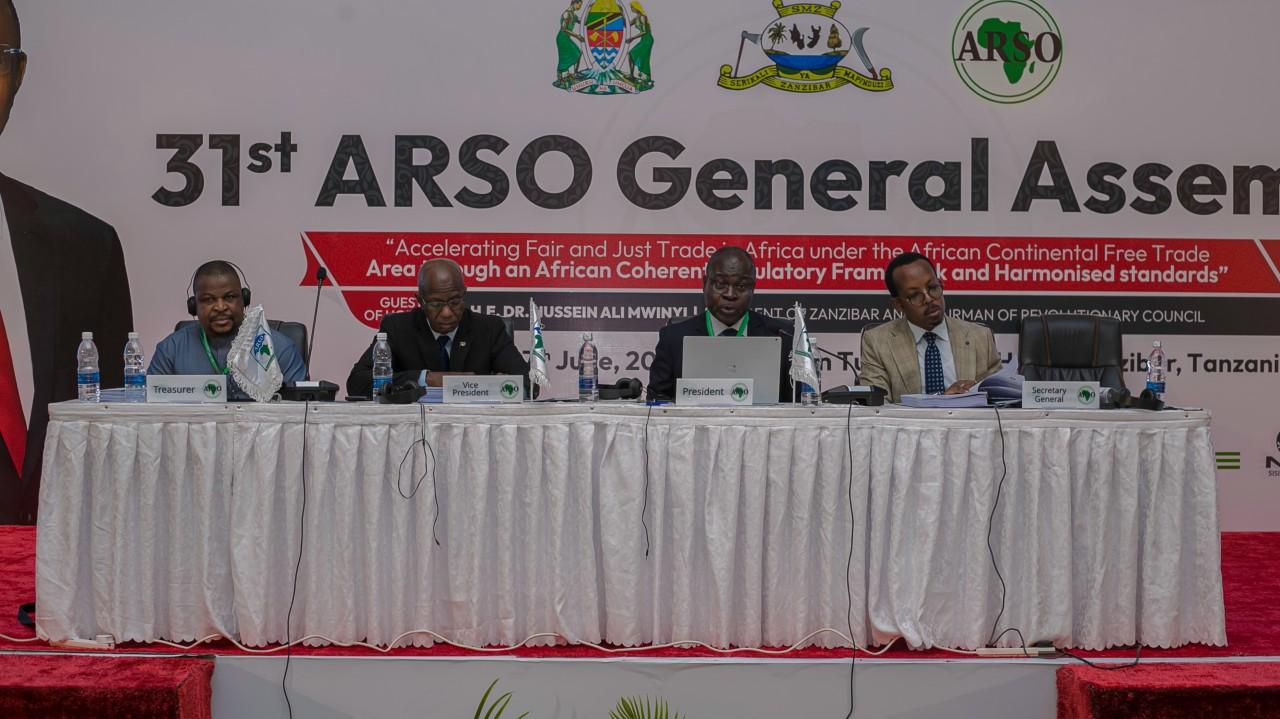
Saudi Arabia's Forward7 Clean Cooking Initiative and the African Organization for Standardization have advanced a partnership involving more than 45 harmonized standards intended to improve access to safer cooking technologies across Africa. The initiative covers LPG equipment, bioenergy, biogas and solar thermal technologies, addressing technical barriers affecting regional trade and consumer protection. The collaboration seeks to support industrial development, improve household health and reduce dependence on polluting traditional cooking methods. Its long-term effectiveness will depend on national implementation, affordability, infrastructure development and reliable regulatory enforcement.
Saudi Arabia's Forward7 Clean Cooking Initiative and the African Organization for Standardization have advanced a continental partnership aimed at improving access to cleaner household energy through the introduction of more than 45 harmonized standards for cooking equipment and related technologies. Details of the collaboration published on Thursday, November 26, 2026, highlighted efforts to reduce technical barriers affecting the distribution of clean cooking products across African markets while strengthening consumer protection and equipment safety. The initiative addresses an important development challenge confronting millions of African households that continue to depend on traditional cooking fuels, including firewood and charcoal, despite the availability of cleaner alternatives. Its broader objective is to establish regulatory conditions capable of supporting the safe and commercially sustainable expansion of modern cooking technologies throughout the continent.
The partnership addresses three principal technology categories, encompassing liquefied petroleum gas equipment, biological energy technologies and solar thermal systems. Establishing common technical requirements across these categories could help manufacturers and distributors serve multiple national markets without encountering substantially different product specifications in each country. For African businesses operating within the household energy sector, greater regulatory consistency could reduce some of the administrative and commercial difficulties associated with regional expansion. The effectiveness of the arrangement will nevertheless depend on the extent to which national authorities incorporate the standards into their respective regulatory frameworks.
The collaboration reflects the growing recognition that Africa's clean cooking transition requires more than the availability of new equipment. Households must be able to obtain products that are affordable, reliable and suitable for their particular circumstances, while manufacturers and suppliers require regulatory environments that support legitimate commercial activity. Differences between national certification systems can increase the cost of introducing products into additional markets, particularly where businesses are required to undertake separate testing and approval procedures. Greater alignment between those systems could help address such difficulties while preserving the safety requirements necessary to protect consumers.
The African Organization for Standardization occupies an important position within continental efforts to improve regulatory cooperation. Established in 1977, the organization promotes the development and harmonization of African standards as part of efforts to facilitate trade, improve product quality and support industrial development. Its work encompasses cooperation between national standards institutions, allowing countries to identify opportunities for establishing common technical requirements across different sectors. The partnership with Forward7 extends that work into household energy technologies, where product reliability and consumer safety are particularly important.
For countries participating in the African Continental Free Trade Area, differences in technical regulations represent one of the practical barriers that can restrict the movement of goods even where customs duties have been reduced. A manufacturer seeking to distribute cooking equipment in several African countries may encounter different certification arrangements, labeling requirements and product testing procedures. Those differences can create additional expenses that ultimately influence the price paid by consumers. Harmonization offers a potential mechanism for reducing unnecessary duplication without eliminating legitimate national requirements concerning public safety and product quality.
The continental trade implications are especially relevant to manufacturers seeking to expand production beyond their domestic markets. Businesses operating in relatively small national economies may struggle to justify investments in industrial facilities if their products cannot easily enter neighboring countries. Greater consistency in product standards could provide access to larger potential markets, allowing manufacturers to increase production and potentially reduce operating costs through economies of scale. Such benefits could contribute to the development of African industrial capabilities, provided local businesses possess the financing and technical expertise necessary to compete effectively.
The initiative also carries considerable significance for household health. Traditional cooking arrangements involving wood, charcoal and other solid fuels can generate substantial indoor air pollution, particularly where cooking takes place in poorly ventilated environments. Repeated exposure to smoke and fine particles is associated with respiratory and cardiovascular illnesses, creating health risks for individuals who spend considerable time preparing food. Women and children frequently experience disproportionate exposure because of household responsibilities and the time they spend near cooking areas.
The consequences of household air pollution can extend beyond the individuals immediately affected. Families experiencing recurring illness may face additional healthcare expenses, interruptions to employment and difficulties maintaining children's school attendance. Communities with limited access to healthcare services may also experience greater challenges managing conditions associated with long-term exposure to polluted indoor environments. Improving access to cleaner cooking technologies could contribute to reducing those burdens, although the health benefits depend on households consistently using appropriate equipment and fuels.
Environmental considerations provide another important dimension to the clean cooking transition. Heavy dependence on wood and charcoal can place pressure on forests and other natural resources, particularly where harvesting practices are not supported by sustainable land management arrangements. The production and transportation of traditional cooking fuels can also contribute to environmental degradation and greenhouse gas emissions. Expanding access to alternative cooking technologies could help reduce some of those pressures, although the environmental performance of individual solutions depends on their energy sources, production methods and patterns of use.
Liquefied petroleum gas remains an important alternative to traditional biomass fuels in many African markets. Its use can substantially reduce household smoke exposure when compared with cooking over open fires or inefficient solid-fuel stoves. However, LPG is a fossil fuel, meaning that its classification as a cleaner household cooking option should not be interpreted as establishing that it is a renewable or emissions-free energy source. The distinction is important because clean cooking strategies must consider both immediate public health benefits and longer-term environmental objectives.
Consumer safety is particularly important wherever LPG equipment is being introduced or expanded. Cylinders, valves and connecting components must be manufactured and maintained according to appropriate technical requirements to reduce the risk of gas leaks, fires and other accidents. Reliable distribution arrangements, periodic inspections and consumer education are also important components of safe household use. Common standards could assist regulators and manufacturers in establishing consistent expectations for equipment quality throughout participating markets.
The inclusion of bioenergy and biogas technologies provides another avenue for addressing the continent's household energy requirements. Biogas systems can convert suitable organic material into combustible gas, creating potential opportunities for communities to use agricultural waste and other locally available resources. Such technologies may be particularly relevant in rural areas with agricultural activities capable of supporting their operation. However, their commercial viability depends on installation costs, maintenance requirements, access to appropriate materials and the availability of trained personnel.
Solar thermal technologies represent a further option within the partnership's framework. In suitable circumstances, these systems can use sunlight to provide energy for cooking and heating applications, potentially reducing dependence on conventional fuels. Their usefulness varies according to local weather conditions, household cooking practices and the technical capabilities of individual products. Harmonized quality requirements could help consumers distinguish reliable equipment from products that fail to deliver their advertised performance.
The existence of several technology categories reflects the diversity of circumstances confronting African households. Communities with reliable access to LPG distribution may possess different energy options from rural settlements where locally produced biogas could be more practical. Solar cooking technologies may offer benefits in locations with suitable climatic conditions, while other households may require combinations of different energy solutions. A successful continental strategy will therefore need to accommodate regional differences rather than assuming that a single technology can satisfy every household's requirements.
Affordability remains one of the most significant barriers to wider adoption. Even where cleaner cooking equipment is commercially available, the initial cost of purchasing a stove, cylinder or other necessary components may exceed the financial resources of low-income households. Recurring fuel expenses can also discourage families from abandoning traditional cooking practices, particularly where firewood is collected without a direct monetary payment. Regulatory harmonization may help reduce certain supply costs, but it cannot independently eliminate the financial barriers associated with household energy transitions.
Financing mechanisms could consequently play an important role in complementing the standards initiative. installment payment arrangements, appropriately targeted subsidies and other forms of consumer financing may help households acquire equipment that would otherwise remain beyond their immediate purchasing capacity. The suitability of those mechanisms depends on local economic circumstances and the ability of providers to establish sustainable arrangements. The Forward7 announcement does not establish a new continent-wide household subsidy or financing program.
Infrastructure presents an additional challenge because the successful adoption of cleaner cooking technologies depends on the availability of supporting services. LPG users require dependable access to fuel distribution and cylinder servicing, while households using biogas systems may need technical maintenance and repair assistance. Communities adopting solar thermal equipment must have access to products designed for their operating conditions. Establishing common product requirements is therefore an important component of the transition, but its benefits must be supported by investment throughout the supply chain.
For Ghana, the wider continental initiative is relevant to continuing efforts to expand access to LPG and strengthen safety arrangements governing its distribution. The country's energy transition involves balancing household affordability, environmental objectives and the need to maintain reliable supplies of cooking fuel. Common African standards could create opportunities for Ghanaian manufacturers and distributors to participate in regional clean cooking markets. However, the latest partnership announcement does not identify specific financial allocations or new distribution programs exclusively directed toward Ghana.
Nigeria similarly faces the challenge of expanding cleaner cooking access across a large and economically diverse population. Although the country possesses substantial natural gas resources, access to affordable household cooking fuels is not determined solely by national resource availability. Processing facilities, transportation infrastructure, retail distribution and household purchasing capacity all influence the extent to which families can benefit from those resources. Regional standards could support the development of reliable equipment markets, but domestic energy infrastructure and affordability remain equally important considerations.
The partnership also offers opportunities for developing technical expertise within Africa. Manufacturing, installing and maintaining modern cooking equipment requires appropriately trained technicians, engineers, inspectors and other professionals. Expanding regional markets for these technologies could create additional employment opportunities and encourage investment in technical education. Establishing clear product specifications could also assist training institutions in developing programs aligned with the requirements of manufacturers and regulatory authorities.
Consumer confidence will be another important determinant of the initiative's success. Households may be reluctant to adopt unfamiliar cooking technologies if they have concerns about equipment reliability, fuel availability or potential safety hazards. Effective product certification, accessible consumer information and dependable after-sales services can help address those concerns. Standards that exist only in administrative documents will have limited practical value unless they are supported by credible inspection and enforcement arrangements.
National regulators will therefore remain central to the implementation of the partnership. Continental harmonization does not automatically replace national laws or establish identical enforcement systems across every African country. Governments and standards institutions must determine how common requirements will be incorporated into their respective regulatory arrangements and how compliance will be assessed. Further information concerning the countries adopting individual standards and their implementation schedules will be necessary to evaluate the partnership's practical reach.
The involvement of Saudi Arabia through Forward7 reflects the wider role of international development partnerships in supporting Africa's energy transition. Cooperation between external partners and African institutions can provide access to technical expertise, resources and opportunities for developing common policy approaches. However, the lasting effectiveness of such partnerships depends on the ability of African institutions to establish sustainable implementation arrangements responsive to local needs. The standards initiative represents one component of that wider development process rather than a complete solution to the continent's household energy challenges.
The November 26 announcement does not provide a comprehensive breakdown of the agreement's financial value, the full catalogue of technical standards or the precise implementation status across individual African countries. Those details will be important for manufacturers, regulators and consumer protection organizations seeking to understand how the partnership will affect their activities. It is also necessary to distinguish the development and implementation of technical standards from the actual distribution of cooking equipment to households. No verified household beneficiary total has been established through the available announcement.
As African countries continue pursuing greater regional economic integration, the Forward7 and ARSO collaboration highlights the importance of technical cooperation in translating continental development ambitions into practical commercial opportunities. Common regulatory requirements could facilitate the movement of safe cooking products, support manufacturing investment and contribute to improved access to household energy technologies. Their effectiveness will depend on consistent implementation, reliable infrastructure and the ability of families to afford the equipment and fuels available to them.
The longer-term significance of the partnership will ultimately be measured through improvements in household health, consumer safety, energy accessibility and regional industrial development. Harmonized standards can establish a stronger foundation for those outcomes, but the transition requires sustained cooperation between governments, manufacturers, financial institutions and the communities expected to benefit. As Africa confronts the interconnected challenges of energy poverty, environmental degradation and industrial development, the initiative represents an opportunity to strengthen the regulatory foundations necessary for a safer and more accessible clean cooking market.