SECOND BATCH OF GHANA ARMED FORCES RECRUITS BEGINS SIX-MONTH MILITARY TRAINING
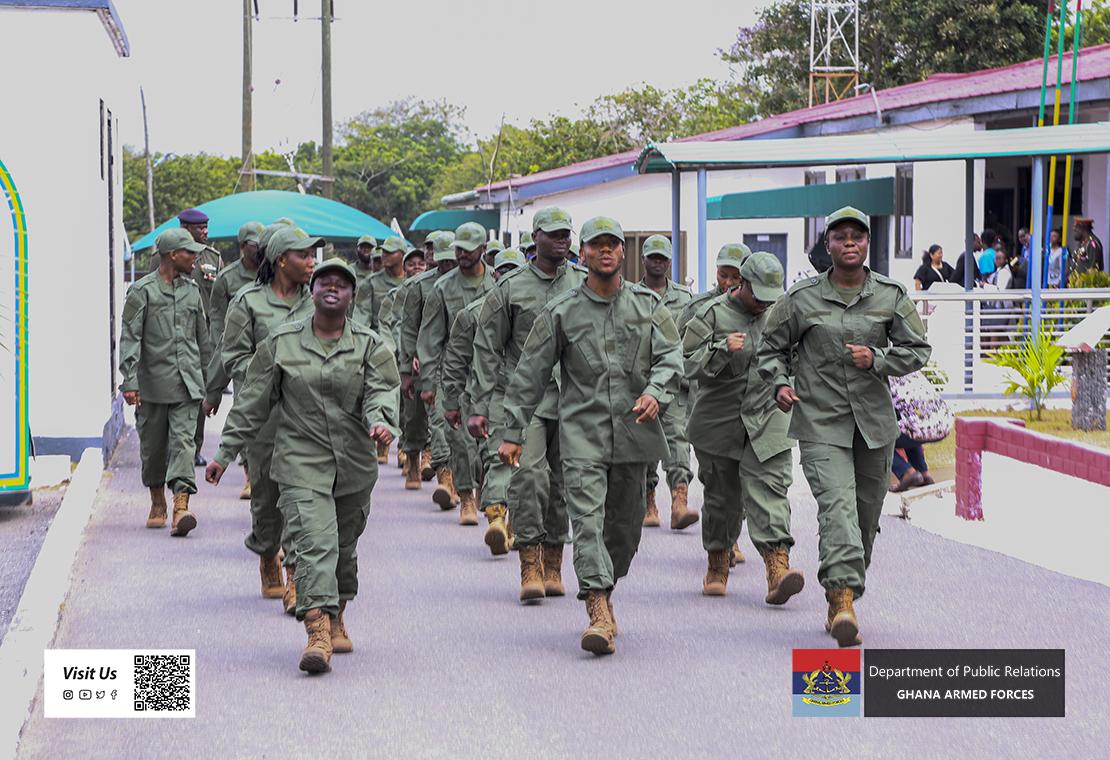
The Ghana Armed Forces says its second batch of recruits has reported to five military training institutions to begin six months of Basic Military Training. The recruits will study field craft, first aid, weapon handling, drill, map reading and physical training while being introduced to the discipline, professionalism and values required for military service. GAF has not announced the exact number of recruits in this second intake. Earlier in 2026, 2,000 applicants were selected for the first batch, while the government says the Armed Forces has clearance to recruit 5,000 personnel this year.
The Ghana Armed Forces has officially begun training its second batch of new recruits, with successful applicants reporting to military training institutions across the country on Friday, October 23, 2026, for a six-month Basic Military Training program designed to transform them from civilians into disciplined professional soldiers. The new intake has been distributed among the Army Recruit Training School, Air Force Recruit Training School, Navy Recruit Training School, Armour Training School and Army Special Operations Training School, where recruits will undergo intensive physical, tactical and professional instruction before qualifying for military service.
According to the Department of Public Relations of the Ghana Armed Forces, the six-month course is intended to build discipline, professionalism and an understanding of the core values expected of personnel serving in Ghana’s military. The training will cover fundamental military subjects including field craft, first aid, weapon handling, drill, map reading and physical training, alongside other areas considered necessary to prepare recruits for the demands of service. Military authorities say the program is structured to provide the knowledge, physical conditioning, practical skills and behavioral standards recruits will need as they progress toward becoming fully trained members of the Armed Forces.
The October intake represents another stage in a wider recruitment exercise that has unfolded throughout 2026. Earlier in the year, the Ghana Armed Forces selected 2,000 applicants for the first phase of its 2025/2026 recruitment program following a nationwide screening process. Those applicants were drawn from a larger pool of candidates who went through documentation checks, body selection, aptitude testing, medical examinations, security vetting and other assessments intended to ensure that only qualified applicants proceeded to training.
The first batch was issued appointment letters in March and instructed to report to designated military training centers later that month. At the time, the Armed Forces described the 2,000 recruits as the first of four planned batches, indicating that recruitment and training would be staggered rather than conducted through a single mass intake. The phased approach was intended to allow the military to manage training capacity, accommodation, instructors, equipment and administrative requirements while continuing to select qualified personnel from the national applicant pool.
The latest batch therefore enters training against the background of a broader effort by the government and military leadership to expand Ghana’s security services over several years. President John Dramani Mahama said in September that the Ghana Armed Forces had received clearance to recruit 5,000 personnel in 2026 and that the government intended to enlist about 20,000 soldiers between 2025 and 2028, averaging approximately 5,000 recruits annually. The President said the phased system meant applicants who successfully completed medical screening but had not yet received invitations should not automatically assume that they had been excluded, because selections would continue in subsequent batches.
The Armed Forces has not publicly stated the exact number of recruits included in the second batch that reported on October 23. That distinction is important because the confirmed figure of 2,000 refers specifically to the first batch announced in March, and it should not automatically be applied to the latest intake without an official statement. What GAF has confirmed is that the second batch has now reported to five major training institutions and has commenced the same six-month foundational military process required before new personnel can begin professional service.
Basic Military Training is one of the most significant stages in a recruit’s transition into the Armed Forces because it is designed to reshape both physical ability and personal behavior. New recruits are expected to adapt to strict routines, military discipline, uniform standards, command structures, teamwork and a level of physical exertion substantially different from ordinary civilian life. The training period is intended to establish common standards before personnel later move into more specialized roles within the Army, Navy, Air Force or other units.
Physical training forms a major part of that process because military personnel must be able to operate effectively under demanding conditions. Recruits are expected to undergo exercises designed to improve endurance, strength, mobility and general fitness while also developing the mental resilience required to perform under stress. Training schedules typically demand punctuality, consistency and strict compliance with instructions, and recruits who fail to meet required standards can face remedial training or other consequences depending on military regulations.
Field craft will introduce recruits to basic techniques needed for operating outside established bases and in field environments. Such instruction can include movement, concealment, observation, use of terrain, basic tactical awareness and procedures for maintaining effectiveness during outdoor military activity. These skills provide the foundation upon which more advanced operational training can later be built after recruits move into specific units or specialist career paths.
Weapon handling is another central part of the program, with recruits expected to learn safe and disciplined procedures for handling military firearms. The emphasis in basic training is not simply on firing a weapon but on understanding safety, responsibility, maintenance, handling procedures and the strict rules governing military equipment. Proper weapon discipline is considered fundamental because mistakes involving firearms can endanger fellow soldiers, civilians and the individual recruit.
Drill training serves both ceremonial and disciplinary purposes. Recruits learn coordinated movement, commands, formations and standards of military bearing, while instructors use the exercise to develop attention to detail, obedience to lawful orders and collective discipline. Although drill is often most visible during military parades, its deeper purpose is to teach personnel to respond consistently to commands and operate as part of a structured unit rather than as individuals acting independently.
Map reading and navigation are also included in the course because military personnel may be required to operate in unfamiliar areas where electronic navigation systems cannot always be relied upon. Recruits are therefore introduced to basic map interpretation, directions, terrain identification and movement planning. These skills are particularly important for Army personnel but can also contribute to the broader situational awareness expected of service members across the Armed Forces.
First-aid training provides recruits with basic knowledge that can be applied during military operations, accidents, training incidents and emergencies. Soldiers may sometimes be the first people available to assist an injured colleague before medical specialists arrive, making basic casualty response an important part of military preparedness. The course is therefore intended to teach recruits how to respond calmly and effectively during situations where immediate assistance can make a significant difference.
The inclusion of the Army Special Operations Training School and Armour Training School among institutions receiving recruits also shows the range of facilities being used to manage the current intake. Different training schools bring distinct infrastructure and expertise to the program, but recruits are expected to complete a common foundation centered on discipline and basic soldiering before moving deeper into specialized assignments. The Army Recruit Training School, Navy Recruit Training School and Air Force Recruit Training School similarly prepare personnel for service cultures that share core military standards while ultimately operating in different environments.
For the Navy, recruits who complete basic training may eventually work in roles connected to maritime security, coastal protection, naval operations and support functions. Ghana’s maritime interests include protecting territorial waters, supporting security around offshore energy infrastructure and combating threats such as illegal fishing, trafficking and other maritime crimes. Naval personnel therefore require both general military discipline and later specialist training suited to operations at sea.
Air Force recruits will eventually enter an institution responsible for military aviation, air surveillance, transport, logistics, emergency support and other air-related missions. Although most recruits will not become pilots, the Air Force depends on a broad range of personnel in technical, administrative, security, maintenance and operational support roles. Basic training gives them the common military foundation required before they are assigned to those occupational specialties.
Army recruits will enter the largest of the three services and may later be assigned to infantry, artillery, engineering, signals, logistics, medical, intelligence, armor or other formations depending on manpower requirements, aptitude and additional training. Ghanaian soldiers also participate in international peacekeeping operations, meaning professional standards developed during initial training can later become relevant in missions outside the country as well as domestic defense duties.
The Ghana Armed Forces has long been one of Africa’s significant contributors to United Nations peacekeeping missions, and Ghanaian troops have served in conflict and post-conflict environments across several regions of the world. Personnel deployed to those missions are expected to operate under strict rules of engagement, maintain professional conduct and interact appropriately with civilian populations and international partners. Those responsibilities make early training in discipline and military values particularly important.
The current recruitment expansion also reflects wider national concerns about employment opportunities for young people and staffing needs across Ghana’s security institutions. Military recruitment attracts considerable public interest because the Armed Forces provides structured employment, technical training and long-term career opportunities, but competition for available places remains intense. The phased recruitment system introduced during the current exercise is intended to spread the process over time while reducing some of the congestion historically associated with centralized recruitment events.
The Armed Forces has emphasized decentralization during the present recruitment cycle. In March, successful first-batch applicants received appointment letters through centers across all 16 regions rather than being required to travel to a single national location. Military authorities said that arrangement reduced transportation costs, accommodation pressures and congestion for applicants while allowing regional administrations to support the exercise closer to where candidates live.
That change followed serious scrutiny of recruitment safety after the previous El-Wak Stadium stampede, which resulted in deaths and injuries among prospective applicants. During the first-batch selection earlier this year, the Armed Forces confirmed that 18 people injured in that incident were included among recruits, while five additional opportunities were provided through families of people who died. The tragedy increased pressure on authorities to improve crowd management and recruitment procedures and contributed to the emphasis on decentralization and phased processing.
The military has also previously advised applicants with treatable medical conditions not to assume that temporary medical disqualification permanently ends their prospects of joining the Armed Forces. During the first-batch process, candidates deferred because of curable medical issues were encouraged to seek treatment and were told they could be reconsidered at a later stage without additional cost. The policy formed part of an effort to maintain a wider pool of qualified applicants for later recruitment batches.
The second batch now beginning training will face a different challenge from the recruitment stages they have already completed. Passing documentation, aptitude and medical assessments determines eligibility to enter training, but recruits must still demonstrate that they can meet the physical, behavioral and professional requirements of military life over the next six months. The course is deliberately demanding because the Armed Forces must be confident that individuals who eventually graduate can function reliably in an institution where discipline, trust and teamwork can become matters of operational safety.
The training period also represents the recruits’ first sustained exposure to military hierarchy. Personnel will learn how commands are issued and followed, how responsibilities are distributed within units and how individual behavior affects the wider group. Military culture places considerable emphasis on collective performance, meaning recruits are expected to develop the ability to work with people from different regions, ethnic backgrounds, religions and social circumstances while operating under one institutional standard.
That national integration role has historically been an important feature of Ghana’s Armed Forces. Recruits drawn from different parts of the country train and serve together, creating units whose effectiveness depends on professional identity rather than local affiliations. The emphasis on core values during Basic Military Training is therefore intended not only to produce physically capable soldiers but also to build loyalty to the institution and the constitutional responsibilities of the military.
Professional military training also places limits on the use of force. Recruits must eventually understand that military weapons and authority are governed by law, command structures and rules of engagement. Discipline therefore involves more than physical endurance or obedience; it also includes responsibility, restraint and compliance with lawful instructions. Those standards become particularly important when soldiers are assigned to duties involving civilian populations, border operations, peacekeeping or support to other security agencies.
The second-batch intake comes at a time when Ghana, like other countries in West Africa, continues to monitor regional security risks including violent extremist activity in parts of the Sahel, cross-border crime, trafficking and instability in neighboring areas. Ghana has remained comparatively stable, but military planners have repeatedly emphasized preparedness, border security and professional readiness as regional threats evolve. Increasing personnel numbers while maintaining training standards is therefore likely to remain an important consideration as the Armed Forces expands.
The government’s longer-term recruitment target also creates a capacity challenge. Training thousands of additional personnel requires sufficient instructors, accommodation, equipment, medical support, food, uniforms and training grounds. Staggering recruits through multiple batches allows the Armed Forces to spread those demands across available institutions instead of concentrating the entire intake at one location and one time.
For the recruits who reported on October 23, however, the immediate focus is much more personal. They have now moved beyond applications and selection into the period that will determine whether they can meet the standards required to become professional servicemen and servicewomen. Over the next six months, their performance in physical training, field skills, drill, weapon handling, first aid, navigation and general military discipline will form the foundation of their careers.
The Ghana Armed Forces has described the commencement of training as an important milestone in their journey into military service. Successful completion will not make every recruit an expert in a specialist field, but it will provide the common foundation upon which later professional and operational training can be built. Those who graduate will enter an institution with responsibilities ranging from national defense and border security to emergency response, international peacekeeping and support to civilian authorities.
The latest intake therefore represents more than another recruitment announcement. It is part of a broader expansion of Ghana’s military manpower and a phased effort to bring thousands of new personnel into the Armed Forces while maintaining standardized training requirements. The second batch has now entered that process, beginning six months of intensive preparation across five military training institutions, after which successful recruits are expected to emerge with the discipline, skills and professional foundation required for service in the Ghana Armed Forces.