NIGERIA’S EBOLA CASE GENETICALLY LINKED TO KENYA STRAIN AS AUTHORITIES INTENSIFY SURVEILLANCE
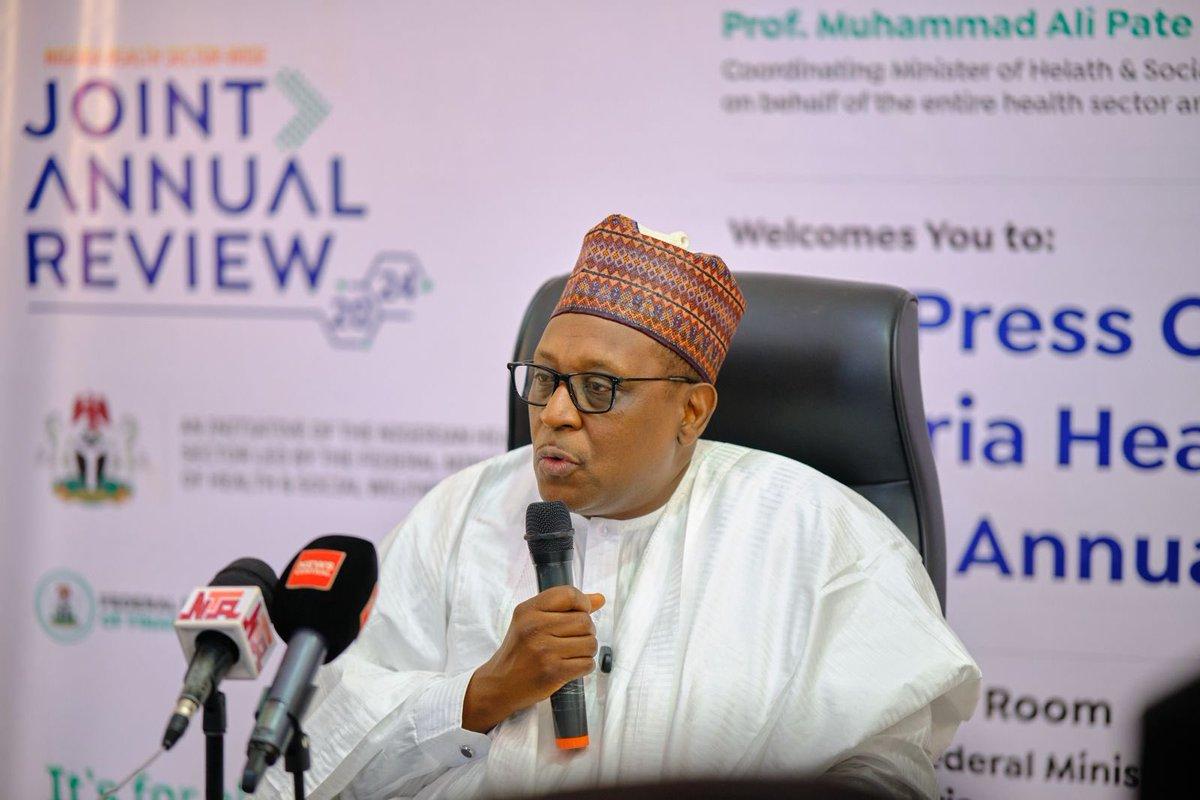
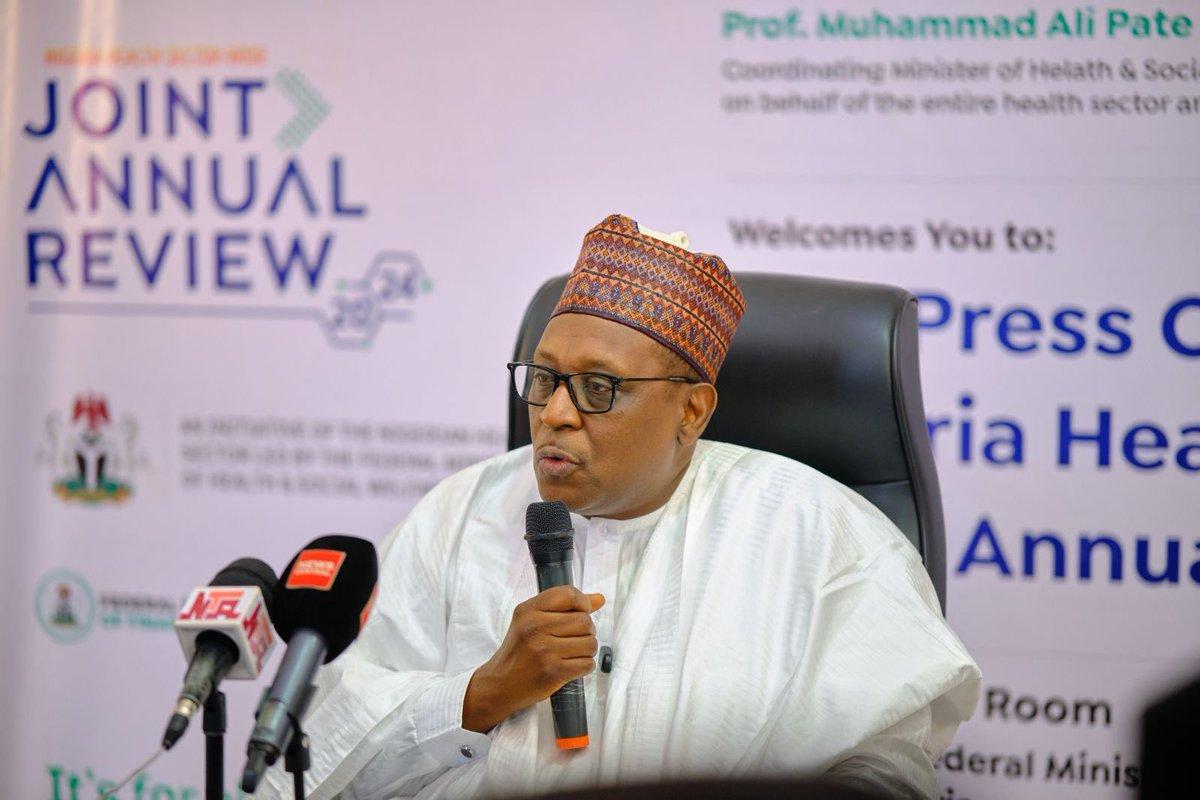
Nigeria’s Health Minister Muhammad Ali Pate says genomic sequencing shows the country’s only confirmed Ebola case is closely related to the virus detected in Kenya’s index patient. The Nigerian and Kenyan samples reportedly differ by only one mutation, but authorities say there is no evidence of direct contact or travel linking the two patients. Nigeria still has one confirmed case, involving a woman who traveled from Uganda to Abuja, while contact tracing, quarantine and laboratory testing continue. The government says the patient is showing signs of recovery and there is currently no evidence of community spread.
Nigeria’s only confirmed Ebola case has been genetically linked to the virus detected in Kenya’s first patient, providing the strongest scientific indication so far that the two infections are connected to the same regional outbreak while leaving unresolved the critical question of exactly how the virus reached Nigeria. Coordinating Minister of Health and Social Welfare Professor Muhammad Ali Pate said genomic sequencing conducted by Nigerian laboratories found that the virus isolated from the Abuja patient was closely related to the strain detected in Kenya, but he cautioned that genetic similarity alone does not establish a direct transmission route between the two countries.
The finding was announced on Friday during an update on Nigeria’s Ebola response delivered by Pate alongside Nigeria Centre for Disease Control and Prevention Director-General Dr. Jide Idris. Pate said the country still had only one confirmed case and that contact tracing, quarantine, laboratory testing and enhanced surveillance were continuing as authorities worked to prevent any further transmission. Some test results from identified contacts had returned negative, while others were still pending at the time of the briefing.
The confirmed Nigerian patient is a woman who arrived in Nigeria from Uganda before developing symptoms on October 7, four days after her arrival. She sought medical care at a private facility in Abuja on October 11 and was laboratory-confirmed with Bundibugyo virus disease on October 20. The Federal Ministry of Health initially identified 44 close contacts, including healthcare workers, patients, caregivers and travel contacts, and placed them under monitoring while infection-prevention measures were reinforced at the facility where she received treatment.
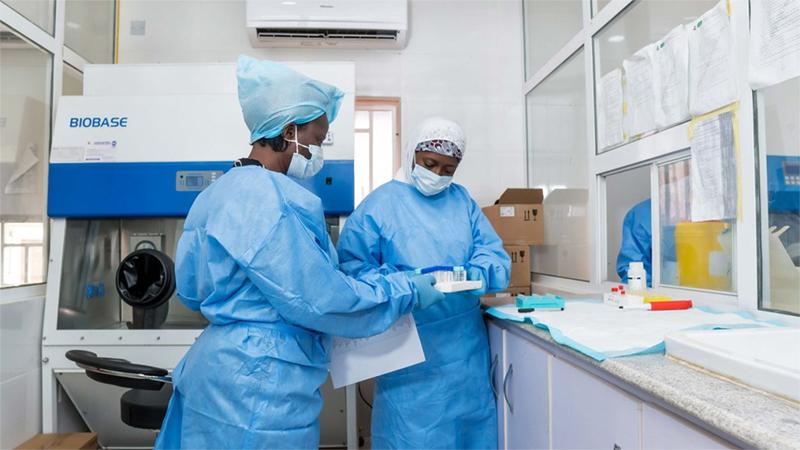
Pate said genomic sequencing carried out through the NCDC’s laboratory network and facilities associated with Professor Christian Happi at Redeemer’s University in Ede, Osun State, showed a very close genetic relationship between Nigeria’s viral sample and the virus found in Kenya’s index case. Premium Times reported that the two samples differed by only one mutation, a finding that suggests a recent common source or transmission chain while still falling short of identifying the precise route by which the Nigerian patient became infected.
The distinction is crucial because the Kenyan index case and the Nigerian patient do not currently have a confirmed direct epidemiological connection. Kenya’s first patient had traveled from the Democratic Republic of the Congo through Uganda before arriving in Nairobi, while Nigeria’s patient traveled from Uganda to Abuja and had not been reported to have visited Congo. Nigerian authorities say there is no evidence that Kenya’s first patient traveled to Nigeria or had direct contact with the Nigerian patient, meaning investigators are now trying to determine whether the genetic similarity reflects a shared exposure elsewhere, an unidentified transmission chain or another connection not yet discovered.
The Nigerian case forms part of a wider outbreak of Ebola disease caused by Bundibugyo virus that began in the Democratic Republic of the Congo earlier this year and has since produced imported or linked cases outside the country. The World Health Organization said Nigeria became the fifth country to detect the virus after the outbreak was declared in Congo on May 15. Kenya confirmed its first imported case in early October after a patient traveled from Congo through Uganda, while additional infections were subsequently identified among known contacts.
Kenya had confirmed nine cases by October 20, all involving the index case and known contacts, with no evidence at that point of wider community transmission. The country subsequently reported a second death on October 23 involving a 65-year-old woman who was a close relative and direct contact of the first patient. Seven other patients remained under treatment, and Kenyan authorities said extensive contact tracing and quarantine measures were continuing.
The genetic connection between the Nigerian and Kenyan viruses therefore gives regional public-health investigators a potentially important clue. Viruses accumulate mutations over time, and genomic sequencing allows scientists to compare samples and estimate how closely related infections may be. When samples differ by very few mutations, researchers may infer that they belong to the same recent transmission network or arose from a closely related source, but genomic evidence must still be combined with travel histories, contact tracing and epidemiological investigation before a route of transmission can be established.
Pate emphasized that point in his briefing, saying the genomic result adds information without resolving the central question of how Nigeria’s patient became infected. He said further analysis could either strengthen or alter current theories about the route of transmission, but the government would not draw conclusions unsupported by travel records and other epidemiological evidence. That caution is particularly important because premature claims about cross-border spread could generate unnecessary fear or result in unsupported restrictions on movement.
Nigeria’s current response is therefore focused on containment rather than source attribution alone. Public-health teams are continuing to trace and monitor contacts, conduct laboratory tests and strengthen infection-prevention procedures in health facilities. The federal government has also instructed hospitals nationwide to maintain a high level of suspicion for possible Ebola symptoms, isolate suspected cases promptly and report them immediately to public-health authorities.
The Health Ministry says the confirmed patient is showing signs of recovery and that there is currently no evidence of community spread inside Nigeria. Authorities are maintaining isolation and medical care while continuing to monitor people who may have been exposed before the diagnosis was established. The absence of additional confirmed cases is encouraging, but officials have not declared the threat over because Ebola contacts generally require a full monitoring period before public-health authorities can be confident that secondary transmission has not occurred.
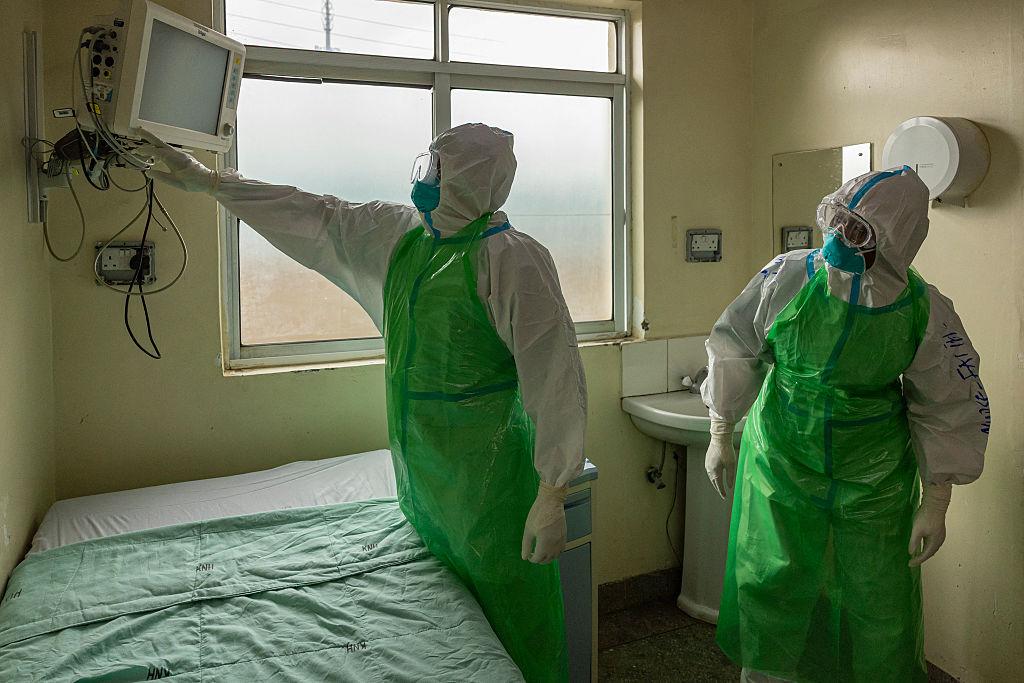
Health workers are a particular focus of the response because the Nigerian patient spent several days receiving treatment before laboratory confirmation. Ebola can expose doctors, nurses, laboratory workers and caregivers when infection-prevention procedures are not immediately activated, particularly if the illness is initially mistaken for more common febrile diseases. Authorities are therefore strengthening protective-equipment use, isolation procedures and training across both public and private health facilities.
Pate said Nigeria also intends to retrain health workers across tertiary and primary-care facilities to improve early recognition, clinical management and notification of suspected Ebola cases. That training is intended to reduce the delay between symptom onset and isolation, which can significantly affect both the number of people exposed and the ability of health authorities to contain an outbreak quickly.
The disease involved in the current outbreak is caused by Bundibugyo virus, one of the viruses capable of producing Ebola disease. It is distinct from Zaire ebolavirus, the virus responsible for several of the largest and deadliest Ebola outbreaks in West and Central Africa. The distinction has practical implications because vaccines and treatments developed for Zaire ebolavirus are not automatically effective against Bundibugyo virus, making prevention, early detection, supportive care and rigorous infection control especially important.
The WHO has described the current Bundibugyo outbreak in the Democratic Republic of the Congo as a major regional public-health threat. As of early October, Congo had reported thousands of confirmed cases and deaths across multiple provinces, with transmission continuing in several areas. The outbreak’s spread into neighboring or connected countries has increased the importance of border surveillance, traveler monitoring, laboratory capacity and rapid information-sharing between governments.
Uganda occupies a particularly important position in the investigation because both Kenya’s index patient and Nigeria’s confirmed patient traveled through or from Uganda before their diagnoses. Kenya’s first patient passed through Uganda while traveling from Congo to Nairobi, while Nigeria’s patient arrived directly from Uganda. Despite those travel histories, Uganda said Friday that it remained Ebola-free and was tightening precautions, including reinstating traveler locator forms and increasing surveillance for people arriving from affected areas.
That overlap does not establish Uganda as the source of either infection. It does, however, make travel histories through the country an obvious part of the epidemiological investigation because investigators must determine where each patient may have encountered the virus and whether there were unrecognized cases or exposures along their routes. The genomic similarity between Nigeria and Kenya increases the importance of reconstructing those journeys in detail.
The Nigerian findings also illustrate the growing role of genomic surveillance in African outbreak response. Nigeria has significantly expanded its capacity to sequence infectious-disease pathogens through institutions including the NCDC and the African Centre of Excellence for Genomics of Infectious Diseases at Redeemer’s University. Those capabilities became particularly visible during the COVID-19 pandemic and are now being used to compare Ebola samples and support cross-border outbreak investigations.
Genomic data cannot replace conventional public-health investigation, but it can narrow possibilities. If two infections are genetically distant, investigators may conclude they arose from separate transmission chains. If they are nearly identical, as Nigerian officials say in the current case, researchers can focus more closely on shared travel routes, exposures or transmission networks that might otherwise remain hidden.
Nigeria’s confirmation has also revived memories of the country’s 2014 Ebola outbreak, when an infected traveler arrived in Lagos during the West African epidemic. Nigeria ultimately contained that outbreak after 20 cases and eight deaths through aggressive contact tracing, isolation and emergency public-health coordination. The response was widely praised internationally and demonstrated the importance of rapidly identifying contacts and following them throughout the incubation period.
The circumstances in 2026 are different because the current virus species is Bundibugyo and the confirmed patient arrived in Abuja rather than Lagos, but the strategic lessons remain similar. Speed, transparency and disciplined contact monitoring are critical because Ebola spreads through direct contact with blood, body fluids or contaminated materials from infected people and is not transmitted through ordinary casual contact in the same way as airborne respiratory viruses.
Public communication will also remain important. Health authorities are attempting to provide regular updates while avoiding panic and misinformation, particularly on social media where unsupported claims can spread rapidly during disease outbreaks. Officials have stressed that Nigeria has one confirmed case rather than a generalized national outbreak and that no evidence of community transmission has been detected.
That distinction should remain central to reporting. The discovery that Nigeria’s virus is genetically related to Kenya’s does not mean that Nigeria has imported a large outbreak from Kenya, nor does it prove that the Nigerian patient was infected by the Kenyan index case. It means the viral samples are closely related genetically and that investigators now have another scientific clue to examine.
The wider regional situation nevertheless remains serious because Congo continues to experience extensive transmission, Kenya has recorded multiple cases, and Nigeria has now confirmed an imported infection. International travel between African capitals means outbreaks can cross borders before symptoms are recognized, particularly when infected travelers are still in the incubation period.
WHO has so far advised against general travel or trade restrictions on affected countries, arguing that strong surveillance, rapid case detection and coordinated cross-border response are more effective tools for controlling spread. Blanket restrictions can discourage reporting, disrupt economies and make outbreak management more difficult without necessarily preventing movement of infected individuals.
For Nigeria, the immediate priority is to complete contact monitoring and determine whether anyone else was infected before the patient entered isolation. Authorities will also continue reconstructing her travel and exposure history to establish where transmission most likely occurred. The genomic connection with Kenya will become more useful if investigators can identify a shared location, contact or transmission chain linking the two cases.
Until that evidence emerges, public-health officials are treating the genetic result as an important but incomplete finding. Nigeria has one confirmed imported case, the patient is under medical care and showing signs of improvement, contacts are being monitored, and no community spread has been confirmed. Those facts provide a substantially more reassuring picture than an uncontrolled domestic outbreak, but they do not eliminate the need for continued surveillance while the source of infection remains unresolved.
The next important developments will be the results of outstanding tests among contacts, the completion of Nigeria’s monitoring period without additional cases, and any new epidemiological evidence explaining why the Nigerian and Kenyan viruses are so closely related. If no additional Nigerian cases emerge and all contacts complete monitoring safely, authorities may eventually be able to conclude that the imported infection was successfully contained.
For now, the genomic finding has sharpened rather than completed the investigation. It links Nigeria scientifically to the wider regional Ebola emergency but does not yet reveal the transmission pathway. Nigerian authorities are therefore continuing the combination of contact tracing, testing, genomic surveillance, health-worker preparedness and cross-border coordination that will determine whether the country can prevent a single imported case from becoming a wider outbreak.