MAHAMA ORDERS SOLDIERS TO REMAIN IN NINE CLEARED FOREST RESERVES AS GOVERNMENT MOVES TO BLOCK RETURN OF GALAMSEY OPERATORS
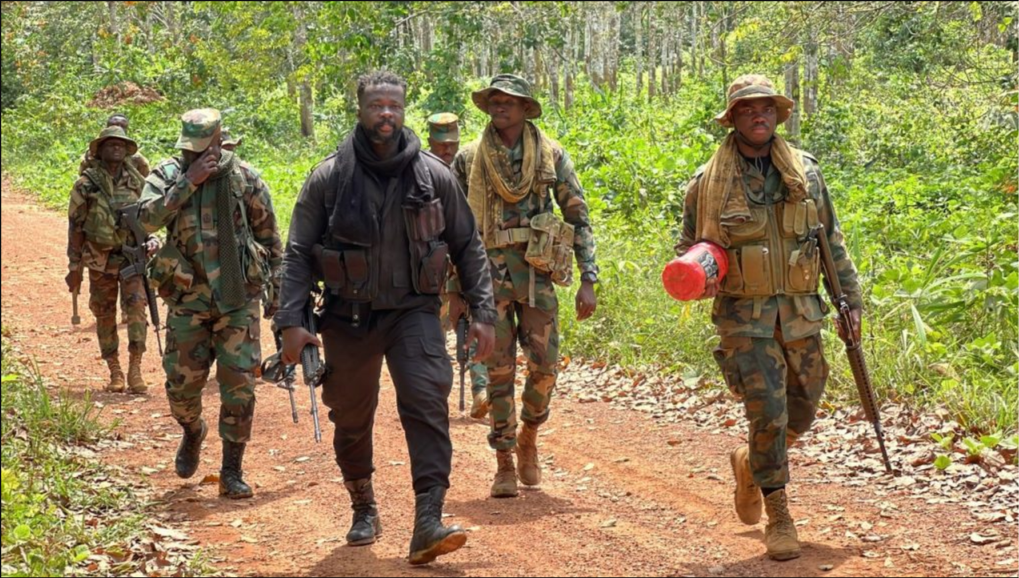
President John Dramani Mahama says soldiers will remain stationed in all nine forest reserves that were previously classified as red zones after security forces cleared them of illegal miners. The President said earlier anti-galamsey operations failed to produce lasting results because miners returned after soldiers withdrew, while forest guards were sometimes attacked when they attempted to protect the reserves. Government now intends to maintain a military presence while GoldBod, the Forestry Commission and security agencies reclaim degraded land and replant affected areas. Mahama has also announced GH¢400 million in the 2027 Budget to recruit additional Blue Water Guards to protect rivers and intensify the fight against illegal mining.
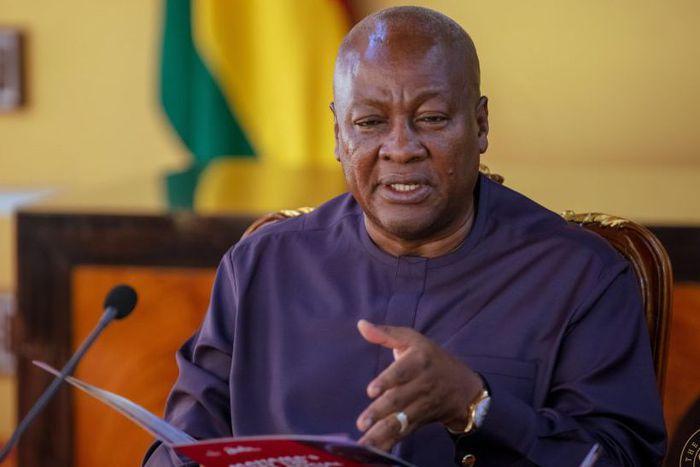
President John Dramani Mahama has announced that soldiers will remain stationed in nine forest reserves that were previously classified as red zones because of extensive destruction and the presence of heavily armed illegal miners. The President said all nine reserves have now been cleared of galamsey operators, but troops will not withdraw as happened during earlier anti-illegal mining operations because the government wants to prevent miners from returning once the immediate military pressure disappears. Mahama said previous experience showed that some illegal miners simply waited for soldiers to leave before moving back into protected forests, placing forest guards in danger and effectively reversing the progress made during security operations.
Mahama made the announcement while addressing chiefs from the Western North Region, where illegal mining remains one of the most serious environmental and security challenges facing communities. He said the government had reached the conclusion that clearing a forest reserve was not enough if the state could not maintain control afterwards. The new approach therefore combines military enforcement with continued occupation of the cleared areas, forest reclamation and stronger cooperation between government agencies, traditional authorities and local communities.
The President said the nine reserves had originally been designated as red zones because conditions inside them had become exceptionally dangerous. Illegal miners were not simply entering the forests with basic equipment and leaving when challenged. According to Mahama, some of the operators were heavily armed and had resisted attempts by forest guards to remove them. He said forest officers had come under gunfire in some areas and that some personnel had lost their lives while attempting to protect the reserves.
That history, according to the President, explains why government no longer wants forest guards to be left alone immediately after military operations conclude. Mahama said soldiers had previously been deployed to some of the reserves, successfully removed illegal miners and then handed the areas back to forestry personnel. However, once the troops withdrew, operators returned and resumed mining because they believed forest guards did not have the capacity or firepower to stop them.
The President said the government has therefore changed its strategy. Rather than treating military deployment as a temporary clearance exercise, soldiers will remain in the affected reserves to create a continuing deterrent. He did not announce an end date for the deployment, and his remarks indicate that the troops will stay for as long as government considers their presence necessary to prevent the return of illegal miners.
Mahama’s statement is one of the clearest indications yet that the administration intends to maintain a sustained security presence in some of Ghana’s most damaged forest reserves. Anti-galamsey operations under successive governments have often produced dramatic raids, arrests and destruction of equipment, only for illegal miners to return after security personnel move elsewhere. The President is now acknowledging that this pattern has weakened previous enforcement efforts and allowed illegal mining networks to survive repeated crackdowns.
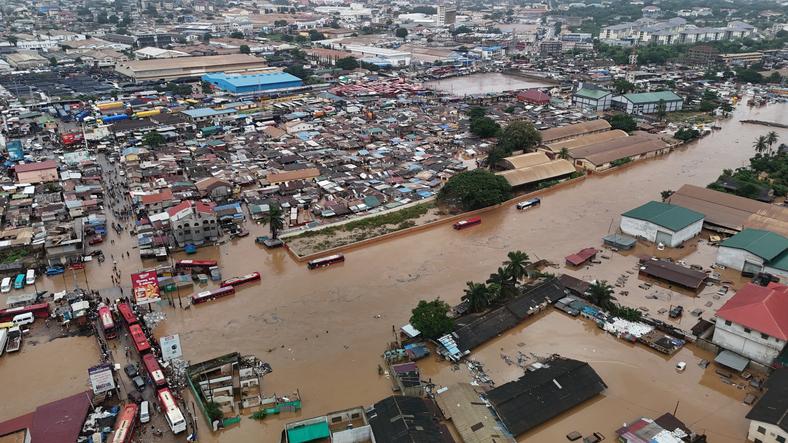
The government’s challenge is particularly serious because illegal mining inside forest reserves causes damage that extends beyond the immediate extraction of gold. Operators clear vegetation, excavate large sections of land, create pits, divert streams and use heavy machinery in environments that are supposed to be protected from commercial exploitation. Once these activities continue for long periods, natural regeneration becomes difficult and expensive, while wildlife habitats and water systems can be severely affected.
Forest reserves also play an important role in protecting river catchments. When illegal mining strips vegetation and exposes large areas of soil, heavy rainfall can carry mud and sediment into nearby streams and rivers. This contributes to the heavily polluted appearance of some water bodies in mining areas and increases the cost of treating water for domestic consumption. It can also damage aquatic ecosystems and reduce water quality for farming communities.
Mahama said progress has been made in clearing the nine red-zone reserves, but he acknowledged that illegal mining remains a wider national problem. The President said the government must continue working on rivers, tributaries and degraded lands because stopping activity in one location does not automatically end pollution elsewhere. Mud and silt can continue entering major rivers from smaller tributaries where illegal mining remains active.
The President’s remarks also highlighted the security dimension of galamsey. The presence of armed operators inside protected forests transforms illegal mining from an environmental offence into a more complex law-enforcement problem. Forest guards, whose primary responsibility is environmental protection, are not equipped to confront criminal groups carrying firearms. Continued military deployment is therefore intended to give the state a stronger presence in locations where normal civilian enforcement has previously failed.
However, keeping soldiers permanently or indefinitely inside forest reserves will require significant resources. Troops need accommodation, food, transport, communications equipment and logistical support. Military personnel will also have to rotate, maintain patrols and coordinate with the Forestry Commission and other agencies. Government has not yet published the total cost of maintaining the deployments or the number of soldiers assigned to each reserve.
The President also did not publicly identify all nine reserves by name during the latest announcement. Current reports confirm that there are nine previously designated red-zone forest reserves and that all have been cleared, but the complete official list was not included in the remarks carried by the Ghana News Agency, MyJoyOnline, Citi Newsroom and 3News. For that reason, any detailed list circulating separately should be checked against an official Forestry Commission or government release before being presented as final.
The absence of a publicly detailed list does not reduce the importance of the announcement. What has been confirmed is that the government considers all nine former red zones cleared of active galamsey operators and has stationed soldiers in them to prevent a return. The policy therefore represents a shift from temporary enforcement to long-term protection.
Mahama also appealed directly to traditional leaders to support the anti-galamsey effort. He said chiefs live closer to affected communities than national officials and can play an important role in influencing young people, discouraging illegal operations and helping government understand local conditions. The President expressed concern that some enforcement operations had met resistance from young people and, in some cases, traditional authorities.
The relationship between government and chiefs has become increasingly important in the fight against illegal mining because land access and local influence can shape whether operations survive. Illegal miners often depend on local networks for information, access, labour and protection. If influential community figures openly oppose illegal mining, enforcement becomes easier. If local power structures tolerate or benefit from the activity, security operations can become much more difficult.
Mahama therefore framed the fight as a shared responsibility rather than something the military can solve alone. Soldiers can remove miners and equipment from a forest, but government still needs community cooperation to stop operators from returning through different routes or reopening sites after security patrols move elsewhere.
The President also acknowledged concerns about deaths during anti-galamsey operations. He referred to incidents in which soldiers discharged firearms during enforcement activities and people were killed. Mahama said stronger engagement between government, security forces and traditional leaders is necessary to reduce confrontation and prevent avoidable casualties while enforcement continues.
That point is significant because anti-illegal mining operations have often generated tension between security forces and communities. Residents may depend economically on mining even when the activity is unlawful or environmentally destructive. When troops arrive to shut down operations, the result can be confrontation, particularly where large numbers of young people believe their livelihoods are being taken away without alternatives.
The government says this is why enforcement must be combined with economic interventions. Mahama has repeatedly argued that Ghana cannot defeat galamsey only by arresting miners or destroying equipment. The administration must also create alternative employment opportunities for young people who would otherwise return to illegal mining because they have limited sources of income.
This economic dimension is particularly important in mining communities where galamsey can provide immediate cash even though it creates long-term environmental damage. Farming, apprenticeships or formal employment may offer lower or slower returns, making it difficult to persuade some young people to abandon illegal mining voluntarily.
The government is therefore attempting to combine enforcement with broader development programmes. Mahama said the long-term objective is not only to clear illegal miners from forests and rivers but also to reduce the economic pressure that pushes people into galamsey in the first place.
Reclamation is another major part of the strategy. The President said the Ghana Gold Board, commonly known as GoldBod, has begun engaging the military in a programme to reclaim forest areas destroyed by illegal mining. The plan involves using bulldozers to level degraded land before replanting economic trees in collaboration with the Forestry Commission.
This reclamation programme is important because cleared mining sites can remain dangerous and environmentally damaged long after miners leave. Large open pits can fill with water and become drowning hazards, while unstable ground can make farming or forestry impossible. Simply removing miners therefore does not restore the original landscape.
Levelling damaged land is only the first stage. Successful forest restoration requires suitable soil conditions, tree planting, protection from further disturbance and years of maintenance. Some heavily mined areas may take decades to recover meaningful forest cover, especially where topsoil has been removed or contaminated.
The involvement of the military in reclamation also shows that government intends to use soldiers for more than direct enforcement. Troops may support heavy equipment operations and provide security while Forestry Commission personnel carry out restoration work. This could reduce the risk that illegal miners return to interfere with reclamation teams.
GoldBod’s role reflects the government’s broader attempt to reform Ghana’s gold sector. The institution has been tasked with improving oversight of gold purchases and exports while helping government capture more value from the industry. Connecting it to land reclamation adds an environmental responsibility to that economic mission.
Mahama also announced that the Finance Minister has allocated GH¢400 million in the 2027 Budget to recruit additional Blue Water Guards. These personnel are expected to patrol water bodies and intensify efforts to stop illegal mining along rivers and streams. The President said the guards have been instructed to destroy changfang machines used for illegal mining whenever they encounter them.
Changfang machines have become one of the most visible symbols of river-based galamsey. The floating or semi-floating equipment is used to extract gold-bearing material from riverbeds and banks, often leaving water heavily polluted with sediment. Government has repeatedly ordered the destruction of such machines during enforcement operations.
Mahama said several changfang machines have already been destroyed and that major river channels have been cleared in some areas. However, he acknowledged that tributaries extending for hundreds of kilometres remain a major challenge because mining activity in those smaller waterways continues to send mud and silt downstream.
This illustrates why the government’s anti-galamsey campaign has to operate across multiple environments simultaneously. Forest reserves, rivers, tributaries, private concessions and community lands all present different enforcement challenges. Clearing one category of site does not automatically stop illegal mining elsewhere.
The nine forest reserves are nevertheless symbolically important because they had been classified among the most dangerous and heavily damaged areas. If government can maintain control of them over a long period, it would represent a measurable enforcement success. If miners return after troops eventually leave, the policy would face the same problem as previous operations.
The President’s decision to keep soldiers stationed there is clearly intended to avoid that outcome. The central logic is deterrence. Galamsey operators may be less willing to invest in excavators, pumps and labour if they know armed state security personnel remain permanently present and can seize or destroy equipment immediately.
The effectiveness of that deterrence will depend on consistency. If patrols become irregular or soldiers are reduced over time, illegal operators may test the system and attempt to return. Government will therefore need a long-term monitoring arrangement capable of detecting renewed activity quickly.
Technology could potentially support that effort. Satellite imagery, drones and remote sensing can identify new excavations or vegetation loss in protected areas before operations become large. Ghana’s environmental and security agencies could use such tools to complement ground patrols and reduce the number of personnel required to monitor vast forest areas continuously.
The Forestry Commission will remain central even with soldiers present. Military personnel can provide security, but professional foresters are responsible for managing the reserves, monitoring ecological recovery and enforcing forestry regulations. The long-term goal would ideally be to restore conditions in which forest guards can operate safely without permanent military protection.
That transition may take time because Mahama’s remarks suggest the threat level in the nine red zones remains serious despite the removal of active miners. Criminal networks may still have an interest in returning because gold-bearing areas remain economically valuable.
The government must also consider the possibility that illegal mining will simply move outside protected reserves if enforcement becomes too difficult inside them. Stronger forest protection can displace mining to farms, riverbanks or other lands unless enforcement and alternative livelihood programmes expand at the same time.
This displacement effect has been seen in other forms of environmental enforcement. Criminal activity often adapts to where security pressure is weakest. A successful national strategy must therefore make illegal operations difficult across multiple locations rather than only protecting a small number of highly visible reserves.
Public accountability will also matter. Ghanaians have heard repeated promises from successive governments about ending galamsey, and many citizens remain sceptical because polluted rivers and destroyed landscapes remain visible. The administration will therefore need to provide measurable evidence that the nine reserves remain clear and that reclamation is progressing.
Periodic publication of monitoring reports, satellite images or Forestry Commission assessments could help establish whether the policy is working. Without transparent data, government claims of success may be difficult for the public to independently evaluate.
Civil society organisations have repeatedly demanded stronger enforcement against politically connected miners and financiers, arguing that arresting labourers at mining sites is not enough. The long-term effectiveness of the anti-galamsey campaign will therefore also depend on whether authorities investigate and prosecute individuals who finance operations, provide equipment or use influence to protect illegal miners.
Military deployment can disrupt activities on the ground, but it does not automatically dismantle the financial networks behind them. Excavators, fuel, machinery and labour require substantial funding. Preventing a return to protected forests may therefore require law-enforcement agencies to follow money and equipment ownership as aggressively as soldiers patrol physical sites.
The President’s request for support from chiefs reflects the same logic. The state needs information about who controls mining operations, where equipment comes from and how operators move between communities. Local intelligence can be crucial in identifying these networks.
There is also the question of legal accountability for people arrested during operations. If suspects are detained but prosecutions take years or cases collapse, deterrence may weaken. Government agencies will need to ensure evidence collected by soldiers and other enforcement teams is properly documented so prosecutors can pursue cases successfully.
Ghana’s anti-galamsey fight has increasingly become a test of state capacity. It touches environmental regulation, policing, military operations, local government, traditional authority, gold trading, water treatment, employment and public confidence. No single agency can solve all of those problems.
Mahama’s latest announcement addresses one specific weakness that has undermined previous operations: what happens after illegal miners are removed. By keeping soldiers in the nine cleared forest reserves, government is attempting to prevent the cycle in which enforcement produces temporary success followed by a rapid return of operators.
The strategy is straightforward but demanding. The reserves must remain protected, degraded land must be reclaimed, miners must be prevented from relocating nearby, and communities must be offered economic alternatives that reduce the incentive to return.
If those elements work together, the government could turn the clearance of the nine red zones into a lasting environmental recovery programme rather than another temporary military operation.
If they do not, soldiers could remain deployed for years while illegal mining simply shifts to different locations.
For now, Mahama has made the government’s immediate position clear. The troops will stay in the nine reserves, and they will remain there specifically because previous withdrawals created an opportunity for galamsey operators to return.
The President’s message is therefore less about declaring the fight finished than acknowledging that clearing the forests is only the first stage. Keeping them clear, reclaiming the destroyed land and preventing illegal mining networks from rebuilding will determine whether the government’s latest anti-galamsey strategy produces lasting results.