

KING SUNNY ADÉ TURNS 80 AS NIGERIA CELEBRATES JÙJÚ MUSIC LEGEND
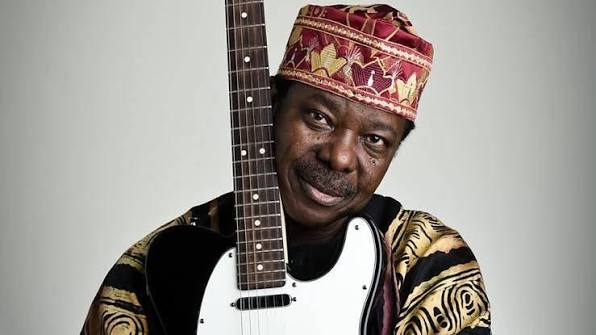
Nigerian music icon King Sunny Adé is celebrating his 80th birthday, marking another milestone in a career spanning more than six decades. The legendary musician helped transform jùjú music and take the distinctly Nigerian sound to audiences around the world.
LAGOS, Legendary Nigerian musician King Sunny Adé has turned 80, with fans, fellow entertainers and political leaders celebrating one of the country's most influential and internationally recognized music icons.
Born Sunday Adeniyi Adegeye on September 22, 1946, King Sunny Adé has spent more than six decades building a career that helped reshape jùjú music and introduce the genre to audiences far beyond Nigeria.
His 80th birthday on Tuesday has triggered tributes across Nigeria, with admirers celebrating his longevity, musical innovation and contribution to the country's cultural identity.
President Bola Tinubu joined the celebrations, describing the veteran musician as an example of musical excellence and cultural ambassadorship.
Tinubu praised King Sunny Adé for using his music to promote Nigerian culture internationally and inspiring generations of musicians and other creative professionals.
Ondo State Governor Lucky Aiyedatiwa also celebrated the musician, describing him as a distinguished son of Ondo Kingdom whose career has helped promote the heritage and traditions of the state to audiences in Nigeria and around the world.
King Sunny Adé began his professional music career during the 1960s and gained early experience with Moses Olaiya's Federal Rhythm Dandies.
He formed his own group, the Green Spots, in 1967. The band later evolved into African Beats as Adé established himself as one of the dominant figures in Nigerian jùjú music.
His music combined traditional Yoruba musical elements, talking drums, layered percussion and vocals with electric guitars and other modern instruments.
King Sunny Adé also became known for energetic live performances, elaborate stage arrangements and coordinated choreography that helped distinguish his shows from more traditional jùjú performances.
His career entered a major international phase during the early 1980s.
After signing with Island Records, King Sunny Adé released the internationally acclaimed album Jùjú Music in 1982.
Synchro System followed in 1983 and earned him a Grammy nomination the following year, helping establish him as one of the most prominent African musicians on the international music scene.
His album Odu later earned another Grammy nomination in 1999. The Recording Academy lists King Sunny Adé as a two time Grammy nominee.
His success helped demonstrate that music deeply rooted in Yoruba culture could reach international audiences without abandoning its traditional identity.
Over the decades, his influence has extended beyond his own recordings.
His fusion of traditional instrumentation, electric guitars and large scale live performances helped create a blueprint that influenced later generations of Nigerian performers as the country's music industry expanded internationally.
King Sunny Adé has also received numerous honours during his career, including Nigeria's Member of the Order of the Federal Republic national honour.
Now entering his ninth decade, the musician remains one of the most enduring figures in Nigerian entertainment.
For many Nigerians celebrating his birthday, the milestone represents more than the longevity of an individual performer.
It marks 80 years in the life of an artist whose music helped carry Nigerian and Yoruba culture from local celebrations and dance halls onto some of the world's biggest stages.
As tributes continue across Nigeria and social media, King Sunny Adé's 80th birthday is also providing an opportunity for a new generation to revisit the music and cultural legacy of one of Africa's most celebrated performers.