
FG SAYS THREE STATE REFINERIES ARE NOT PRODUCING AS CHINESE PARTNERSHIPS ARE NEGOTIATED
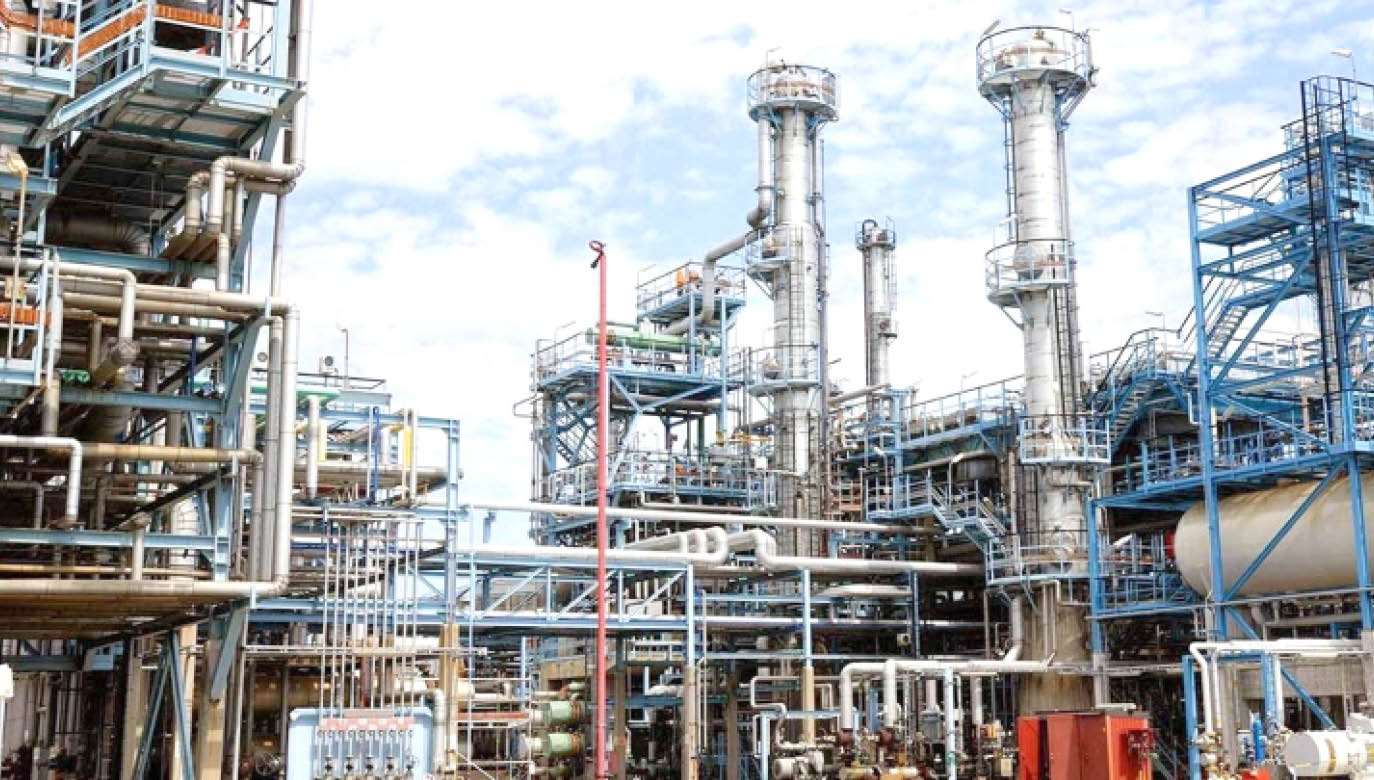
Nigeria's three major state-owned refinery complexes in Port Harcourt, Warri and Kaduna are currently not producing, according to Minister of State for Petroleum Resources Heineken Lokpobiri. The minister says the government is now pursuing partnerships with Chinese companies to help rehabilitate the facilities.
Nigeria's three major state-owned refinery complexes are currently not producing petroleum products despite years of rehabilitation efforts, Minister of State for Petroleum Resources Heineken Lokpobiri has said, as the government seeks new partnerships with Chinese companies to revive the facilities.
Lokpobiri said the latest briefing he received from the Nigerian National Petroleum Company Limited showed that the Port Harcourt, Warri and Kaduna refineries were not currently operational.
The minister made the disclosure during an interview on Channels Television's Politics Today while responding to questions about the state of Nigeria's refining industry and the billions of dollars committed to rehabilitating government-owned facilities.
"As of today, based on the last briefing I got from NNPC, none of the refineries are producing," Lokpobiri said.
The admission comes after years of attempts to restore domestic refining capacity at the facilities and repeated announcements concerning rehabilitation work.
Nigeria has four government-owned refineries located within three complexes. Two are in Port Harcourt, while the other facilities are in Warri and Kaduna.
Lokpobiri said the government was now looking at new arrangements that could bring technical expertise and investment into the facilities.
He disclosed that discussions were underway with Chinese companies over potential partnerships involving the refineries.
The minister did not announce a completed agreement or identify all of the companies involved, meaning the proposed partnerships remain under negotiation.
According to Lokpobiri, the government believes partnerships with experienced international operators could provide another route toward restoring the facilities rather than continuing to rely solely on previous rehabilitation arrangements.
The state of the refineries has remained a major public issue because of the substantial sums committed to rehabilitation over several years.
Lokpobiri said approximately $1.5 billion had been associated with the rehabilitation programme and that about $1.4 billion had already been spent before he assumed office as petroleum minister.
He stressed, however, that NNPC should provide the detailed accounting of how the money was spent.
The minister's comments do not by themselves establish that the expenditure was improperly used. They confirm his account of the amount already spent and the current non-producing status of the refineries, while leaving questions about the individual contracts, payments and work completed to NNPC and other relevant authorities.
Nigeria has spent decades attempting to restore its government-owned refining facilities despite being one of Africa's largest crude oil producers.
The Federal Executive Council approved a $1.5 billion rehabilitation programme for the Port Harcourt refinery in 2021, with the project structured in phases.
Subsequent rehabilitation programmes were also pursued for the Warri and Kaduna facilities.
NNPC announced in November 2024 that the Port Harcourt refinery had resumed operations, followed by an announcement in December that the Warri refinery had restarted.
Those developments were presented at the time as major steps toward restoring Nigeria's domestic refining capacity.
Operations were later suspended again.
The current situation has renewed scrutiny of the effectiveness of the rehabilitation programmes and the long term future of the government-owned facilities.
Nigeria's refining landscape has also changed significantly following the emergence of large privately owned refineries, particularly the Dangote Petroleum Refinery in Lagos.
The government has argued that expanding domestic refining capacity will reduce dependence on imported petroleum products, conserve foreign exchange and strengthen Nigeria's energy security.
Lokpobiri said the government remains committed to getting the state-owned refineries working but acknowledged that their present condition requires a different approach.
The proposed Chinese partnerships could therefore become a significant part of the government's next attempt to revive the facilities.
For now, however, the minister's latest account confirms that the Port Harcourt, Warri and Kaduna refinery complexes are not producing petroleum products.
Questions over the approximately $1.5 billion rehabilitation programme are also likely to continue, particularly as lawmakers and the public seek a clearer accounting of the expenditure and the work carried out at the facilities.