

GHANA MARITIME AUTHORITY REJECTS CLAIMS VESSEL SURVEILLANCE SYSTEM IS DOWN
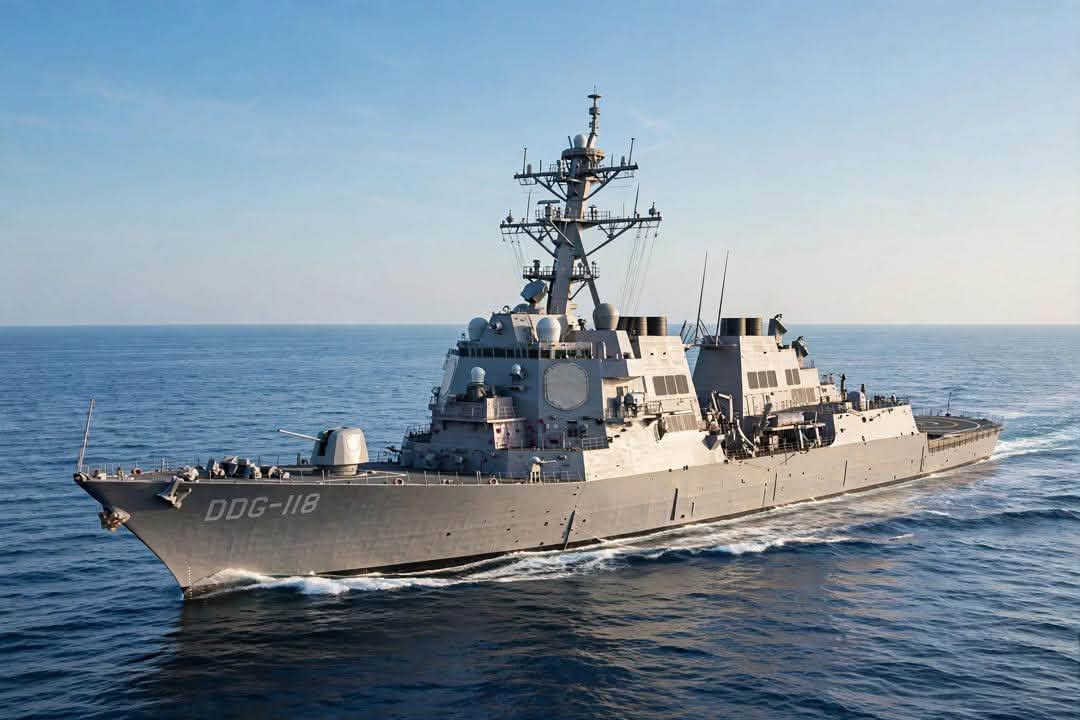
The Ghana Maritime Authority has rejected claims by NPP communicator Dennis Miracles Aboagye that its vessel surveillance system has been down for months, insisting that it continues to monitor Ghana's maritime domain around the clock. The dispute comes amid heightened scrutiny of the country's ports following recent narcotics seizures linked to Ghana.
The Ghana Maritime Authority has rejected claims that its vessel surveillance system is ineffective or has been out of operation for months, insisting that ships within Ghana's maritime domain continue to be monitored around the clock.
The Authority issued the response after Dennis Miracles Aboagye, a senior aide to NPP flagbearer Dr Mahamudu Bawumia, questioned the effectiveness of Ghana's maritime surveillance infrastructure as political debate intensifies over recent drug trafficking cases linked to the country's ports.
Aboagye said during media appearances on Tuesday that the system used by the Maritime Authority to monitor activity on Ghana's high seas had allegedly been down for months.
The GMA disputed that account.
In a statement responding to his comments, the Authority described the claims as false and misleading and said its maritime domain awareness systems remain operational.
"The Authority continues to use its maritime domain awareness tools to monitor vessels and maintains 24-hour surveillance and monitoring of vessels in Ghana's maritime domain," the GMA said.
The Authority said its surveillance infrastructure is used to track vessels, establish their identities and verify compliance with maritime requirements.
It also plays a role in monitoring offshore oil and gas installations, pipelines and submarine cables.
CLAIMS EMERGE AMID DRUG TRAFFICKING CONTROVERSY
The dispute comes as Ghana faces growing scrutiny over major narcotics seizures that authorities say have connections to the country.
Aboagye has questioned how large quantities of drugs allegedly moved through Ghanaian ports without being detected, arguing that the government should explain possible weaknesses in the country's maritime and port security systems.
His comments followed reports of a seizure of nearly 3.9 tonnes of cocaine at the Port of Dunkirk in France. The drugs were reportedly concealed in a container carrying plastic waste shipped from Ghana.
Ghana's Narcotics Control Commission subsequently announced arrests in connection with the consignment.
The incident has become part of a wider political debate over narcotics trafficking, with opposition lawmakers calling for Parliament to investigate several major drug seizures linked to Ghana.
Aboagye has argued that the cases raise questions about whether the country's surveillance and inspection systems are functioning effectively.
The GMA, however, says the suggestion that vessels are moving through Ghanaian waters without surveillance is inaccurate.
HOW GHANA'S VESSEL MONITORING SYSTEM WORKS
The Ghana Maritime Authority operates the Vessel Traffic Management Information System, known as VTMIS, as part of the country's maritime security infrastructure.
According to the Authority, the system was established in 2014 to provide continuous surveillance of maritime activities within Ghanaian waters.
It consists of 11 remote sensor sites, four data and control centres and 10 monitoring stations.
The system is designed to help authorities monitor vessel movements, detect potentially illegal maritime activities, coordinate search and rescue operations and reduce the risk of vessel collisions.
The GMA also works with the Ghana Navy, Marine Police and port authorities on maritime security operations.
The Authority said its monitoring infrastructure remains important not only for security but also for navigational safety and environmental protection.
Its statement did not provide detailed technical data demonstrating the current operational status of each component of the surveillance network.
The disagreement therefore leaves two competing accounts in the public domain.
Aboagye alleges that the surveillance system has been down for months. The GMA categorically rejects that assertion and says it continues to maintain 24-hour vessel monitoring.
The Authority urged the public to rely on official information concerning maritime surveillance.
The controversy is likely to remain part of the broader debate over Ghana's response to narcotics trafficking as lawmakers and security agencies face increasing questions about how illicit consignments linked to the country have moved through international shipping networks.