IRAN JAILS PALME D’OR WINNER JAFAR PANAHI FOR FIVE YEARS, ORDERS SEIZURE OF HIS ASSETS
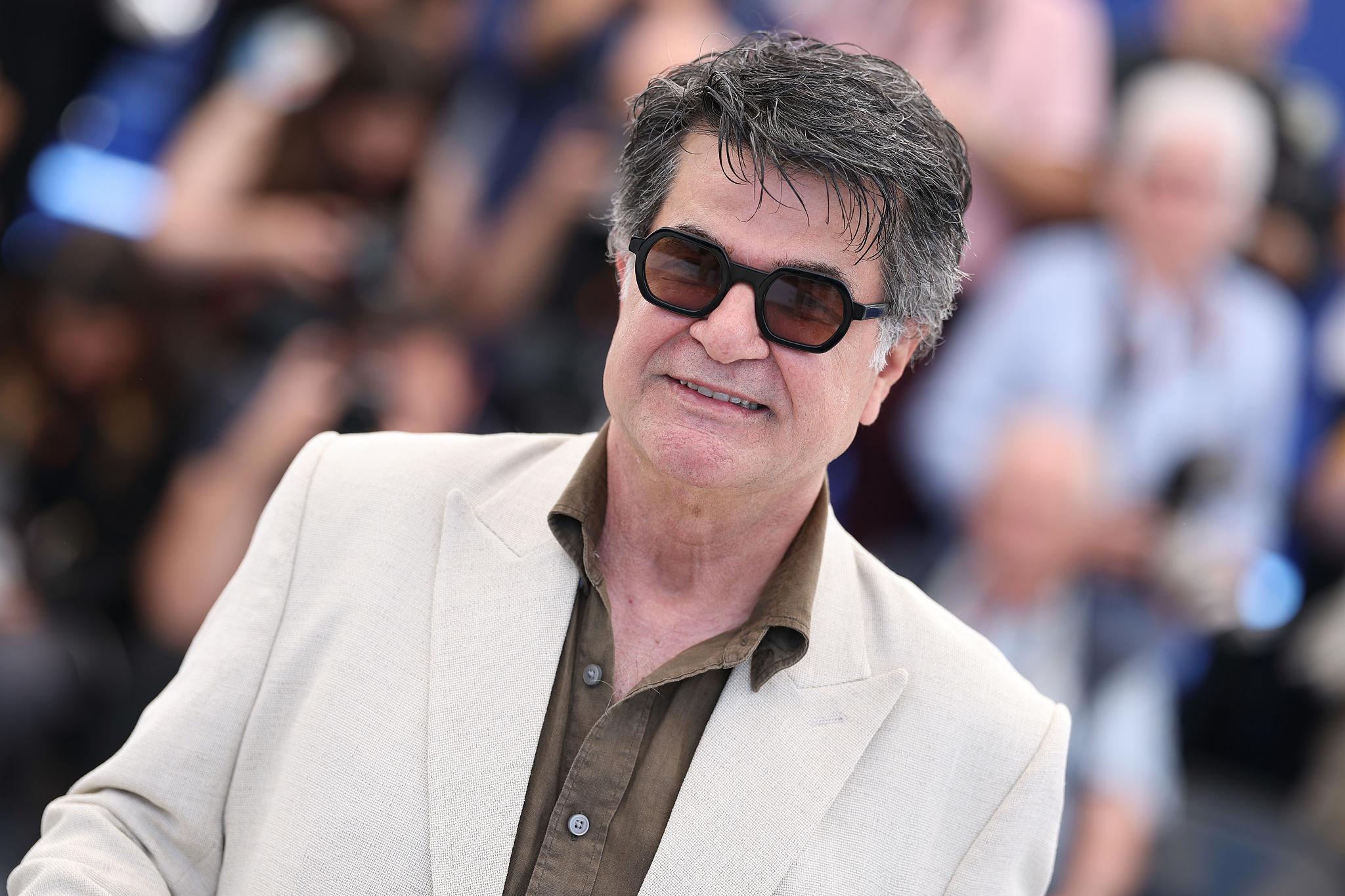
Iran’s Revolutionary Court has sentenced Palme d’Or-winning filmmaker Jafar Panahi to more than five years in prison, ordered the confiscation of his assets and imposed two-year bans on international travel and social-media activity. Reuters reported the sentence as five years, while other reports citing his lawyer put it at five years and one month. The charges in the latest case were not immediately specified. Panahi won the 2025 Cannes Palme d’Or for It Was Just an Accident. Reuters
Iran’s Revolutionary Court has sentenced internationally acclaimed filmmaker Jafar Panahi to more than five years in prison, ordered the confiscation of his assets and imposed new restrictions on his travel and social-media activity, escalating a decades-long confrontation between one of Iran’s best-known directors and the country’s authorities.
The ruling was reported on Wednesday, October 28, by Iran’s semi-official Nournews agency, which cited Panahi’s lawyer. Reuters reported the sentence as five years in prison, while separate reports citing lawyer Mostafa Nili described the term more precisely as five years and one month. The court also ordered the seizure of Panahi’s assets and prohibited him from leaving Iran or engaging in social-media activity for two years.
The precise charges underlying the latest conviction were not immediately disclosed in the Nournews report, an important limitation in assessing the legal basis for the sentence. Reuters said Panahi’s lawyer could not immediately be reached for additional comment, while other reports citing Nili said the judgment was handed down in absentia.
The sentence represents another major legal blow for a filmmaker whose work has repeatedly collided with restrictions imposed by Iranian authorities and whose career has continued internationally despite arrests, imprisonment, travel bans and prohibitions on filmmaking.
Panahi, one of the most prominent figures in contemporary Iranian cinema, won the Palme d’Or at the 2025 Cannes Film Festival for It Was Just an Accident, one of the highest honors in world cinema. The Cannes Film Festival officially lists the film as the 2025 Palme d’Or winner.
The film marked another significant moment in a career defined by both international recognition and confrontation with Iran’s political and judicial system. It Was Just an Accident follows a group of people whose encounter with a man they believe may have tortured them forces them to confront questions of memory, revenge, justice and responsibility.
Panahi has often incorporated themes of state power, personal freedom, censorship and social restrictions into his work, frequently using ordinary Iranian lives to examine wider political and cultural tensions. His filmmaking has brought him some of the industry’s most prestigious awards while also repeatedly drawing scrutiny from authorities inside Iran.
The latest ruling comes on top of an earlier sentence imposed in 2025. Panahi had previously been sentenced in absentia to one year in prison over what Iranian authorities described as propaganda activities against the system. Despite that sentence, he returned to Iran in March 2026 after traveling internationally.
Reports citing his lawyer say Panahi’s bank accounts were unexpectedly frozen before he and Nili visited a prosecutor’s office in Tehran and learned that the new judgment had been issued. According to those reports, court documents suggested that Panahi was believed to be outside Iran and unavailable, even though he had already returned to the country.
The newest ruling therefore places the director in an increasingly complicated legal position. It was not immediately clear how the new sentence would interact with the earlier one-year term or when authorities intended to enforce either judgment. Nili was quoted in separate reporting as saying implementation remained subject to decisions by the authorities.
Panahi’s legal battles stretch back more than a decade and a half. In 2010, Iranian authorities sentenced him to six years in prison and imposed sweeping professional restrictions that included prohibitions on filmmaking, giving interviews and traveling abroad.
Rather than ending his career, those restrictions became part of the story of his filmmaking. Panahi continued making films through unconventional and often clandestine methods, sometimes working with extremely small crews and using limited equipment to avoid official controls.
One of the most striking examples was This Is Not a Film, released in 2011. The work documented Panahi’s life under restrictions and was reportedly smuggled out of Iran for international exhibition. It became emblematic of his refusal to stop making films despite the formal prohibition against him.
He later directed Taxi, which won the Golden Bear at the Berlin International Film Festival in 2015. The film used the device of Panahi driving a taxi through Tehran while interacting with passengers, allowing him to explore social and political issues through conversations taking place inside the vehicle.
Three Faces, released in 2018, won the Best Screenplay award at Cannes. The film examined pressures facing women and artists in rural Iranian society and further established Panahi as a filmmaker capable of maintaining an international career despite severe restrictions on his movement and professional activities. Cannes records also show his earlier recognition for Crimson Gold and The White Balloon.
Panahi was arrested again in July 2022 after visiting prosecutors in Tehran amid controversy involving other detained filmmakers. He was subsequently imprisoned before being released in 2023 following a hunger strike.
His release was followed by the lifting of some travel restrictions, allowing him to return to major international film events. His appearance at Cannes in 2025 marked his first time at the festival in more than two decades and became one of the most closely watched moments of that year’s event.
It Was Just an Accident subsequently won the Palme d’Or, placing Panahi among the small group of filmmakers who have received top awards at several of the world’s most important film festivals.
The Cannes jury, chaired in 2025 by French actress Juliette Binoche, selected Panahi’s film for the festival’s highest prize from the official competition. The Festival de Cannes later described him formally as the 2025 Palme d’Or winner.
Panahi’s success abroad has often stood in stark contrast to his legal position at home. While international festivals have celebrated his work, Iranian authorities have repeatedly prosecuted or restricted him under national-security and political laws.
Supporters of Panahi and international film organizations have historically described those actions as censorship and retaliation for artistic expression. Iranian authorities, by contrast, have treated his cases as matters of domestic law and national security and have rejected foreign criticism of the country’s judicial process.
The latest ruling is likely to renew international attention on freedom of expression and the treatment of artists in Iran, particularly because Panahi remains one of the country’s most globally recognized cultural figures.
His films have rarely operated as conventional political statements. Instead, Panahi frequently builds stories around ordinary interactions, personal dilemmas and everyday restrictions, allowing larger questions about authority and freedom to emerge through character and circumstance.
That approach has made him influential far beyond Iran. Film critics and festival programmers have frequently cited his work as part of the broader tradition of Iranian cinema that achieved international acclaim through filmmakers including Abbas Kiarostami, Asghar Farhadi and Mohsen Makhmalbaf.
Panahi’s newest film also carried direct associations with detention and political repression. Speaking at Cannes after receiving the Palme d’Or, he referred to memories of friends he had known in prison and to Iranians protesting for freedom, according to the festival’s official account of the winners’ press conference.
The new sentence arrives during a period in which Iranian authorities continue to face international criticism over restrictions on political dissent, journalists, activists and cultural figures. Tehran maintains that its judiciary operates under Iranian law and frequently accuses Western governments of applying double standards when criticizing its domestic legal system.
Panahi’s case is particularly prominent because of the scale of his international profile. His films have appeared at Cannes, Berlin, Venice and other major festivals, while his personal experiences with detention and censorship have increasingly become intertwined with how his work is understood abroad.
The confiscation of his assets adds another dimension to the latest judgment. Reuters reported that the Revolutionary Court ordered seizure of all his assets, making the ruling considerably broader than a prison term alone.
The two-year travel prohibition could once again prevent Panahi from attending international film festivals, promotional events and awards ceremonies if it is enforced. His recent return to international travel had allowed him to participate directly in the global reception of his films after years in which collaborators often represented him in his absence.
The social-media prohibition similarly extends the ruling beyond imprisonment and travel by limiting one of the principal ways artists can communicate directly with international audiences.
It remains unclear whether Panahi will appeal the judgment, whether the sentence will be immediately enforced or whether additional details about the charges will be released. Those unresolved questions are particularly important because reports indicate the ruling was issued without Panahi being present in court.
The differences between the five-year term cited in Reuters’ immediate report and the five-year-and-one-month term carried by other outlets also underline the need to distinguish between the initial official reporting and subsequent accounts from Panahi’s legal representatives.
What is established is that Iran’s Revolutionary Court has issued a new prison sentence against Panahi, ordered the seizure of his assets and imposed two-year restrictions on travel and social-media activity. The specific allegations supporting the latest conviction have not been publicly detailed in the principal reports available so far.
For the international film community, the judgment transforms Panahi’s recent Cannes triumph into another chapter in the long-running conflict between his career and Iran’s judicial authorities. Barely a year and a half after standing on the Cannes stage with the Palme d’Or, he is again facing the possibility of extended imprisonment inside Iran.
The next developments will depend on whether his legal team challenges the ruling, whether authorities move to enforce the sentence and whether Iranian judicial officials release a fuller explanation of the charges and evidence underlying the conviction. Until then, the case leaves one of Iran’s most celebrated filmmakers facing a new prison term, the loss of his assets and renewed restrictions on his ability to travel and communicate publicly.