CYCLONE ARNAB FORCES MASS EVACUATIONS AS POWERFUL STORM HITS INDIA’S EAST COAST
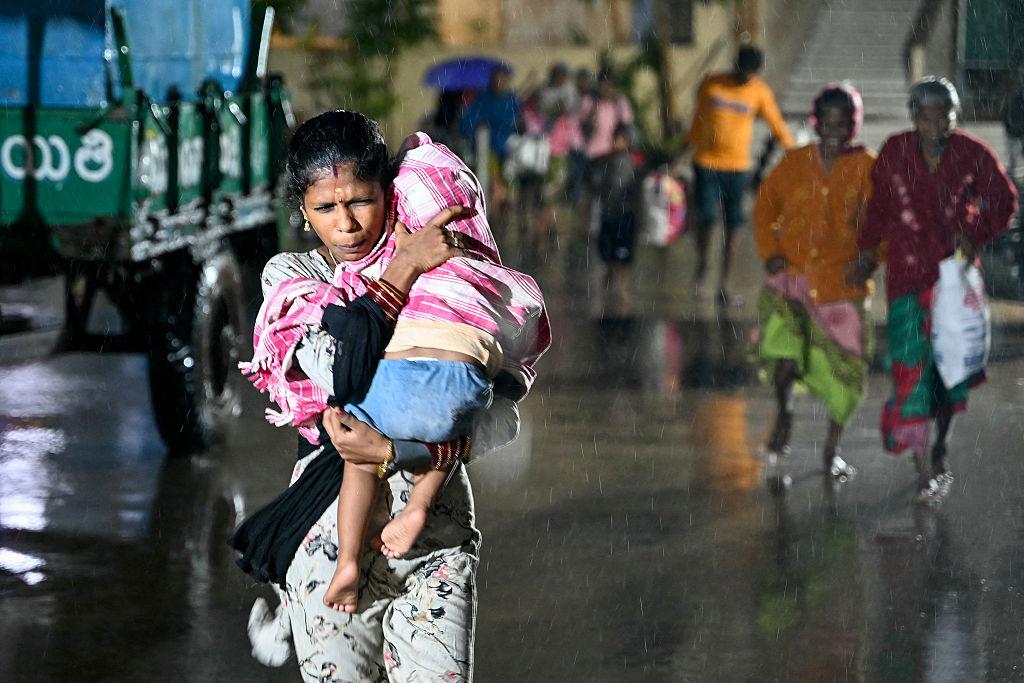
More than 180,000 people were evacuated from Andhra Pradesh and Odisha as Cyclone Arnab made landfall on India’s east coast as a very severe cyclonic storm. The Indian Meteorological Department recorded sustained winds of 125–135 kph and gusts reaching 150 kph. The storm uprooted trees, damaged electricity infrastructure and homes, disrupted transport and caused power outages, although no deaths had been reported in initial official assessments.
More than 180,000 people have been evacuated from vulnerable communities along India’s eastern coastline after Cyclone Arnab struck Andhra Pradesh as a very severe cyclonic storm, bringing powerful winds, torrential rain and widespread disruption to transport, electricity networks and coastal communities.
The cyclone completed its landfall along the Andhra Pradesh and Yanam coasts on Wednesday, October 28, after moving northwestward across the west-central Bay of Bengal. India’s Meteorological Department said the storm crossed the coast between Bapatla and Visakhapatnam, southwest of Yanam, with maximum sustained winds of between 125 and 135 kilometers per hour and gusts reaching 150 kilometers per hour.
The center of the cyclone moved fully over land by around 8 a.m. local time before the system began weakening, although authorities warned that dangerous weather conditions would continue across parts of Andhra Pradesh and neighboring Odisha. Heavy rain, strong winds, rough seas and localized flooding remained significant threats even after the cyclone’s core crossed the coastline.
Emergency authorities moved more than 180,000 residents into shelters and safer locations as the storm approached, concentrating evacuation efforts on low-lying communities, coastal settlements and areas considered particularly vulnerable to storm surge, flooding and wind damage. Large-scale preventive evacuations have become one of India’s most important tools for reducing cyclone deaths along the Bay of Bengal coast.
The evacuations followed several days of preparation after forecasters warned that Arnab was strengthening over unusually warm waters in the Bay of Bengal. Officials in Andhra Pradesh had identified hundreds of thousands of people who could potentially require relocation, while Odisha also activated disaster-management systems and prepared cyclone shelters.
Authorities reported extensive but initially limited structural damage after landfall. Trees were uprooted, electricity poles were brought down and power supplies were disrupted in several areas. Television footage showed large trees blocking highways and local roads as emergency workers and municipal crews attempted to clear debris.
Some homes were damaged by wind and rain, particularly weaker structures and buildings in exposed coastal areas. Officials had warned before landfall that thatched houses and poorly constructed buildings were particularly vulnerable to the cyclone’s winds.
Electricity infrastructure was also heavily exposed. Strong winds brought down poles and transmission lines, resulting in outages in affected districts. Emergency teams had been positioned before the storm to begin repairs as soon as weather conditions allowed.
India’s eastern states have invested substantially in disaster preparedness following decades in which tropical cyclones caused catastrophic loss of life. Authorities now routinely pre-position rescue personnel, medical teams, generators, food supplies and equipment before major storms make landfall.
The Indian Meteorological Department had warned that Arnab could produce a storm surge of approximately one to 1.5 meters above normal astronomical tides in vulnerable coastal districts. Such surges can push seawater inland, flood low-lying communities and damage farmland even when direct wind destruction is limited.
Rainfall posed an additional danger. Forecasters warned of heavy to extremely heavy rain across coastal and interior districts as the cyclone moved inland. Saturated ground combined with powerful winds increased the likelihood of trees and power poles falling, while intense downpours threatened flash flooding in poorly drained urban and rural areas.
Transportation across the region was severely disrupted. Some train services were canceled or suspended along vulnerable coastal routes, while flight operations were affected at airports in Andhra Pradesh as authorities sought to prevent aircraft and passengers from being exposed to dangerous wind conditions.
Operations at three airports in Andhra Pradesh were suspended during the most dangerous phase of the storm. Schools were also closed in several districts, while residents were urged to remain indoors and avoid unnecessary travel until emergency officials determined that conditions were safe.
Fishing activity was halted across large stretches of the eastern coast. Authorities repeatedly warned fishermen not to enter the Bay of Bengal and instructed vessels already at sea to return to harbor ahead of Arnab’s arrival.
The danger posed by tropical cyclones extends well beyond the immediate coastline. Intense rainfall associated with Arnab was expected to spread inland as the storm weakened over land, raising the risk of flooding and landslides in areas away from the point of landfall.
Neighboring Odisha also experienced heavy rainfall and strong winds, particularly in southern districts closest to the cyclone’s track. Schools and colleges had already been ordered closed in some areas as a precaution, while authorities prepared shelters for residents of vulnerable communities.
Although Arnab struck India directly, the storm’s wider atmospheric effects extended toward the Himalayan region. Nepalese authorities temporarily restricted high-altitude trekking activities because moisture associated with the cyclone was expected to contribute to heavy rain, snowfall and avalanche risks in mountainous areas.
The disruption illustrates how powerful cyclonic systems in the Bay of Bengal can affect weather patterns far beyond the immediate coastline. Moisture carried northward can produce extreme precipitation across large parts of South Asia, including mountainous areas particularly vulnerable to landslides, flash floods and heavy snow.
Arnab developed over the Bay of Bengal, one of the world’s most cyclone-prone bodies of water. The basin has historically produced some of the deadliest tropical cyclones on record because powerful storms can strike densely populated coastlines in India, Bangladesh and Myanmar.
The combination of shallow coastal waters, low-lying land and large populations makes storm surge particularly dangerous in the region. Historically, cyclones have killed tens or even hundreds of thousands of people when seawater has been driven far inland.
India’s cyclone-management strategy has changed substantially in recent decades. Improved satellite monitoring, forecasting, early-warning communication and mass evacuation systems have dramatically reduced the number of deaths in many recent storms even when infrastructure damage remains considerable.
Cyclone shelters have been constructed across vulnerable coastal districts, while disaster-response agencies now routinely coordinate evacuation operations with state governments, police, health services, local councils and community organizations.
Mobile-phone alerts and local communication networks have also made it easier to warn residents before dangerous conditions arrive. Authorities increasingly prioritize moving residents away from weak buildings and coastal settlements rather than relying exclusively on emergency rescue after landfall.
The evacuation of more than 180,000 people ahead of Arnab reflects that preventive approach. Officials had initially identified considerably more residents as potentially vulnerable, meaning evacuation numbers could rise depending on flooding, structural damage and conditions in communities affected by the cyclone’s inland movement.
No deaths had been reported in the initial assessments cited by Reuters, an important early indication that the extensive preparations may have helped prevent a larger human toll. Authorities cautioned, however, that comprehensive damage assessments could take time because some communities remained difficult to access following landfall.
Communications and electricity outages can delay information from remote villages, and disaster agencies often require several hours or days to complete searches of coastal communities after a major cyclone.
Agriculture is also expected to be a major focus of damage assessments. Strong winds, flooding and saltwater intrusion can destroy rice fields, fruit trees and other crops, affecting farmers long after the immediate storm has passed.
The timing of severe weather can be particularly damaging when crops are close to harvest. State authorities are expected to assess agricultural losses once weather conditions stabilize and district officials can reach affected farming communities.
Power restoration will be another priority. Electricity companies and emergency crews are expected to repair damaged transmission equipment and restore supply gradually, beginning with hospitals, shelters, water facilities and other essential services.
Authorities will also need to inspect roads, bridges and drainage systems for hidden structural damage. Floodwaters can undermine road surfaces and bridge foundations even in areas where infrastructure appears intact immediately after a storm.
The Indian Meteorological Department continued to issue warnings after landfall because a cyclone does not become harmless as soon as its center crosses the coast. Arnab weakened into a severe cyclonic storm after moving inland but continued to carry destructive winds and large amounts of moisture.
The system was expected to weaken further as it moved away from the warm waters that had supplied its energy. Even so, heavy rainfall and flooding could persist along its path, particularly where terrain and drainage conditions concentrate runoff.
The absence of reported fatalities in the early hours after landfall offered cautious encouragement, but officials remained focused on rescue operations, infrastructure restoration and monitoring vulnerable communities. The full scale of the damage to homes, crops, roads, electricity networks and local businesses will only become clearer as emergency teams gain access to affected areas.
Cyclone Arnab has again demonstrated the importance of large-scale evacuation and early warning in one of the world’s most cyclone-exposed regions. The movement of more than 180,000 people before and during landfall may ultimately prove more important than any single infrastructure measure in determining the storm’s human toll.
For authorities in Andhra Pradesh and Odisha, the immediate phase now shifts from preparation to recovery. Emergency teams will continue clearing roads, restoring power, assessing damage and assisting displaced residents while meteorologists monitor the weakening storm’s remaining rainfall threat.
The next significant measure of Arnab’s impact will come from detailed assessments of casualties, property losses and agricultural damage. For now, officials have confirmed widespread disruption and infrastructure damage but no reported deaths, while hundreds of thousands of people remain affected by one of the strongest storms to strike India’s eastern coast this season.