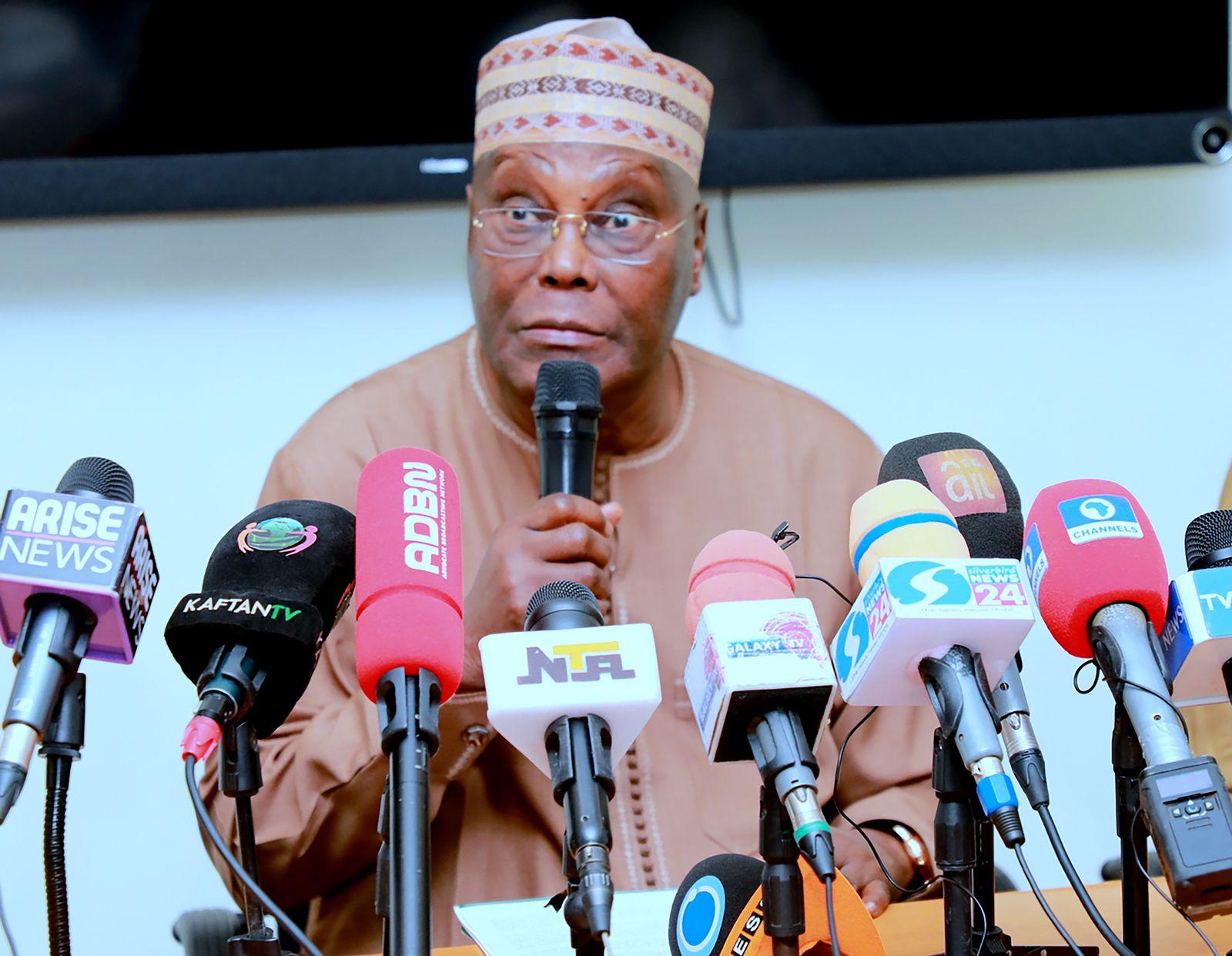

INEC DROPS PANTAMI FROM FINAL GOMBE GOVERNORSHIP LIST

INEC has omitted former Communications Minister Isa Ali Pantami from the final list of candidates for the February 6, 2027 Gombe governorship election despite his appearance on the provisional list. Pantami had won a fresh PDP primary after an earlier court challenge, but his name is absent from the final list. His camp says it is pursuing legal and administrative steps to have the omission corrected.
The Independent National Electoral Commission has omitted former Communications and Digital Economy Minister Isa Ali Ibrahim Pantami from the final list of candidates cleared to contest the February 6, 2027 Gombe State governorship election, removing the Peoples Democratic Party candidate after he had appeared on the commission’s provisional list in August. The final list published by INEC contains 16 governorship candidates and their running mates, but neither Pantami nor another PDP candidate appears for Gombe, creating fresh uncertainty around one of the most closely watched governorship contests in northern Nigeria.
Pantami had emerged as the PDP governorship candidate after leaving the All Progressives Congress in May 2026. His nomination later became the subject of a legal challenge by fellow aspirant Ahmed Mailantarki, leading a Federal High Court in Gombe to nullify the original primary and order the PDP to conduct another exercise. Pantami subsequently won the fresh primary conducted on September 29, defeating Khamisu Mailantarki and Usman Aliyu Garry, but his victory did not secure his place on INEC’s final candidate list.
INEC has not publicly issued a candidate specific explanation stating precisely why Pantami was omitted. However, the publication of the final lists follows a major Supreme Court ruling restoring provisions of the Electoral Act governing political party membership registers and participation in party primaries. The ruling revived INEC’s authority to insist that political parties use membership registers submitted to the commission within the statutory period when conducting primaries, congresses and conventions.
The relevant provisions include Section 77 of the Electoral Act 2026. Under the restored rules, only party members whose names appear on a membership register properly submitted to INEC can participate in covered party activities, while a political party that fails to submit the required register within the stipulated timeframe can lose the ability to field candidates. The Supreme Court overturned an earlier Court of Appeal judgment that had invalidated parts of those provisions and restored INEC’s regulatory powers.
That ruling created particular difficulties for politicians who changed parties during the nomination season because their names may not have appeared on the membership registers submitted before the statutory deadlines. Pantami moved from the APC to the PDP on May 19, making the timing of his registration with his new party and the register submitted to INEC potentially important to his eligibility. Reports linking his omission to the Supreme Court decision remain an interpretation of the legal and administrative circumstances because INEC has not publicly issued a detailed ruling specifically explaining his exclusion.
The former minister had appeared on the provisional list published by INEC on August 29, making his absence from the final list particularly significant. The commission’s final Gombe list includes candidates such as Jamilu Isyaku Gwamna of the APC, Bala Bello Tinka of the African Democratic Congress, Babayo Ardo Kumo of the Nigeria Democratic Congress, Zubairu Halilu of the Labour Party, Lamela Silas of the Allied Peoples Movement and other candidates from smaller parties.
Pantami’s camp has rejected suggestions that the omission represents the end of his candidacy. In a statement circulated after the list was released, the PDP and Pantamiyya Movement described the situation as a temporary challenge and said legal and liaison teams were already engaging the party and INEC in an attempt to have the matter corrected within the period permitted by law. Supporters were urged to remain calm and continue political mobilisation while those discussions continue.
The Electoral Act provides a limited mechanism for political parties to notify INEC when a duly nominated candidate is missing from a published list. Reports citing Section 32 indicate that parties can formally challenge such omissions within the statutory period, meaning Pantami’s exclusion from the list published on Saturday may still generate further administrative or court proceedings before the election.
Pantami is not the only prominent governorship aspirant affected by the final publication. PDP candidate Ladi Adebutu was also absent from the final Ogun State governorship list, while Nigeria Democratic Congress candidate Aminu Gwarzo was missing from the Kano list. Those omissions have intensified scrutiny of how INEC is applying the Supreme Court ruling on membership registers across the country.
The legal position remains contested in some respects. Some lawyers argue that restoration of the membership register provisions gives INEC sufficient authority to reject nominations that fail to comply with the statutory requirements. Others have cautioned that the Supreme Court ruling did not automatically disqualify every candidate who was not a party to the original litigation and that individual candidates may still be entitled to challenge administrative decisions affecting their rights.
That distinction is important in Pantami’s case. The available evidence establishes that his name is absent from the final list and that his candidacy had already been affected by litigation over the PDP primary. It does not establish that the Supreme Court issued a direct order naming Pantami and personally disqualifying him. Any description of his removal as a direct Supreme Court disqualification would therefore go beyond what has been publicly confirmed.
The former minister’s entry into the PDP governorship race had significantly changed the political picture in Gombe. Pantami served as Minister of Communications and Digital Economy under former President Muhammadu Buhari and remains a nationally recognised figure with a political support network in the state. His move from the APC to the PDP was therefore seen as a major development ahead of the 2027 contest.
His exclusion reduces the number of candidates formally cleared by INEC to 16 and, unless successfully challenged, would leave the PDP without a governorship candidate on the current final list. That would substantially alter the contest because the PDP remains one of Nigeria’s major political parties and has historically competed strongly in Gombe.
The APC candidate, Jamilu Gwamna, now appears on the final list alongside candidates from the ADC, NDC, Labour Party, APM, PRP, SDP and other parties. But the political field may not be completely settled because Pantami’s camp has already indicated that it intends to pursue available remedies.
The controversy also demonstrates how the Supreme Court’s late September ruling is reshaping Nigeria’s 2027 election preparations. Political parties that made nominations or accepted defectors while the Court of Appeal decision was in force now face renewed scrutiny over whether their membership registers complied with the Electoral Act before primaries were conducted.
For INEC, the challenge will be applying the restored provisions consistently across states and political parties. Any perception that similar cases are treated differently could trigger additional litigation and political accusations as the February elections approach.
For Pantami and the PDP, the immediate issue is whether they can persuade INEC or a court that his nomination complied with the law and that his name should be restored. Until that happens, the official position is that Pantami is not among the candidates listed by INEC for the February 6 Gombe governorship election.
The omission is therefore a significant setback rather than necessarily the final word on his candidacy. Pantami’s supporters say they are pursuing legal and administrative channels, while INEC’s published list currently leaves the PDP without a named governorship candidate in Gombe. The next stage will depend on whether the party files a successful challenge within the statutory window and whether the courts provide further interpretation of how the restored membership register rules apply to his nomination.