FOOD IS CHEAPER, SAYS KYARI. BUT ORDINARY NIGERIANS IN THE MARKET ARE ASKING WHETHER THE MINISTER IS SHOPPING IN THE SAME COUNTRY AS THEM OR SELLING GOVERNMENT SPIN
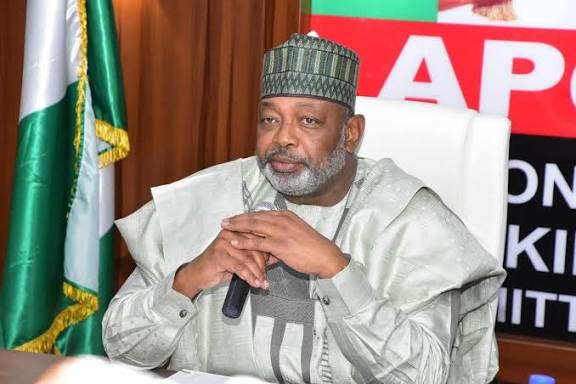
Nigeria's Minister of Agriculture and Food Security, Senator Abubakar Kyari, says food prices are falling because farmers produced more during the 2026 wet season. He made the claim on Wednesday, November 18, 2026, in Abuja. He spoke while receiving the 2026 Agricultural Performance Survey Report from Professor Yusuf Sani, Executive Director of the National Agricultural Extension and Research Liaison Services (NAERLS). Kyari said the report shows better farm output than in 2025. He credited government programs designed to raise production and make basic foods more affordable. He pointed to falling prices of garri and millet when comparing 2025 with 2026. The minister also outlined a list of coming actions. Another harvest is expected within a month. Phase two of the agricultural mechanisation programme will start delivering equipment in two to three months. The government plans to release food stocks under its Guaranteed Minimum Price (GMP) initiative through the Bank of Agriculture, with details on how the release will work coming soon. The Presidential Fertiliser Initiative plans to distribute three million bags of fertiliser within a month. Kyari added that $33 million has gone into the Special Agro Industrial Processing Zones programme and that private investment in cocoa, sesame, soybean and shea nut processing is growing. The good news has met a skeptical public. Many families say their food bills remain painfully high compared with their incomes, even if some prices have eased. Some farmers say lower prices have squeezed their profits. Insecurity in farming areas, high transport costs and post harvest losses still weigh on the system. The central question is simple. Has relief truly reached ordinary Nigerians, or is a real but uneven improvement being sold as a complete victory?
Few things matter more to Nigerian households than the price of food. It decides what goes into the pot, whether children eat twice or three times a day, and how much is left for rent, school fees and transport. So when the country's top agriculture official stands up in Abuja and says food prices have come down, people listen closely. Then they go to the market and check for themselves.
On Wednesday, November 18, 2026, the Minister of Agriculture and Food Security, Senator Abubakar Kyari, said the country's food situation has turned a corner. Speaking in Abuja as he received the 2026 Agricultural Performance Survey Report, he linked falling food prices to increased agricultural production during the 2026 wet season. He acknowledged that the sector still faces serious challenges. Yet his message was clear. Farmers grew more, and that is now showing up in prices.
The report was presented by Professor Yusuf Sani, Executive Director of the National Agricultural Extension and Research Liaison Services, better known as NAERLS. Based at Ahmadu Bello University in Zaria, NAERLS works with farmers, extension workers and researchers and carries out yearly assessments of how Nigeria's farming seasons perform. Its annual survey is one of the main tools the government uses to measure crop output across the country.
According to Kyari, the 2026 survey showed improved agricultural output compared with 2025. He credited government interventions aimed at boosting food production and making essential commodities cheaper.
He focused on prices people know well. "When you do comparison between 2025 and 2026, I am not even comparing 2023 and 2026, just within the one year, we have seen prices dropping garri, millet, and so on and so forth, that has come down," he said.
His choice of examples matters. Garri, made from cassava, is one of the most widely eaten foods in Nigeria, especially among low income families. Millet is a staple across much of the north. If those prices are falling, it touches millions of households.
The minister also said another round of harvesting is expected within the next month. He expressed hope that it would further increase the amount of food available in markets.
Kyari did not stop at prices. He laid out a set of programs that the government says will keep the momentum going.
Mechanisation phase two. The second phase of the agricultural mechanisation programme will begin delivering equipment within the next two to three months. Tractors and other machines can help farmers plant and harvest more land with less labor.
Food stock release. The government is preparing to release food stocks under its Guaranteed Minimum Price initiative through the Bank of Agriculture to help steady market prices. "That is also in the works, and very soon we will announce how the methodology of that release will be made," Kyari said.
Fertiliser distribution. The Presidential Fertiliser Initiative plans to distribute three million bags of fertiliser within a month to lower the cost of farming.
Processing zones. About $33 million has been invested in the Special Agro Industrial Processing Zones programme, which aims to bring processing closer to where food is grown.
Private investment. Kyari pointed to growing private sector investment in cocoa, sesame, soybean and shea nut processing.
On paper, it is an ambitious agenda. In practice, Nigerians have heard ambitious agendas before.
Here is where the story gets complicated. A drop in price is not the same as affordable food.
Nigeria's food crisis hit hardest in 2023 and 2024. The removal of the petrol subsidy pushed transport costs sharply higher. The naira lost much of its value, which made imported inputs like fertiliser, seeds and machinery far more expensive. Food inflation soared to levels many families had never seen. Bags of rice, beans and garri doubled and in some cases tripled in price within a short time.
So when prices fall in 2026, they are often falling from a very high peak. A bag of garri that is cheaper than last year may still cost far more than it did three years ago. Kyari himself seemed aware of this when he said he was "not even comparing 2023 and 2026." Critics will say that is exactly the comparison families make. They remember what food cost before the crisis, and their salaries have not kept pace.
Ask a civil servant in Abuja, a trader in Onitsha or a mother of four in Kano, and many will say the same thing. Some items are a little easier to buy. Others have barely moved. And their income still does not stretch far enough. For a worker on the national minimum wage, a modest drop in the price of garri does not cancel out higher rent, school fees, electricity tariffs and transport fares.
Prices also vary widely across the country. A market in a major farming belt may see real relief at harvest time. A city market far from the farms, with high transport and storage costs, may see much smaller changes. National averages and official comparisons can hide those gaps.
There is another twist that rarely makes the headlines. Lower food prices are good for buyers, but they are not always good for the people who grow the food.
In recent seasons, some farmers have complained that prices of crops such as maize fell sharply around harvest time, while their costs stayed high. Fertiliser, fuel, labor, herbicides and transport all cost far more than they did a few years ago. When a farmer spends heavily to plant and then sells into a falling market, the result can be a loss.
This creates a real risk. If farmers lose money this year, many may plant less next year. Lower output would then push prices back up. Food price relief that comes at the expense of farmers is fragile.
This is where the Guaranteed Minimum Price initiative becomes important. In principle, a minimum price offers farmers a floor, so they are not forced to sell at a loss when markets are flooded. The government can buy and store food when prices are low and release it when prices climb. Done well, it protects both farmers and consumers. Done poorly, it can become a channel for waste, delays or favoritism. That is why the details Kyari promised about the release "methodology" matter so much. Who gets the stock? At what price? Through which markets? How will the public know it reached ordinary buyers and not just a few large traders?
Any honest account of Nigeria's food situation must include insecurity. In many farming communities across the north and the middle belt, banditry, kidnapping and clashes between farmers and herders have made it dangerous to work the land. Some farmers pay levies to armed groups just to reach their fields. Others have abandoned farms entirely.
Kyari acknowledged that the sector still faces challenges, but critics will want more than acknowledgment. Fertiliser and tractors cannot help a farmer who is afraid to go to the farm. Lasting food security depends as much on safety in rural areas as it does on farm inputs.
Post harvest losses are another quiet drain. A large share of Nigeria's fruits, vegetables and grains spoil or are damaged before reaching consumers because of poor storage, bad roads and limited processing. Every tonne lost after harvest is food that never reaches the market, keeping prices higher than they need to be.
Each of the minister's promises has a clear purpose. The question is execution.
Fertiliser. Three million bags within a month is a big target. Fertiliser is one of the largest costs for Nigerian farmers, and cheaper supplies could boost yields in the next season. But past distribution programs have faced complaints about late delivery, diversion and fertiliser ending up in open markets at higher prices. Timing also matters. Fertiliser that arrives after planting is of little use.
Mechanisation. Most Nigerian farmers still rely on hoes and manual labor. Wider access to tractors and harvesters could transform productivity. The key questions are cost and access. Will small farmers, who grow most of the country's food, actually be able to use the equipment, or will it end up mostly with large and well connected operators?
Processing zones. The Special Agro Industrial Processing Zones programme aims to cut waste and add value by processing crops near the farms. It also promises jobs in rural areas. The $33 million already invested is a start, but critics will want to see working facilities, real output and measurable benefits to farmers.
Private investment. Growing interest in cocoa, sesame, soybean and shea nut processing is a positive sign. These crops can earn foreign exchange and support rural incomes. Still, much of this investment points toward export markets. It may strengthen the economy, but it will not directly lower the price of the garri and millet on a family's table.
It would be unfair to dismiss the minister's claims entirely. If the NAERLS survey shows higher output, that is meaningful. Good rainfall, government support and the hard work of millions of farmers can produce real gains. Many traders and consumers have reported that some staples are easier to find and cheaper than they were at the worst point of the crisis. A fresh harvest within a month could add to that.
The government also deserves attention for trying several tools at once. Inputs, machinery, price support, processing and private investment all address different weak points in the food system. That broad approach makes more sense than relying on a single fix such as imports, which can hurt local farmers and drain foreign exchange.
The real issue is not whether progress exists. It is whether the government is describing it honestly, and whether the gains will reach those who need them most.
Many Nigerians have grown wary of official good news. They have heard announcements about falling prices, new programs and record harvests while their own budgets told a different story. That gap between what officials say and what families feel has bred deep skepticism.
Closing that gap requires transparency. The government could publish clear data from the NAERLS report, including crop by crop output and price trends across regions. It could share detailed plans for the GMP stock release before it happens. It could report on fertiliser deliveries by state and track whether equipment reaches small farmers. Clear, checkable information would let citizens judge the claims for themselves.
It also requires humility. Saying prices have fallen is one thing. Saying food is affordable is another. Millions of Nigerians still struggle to feed their families every day. Acknowledging that reality openly would make the good news far more believable.
The coming weeks will offer a real test. The next harvest is expected within a month. The fertiliser distribution is supposed to happen in the same window. Details of the GMP release are promised soon. Mechanisation equipment should arrive within two to three months. Each of these is a checkpoint that Nigerians can measure.
If prices keep easing, farmers stay profitable and the promised programs arrive on time, Kyari's claims will look like the start of a genuine recovery. If prices rebound, deliveries slip and farmers pull back from planting, Wednesday's announcement will be remembered as one more hopeful speech that the market did not support.
For now, the verdict belongs to the people who matter most. They are not in the conference hall in Abuja. They are in the markets, comparing prices, counting their money and deciding what they can afford to cook tonight.