EXILED RWANDAN CRITIC ROBERT KABERA FOUND BEHEADED NEAR KAMPALA AS UGANDAN POLICE OPEN MURDER INVESTIGATION
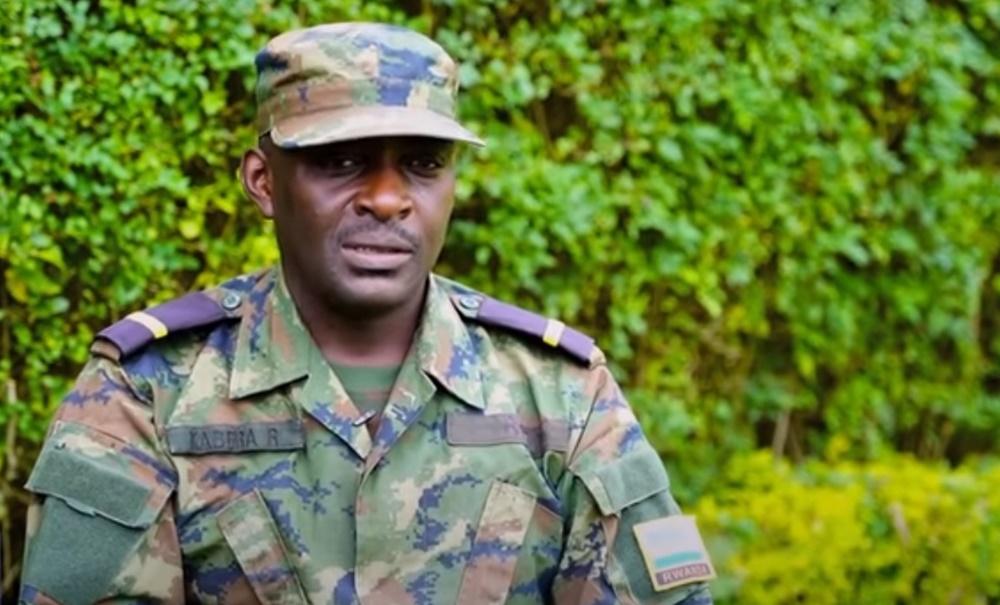
Ugandan police are investigating the murder of Robert Kabera, a 50-year-old former Rwanda Defence Force sergeant major who became an outspoken critic of President Paul Kagame after fleeing Rwanda. His headless body was found on October 17 in Luwala Village in Mpigi District near Kampala, while his head remains missing. Kabera had sought asylum in Uganda and built a large online audience through his Major Robert TV YouTube channel. Police have not identified suspects or established a motive, and there is currently no confirmed evidence linking his killing to the Rwandan government or to his political activities.
Ugandan police have opened a murder investigation after the headless body of Robert Kabera, a 50-year-old former Rwandan army sergeant major who became an outspoken critic of President Paul Kagame, was discovered in Mpigi District on the outskirts of Kampala. Kabera’s remains were found on Saturday, October 17, in a eucalyptus plantation in Luwala Village, Kamengo Sub-county, after relatives and residents became concerned about his whereabouts. Police say his head has still not been recovered and investigators have not yet identified any suspects or established a motive for the killing, making the circumstances surrounding his death one of the most sensitive political and security cases currently facing Ugandan authorities.
Police spokesperson Kituuma Rusoke said officers were investigating the killing as a murder and confirmed that the victim’s relatives identified the body as Kabera. Investigators believe the killing likely happened late on October 16 or during the early hours of October 17, although police have not yet disclosed whether forensic evidence has established the exact time of death. The body was transferred to Mulago City Mortuary for examination, while officers continued searching for the missing head and gathering information from people who may have seen Kabera shortly before he was killed.
Kabera had lived in Uganda since fleeing Rwanda in 2020 and had sought protection there after saying he feared political persecution and threats to his life. Human Rights Watch previously documented his concerns and reported that Ugandan police had confirmed granting him asylum on political persecution grounds as well as additional police protection. That history has intensified public concern around his killing, although Ugandan police have not established any connection between his political activities and his death and have cautioned that the investigation remains open.
Before leaving Rwanda, Kabera served in the Rwanda Defence Force as a sergeant major, military instructor and musician and was associated with the Army Jazz Band. He later became widely known through music and public commentary, eventually building an audience through his YouTube channel, Major Robert TV. After moving into exile, he increasingly used that platform to criticise President Kagame and the Rwandan government, attracting more than 140,000 subscribers and publishing hundreds of videos discussing politics and governance in Rwanda.
Kabera’s public transformation from military musician to exiled government critic gave his case particular sensitivity. He was not widely known as an opponent of the government while serving in the armed forces, but his political criticism became much more visible after he left Rwanda. His YouTube content included commentary critical of Kagame’s administration and material supportive of opposition figures, including a song praising Victoire Ingabire, one of Rwanda’s best-known opposition personalities.
His departure from Rwanda was itself disputed. Rwandan military authorities said in November 2020 that Kabera was under investigation over allegations involving unlawful sexual conduct with a family member and described him as a fugitive. Kabera denied those accusations and said the case against him was politically motivated. His relatives have maintained that he fled because he feared persecution, while Rwandan authorities have not publicly linked his death in Uganda to the earlier criminal allegations or to his political activities.
The difference between those two accounts remains important because investigators have not yet established a motive for his killing. Kabera’s family believes his problems originated in Rwanda, but Ugandan police have not publicly endorsed that view and have not named any government, political organisation or individual as a suspect. The current evidence therefore supports describing Kabera as an exiled critic who had previously alleged persecution while making clear that responsibility for his death remains unknown.
Kabera’s brother, Victor Agaba, told investigators and journalists that Kabera had no known serious disputes in Uganda and suggested that the family’s concerns were linked to his history in Rwanda. Agaba described the earlier case against his brother as a political witch-hunt, but that remains the family’s allegation rather than a conclusion reached by police. Such statements are significant because they may guide investigators toward possible motives, but they cannot substitute for forensic evidence, witness testimony or identification of suspects.
Local reporting indicates that Kabera had travelled from Kampala to Luwala on the evening of October 16 to inspect a property where he was constructing a house. Family accounts say he arrived in the area at about 7 p.m., accompanied by a boda boda rider he regularly used, and later went to a bar in the local trading centre. When he failed to return or appear the following morning, relatives began looking for him before residents discovered his body in a nearby plantation.
These details are likely to become central to the investigation because they provide police with a final known timeline before Kabera disappeared. Detectives will need to establish who saw him at the bar, who knew he was visiting the construction site, whether he communicated with anyone shortly before his death and whether surveillance, telephone or transport records can identify people who approached him during those final hours.
The fact that Kabera was beheaded has made the case especially disturbing, but police have not publicly interpreted the method of killing as evidence of any particular motive. The removal of the head may have been intended to hinder identification, intimidate others or conceal forensic evidence, but such possibilities remain speculative until investigators release more information. Police have so far limited themselves to confirming that the body was found without its head and that efforts to recover it are continuing.
Kabera was identified by relatives and local residents, but police have indicated that formal scientific procedures may still be used to confirm identity. This is standard practice in a serious homicide investigation, particularly where the body is mutilated, because investigators need to establish identity conclusively for evidential purposes rather than relying only on visual recognition.
His killing has immediately raised concern among Rwandan opposition figures and exiles because several prominent critics of President Kagame have previously been killed outside Rwanda. Patrick Karegeya, a former Rwandan intelligence chief who later became a government opponent, was found strangled in a Johannesburg hotel in 2014, while other exiled critics have died or survived attacks in different countries. These earlier cases have fuelled long-standing allegations from Kagame’s opponents and human-rights organisations that critics abroad can face serious security risks.
Those historical cases provide important context but do not establish who killed Kabera. Rwanda’s government has repeatedly denied accusations that it targets political opponents abroad, and there has been no public evidence from Ugandan police connecting Kigali to Kabera’s death. Responsible reporting therefore requires separating the documented history of threats and violence involving Rwandan dissidents from the still-unresolved question of who murdered Kabera.
Human Rights Watch has previously documented allegations involving intimidation, surveillance and threats against Rwandan critics living outside the country. Kabera himself was among those whose security concerns were recorded, with the organisation noting allegations that he had faced threats and an assault while living in Uganda before his death. That background may be relevant to investigators, but the current murder inquiry still has to determine whether his killing was connected to those earlier incidents or resulted from an entirely different motive.
Kabera’s widow, Jeanne d’Arc Rwigema Uwizeye, has expressed fear for the safety of the family following the killing. Her concern reflects the wider anxiety now being voiced by some Rwandan exiles in Uganda, particularly because Kabera had already presented himself publicly as someone who believed he was at risk. Police protection, witness security and the treatment of family members may therefore become important parts of the response as the investigation continues.
The case also places renewed attention on Uganda’s role as a destination for Rwandans seeking asylum or temporary refuge. Uganda and Rwanda share a long and complicated political and security relationship, while communities and families frequently move across the border for business, education and personal reasons. Political tensions between the governments have occasionally affected refugees, dissidents and security cooperation, making the murder of a former Rwandan soldier in Uganda potentially sensitive even before a motive is established.
Ugandan authorities will therefore face pressure to demonstrate that the investigation is independent, evidence-based and protected from political interference. The brutality of the killing and Kabera’s profile mean that any unexplained delay or lack of transparency could encourage speculation, particularly among people who already believe Rwandan dissidents face danger abroad.
At the same time, investigators will need to examine ordinary criminal possibilities as well as political motives. Kabera’s personal relationships, property activity, financial dealings, recent communications and movements may all require scrutiny because police have not yet ruled out any category of motive. A credible investigation should therefore avoid beginning with a predetermined conclusion and instead follow evidence from the scene, forensic examination, digital records and witness interviews.
His unfinished construction project may provide one practical line of inquiry because family members say he travelled specifically to inspect the site shortly before he disappeared. Investigators are likely to establish who knew about the project, who had access to the property and whether any dispute connected to the construction existed. There is currently no public evidence that the project itself was connected to the murder, but the location forms part of Kabera’s final known movements.
The boda boda rider who reportedly transported Kabera to the area and staff at the bar where he was last seen are also likely to be important witnesses. Their accounts could help investigators determine whether Kabera met anyone unexpectedly, whether he appeared worried or whether another person followed him after he left. Telephone location data may also help reconstruct the sequence of events if investigators obtain the relevant records.
Ugandan police have so far said they do not have firm clues pointing to a suspect or motive. That uncertainty should remain central to coverage because the political context surrounding Kabera’s life makes it easy for unverified accusations to spread. His background as a critic of Kagame is clearly relevant, but it is not itself proof of who ordered or carried out the killing.
The Rwandan government had not publicly commented on Kabera’s death at the time of the latest confirmed reports. Any official response from Kigali will therefore become significant if it addresses his earlier military service, the criminal allegations he had denied or speculation surrounding the killing. Until such a statement is issued, claims about Rwanda’s reaction should not be inferred.
Kabera’s military history also adds complexity because former soldiers can possess knowledge, relationships and disputes that extend beyond public political criticism. Investigators may therefore need to examine both his years inside the Rwanda Defence Force and his later life in exile, including personal, professional and political relationships developed after leaving the military.
His role as a musician is another distinctive part of his public identity. Kabera had been associated with the Rwanda Defence Force Army Jazz Band and was known to audiences before becoming a political commentator, which gave him a public profile different from that of a conventional opposition politician. His later online audience expanded that visibility significantly and allowed him to reach Rwandans inside and outside the country directly.
Major Robert TV had accumulated more than 140,000 subscribers and hundreds of videos, making Kabera a prominent voice within Rwanda’s exile-media environment. Online platforms have become increasingly important for political critics from countries where opposition figures say domestic media space is restricted, allowing them to communicate with audiences abroad without relying on traditional television or newspapers.
That visibility can also increase security concerns because online criticism is easily monitored and widely shared. Human-rights groups have repeatedly argued that digital platforms do not eliminate the risks faced by dissidents living abroad, particularly when governments or non-state actors can track public appearances, travel and personal networks.
President Kagame has led Rwanda for decades and remains one of Africa’s most internationally recognised political figures. His supporters credit him with rebuilding the country after the 1994 genocide, strengthening state institutions and producing substantial economic development, while critics and human-rights organisations accuse his government of restricting political competition, independent media and dissent. Kagame and his government reject accusations that Rwanda systematically targets political opponents.
Kabera’s killing will therefore inevitably be interpreted within that wider political debate, even before police determine what happened. Supporters of the Rwandan opposition may see the case as further evidence that exiled critics are unsafe, while Kigali’s defenders are likely to reject attempts to assign responsibility without proof. Ugandan investigators now carry the burden of producing evidence strong enough to move the case beyond political suspicion.
The Rwanda National Congress, an opposition organisation formed by exiled former officials and military figures, has called for justice and stronger protection for Rwandan exiles in Uganda. The organisation has also clarified that Kabera was not one of its members, an important distinction because his public criticism of Kagame did not necessarily place him within a formal opposition party structure.
That independence may help explain why Kabera’s political profile was built mainly through YouTube rather than through a conventional party organisation. He was better known as a former soldier and commentator than as an official opposition leader, but his audience still gave him influence among Rwandans interested in criticism of the government.
The killing also highlights the broader challenge faced by host governments when political exiles claim they are at risk. Granting asylum offers legal protection from forced return, but it does not automatically protect someone from physical attack. Where credible threats exist, police may need to assess whether additional security measures are justified and whether earlier warnings were handled adequately.
Kabera’s reported history of asylum and police protection will therefore likely prompt questions about whether Ugandan authorities had received recent threats against him. Human Rights Watch’s documentation suggests his concerns were not entirely new, making it important for investigators to establish whether his security assessment had changed before his death.
If he had reported recent threats, the source and timing of those reports could become important evidence. If no such threats had been reported recently, investigators will need to determine whether the killing came without warning or whether signs were missed by people around him.
The missing head may also complicate forensic work but does not prevent investigators from examining the body for injuries, DNA, trace evidence or other clues. A post-mortem examination can still provide information about the method and approximate time of death, while the surrounding scene may contain footprints, tyre marks, blood patterns or other evidence connecting suspects to the location.
Police will also need to determine whether Kabera was killed where his body was discovered or whether the remains were moved there afterward. That distinction could significantly alter the investigation because a secondary disposal site would mean detectives have to identify another location where the actual killing occurred.
The remote plantation setting may suggest that whoever disposed of the body wanted to delay discovery, but the exact circumstances remain unknown. Investigators will need to establish how visible the site was from nearby roads or homes and whether any residents heard unusual activity during the night.
The disappearance of the head could also indicate an attempt to obstruct identification, but Kabera’s body was nevertheless recognised quickly because relatives and residents were already searching for him. If concealment was the objective, it therefore failed to prevent investigators from determining who the victim was.
The case is likely to remain under intense scrutiny in both Uganda and Rwanda because of the political implications surrounding Kabera’s background. International human-rights organisations and exile groups may also follow the investigation closely, particularly if new evidence suggests the killing was connected to his political activities.
For Uganda, resolving the case could become important to its reputation as a place where political refugees and asylum seekers receive protection. If Kabera’s murder remains unsolved, fears among other exiles could increase, while a transparent investigation leading to arrests could help demonstrate that authorities are treating the killing as a serious criminal matter regardless of the victim’s nationality or political views.
The investigation also needs to protect against misinformation. Social media users may quickly identify supposed perpetrators or claim responsibility by particular governments without evidence, especially because the case involves a politically controversial victim. Such claims should be treated as unverified unless supported by police findings, court documents or independently confirmed evidence.
For Kabera’s family, the immediate priority remains recovery of his missing head and clarity about who killed him. The brutality of the crime means ordinary questions surrounding burial and mourning are themselves complicated while investigators continue searching for missing remains.
His death has also brought renewed attention to the difficult position of political exiles who live between the countries they left and the countries that host them. Many remain deeply involved in the politics of their homeland through online commentary, activism or opposition movements while depending on host governments for physical security.
Kabera was one of those figures. He had left Rwanda, obtained protection in Uganda and built a large audience criticising the government he once served, yet his life ended violently only a short distance from Kampala. Whether that history directly explains his death remains one of the central questions investigators must now answer.
The strongest confirmed facts remain that Robert Kabera, 50, a former Rwanda Defence Force sergeant major and musician who later became an outspoken critic of President Paul Kagame, was found beheaded in Luwala Village in Mpigi District on October 17. His head remains missing, relatives identified the body, police have opened a murder investigation and no suspect or motive has yet been publicly established.
Until investigators produce evidence identifying those responsible, the political context surrounding Kabera’s life should be treated as an important line of inquiry rather than a conclusion. His history as an asylum seeker, former soldier and prominent online critic means investigators have many possible avenues to examine, but the credibility of the eventual case will depend on forensic evidence, witness testimony and demonstrable links to whoever planned or carried out the killing.
The murder has already intensified concern among Rwandan dissidents living outside their country, but it has also placed a clear responsibility on Ugandan authorities to establish what happened without allowing political assumptions to outrun the evidence. Recovering Kabera’s missing head, reconstructing his final movements and identifying those responsible will now determine whether one of the most disturbing killings involving a Rwandan exile in recent years can move from suspicion and fear toward a proven criminal account.