EL NIÑO MEETS THE HARMATTAN AND GHANA'S NORTH BRACES FOR MENINGITIS: SIX REGIONS ON ALERT, A SOUTH WATCHING FOR FLOODS AND A TEST OF HOW READY THE HEALTH SYSTEM REALLY IS
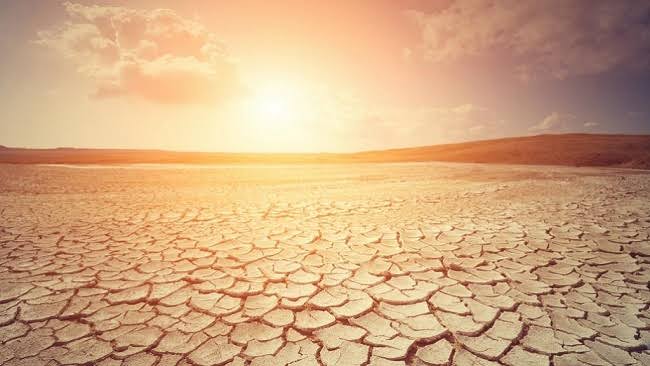
The Ghana Health Service (GHS) has warned of possible meningitis outbreaks, dehydration, heat exhaustion and respiratory infections as El Niño conditions shape the coming harmattan season. In an alert signed by Director-General Dr Samuel Kaba Akoriyea, the Service named the Northern, Upper East, Upper West, Savannah, North East and Bono East regions as areas that need stronger public education and preventive action. The alert does not predict an outbreak. "While El Niño phenomenon does not automatically mean that Ghana will experience a meningitis outbreak, the anticipated hot, dry and dusty conditions make early preparedness essential," it said. The GHS also warned that sudden rainfall and flooding in parts of southern Ghana could create more health problems. On the same day, the Ghana Meteorological Agency (GMet) forecast morning haze, mist or fog in parts of the country, sunny afternoons and storms later in the day. The two warnings describe a country facing two climates at once: a dry, dusty north entering its most dangerous season for meningitis, and a south still exposed to sudden storms. The northern regions sit on the southern edge of Africa's "meningitis belt," where epidemics have killed thousands over the decades. Authorities say preparedness is essential. The real test is whether vaccines, clinics, ambulances and public awareness reach the communities that need them before the dust arrives.
Every year, as November gives way to December, a familiar change creeps across Ghana. The sky loses its sharp blue and turns a pale, chalky gray. Mornings grow cool and hazy. Lips crack, skin dries and dust settles on windowsills, cars and market stalls. The harmattan, the dry wind that blows south from the Sahara, is arriving. For many Ghanaians it is simply part of the calendar, a season of cold mornings, hot afternoons and Christmas preparations. In the country's northern regions, it also carries a darker reputation. It is the season when meningitis tends to strike.
This year, health authorities say the risk deserves particular attention. The Ghana Health Service has issued a public health alert warning of possible meningitis outbreaks, dehydration, heat exhaustion and respiratory infections as the country prepares for the expected effects of El Niño during the harmattan season. The alert, signed by GHS Director-General Dr Samuel Kaba Akoriyea, said forecasts from the Ghana Meteorological Agency point to weather conditions that could increase the public's exposure to several climate-related health threats. Prolonged dry spells, rising temperatures and heavier dust, it cautioned, could worsen existing health weaknesses, especially the risk of respiratory infections and meningitis.
The Service named six regions as needing intensified public education and preventive action: Northern, Upper East, Upper West, Savannah, North East and Bono East. It called on parents, teachers, traditional authorities, religious leaders, community organizations and local government bodies to step up public education and encourage protective health habits.
The GHS was careful not to sound an alarm it could not justify. "While El Niño phenomenon does not automatically mean that Ghana will experience a meningitis outbreak, the anticipated hot, dry and dusty conditions make early preparedness essential," the statement said. That qualification matters. The alert is a warning about risk, not a declaration of an epidemic. No outbreak tied to the current season has been announced. The Service said it would keep monitoring the weather and provide updates as needed.
It also looked south. The alert warned that sudden rainfall and flooding in parts of southern Ghana could create additional public health concerns and urged residents there to stay alert.
GMet's outlook for Friday captured that split picture in a single day. The agency forecast morning haze, mist or fog in parts of the country, giving way to sunny afternoons and storms later in the day. For a motorist on a misty highway at dawn, a trader working under a harsh midday sun or a family in a flood-prone Accra neighborhood watching evening clouds gather, that forecast describes three different hazards before nightfall.
Taken together, the two warnings tell a larger story. Ghana is entering a season in which its weather pulls in two directions at once. The north is drying out and filling with dust. The south remains exposed to sudden, heavy downpours. Overlaying both is El Niño, a global climate pattern that can tilt the odds toward extremes. And behind all of it sits a long-term warming trend that scientists say is making West Africa's weather harder to predict. The question is not only what the weather will do. It is whether the health system, local authorities and ordinary households are ready for what it brings.
To understand why the north worries health officials so much, it helps to begin with geography. Stretching across sub-Saharan Africa, from Senegal and The Gambia in the west to Ethiopia in the east, lies a band of countries that public health experts call the "meningitis belt." The term was coined in the 1960s by the French physician Léon Lapeyssonnie, who noticed that large meningitis epidemics clustered in this semi-arid zone south of the Sahara. The World Health Organization counts around two dozen countries within or partly within the belt. Hundreds of millions of people live there.
The belt is defined less by borders than by climate. It covers the Sahel and the dry savanna, where a long dry season alternates with a short rainy season. Epidemics typically begin during the dry months, often from around December, peak in the hottest and dustiest weeks, and fade once the rains return, usually by May or June. The pattern has repeated for generations. During major epidemic waves, the belt has recorded tens of thousands of cases and thousands of deaths in a single season. One of the worst, in 1996 and 1997, affected well over 200,000 people across the region and killed more than 20,000.
Ghana's northern regions sit along the southern edge of this belt. The Upper East and Upper West, which border Burkina Faso, are the most exposed. The Northern, Savannah and North East regions share much of the same dry climate. Bono East, further south, lies in a transition zone where savanna meets forest, and it has experienced serious outbreaks of its own. The GHS list of six regions, in other words, reads like a map of the country's meningitis history.
That history is not ancient. Ghana's north has recorded repeated outbreaks over the past decade, often with painful loss of life. In 2016, a pneumococcal meningitis outbreak centered on the then Brong-Ahafo region, which included areas now part of Bono East, caused a large number of cases and dozens of deaths. That outbreak alarmed experts in part because it occurred outside the traditional heart of the belt and was driven by a different bacterium than many earlier epidemics. In the years since, the Upper East and Upper West have reported further outbreaks during the dry season, sometimes with deaths recorded within days of the first cases. Each time, the response followed a familiar pattern: emergency case management, contact tracing, public education and, where appropriate, vaccination campaigns.
Meningitis itself is an inflammation of the meninges, the thin membranes that protect the brain and spinal cord. It can be caused by viruses, fungi and parasites, but the most dangerous forms are bacterial. In the meningitis belt, the main culprits include Neisseria meningitidis, often called meningococcus, and Streptococcus pneumoniae, or pneumococcus. Haemophilus influenzae type b, once a major cause in young children, has been sharply reduced in many countries by routine vaccination.
Bacterial meningitis is a medical emergency. It can kill within 24 hours of the first symptoms. Even with treatment, the WHO estimates that roughly one in six people with bacterial meningitis dies, and about one in five survivors is left with lasting effects. These can include hearing loss, seizures, learning difficulties, limb loss and brain damage. For families in rural northern Ghana, where many households depend on farming and every pair of hands matters, a survivor with a permanent disability can mean a lifetime of hardship.
The classic warning signs include sudden high fever, severe headache, a stiff neck, sensitivity to light, vomiting, confusion and drowsiness. Some patients develop a rash of small red or purple spots that do not fade under pressure. In babies, the signs can be harder to spot. They may be unusually sleepy or irritable, refuse to feed, have a high-pitched cry or show a bulging soft spot on the top of the head. Because these symptoms can resemble malaria or other common fevers, many patients lose precious hours being treated at home or in drug shops before they reach a hospital.
Why does meningitis follow the harmattan? Scientists have studied the link for decades, and while the full picture is still debated, several factors appear to work together. The harmattan brings very low humidity and large amounts of fine dust. Breathing dry, dusty air can irritate and damage the lining of the nose and throat. Researchers believe that damage may make it easier for bacteria that normally live harmlessly in the throat to invade the bloodstream and reach the brain. Many people carry meningococcus in their throats without ever falling ill. The dry season may help shift that balance from harmless carriage toward disease.
Respiratory infections, which also rise in dusty and cold conditions, may play a part by weakening the body's defenses. Social patterns matter too. During the dry season, people often gather more closely, whether in crowded homes, markets, funerals, festivals or travel during the holiday period. Meningococcal bacteria spread through respiratory droplets and close contact, such as coughing, sneezing, kissing and sharing utensils. Crowded and poorly ventilated living spaces make transmission easier.
This is where El Niño enters the picture. El Niño is a periodic warming of surface waters in the central and eastern tropical Pacific Ocean. It may seem remote from Tamale or Bolgatanga, but its effects ripple around the world by shifting wind patterns and rainfall. Its impact on West Africa is not uniform and does not repeat exactly from one event to the next. Still, El Niño years have often been associated with hotter temperatures and drier conditions in parts of the region. The 2023 to 2024 El Niño, for example, coincided with weather stress in West Africa's cocoa belt that contributed to poor harvests and record global cocoa prices.
For public health officials, the concern is straightforward. If El Niño makes the dry season hotter, longer or dustier, it could amplify the very conditions linked to meningitis, dehydration and respiratory illness. That is the logic behind the GHS alert. It is also why the Service avoided overstatement. El Niño shifts probabilities. It does not guarantee outcomes. Meningitis outbreaks depend on many factors, including which bacteria are circulating, how many people are protected by vaccines and how quickly cases are detected and treated. A dry, dusty season with strong surveillance and good vaccine coverage may pass with few cases. A milder season with weak preparedness may still produce a deadly outbreak.
The Bank of Ghana has separately warned that a strong El Niño could affect food prices, cocoa output and the cedi. That warning is a reminder that weather is not only a health story. Drought stress on crops can push up food prices. Higher food prices can worsen nutrition, especially among children and the poor. Poor nutrition weakens immunity. In the north, where poverty rates are among the highest in the country and many households already face a lean season before harvest, these pressures can compound one another. A family that cannot afford enough food may also struggle to afford transport to a clinic when a child develops a fever.
Climate change adds a deeper layer to the risk. Scientists have documented a warming trend across West Africa, with the Sahel among the regions where temperatures are rising faster than the global average. Rainfall has become more erratic, with longer dry spells punctuated by intense storms. Some researchers have explored whether changes in climate could shift the boundaries of the meningitis belt or alter the timing and intensity of epidemics. That research is still developing, and firm conclusions about future meningitis patterns remain uncertain. But the broader direction is clear enough to concern health planners. Hotter dry seasons, more dust, stronger heat waves and less predictable rains all strain public health systems built around older seasonal patterns.
Heat itself is a growing danger that receives far less attention than it deserves. Afternoon temperatures in northern Ghana often climb well above 35 degrees Celsius in the hottest months. During the harmattan, low humidity can make heat feel less oppressive than it is, because sweat evaporates quickly and people may not realize how much fluid they are losing. That is part of why dehydration is such a serious risk in this season. Thirst can lag behind the body's needs. By the time someone feels unwell, they may already be significantly dehydrated.
Dehydration is especially dangerous for young children, older adults, pregnant women, people with chronic illnesses and outdoor workers. Farmers, traders, construction workers, drivers, porters and herders spend long hours under the sun. Many lack easy access to clean drinking water during the day. Signs of dehydration include thirst, dry mouth, dark urine, reduced urination, dizziness, headache, fatigue and, in children, fewer wet diapers and sunken eyes. Severe dehydration can lead to heat exhaustion and heat stroke, which can be fatal. For people with sickle cell disease, which is common in Ghana, dehydration and sudden temperature changes can trigger painful crises.
The harmattan brings a wider list of health problems too. Dust and dry air can trigger asthma attacks and worsen chronic lung conditions. Coughs, colds, sore throats and sinus infections become more common. Nosebleeds, cracked lips, dry skin and eye irritation are familiar complaints. Cold mornings, especially in the north, can be hard on young children and older people living in poorly insulated homes. Bushfires, often set to clear land or hunt, spread quickly through dry vegetation, threatening farms and homes and adding smoke to already dusty air.
Visibility is another hidden hazard. The haze, mist and fog in GMet's forecast are more than a weather detail. Reduced visibility on roads contributes to crashes, particularly on highways where drivers travel at high speed in the early morning. Dense harmattan haze has disrupted flights at airports in the past, including in the north. As the Christmas season approaches and road travel increases, poor visibility combined with fatigue, speeding and overloaded vehicles can be deadly. A misty morning on the Kintampo or Tamale road calls for headlights, lower speeds and patience.
While the north dries out, the south faces a different threat. The GHS warning about sudden rainfall and flooding in southern Ghana reflects a hard lesson that the country has learned many times. Storms late in the day, of the kind GMet forecast, can drop large amounts of rain in a short time. In cities like Accra and Kumasi, where drains are often blocked by waste and construction has covered natural waterways, that rain has nowhere to go. Streets turn into rivers within an hour.
Accra's flooding history is grim. The disaster of June 3, 2015, when heavy rains flooded parts of the capital and a fire broke out at a fuel station near Kwame Nkrumah Circle, killed more than 150 people. It remains one of the deadliest days in the city's modern history. Since then, flooding has continued to cause deaths, destroy property and displace families, particularly in low-lying neighborhoods along the Odaw River and other waterways.
Floods also carry health risks long after the water recedes. They can contaminate drinking water with sewage, raising the risk of cholera, typhoid and other diarrheal diseases. Stagnant water left behind creates breeding grounds for mosquitoes, increasing the risk of malaria. Flooded homes can develop mold that worsens respiratory problems. Ghana has faced cholera outbreaks in recent years, and health officials remain alert to the link between flooding, poor sanitation and waterborne disease. Food safety is another concern. Regulators have previously warned against selling food and drinks damaged by floodwater, which can carry harmful bacteria.
The dual warning, dust in the north and floods in the south, highlights a broader truth about Ghana's health challenges. The country does not experience one climate. It experiences several, and they do not always move in step. A single national message about "the weather" can miss the very different realities facing a farmer in Bawku and a resident of Kaneshie. That is why the GHS chose to target specific regions and why local leaders matter so much in delivering the message.
It is here that the warning raises its most uncomfortable questions. Alerts like this one are issued in some form almost every dry season. The advice is familiar: watch for symptoms, seek care early, avoid overcrowding, drink water, protect yourself from dust. Yet outbreaks and deaths continue. Critics and health advocates have long asked whether the gap lies not in what people are told but in what the system can deliver.
The northern regions have historically faced deeper shortages of health workers, equipment and infrastructure than the south. Many rural communities are far from a hospital that can perform a lumbar puncture, the test used to confirm meningitis, or provide the intravenous antibiotics needed for treatment. Roads can be poor, and ambulances scarce. Families may wait until a patient is very ill before making a costly journey to a facility. Health staff in remote areas often work with limited supplies and heavy workloads. Ghana has also wrestled for years with what is known as "no bed syndrome," in which seriously ill patients are turned away because emergency beds are full. During an outbreak, when cases can surge within days, those weaknesses can become fatal.
Laboratory capacity matters too. Identifying which bacterium and which strain is causing an outbreak determines which vaccine to use. Delays in testing can delay the right response. Over the years, Ghana and its partners have strengthened surveillance systems in the north, and health officials have gained considerable experience in managing meningitis seasons. How much capacity is in place this year, and whether stocks of antibiotics, test kits and vaccines are positioned close to the communities at risk, has not been detailed publicly in the alert. Those are fair questions for regional health directorates and the Ministry of Health to answer as the season advances.
Vaccines are one of the great success stories in the fight against meningitis, and also one of its unfinished chapters. For decades, the main cause of epidemics in the belt was meningococcus serogroup A. In 2010, a new vaccine called MenAfriVac, developed specifically for Africa and priced to be affordable, began to be rolled out across the belt. Ghana was among the countries that took part. The results were remarkable. Serogroup A epidemics, once responsible for most of the region's large outbreaks, nearly disappeared in areas that achieved high coverage.
But other strains filled part of the gap. Serogroups C, W and X, along with pneumococcus, have driven many recent outbreaks across the belt. That shift prompted the development of a new vaccine, often known as Men5CV, which protects against five meningococcal serogroups: A, C, W, Y and X. The WHO prequalified it in 2023, and Nigeria became the first country to introduce it in 2024. Health experts see it as a major tool in the WHO-led global roadmap that aims to defeat meningitis as a public health threat by 2030. How quickly and widely it reaches countries like Ghana will depend on funding, supply and national planning. Routine childhood vaccination against pneumococcus and Haemophilus influenzae type b also helps reduce the burden, which is why keeping children's vaccinations up to date matters every season, not only during outbreaks.
There is also a question of trust and timing. Public health messages work best when they arrive before the crisis, through voices people trust. That is why the GHS appeal to traditional authorities, religious leaders, teachers and community groups is significant. In many northern communities, a chief, an imam, a pastor or a teacher can reach families more effectively than a radio announcement in English. Messages delivered in local languages, at durbars, mosques, churches, schools and markets, can help people recognize symptoms and seek care quickly. The success of the alert will depend heavily on whether those messengers are equipped and motivated to act.
Schools deserve particular attention. Boarding schools and crowded classrooms can become hotspots for meningitis because students live and learn in close quarters. Dormitories with poor ventilation raise the risk. School authorities in the north will need to watch closely for symptoms among students, ensure proper ventilation and make sure sick students are referred promptly. Parents, too, should feel empowered to ask schools what plans are in place.
For ordinary Ghanaians, the most important message is that much of the risk can be reduced with practical steps. In the north and other dry areas, people should treat any sudden fever with severe headache, stiff neck, confusion or vomiting as an emergency and go to a health facility immediately rather than self-medicating. Speed saves lives in meningitis. Families should keep sleeping rooms well ventilated and avoid overcrowding where possible. Covering the mouth and nose when coughing or sneezing, washing hands regularly and avoiding sharing cups and utensils can reduce the spread of infection. Anyone who has been in close contact with a confirmed case should follow health workers' advice, which may include preventive antibiotics.
Against dust and dryness, people can cover their nose and mouth outdoors, especially on windy days, and protect their eyes. Those with asthma or other lung conditions should keep their medicines on hand and avoid heavy dust exposure. Moisturizing skin and lips and keeping homes as clean of dust as possible can ease discomfort. Children and older people should be kept warm during cold mornings and nights.
Against heat and dehydration, the advice is simple but vital. Drink water regularly throughout the day, even before feeling thirsty. Oral rehydration solution can help people who have been sweating heavily or suffering from diarrhea. Avoid strenuous outdoor work during the hottest hours where possible. Wear light, loose clothing and seek shade. Check on elderly neighbors and relatives, who may not recognize signs of dehydration. People with sickle cell disease should be especially careful to stay hydrated and warm.
On the roads, drivers should slow down in haze, mist and fog, use headlights and keep a safe distance from other vehicles. Travelers heading north or south for the holidays should plan for poor visibility in the early morning. Farmers and communities should avoid setting bushfires, which can spread rapidly in dry conditions and endanger lives.
In the south, residents should take flood warnings seriously, avoid walking or driving through floodwater and move to higher ground when heavy rains begin. Households should store drinking water safely, boil or treat water if contamination is possible and discard food that has been in contact with floodwater. Clearing drains and avoiding dumping waste in gutters are community responsibilities that can reduce flooding. After floods, removing stagnant water and sleeping under insecticide-treated nets can help limit malaria.
Local governments carry a heavy share of responsibility. District assemblies can support public education, keep drains clear, plan for emergency shelter and coordinate with health directorates. In the north, they can help ensure that health facilities have reliable water and power, and that communities know where to go for care. National agencies, including GMet, the GHS and the National Disaster Management Organisation, need to work closely so that weather forecasts translate into timely health action.
GMet's role in all of this is often underestimated. Accurate, timely forecasts allow health officials to plan ahead, rather than react after an outbreak or flood has already begun. The link between meteorology and public health in the meningitis belt has been the subject of growing research. Some initiatives have explored using climate data, such as humidity and dust levels, to predict where meningitis risk may rise. Ghana's decision to tie its health alert directly to GMet forecasts reflects that thinking. Climate-informed health planning will become more important as weather patterns become less predictable.
None of this means panic is warranted. The GHS has been clear that El Niño does not guarantee an outbreak. Ghana has managed many dry seasons without major epidemics, and the experience gained from past outbreaks has strengthened its response. Vaccines have dramatically reduced some of the deadliest forms of the disease. Health workers in the north know the warning signs and the season well. The point of an early alert is to prevent a crisis, not to predict one.
Still, the warning arrives at a moment when the margin for error is thin. Ghana's economy is recovering from a severe crisis, and public budgets remain tight. Health facilities in many parts of the country are stretched. Food prices remain a concern for households, and the central bank's warning about El Niño adds to that pressure. A bad meningitis season or a major flood would test not only the health system but also public confidence in the state's ability to protect citizens when the weather turns against them.
There is also a question of fairness that runs beneath the headlines. The communities most exposed to the harmattan's dangers, those in the Upper East, Upper West, Northern, Savannah and North East regions, are among the poorest in Ghana. They have often had the least access to quality health care, safe water and reliable roads. The residents of flood-prone neighborhoods in Accra are frequently low-income families living in informal settlements. Climate risks, in other words, tend to fall hardest on those with the fewest resources to cope. Any serious response must take that into account.
For now, the facts are clear and the message is consistent. GMet expects hazy, misty or foggy mornings in parts of the country, sunny afternoons and storms later in the day. The GHS has warned of meningitis, dehydration, heat exhaustion and respiratory infections, especially in six regions, while flagging flood risks in the south. El Niño may make the season harsher, though it does not make an outbreak inevitable. Early preparedness, as the Service put it, is essential.
What happens next will depend on actions taken in the coming weeks. Health directorates must confirm that drugs, test kits and vaccines are in place. Local leaders must carry the message to every community. Families must recognize the warning signs and act quickly. Drivers must slow down in the haze. City authorities must clear drains before the next storm. Each of these steps is modest on its own. Together, they can decide whether this harmattan season passes as just another dusty winter or becomes remembered for the lives it took.
Ghana has been here before. It knows the season, the risks and the remedies. The challenge is to treat this year's warning not as a routine announcement to be heard and forgotten, but as a deadline. The dust is coming. The question is whether the country will be ready when it arrives.