
BAWUMIA PUSHES AGRICULTURAL AND COMPULSORY INSURANCE REFORMS AFTER MEETING WITH BROKERS

Former Vice President Mahamudu Bawumia has backed calls for stronger agricultural insurance, expanded enforcement of compulsory insurance and improved protection for major infrastructure projects following discussions with the Insurance Brokers Association of Ghana. The association proposed greater government support for agricultural insurance to protect farmers from production risks, while discussions also focused on widening Ghana's insurance coverage and ensuring major public infrastructure is adequately protected.
Former Vice President Mahamudu Bawumia has called for reforms aimed at strengthening Ghana's insurance industry, with particular attention to agricultural insurance, compulsory coverage and protection for major infrastructure projects.
The proposals emerged following discussions between Bawumia and representatives of the Insurance Brokers Association of Ghana as stakeholders continue to examine ways of expanding insurance coverage across the economy.
Agriculture featured prominently in the discussions.
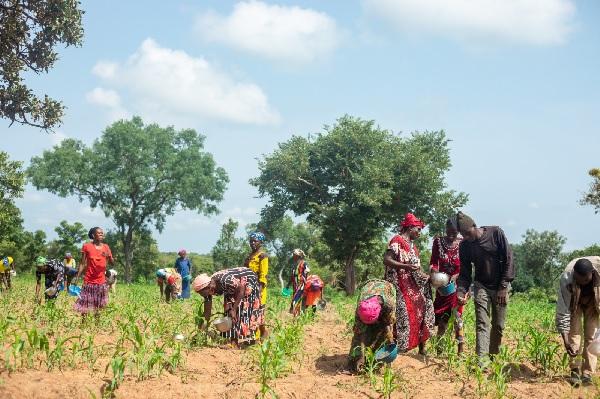
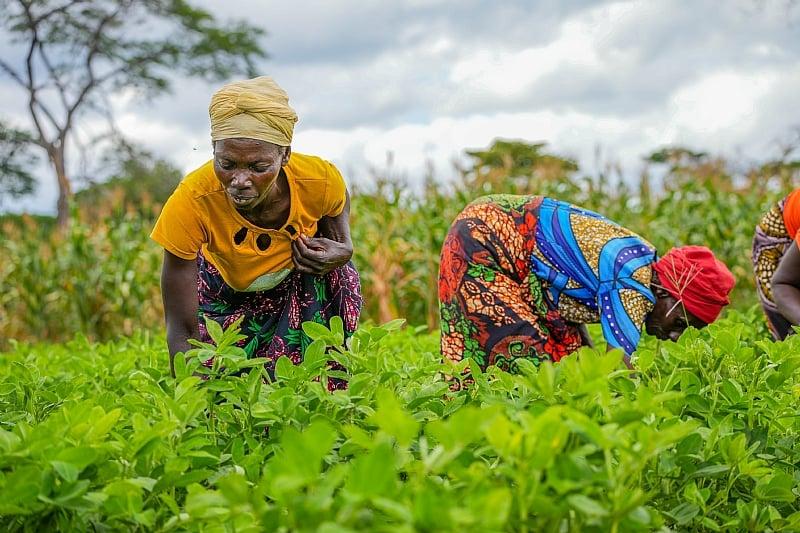
The association advocated government supported agricultural insurance capable of protecting farmers against production risks that can destroy crops, reduce incomes and threaten livelihoods.
Agricultural insurance remains particularly important in economies where farmers face risks from drought, flooding, pests, disease and increasingly unpredictable weather conditions.
For many farmers, a major crop failure can mean losing not only income from one farming season but also the capital required to plant during the next.
A stronger insurance system could provide a financial cushion when such losses occur.
AGRICULTURAL INSURANCE TAKES CENTER STAGE
The Insurance Brokers Association of Ghana proposed greater government involvement in agricultural insurance because of the difficulty of providing affordable coverage to farmers through conventional commercial insurance alone.
Agricultural insurance differs from many traditional insurance products because a single weather event can affect thousands of policyholders simultaneously.
A major drought or flood, for example, can cause widespread agricultural losses across an entire region.
That concentration of risk can make premiums expensive if insurers are expected to carry the entire burden themselves.
Government participation can take several forms, including premium support, risk sharing mechanisms, data infrastructure and partnerships between insurers, farmers and public institutions.
The objective is to make insurance affordable enough for farmers to participate while ensuring insurers remain capable of paying claims after major agricultural losses.
For Ghana, the question is increasingly important as climate related risks place additional pressure on food production.
Extreme weather can affect crop yields, food prices, rural employment and the broader economy.
Insurance cannot prevent those events, but it can reduce the financial consequences for farmers when they occur.
BAWUMIA BACKS EXPANSION OF COMPULSORY INSURANCE
The discussions also covered compulsory insurance.
Bawumia called for stronger implementation and broader coverage of insurance requirements as part of efforts to increase protection for individuals, businesses and public assets.
Ghana already requires insurance in several areas, including motor vehicles and certain commercial buildings.
However, the effectiveness of compulsory insurance depends heavily on enforcement.
A legal requirement provides limited protection when assets remain uninsured, policies are allowed to expire or compliance is not properly monitored.
Expanding compulsory coverage would therefore require coordination between the insurance industry, regulators and government institutions.
It would also require consideration of affordability.
If additional forms of insurance become compulsory, policymakers would have to balance the benefits of wider protection against the cost imposed on households and businesses.
MAJOR INFRASTRUCTURE PROJECTS ALSO DISCUSSED
Another focus of the meeting was insurance protection for major infrastructure.
Large public projects can represent billions of cedis in national investment.
Roads, bridges, hospitals, schools, energy installations and other infrastructure can be exposed to construction accidents, fire, natural disasters and other risks.
Insurance can transfer part of that financial exposure away from the government or project owner.
The discussion therefore raises a wider question about how Ghana protects major national assets before, during and after construction.
Comprehensive insurance arrangements can become particularly important where infrastructure is financed with public funds.
A major uninsured loss can force the government to redirect money from other priorities toward reconstruction or repairs.
Insurance does not eliminate that risk, but properly structured coverage can reduce the financial impact.
GHANA'S INSURANCE PENETRATION CHALLENGE
The proposals come against the backdrop of a longstanding challenge facing Ghana's insurance industry: persuading more individuals and businesses to obtain adequate coverage.
Insurance penetration across many African economies remains relatively low compared with more developed markets.
Several factors contribute to the problem.
Households may prioritize immediate expenses over insurance premiums, particularly when disposable income is limited.
Some consumers also have limited understanding of insurance products, while others may distrust insurers because of previous experiences or concerns about claims payments.
For farmers and informal sector workers, conventional insurance products may not always match the risks they actually face.
That is one reason agricultural insurance has become an increasingly important policy discussion.
Instead of expecting individual farmers to absorb the full financial impact of crop failure, an insurance system can distribute risk across farmers, insurers, reinsurers and, where appropriate, government.
TECHNOLOGY COULD PLAY A LARGER ROLE
Technology could also become important in expanding insurance coverage.
Digital identification, mobile money, satellite data and electronic records can reduce some of the administrative costs involved in providing insurance to customers who have traditionally been difficult or expensive to reach.
Agricultural insurance can particularly benefit from satellite imagery and weather data.
Rather than requiring an insurer to physically inspect every farm after a drought or other widespread event, some insurance products can use predetermined weather or production indicators to trigger payments.
Such systems require reliable data and careful design to ensure farmers receive appropriate protection.
Ghana's expanding digital infrastructure could potentially support those models if insurers, regulators, financial institutions and agricultural agencies coordinate their systems.
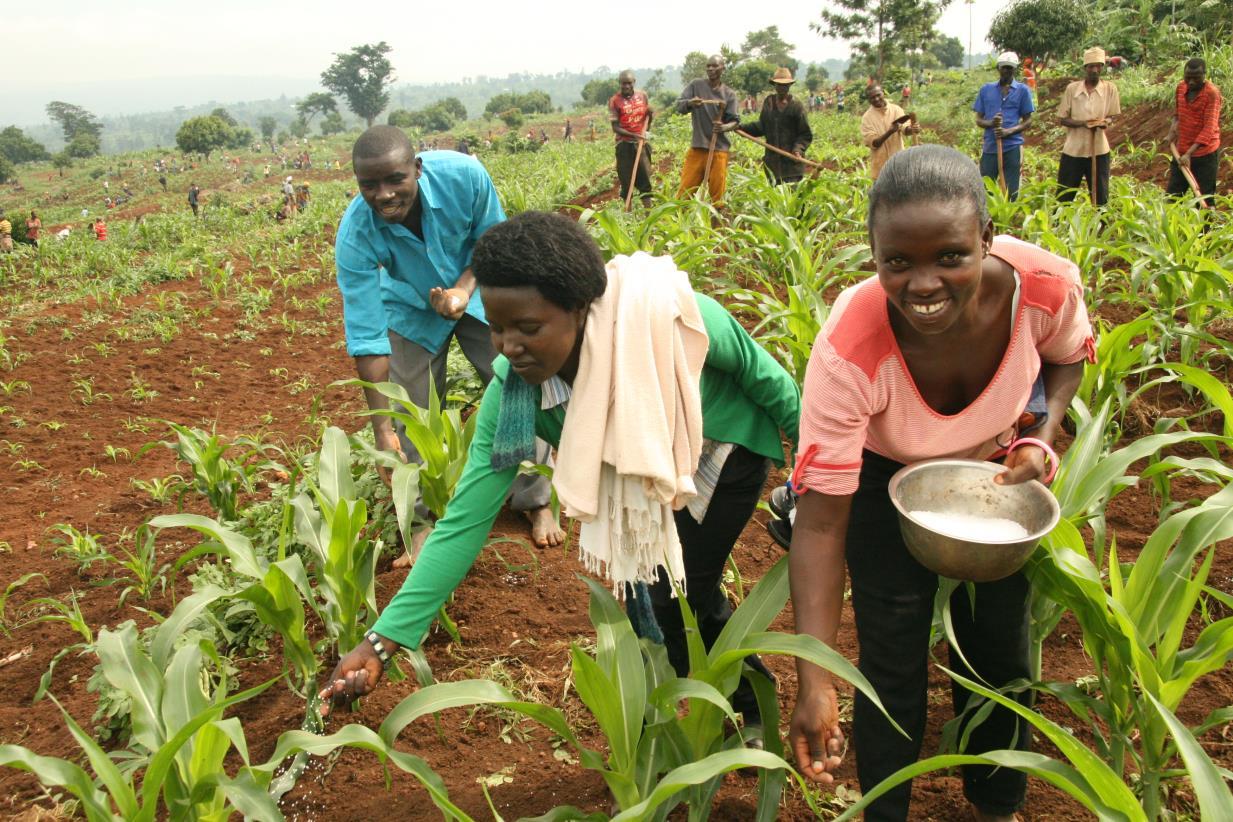
AGRICULTURAL INSURANCE COULD SUPPORT FOOD SECURITY
The importance of agricultural insurance extends beyond individual farmers.
Agriculture remains a major source of employment and economic activity in Ghana.
When farmers suffer widespread losses, the effects can move through the economy.
Food supplies can decline, prices can rise and agricultural communities can lose purchasing power.
Farmers who lose their capital may also reduce production during subsequent seasons.
An effective agricultural insurance program can help farmers recover more quickly after severe losses and return to production.
That can contribute to broader food security and economic resilience.
But designing such a system involves difficult decisions.
Government would have to determine how much financial support should be provided, which crops should qualify, how premiums should be calculated and how fraudulent claims would be prevented.
Insurers would also need sufficient data to accurately price the risks.
FROM POLICY DISCUSSION TO IMPLEMENTATION
The meeting between Bawumia and the Insurance Brokers Association of Ghana puts several important insurance reforms back into public discussion.
However, turning proposals into national policy would require legislative, regulatory and potentially budgetary decisions involving government institutions and Parliament.
Agricultural insurance supported by public funds would particularly require clarity over how much financial exposure the state would assume.
Any expansion of compulsory insurance would also need clear rules about which assets or activities would be covered and how compliance would be enforced.
Infrastructure insurance would require similar clarity, particularly for publicly financed projects.
For the insurance industry, the proposals represent an opportunity to expand beyond traditional products and play a larger role in protecting Ghana's agricultural economy and national assets.
For farmers, businesses and consumers, the more important question will be whether any reforms ultimately make insurance more accessible, affordable and reliable.
The discussion has established the direction being proposed.
The next test is whether those proposals develop into detailed policies capable of being implemented across Ghana.