
ADVERSITY EXPOSES PEOPLE” EL RUFAI BREAKS SILENCE AS FRIENDS AND ALLIES ABANDON HIM
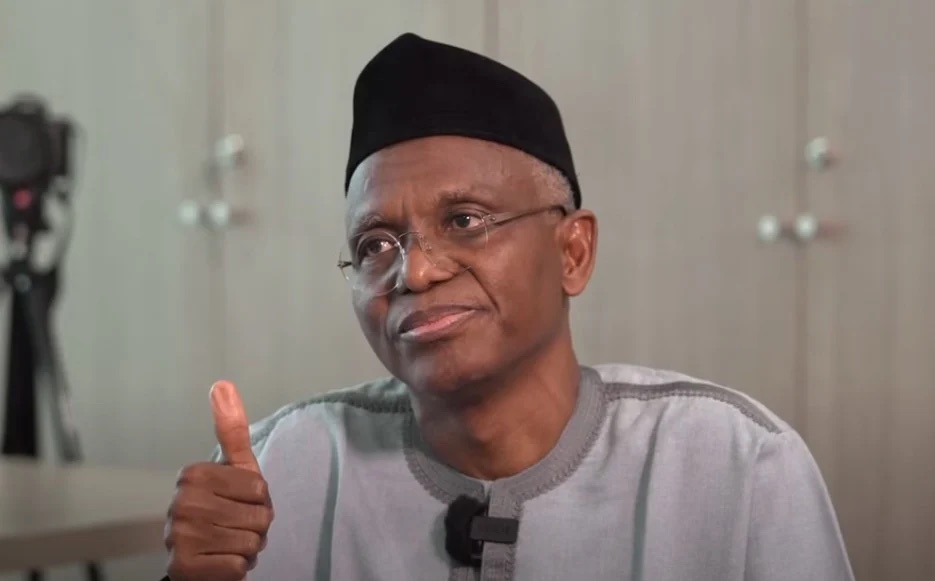
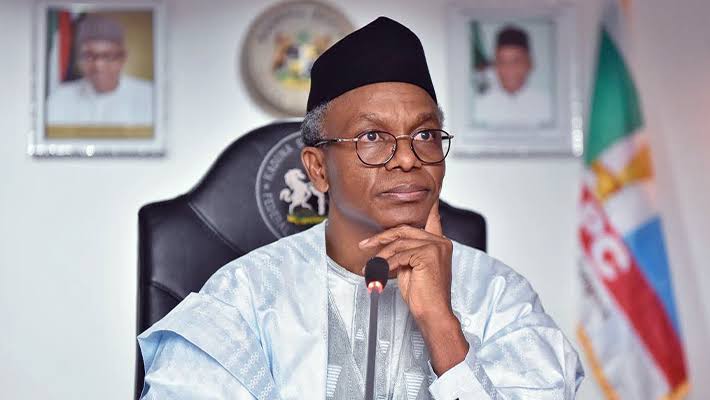
Former Kaduna State Governor Nasir El-Rufai has broken his silence over the apparent withdrawal of some friends, relatives and former associates during his current legal troubles, saying difficult times have revealed the true nature of some relationships but insisting he bears no resentment and seeks no revenge.
Former Kaduna State Governor Nasir El-Rufai has spoken publicly about the apparent silence of some friends, relatives and former associates during one of the most difficult periods of his political life, saying adversity has forced him to reassess some relationships but has left him with no desire for revenge.
In a personal statement titled “My Relationships and the Aftermath,” dated September 23, El-Rufai acknowledged concerns over the absence of public support from some people he had previously defended, assisted or maintained close relationships with.
The former Minister of the Federal Capital Territory said he had spent years supporting individuals and causes based on his Islamic faith, Arewa upbringing, personal values and conscience rather than an expectation that those people would eventually return the favour.
El-Rufai said he had sometimes stood by people under difficult circumstances and at considerable personal cost but regarded those decisions as choices for which he alone was responsible.
With his own circumstances now dramatically changed, he said those same individuals were entitled to decide whether to support him publicly, remain silent or distance themselves from their previous relationship.
“Some may speak; others may remain silent. Others may even deny our relationship or try rewriting history,” El-Rufai said.
He declined to publicly condemn those who have not stood by him, saying their reasons belonged to them and that he would not judge people simply because their responses differed from what he or others might have expected.
But the former governor acknowledged that the experience had changed the way he viewed some relationships.
“Adversity has a way of illuminating relationships,” El-Rufai said.
He suggested that the events of recent months could cause him to quietly reconsider the nature of certain relationships and what people who look up to him should expect from them.
El-Rufai insisted that the reassessment should not be interpreted as condemnation.
Instead, he described it as part of gaining a clearer understanding of people and life during difficult circumstances.
The unusually personal statement comes as the former governor confronts a series of legal battles that have transformed his political circumstances.
El-Rufai is facing separate legal proceedings, including an ongoing Federal High Court case in Abuja over allegations that he unlawfully intercepted telephone communications involving National Security Adviser Nuhu Ribadu.
The Department of State Services brought an amended five count charge against the former governor.
El-Rufai has pleaded not guilty.
His lawyers have asked the court to end the case through a no-case submission, arguing that prosecutors failed to establish sufficient evidence requiring him to enter a defence.
The prosecution disputes that position and maintains that the evidence presented to the court is sufficient for the trial to continue.
Justice Joyce Abdulmalik has fixed October 26 to rule on the application.
El-Rufai has also faced separate corruption related proceedings arising from allegations connected to his eight year tenure as governor of Kaduna State.
He has denied wrongdoing and has maintained that the cases against him are politically motivated. That allegation has been disputed by authorities pursuing the cases.
Against that backdrop, public attention has increasingly turned to the response of political figures and associates who were previously regarded as close to the former governor.
El-Rufai's statement suggests he is aware of that debate.
However, rather than publicly naming individuals he believes have abandoned him, the former governor said he would leave people to account for their own decisions.
He also rejected revenge as a response to what he described as injustice, ingratitude or injury.
“I seek neither revenge nor retribution,” El-Rufai said, adding that he would leave ultimate judgment to God.
The comments represent one of El-Rufai's most personal reflections since his legal troubles intensified, shifting attention away from the courtroom battles themselves and towards the political and personal relationships surrounding one of Nigeria's most prominent former governors.
They also offer a glimpse into how dramatically his circumstances have changed.
Once an influential figure within the ruling All Progressives Congress and a former governor with significant influence in northern Nigerian politics, El-Rufai has since broken with the APC and become involved in opposition politics.
His legal troubles have generated competing political narratives.
His supporters and some opposition figures have questioned the motivations behind the cases, while prosecutors maintain that the proceedings concern specific allegations that must be determined through the courts.
None of the criminal allegations against El-Rufai has resulted in a conviction, and he remains entitled to the presumption of innocence while the proceedings continue.
For El-Rufai, however, the latest statement was less about the accusations against him than about the people around him.
He said he had no regrets about supporting people when he believed doing so was right and would not allow their response to his present circumstances to alter the principles by which he had lived.
“In the end, each of us must live with the choices we make,” he said.
His priority, El-Rufai added, was to remain at peace with his conscience and with Almighty Allah.