US RUSSIA AND UKRAINE BEGIN NEW ABU DHABI TALKS AS PUSH TO END WAR ENTERS CRITICAL STAGE
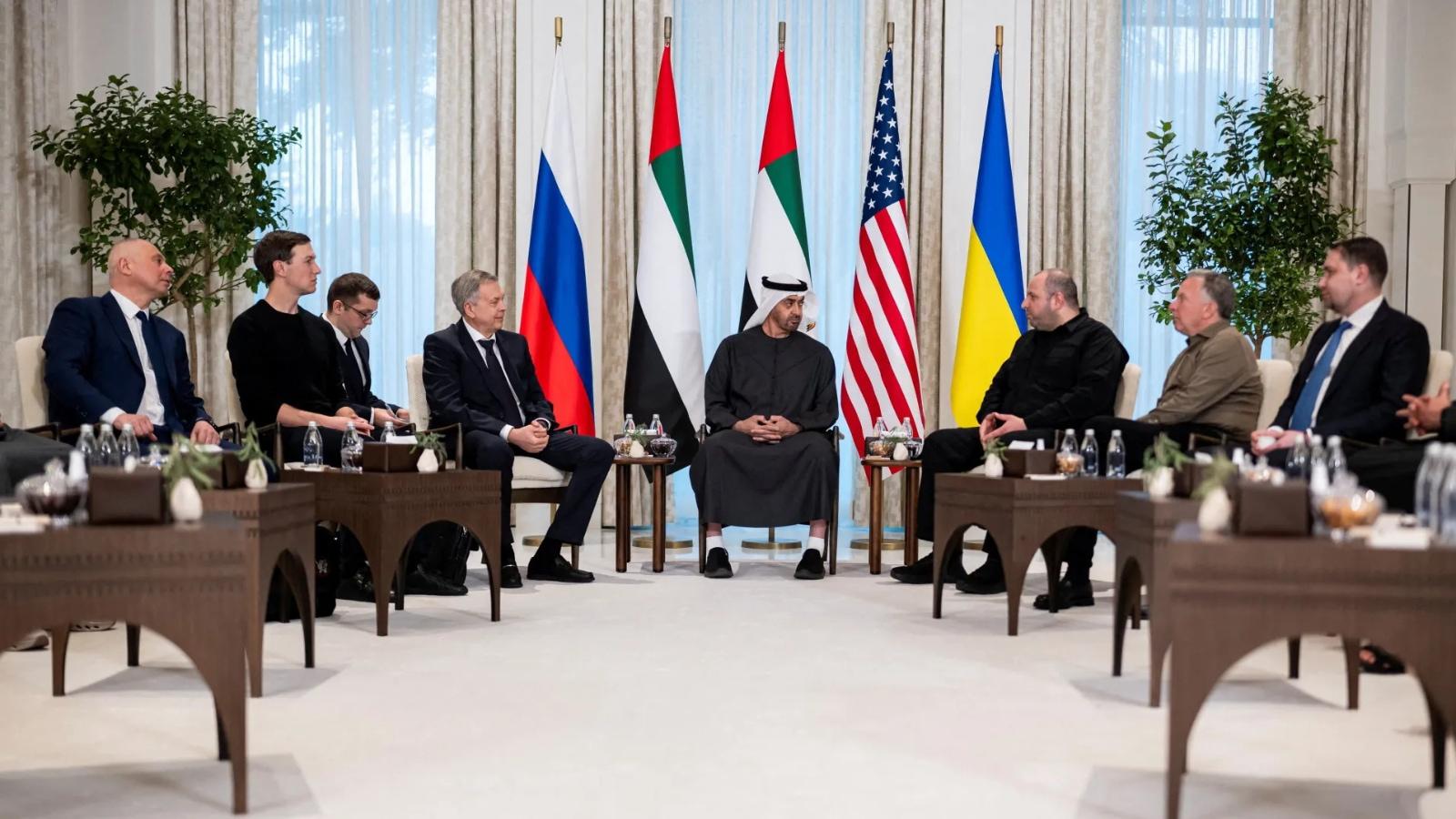
The United States, Russia and Ukraine have opened two days of peace talks in Abu Dhabi as Washington renews efforts to negotiate an end to the war that began with Russia's full scale invasion of Ukraine in February 2022. The negotiations are the first direct United States brokered talks between Russian and Ukrainian delegations since February, with security guarantees for Ukraine, disputed territory and Europe's wider security framework expected to dominate discussions.
The United States, Ukraine and Russia have opened a new round of peace negotiations in Abu Dhabi in one of the most significant diplomatic attempts in months to find a path toward ending the war that has devastated Ukraine since Russia launched its full scale invasion in February 2022. The two day meeting began on Tuesday with American mediators attempting to narrow some of the deepest disagreements separating Moscow and Kyiv, including the future of Ukrainian territory occupied by Russian forces, the security guarantees Ukraine says it must receive before any lasting settlement can be trusted, and Russia's demand for a broader restructuring of Europe's security relationship with Moscow.
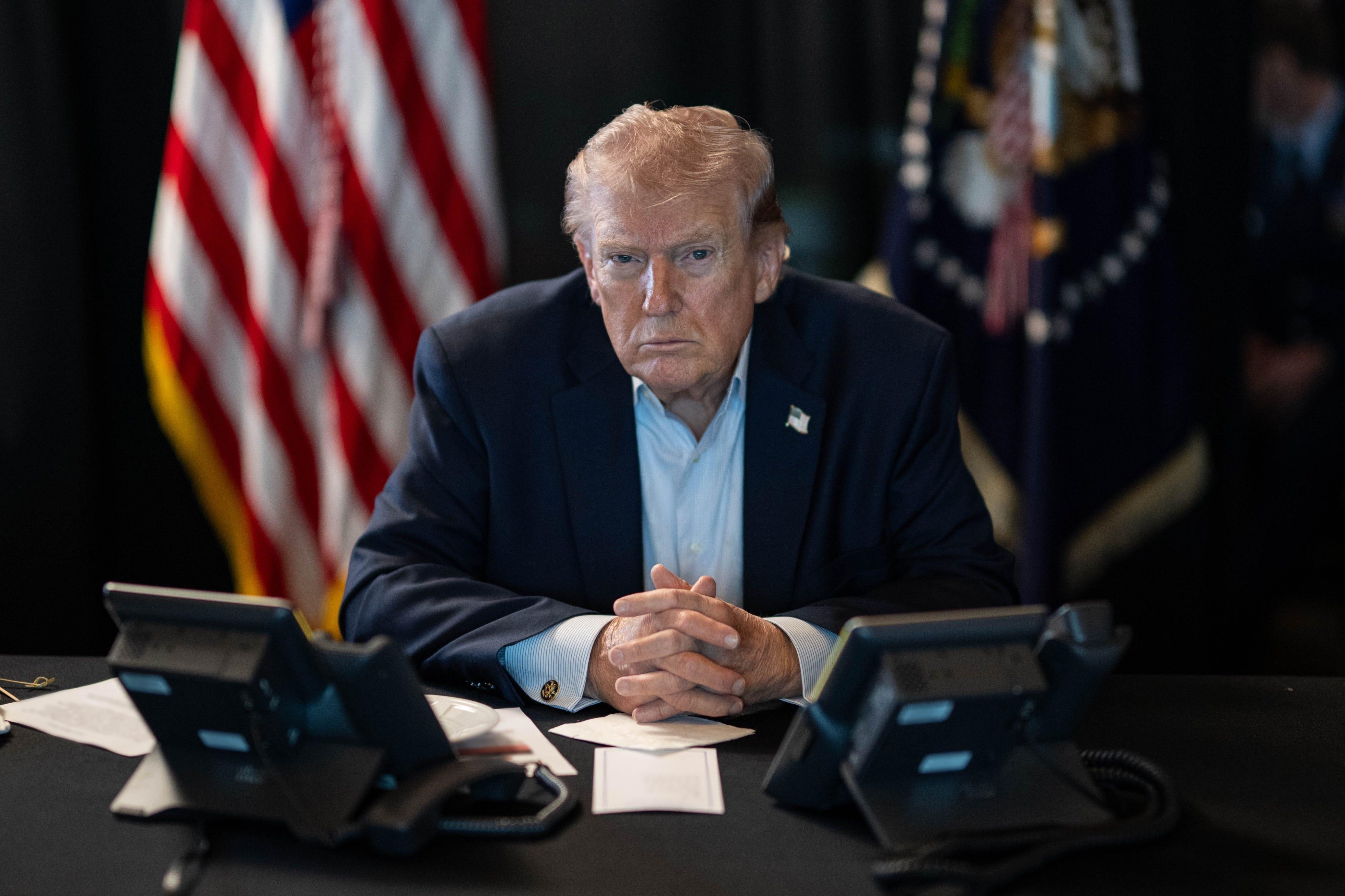
The talks are the first direct United States brokered negotiations between Russian and Ukrainian delegations since February and come after months in which battlefield fighting continued while Washington separately held discussions with both governments. President Donald Trump's administration has increasingly presented negotiations as the only realistic route toward ending a conflict approaching its fifth year, although the enormous gap between the Russian and Ukrainian positions remains unresolved. American officials have expressed cautious confidence that recent private discussions have produced greater flexibility, but neither Moscow nor Kyiv has publicly accepted the central concessions being demanded by the other.
Trump's son in law Jared Kushner and United States special envoy Steve Witkoff are playing leading roles in the American mediation effort. Kushner said ahead of the meeting that he and Witkoff were working to find a negotiated settlement capable of producing lasting peace while protecting Ukraine's sovereignty and security and creating a more stable European security environment. His remarks reflected Washington's attempt to frame the Abu Dhabi meeting not simply as another diplomatic encounter but as part of a wider process that could eventually produce agreements involving Ukraine, Russia, the United States and European governments.
Ukraine has entered the negotiations with security guarantees at the center of its demands. President Volodymyr Zelenskyy has repeatedly argued that Kyiv cannot accept another agreement based only on political promises because previous arrangements failed to prevent Russia from escalating its military actions. Ukrainian officials want commitments strong enough to deter another invasion after any peace settlement, particularly if Ukraine is expected to make compromises over territory or military arrangements. Kyiv has not publicly accepted Russian demands that it surrender territory still controlled by Ukrainian forces and has maintained that questions involving Ukrainian land cannot simply be decided by foreign negotiators without Ukrainian consent.
For Zelenskyy, the issue is deeply connected to the experience of the war itself. Ukraine surrendered the nuclear weapons it inherited after the collapse of the Soviet Union under agreements that included assurances about its sovereignty and borders. Russia later seized Crimea in 2014 and supported separatist forces in eastern Ukraine before launching the full scale invasion in February 2022. Ukrainian leaders have repeatedly pointed to that history when arguing that any future peace agreement must contain concrete mechanisms capable of responding quickly if Russia attacks again.
Moscow has approached the negotiations from a different direction. Russian officials have continued to insist that any settlement must address what the Kremlin describes as the underlying causes of the conflict and Russia's wider security concerns. President Vladimir Putin's government has long opposed Ukraine's efforts to join NATO and has demanded changes to the security arrangements that have developed across Europe since the end of the Cold War. Russian negotiators have also pressed territorial demands that Ukraine has rejected, including claims over areas of the Donbas that Russian forces do not fully control.
The territorial dispute remains one of the most difficult obstacles facing negotiators in Abu Dhabi. Russia controls substantial portions of eastern and southern Ukraine and has formally claimed several Ukrainian regions as Russian territory, although those claims are not recognized by Ukraine or most of the international community. Kyiv insists that internationally recognized Ukrainian territory cannot simply be transferred to Russia as the price of ending the war. Moscow, meanwhile, has shown no public willingness to withdraw from all areas seized during the conflict and has demanded further Ukrainian concessions in the east.
The disagreement creates a fundamental problem for American mediators. A ceasefire could potentially stop large scale combat without immediately resolving sovereignty over every disputed area, but a permanent peace settlement would eventually have to confront the question of territory. Ukraine fears that freezing the current battle lines without strong guarantees could allow Russia to rebuild its forces and attack again later. Russia appears unwilling to accept a settlement that leaves Ukraine free to deepen military ties with Western countries while also maintaining claims to occupied territories.
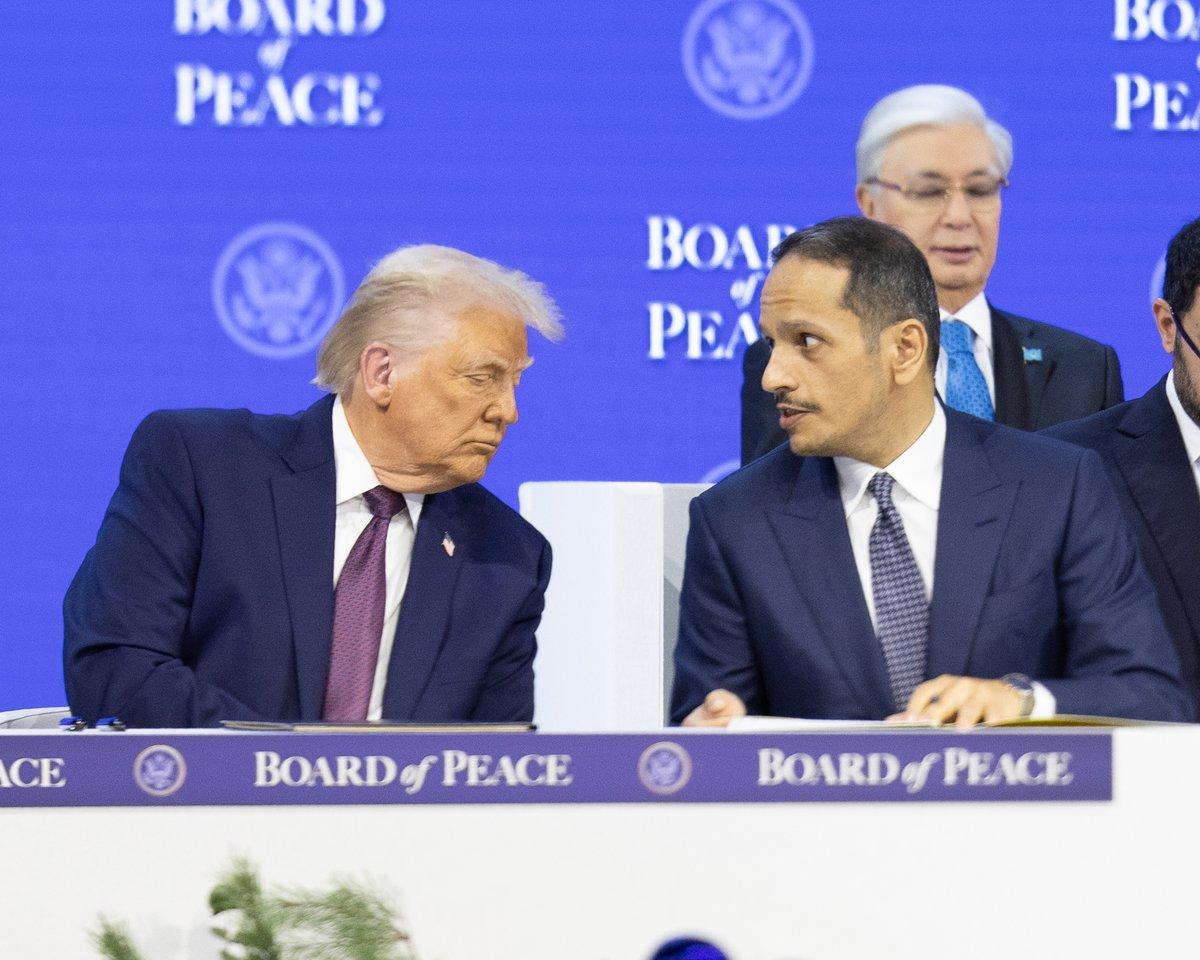
Washington has indicated that it believes some form of compromise may still be possible. Trump said before the talks that he believed both countries were increasingly tired of the fighting and suggested that the war could end sooner than many expected. United States officials have also said they see signs of flexibility in discussions surrounding territory, although Kyiv has publicly rejected suggestions that it has agreed to surrender land. The difference between private negotiating positions and public political statements remains important because territorial concessions would be extremely sensitive in both Ukraine and Russia.
The Abu Dhabi discussions are also expected to reach beyond the immediate battlefield and examine Europe's future security arrangements. That element has caused unease among some European governments, which insist that decisions affecting European security cannot be negotiated exclusively between Washington and Moscow. France and other European states have pushed for direct European participation in the diplomatic process, arguing that any settlement involving Russia, Ukraine and the future military balance in Europe will have consequences far beyond the two countries currently at war.
European leaders have broadly supported diplomatic efforts to end the conflict but remain cautious about any agreement that could reward military aggression or weaken Ukraine's ability to defend itself. Several governments have argued that a ceasefire should come before broader negotiations about Europe's security architecture. They fear that beginning with Russia's demands for changes to the European security system could give Moscow influence over the defense choices of neighboring countries before it has demonstrated a willingness to halt military operations in Ukraine.
Those concerns have become particularly important because Russia has consistently presented the war as part of a broader confrontation with NATO and the West rather than simply a bilateral dispute with Ukraine. Putin has accused Western governments of threatening Russian security by expanding NATO eastward and supporting Ukraine's closer integration with European and Atlantic institutions. NATO governments reject Moscow's claim that the alliance forced Russia into war and maintain that sovereign countries have the right to choose their own security relationships.
For Ukraine, the fear is that negotiations about a wider European settlement could result in pressure to accept limits on its sovereignty in exchange for peace. Kyiv has spent years seeking membership of the European Union and closer military cooperation with Western countries. While NATO membership has remained politically difficult, Ukraine has received extensive military assistance, intelligence support and training from the United States and European allies since Russia began the full scale invasion.
The United States is therefore trying to navigate two related but potentially conflicting goals. Washington wants an agreement capable of stopping the fighting while also producing a security framework that Russia believes it can accept. At the same time, American negotiators must avoid creating the impression that Ukraine's sovereignty and future are being decided without Kyiv or that European security is being redesigned without European governments having a meaningful voice.
Kushner and Witkoff have emerged as central figures in Trump's diplomatic strategy. Both men have participated in previous meetings involving Russian and Ukrainian representatives and have held direct discussions with senior officials on both sides. Their involvement reflects Trump's preference for personal diplomacy and trusted envoys rather than relying exclusively on traditional diplomatic channels. Supporters of the approach argue that unconventional negotiations can break through positions that have hardened over years of war. Critics worry that highly personalized diplomacy can create uncertainty over the details of agreements and the commitments being considered.
The renewed talks follow earlier negotiating rounds that failed to produce a decisive breakthrough. Russia and Ukraine held discussions during the early months of the 2022 invasion, but those negotiations collapsed as the war intensified. Later efforts involving Turkey, international organizations and individual governments achieved narrower results, including agreements covering prisoner exchanges and grain exports, but failed to produce a comprehensive peace settlement.
Further rounds of United States mediated negotiations were held earlier in 2026, including meetings in Abu Dhabi and Geneva. Those discussions exposed many of the same disagreements that remain unresolved today. Territory was one of the major obstacles, while questions over the size and future of Ukraine's armed forces, Western military support, sanctions against Russia and security guarantees also remained contested.
Despite the diplomatic activity, the fighting has continued. Russian forces have maintained pressure along sections of the front while Ukraine has continued to defend its territory and conduct attacks against Russian military and logistical targets. Both countries have also exchanged drone and missile attacks far from the main battle lines, making the war increasingly damaging to civilian infrastructure and placing continued pressure on energy systems, transportation networks and communities.
Russian strikes on Ukrainian cities and infrastructure have remained a major point of contention as the negotiations approach. Kyiv argues that continuing large scale attacks while discussing peace raises questions about Moscow's intentions and its willingness to negotiate seriously. Russian officials have similarly accused Ukraine of carrying out attacks inside Russian territory and have insisted that Moscow will continue military operations until either an acceptable agreement is reached or its objectives are achieved.
The human cost remains immense. Tens of thousands of soldiers and civilians have been killed, although accurate military casualty figures from both sides remain difficult to establish independently. Millions of Ukrainians have been displaced inside the country or forced to seek refuge abroad. Entire towns and neighborhoods have been damaged or destroyed, particularly in eastern and southern Ukraine, while reconstruction costs are expected to run into hundreds of billions of dollars.
The war has also transformed European politics. NATO members have increased defense spending, expanded military production and strengthened deployments across the alliance's eastern flank. Finland and Sweden joined NATO after abandoning decades of military nonalignment, decisions that were directly influenced by Russia's invasion. European governments have also imposed extensive sanctions on Moscow while attempting to reduce dependence on Russian energy.
Russia has adapted to many of those restrictions by deepening economic and political relationships with countries outside the Western alliance. Moscow has expanded trade with China, India and other partners while redirecting energy exports away from some European markets. Western sanctions have imposed significant costs on parts of the Russian economy, but they have not forced the Kremlin to abandon the war.
Trump has repeatedly argued that the conflict should never have been allowed to continue for so long and has made ending it a major foreign policy objective. His administration has maintained pressure on both Kyiv and Moscow while presenting the United States as the indispensable mediator capable of bringing the two sides together. That strategy differs in tone and method from earlier American policy, which placed greater emphasis on supporting Ukraine militarily while insisting that Kyiv determine when and how it was prepared to negotiate.
The current process has therefore generated both hope and anxiety in Ukraine. Many Ukrainians desperately want an end to a war that has transformed everyday life and caused enormous loss. At the same time, there is widespread concern that an agreement reached under pressure could leave the country weaker, territorially divided and vulnerable to another attack. Zelenskyy must balance the desire for peace with the political reality that accepting Russian territorial demands could be viewed by many Ukrainians as surrendering land for which thousands of people have fought and died.
Putin faces his own calculations. Russia has committed enormous military and economic resources to the war and has repeatedly presented the conflict domestically as vital to the country's national security. Any agreement that falls significantly short of the Kremlin's publicly declared objectives could be difficult to explain after years of fighting. That gives Moscow an incentive to seek concessions that can be presented as proof that the war changed the strategic balance in Russia's favor.
The United Arab Emirates has increasingly positioned itself as a diplomatic venue capable of hosting sensitive negotiations involving governments that have difficult relations with one another. Abu Dhabi has maintained communication with Washington, Moscow and Kyiv throughout the conflict and has previously helped facilitate humanitarian arrangements and prisoner exchanges. Its role as host gives negotiators a relatively neutral environment for discussions that would be politically difficult to hold in Russia, Ukraine or many European capitals.
The first challenge for the current talks will be determining whether the parties can agree on principles broad enough to justify further negotiations. No immediate comprehensive peace agreement is expected simply because delegations are sitting together again. Even limited progress on security guarantees, humanitarian issues or the structure of future negotiations could be significant if it keeps all three governments engaged in the process.
A central question will be what Washington is prepared to offer Ukraine as part of any security guarantee. Kyiv has sought commitments that would make another Russian invasion extremely costly and trigger rapid Western assistance. The strength of those commitments will matter because an agreement based on vague promises would be unlikely to satisfy a Ukrainian government that believes earlier security assurances failed.
Another question is whether Russia will accept guarantees that allow Ukraine to maintain a powerful military and extensive Western defense cooperation. Moscow has previously demanded restrictions on Ukraine's military capabilities and opposed arrangements it believes could effectively give Kyiv NATO style protection without formal membership. Reconciling those positions may prove even more complicated than reaching an understanding on the location of a ceasefire line.
Europe's role will also have to be resolved. European governments would probably be expected to contribute substantially to any long term security arrangement for Ukraine, whether through military assistance, troops, monitoring, financing or reconstruction. That makes it difficult to construct a durable settlement without their participation, even if the United States remains the principal mediator between Moscow and Kyiv.
The Abu Dhabi talks therefore represent an opening rather than a conclusion. After years of failed diplomacy and relentless fighting, the return of Russian, Ukrainian and American officials to the same negotiating process is important, but the fundamental positions that produced the war have not disappeared. Moscow still wants major political, territorial and security concessions. Kyiv still insists on sovereignty, credible protection and the right to determine its own future. Washington is attempting to find enough common ground between those positions to stop the fighting without producing an agreement that collapses soon afterward.
The next two days will show whether negotiators can move beyond general statements about peace and begin narrowing the specific disputes that have prevented previous efforts from succeeding. Security guarantees are likely to remain at the heart of that conversation, but territory, sanctions, military arrangements and Europe's future relationship with Russia will be equally difficult to separate from any final settlement.
Even if the Abu Dhabi meeting ends without a dramatic announcement, continued negotiations could still mark progress if the parties agree to return for further talks and establish a clearer framework for resolving the most difficult issues. The more important test will be whether developments at the negotiating table begin to influence events on the battlefield and whether Russia and Ukraine show a willingness to make compromises that neither side has so far publicly accepted.
For millions of Ukrainians who have lived through nearly five years of invasion, displacement, air alerts and loss, the stakes are far greater than the language of diplomacy. A lasting settlement would have to do more than temporarily silence the weapons. It would need to give Ukraine enough security to rebuild without expecting another invasion, provide a workable political settlement for disputed territory and establish arrangements that Russia, Ukraine, the United States and European governments are prepared to uphold. Whether the Abu Dhabi talks can begin creating that foundation remains uncertain, but their resumption has placed diplomacy back at the center of efforts to end Europe's most devastating war in generations.