

UN SAYS EXTREME HEAT IS NOW A FAULTLINE IN PREGNANCY AND THE FIJI SURVEY SAYS CLINICIANS ARE ALREADY SEEING IT
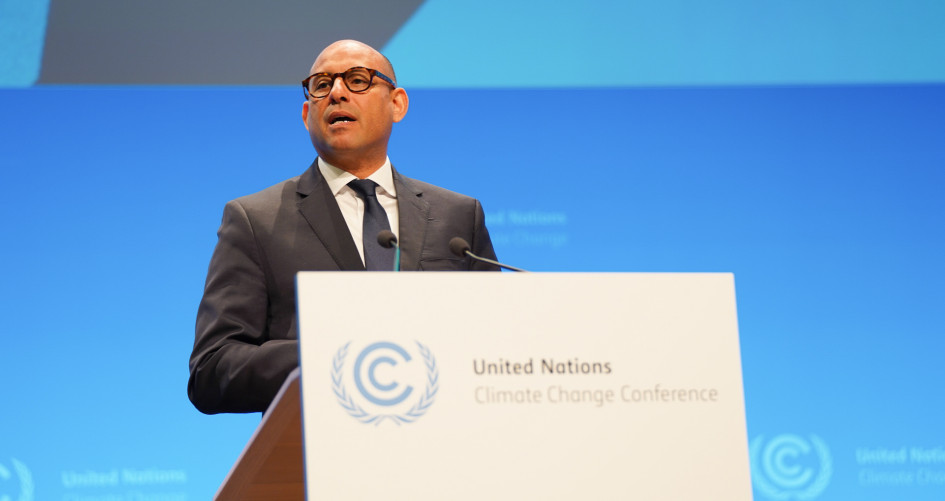
Simon Stiell told a Welcome event at pre-COP in Fiji on 5 October that pregnancy and birth are a new Faultline in the climate crisis. A survey of 1,000 maternal health workers in Australia, Brazil, India, the United Kingdom and Zimbabwe found 73 percent said heat-linked complications had increased in five years, and 98 percent said they had cared for a pregnant woman they believed was affected by extreme heat. The findings are clinician reports, not a clinical trial.
United Nations climate chief Simon Stiell said on Monday that extreme heat is now a Faultline in pregnancy and birth, and he tied the warning to a survey of clinicians who say they are already treating the cases.
Stiell, executive secretary of the UN Framework Convention on Climate Change, spoke at a Welcome event in Fiji on the first day of the pre-COP ministerial meeting, co-hosted by Australia and Fiji from 5 to 8 October. A leaders’ event is also planned in Tuvalu.
“Rising temperatures mean rising danger in pregnancy,” he said. “Climate-driven extreme heat during pregnancy is increasingly linked to premature birth, stillbirth, low birth weight, and maternal complications.” He called the picture “clear and very disturbing,” and said the Faultline “must not become another deep chasm of climate-driven suffering, inequality and injustice.”
The numbers he cited come from a survey commissioned by Welcome, not from a hospital registry. It covered 1,000 midwives, doctors and other maternal health professionals in Australia, Brazil, India, the United Kingdom and Zimbabwe, five countries on five continents, polled between 17 September and 1 October. Almost three-quarters, 73 percent, said heat-linked cases or complications had increased over the past five years. The share rose to 76 percent when they were asked about the fetus, childbirth or the newborn. Eighty-one percent said they were concerned or very concerned that extreme heat will put maternal, fetal and newborn health at further risk without more action.
Nearly all of them said they had already seen it. Ninety-eight percent said they had cared for a pregnant woman whose health they considered affected by extreme heat. Ninety-nine percent said the same of a baby. About a third reported low birth weight or restricted growth, feeding difficulties, and dehydration or heat-related illness that they attributed to heat. Thirty-six percent reported dehydration or heat-related illness in newborns in the care they provided. Thirty-four percent reported low birth weight or restricted fetal growth.
Those are professional judgments, not confirmed diagnoses in a controlled study. Welcome also cited a wider association used at the launch: a 1°C rise in temperature linked to a 5 percent increase in premature births and a 7 percent increase in gestational diabetes. That figure is an association drawn from existing research, not a result of this survey.
Julia Gillard, Welcome's chair and a former Australian prime minister, said mothers and babies are being put at increasing risk by climate change. The findings were released with the launch of Birthright, a campaign asking for more protection for pregnant women, babies and the staff who treat them.
Stiell set the warning against the recent temperature record. He said the last eleven years had broken records, and that El Niño conditions show how fast heat can intensify. “Here in the Pacific, climate change is no abstraction,” he said. “It is felt in homes, villages, farms, fisheries and clinics, in journeys for care, and in the availability and cost of food, water, power and transport.” He also said continued fossil fuel use is intensifying the heat risk. He told delegates pregnancy should be a time of hope.
Pre-COP does not adopt a treaty. It is the ministerial warmup before the main climate conference. What Fiji added on Monday is a health claim with a number attached: in five countries, most of the clinicians asked said heat-linked pregnancy complications are already rising.