
UKRAINE VOWS MORE STRIKES ON RUSSIAN OIL REFINERIES
Ukraine says it will intensify attacks on Russian oil refineries in response to what President Volodymyr Zelenskyy describes as Moscow’s new doctrine of expanded airstrikes against Ukrainian cities and civilian infrastructure. Zelenskyy said Kyiv intends to respond by increasing pressure on Russia’s energy sector rather than deliberately targeting civilians. The announcement marks a significant escalation in Ukraine’s long running campaign against Russian refining and energy infrastructure. Russia, meanwhile, says its own strikes on Ukraine are retaliatory and has denied deliberately targeting civilians.
Ukraine plans to intensify attacks on Russian oil refineries as part of a new retaliatory strategy against Moscow’s expanding air campaign, President Volodymyr Zelenskyy has said.
Speaking in an interview with Reuters, Zelenskyy said Ukrainian intelligence had identified what he described as a new Russian doctrine aimed at increasing pressure on Ukrainian cities during the winter.
He said Ukraine would respond by striking targets connected to Russia’s energy and war economy, including oil refineries.
The announcement signals a further expansion of Ukraine’s campaign against Russian refining infrastructure.
ZELENSKYY SAYS UKRAINE WILL TARGET REFINERIES
Zelenskyy said Ukraine intends to increase attacks on Russian refineries because of what he described as a change in Moscow’s air war strategy.
According to the Ukrainian president, intelligence assessments suggest Russia is preparing to intensify attacks on infrastructure used by civilians.
Ukraine’s response, he said, would focus on facilities that support Russia’s economy and military capacity.
That includes oil refining infrastructure.
KYIV SAYS IT WILL NOT DELIBERATELY TARGET CIVILIANS
Zelenskyy said Ukraine would not respond by deliberately attacking civilian targets.
He argued that the objective is to impose economic and military costs on Russia rather than reproduce the type of attacks Kyiv accuses Moscow of carrying out.
Russia has repeatedly denied deliberately targeting civilians and says its strikes are aimed at military or strategic infrastructure.
Both sides accuse the other of attacks that have harmed civilian areas.
REFINERIES HAVE ALREADY BECOME MAJOR TARGETS
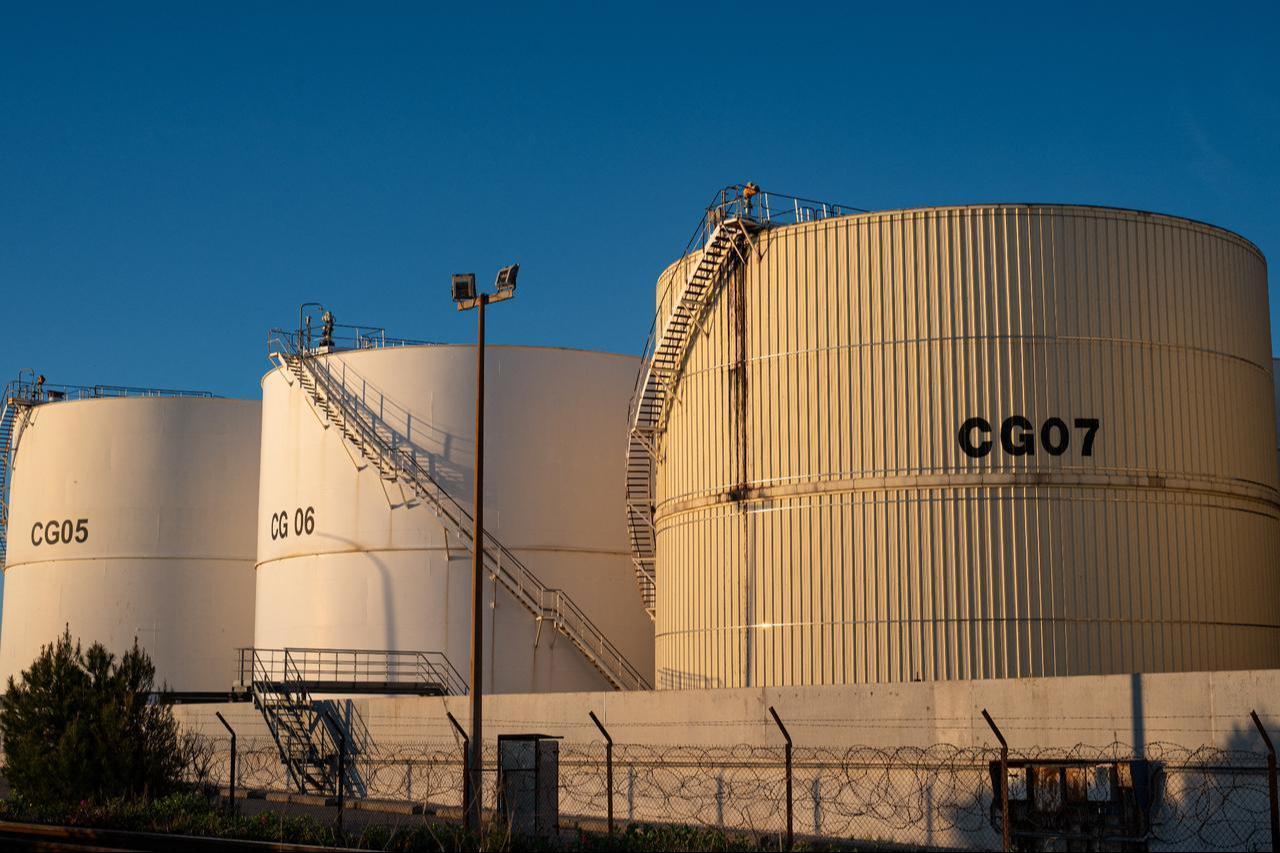
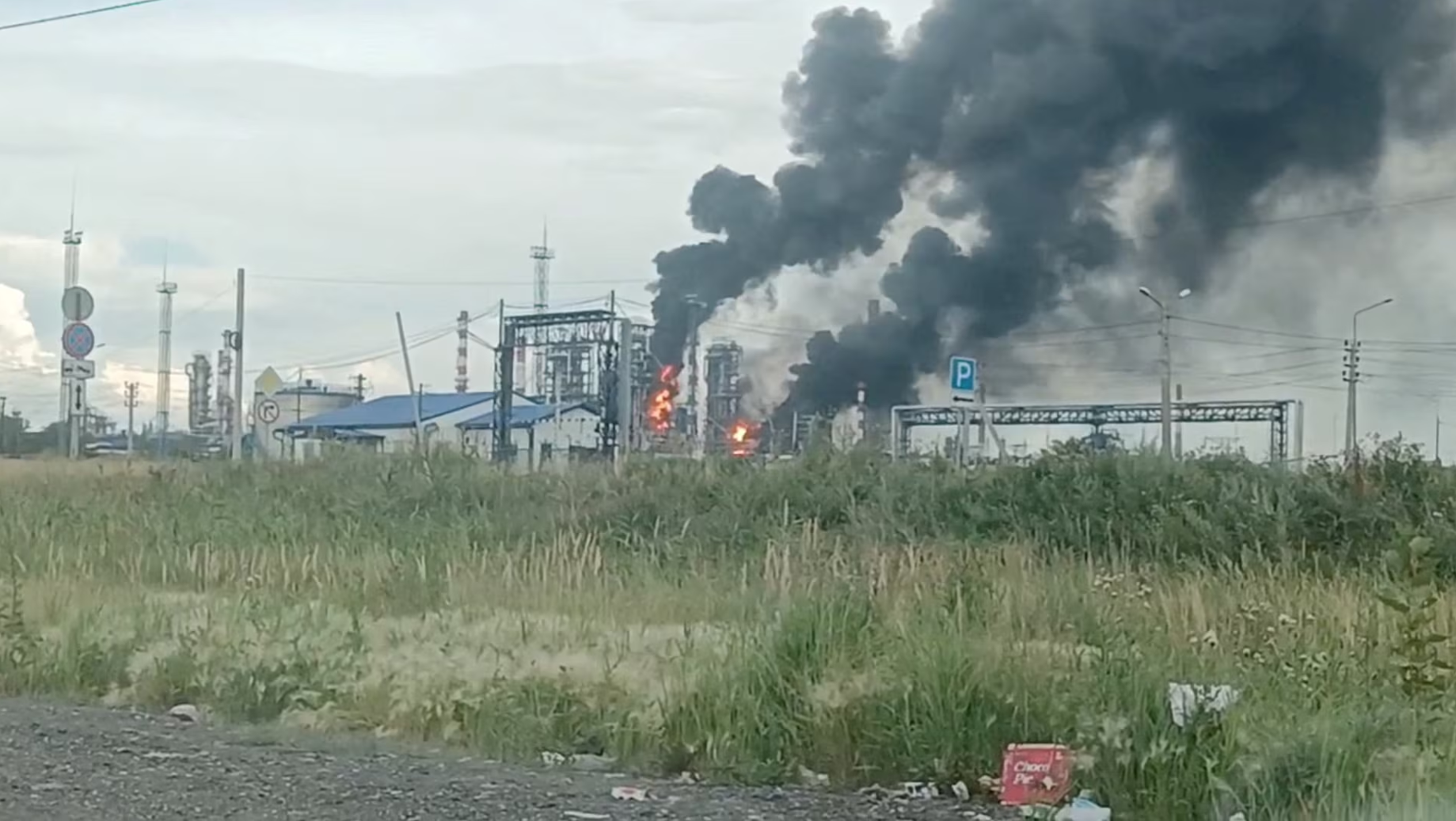
Russian oil refineries have increasingly been targeted by Ukrainian long range drones during the war.
Several large facilities have been damaged or temporarily forced to reduce operations.
Ukraine argues that refineries are legitimate strategic targets because fuel produced there supports Russia’s military operations and generates revenue for the wider economy.
Russia has condemned the attacks and described them as strikes on civilian economic infrastructure.
ENERGY INFRASTRUCTURE HAS BECOME CENTRAL TO THE WAR
Energy systems on both sides have become major targets.
Russia has repeatedly attacked Ukrainian electricity generation, substations and other infrastructure.
Ukraine has increasingly focused on Russian oil refineries, fuel depots and energy logistics.
The result has been a widening economic dimension to the conflict.
The objective is not only to destroy military equipment but also to reduce the opponent’s ability to finance and sustain operations.
RUSSIA ACCUSED OF NEW WINTER STRATEGY
Zelenskyy said Ukraine had obtained intelligence suggesting Moscow is preparing a broader winter campaign.
He described the approach as an attempt to make life increasingly difficult for civilians in major cities.
Ukraine says infrastructure including electricity, transportation and public services could face heavier attacks.
Russia has not accepted Kyiv’s characterization of such a strategy.
MOSCOW SAYS ITS STRIKES ARE RETALIATORY
Russia says recent attacks on Kyiv and other Ukrainian cities are retaliation for Ukrainian strikes on Russian territory.
The Russian Foreign Ministry has said Moscow intends to continue targeting what it describes as legitimate military and strategic facilities.
Russian officials have also accused Ukraine of attacks on civilians and energy infrastructure inside Russia.
Those accusations form part of competing narratives surrounding the war.
KYIV BRIDGES HIT IN LATEST ATTACKS
The announcement came as Russia intensified attacks on infrastructure in Kyiv.
The Northern Bridge across the Dnipro River was damaged during a Russian strike on October 3.
Traffic was suspended while emergency crews assessed the damage.
Other major crossings in the capital had also been affected by attacks in recent days.
The strikes have raised concern about transportation and access across the city as winter approaches.
ODESA PORT ATTACK ADDS TO ESCALATION
The new strategy also follows a Russian strike on a foreign flagged cargo vessel at a port in Ukraine’s Odesa region.
Ukrainian authorities said one person was killed and three others were injured.
Thirteen crew members were evacuated safely.
Russia has increasingly targeted Ukrainian ports and export infrastructure during the wider conflict.
BLACK SEA SHIPPING REMAINS UNDER PRESSURE
Ukraine depends heavily on Black Sea routes for grain, steel and other exports.
Attacks on ships and port infrastructure have disrupted those trade flows.
Russia and Ukraine have accused each other of threatening commercial shipping.
The growing risk has also affected insurance costs and confidence among international shipping operators.
REFINERY STRIKES HAVE ECONOMIC IMPACT
Russian refineries process crude oil into gasoline, diesel and other fuels.
When facilities are damaged, production can be disrupted.
Repeated attacks can also require repairs, reduce available capacity and complicate domestic fuel distribution.
That can create economic pressure even if Russia continues exporting crude oil.
UKRAINE SEES ENERGY SECTOR AS STRATEGIC PRESSURE POINT
Ukraine’s strategy appears designed to weaken Russia’s ability to sustain the war financially and logistically.
Oil and gas remain major components of Russia’s economy.
Fuel production is also important for military transportation and equipment.
By striking refineries rather than crude production itself, Ukraine can target downstream operations that are more difficult to replace quickly.
RUSSIA HAS LARGE BUT VULNERABLE REFINING NETWORK
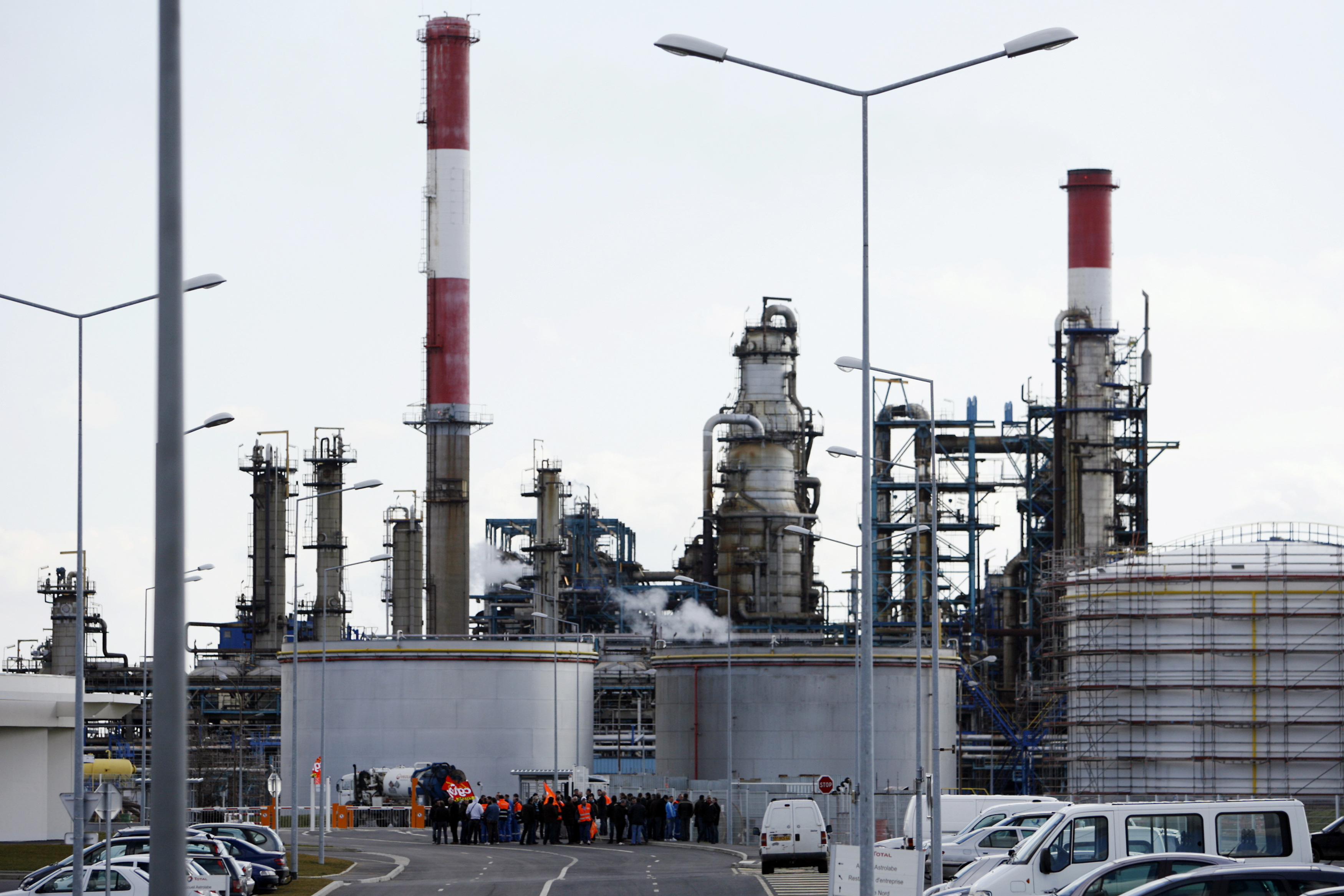
Russia operates a large network of oil refineries spread across the country.
Some facilities are hundreds of kilometers from Ukraine.
The increasing range of Ukrainian drones has allowed Kyiv to reach deeper into Russian territory.
That has forced Moscow to deploy additional air defenses around energy facilities.
Even with those defenses, some attacks have caused significant damage.
GLOBAL OIL MARKETS MAY WATCH CLOSELY
Repeated refinery strikes can affect international energy markets.
Russia is an important exporter of refined petroleum products.
Disruptions can tighten supply in some markets, particularly for diesel and other fuels.
Oil prices are also influenced by many other factors, including production levels, inventories and wider geopolitical developments.
The effect of any single strike therefore depends on the scale and duration of the disruption.
UKRAINE ALSO DEVELOPING LONG RANGE WEAPONS
Ukraine has invested heavily in long range drones and missiles.
Zelenskyy has also highlighted new Ukrainian weapons intended to increase strike capability against targets farther from the front line.
That development reduces Kyiv’s reliance on foreign supplied long range systems.
It also gives Ukraine greater freedom in choosing targets inside Russia.
ESCALATION COMES DESPITE DIPLOMATIC EFFORTS
The announcement comes while international efforts to negotiate an end to the war continue.
The United States has been involved in diplomatic discussions with both sides.
Zelenskyy said he sees little evidence that Russia is currently prepared to end the conflict on terms acceptable to Ukraine.
Moscow has made similar accusations against Kyiv.
BOTH SIDES CONTINUE TO ESCALATE PRESSURE
Russia is increasing long range attacks on Ukrainian infrastructure.
Ukraine is responding by expanding attacks on Russian energy facilities.
That pattern suggests both governments are attempting to impose greater economic and military costs on the other.
The approach could make future negotiations more difficult if escalation continues.
WHAT IS CONFIRMED
Zelenskyy says Ukraine intends to intensify strikes on Russian oil refineries.
He described the policy as a response to what Kyiv considers a new Russian airstrike doctrine.
Ukraine says it will continue avoiding deliberate attacks on civilians.
Russia says its own attacks are retaliatory and denies intentionally targeting civilians.
WHAT REMAINS UNCLEAR
Ukraine has not publicly announced a detailed list of refineries it intends to target.
It has also not disclosed how frequently such attacks may occur.
The full scale of Russia’s reported winter strategy is also based primarily on Ukrainian intelligence assessments.
Independent verification of military planning remains difficult during the conflict.
WHAT HAPPENS NEXT
Attention will now focus on whether Ukraine significantly increases the frequency and range of attacks on Russian refining infrastructure.
Russia is likely to strengthen air defenses around major energy facilities and may respond with additional strikes on Ukrainian infrastructure.
The development points to a new phase of the war in which energy infrastructure is likely to play an even more important role.
For both countries, the conflict is increasingly being fought not only on the battlefield but through attacks designed to weaken the economic systems supporting the war.