
CRUDE OIL TANKER HIT BY UNKNOWN PROJECTILE OFF OMAN
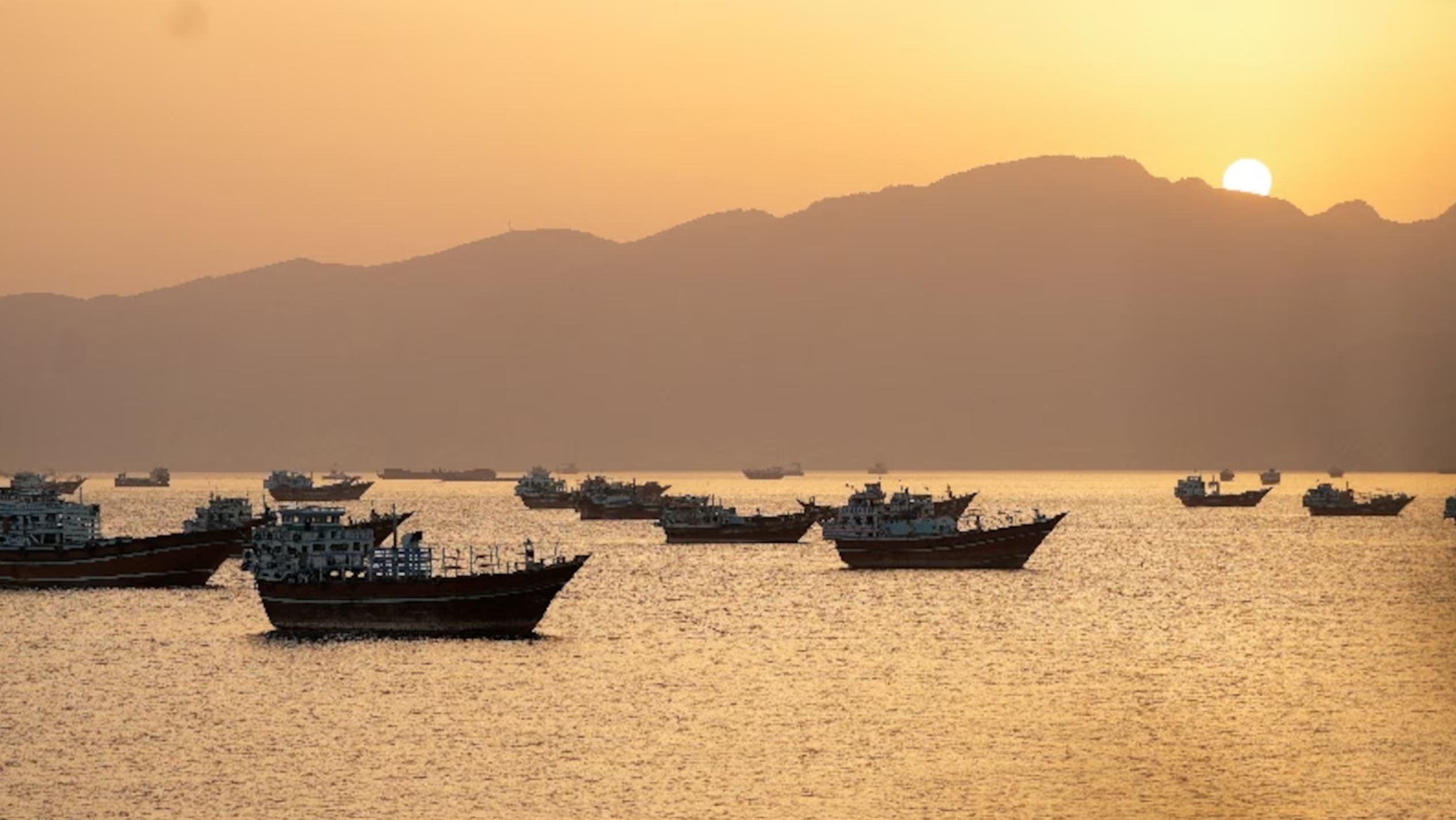
A crude oil tanker has been struck by an unidentified projectile in waters about four nautical miles east of Oman, according to the United Kingdom Maritime Trade Operations. The vessel’s master reported that the projectile struck the port side of the tanker early Saturday, October 3. All crew members have been reported safe and no environmental impact has been recorded so far. The source and nature of the projectile remain unknown and no country or armed group has been identified as responsible. The incident comes amid heightened insecurity around the Strait of Hormuz and Gulf of Oman, where several commercial vessels have recently reported being struck by unidentified projectiles.
A crude oil tanker has been struck by an unidentified projectile off the coast of Oman, adding to growing concerns about the safety of commercial energy shipping around one of the world’s most strategically important maritime corridors.
The United Kingdom Maritime Trade Operations said the master of the tanker reported that the vessel had been struck approximately four nautical miles east of Oman early Saturday, October 3.
The projectile reportedly hit the port side of the tanker.
All crew members were reported safe.
No environmental impact had been reported at the time of the initial notice.
SOURCE OF PROJECTILE REMAINS UNKNOWN
Authorities have not identified what type of projectile struck the tanker.
They have also not determined publicly where it came from.
No government, military force or armed organization has been officially identified as responsible.
That means any claim currently attributing the incident to Iran, the Houthis or another regional actor would be speculative unless supported by subsequent evidence or an official statement.
UKMTO said authorities were investigating.
Ships operating in the area have been advised to exercise caution and report suspicious activity.
VESSEL HAS NOT BEEN PUBLICLY IDENTIFIED
The name, flag and ownership of the tanker were not included in the initial public reporting available at the time of publication.
That makes it impossible to establish independently what cargo the vessel was carrying, its destination or the extent of any structural damage beyond the reported impact.
The absence of those details is important because commercial tanker traffic in the region includes vessels carrying crude oil, refined petroleum products and ships traveling without cargo.
Further information is expected as maritime authorities and the vessel’s operator assess the incident.
CREW REPORTED SAFE
The most important immediate development is that no crew casualties have been reported.
UKMTO said all personnel aboard the tanker were safe.
There has also been no reported oil spill or other environmental damage.
That could change if later inspections reveal damage below the waterline or to cargo tanks, but no such impact had been confirmed at the time of reporting.
INCIDENT COMES DURING HEIGHTENED SHIPPING TENSIONS
The strike comes during an unusually tense period for commercial shipping around Oman and the Strait of Hormuz.
Several tankers have been reported hit by unidentified projectiles in recent days.
UKMTO reported additional tanker incidents in the Strait of Hormuz on September 30 and October 1.
In those cases, authorities also said investigations were underway.
The repeated incidents are likely to increase concern among shipowners, insurers and energy traders even before responsibility is established.
STRAIT OF HORMUZ IS CRITICAL TO WORLD ENERGY SUPPLY
The Strait of Hormuz is one of the most important energy transit routes in the world.
It connects the Persian Gulf with the Gulf of Oman and the Arabian Sea.
Large quantities of crude oil, condensate, liquefied natural gas and refined fuels pass through the waterway.
Major exporters including Saudi Arabia, Iraq, Kuwait, Qatar and the United Arab Emirates depend heavily on routes through or near the strait.
Disruption to shipping can therefore have consequences well beyond the Middle East.
WHY AN ATTACK ON A TANKER MATTERS
Even when a tanker remains operational, a projectile strike can affect the wider market.
Shipping companies may reconsider routes.
Insurance companies may increase war risk premiums.
Crews may demand additional security precautions.
Charter rates can rise as vessel owners demand compensation for operating in higher risk waters.
Those costs can eventually contribute to higher transportation costs for crude oil and refined fuels.
ENERGY MARKETS ARE ALREADY VOLATILE
The incident comes as global energy markets are already dealing with substantial geopolitical uncertainty.
Oil prices have moved sharply in recent days as traders react to conflict in the Middle East, changing export flows and discussions over emergency reserve releases.
The European Union and International Energy Agency members have been considering coordinated releases of diesel and crude reserves to ease supply pressure.
A serious interruption to Gulf shipping could work in the opposite direction by increasing concerns about future supply.
NO CONFIRMED OIL SUPPLY LOSS SO FAR
There is currently no evidence that Saturday’s incident has removed a significant quantity of crude oil from global supply.
The tanker has not been reported sunk.
There has been no confirmed spill.
The crew is safe.
The direct physical impact therefore appears limited based on current information.
The larger concern is whether the incident forms part of a broader pattern affecting commercial vessels.
RECENT TANKER STRIKES RAISE CONCERN
Maritime authorities have reported several incidents involving projectiles striking commercial tankers around the Strait of Hormuz.
The identities and origins of those projectiles have not always been established publicly.
Multiple unexplained incidents occurring within a short period can cause shipping companies to treat an entire transit area as higher risk.
That may affect operational decisions even before investigators identify those responsible.
SHIPPING INDUSTRY WILL WATCH INVESTIGATION CLOSELY
Shipowners will want answers to several questions.
What hit the vessel?
Was the tanker deliberately targeted?
Was the projectile fired from land, sea or air?
Was the vessel specifically selected or struck accidentally?
And is there evidence connecting the incident to previous tanker strikes?
Those details will determine whether Saturday’s event is treated as an isolated maritime security incident or part of a sustained campaign.
OMAN’S LOCATION MAKES INCIDENT PARTICULARLY SENSITIVE
Oman sits immediately outside the Strait of Hormuz.
Its coastline faces the Gulf of Oman and shipping lanes used by vessels entering and leaving the Persian Gulf.
Waters around Oman therefore carry enormous strategic importance.
Any escalation in that area could affect tankers long before they enter the narrowest part of the Strait of Hormuz.
INSURANCE COSTS COULD RISE
Maritime insurance companies price routes partly according to perceived risk.
A series of projectile strikes could lead insurers to increase premiums for vessels operating in the region.
War risk insurance can become particularly expensive during periods of military confrontation.
Those additional costs are normally carried first by shipowners and charterers.
They may ultimately be reflected in the cost of transporting oil.
SHIPPING DISRUPTION DOES NOT REQUIRE CLOSURE OF THE STRAIT
The Strait of Hormuz does not need to be completely closed for energy markets to feel an impact.
Even partial disruption can matter.
Delays, convoy requirements, route restrictions or higher insurance costs can reduce the efficiency of oil transportation.
If ships begin waiting offshore rather than transiting immediately, available tanker capacity can tighten.
That can push freight costs higher.
REGIONAL ATTRIBUTION REQUIRES EVIDENCE
The Gulf has several active geopolitical conflicts.
Iran, the United States and regional states remain involved in military tensions.
Armed groups also operate elsewhere in the Middle East.
But those circumstances do not establish responsibility for this incident.
Until authorities identify the projectile and determine its origin, VNTV should avoid attributing the strike to any state or armed organization.
INVESTIGATION COULD CHANGE THE STORY QUICKLY
The situation remains developing.
Maritime authorities may identify the tanker.
The vessel’s operator may release photographs or damage assessments.
Omani authorities could issue additional information.
Investigators may also determine the type of weapon involved.
Any of those developments could significantly change the assessment of what happened.
ENVIRONMENTAL IMPACT REMAINS A KEY QUESTION
Oil tanker incidents carry the additional risk of marine pollution.
A projectile could damage a cargo tank or fuel bunker.
That could release crude oil or bunker fuel into the sea.
UKMTO says there is currently no reported environmental impact.
That remains an important positive development.
However, further inspection will be needed to confirm the full extent of the damage.
WHAT HAPPENS NEXT
Authorities are investigating the strike.
Commercial vessels in the area have been advised to transit cautiously and report suspicious activity.
Shipping companies will also be monitoring whether additional incidents occur.
Energy traders will watch for any effect on traffic through the Strait of Hormuz.
The central facts remain limited but important.
A crude oil tanker has been struck by an unknown projectile close to Oman.
The crew is safe.
No pollution has been reported.
And, critically, responsibility has not been established.
Until investigators provide more evidence, that final point should remain central to any reporting on the incident.