
TRUMP DENIES OFFERING IRAN SANCTIONS RELIEF OR FROZEN FUNDS FOR NUCLEAR CONCESSIONS
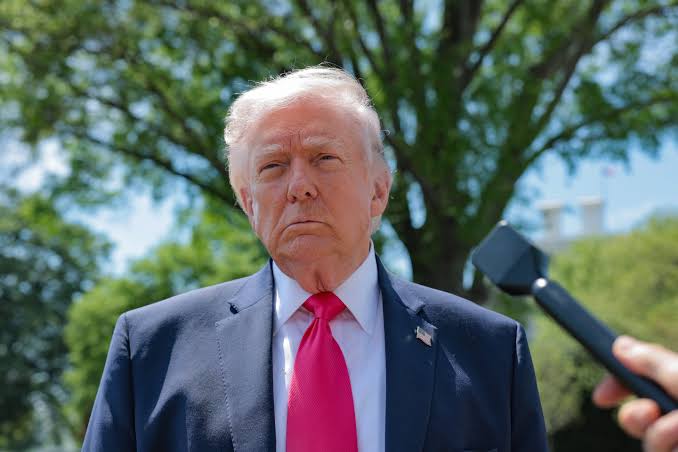
President Donald Trump has denied reports that his administration offered Iran sanctions relief or access to frozen Iranian funds in exchange for concessions on Tehran's nuclear program. His denial comes as indirect diplomatic contacts continue through mediators amid the wider US Iran conflict.
President Donald Trump has publicly denied reports that the United States offered Iran sanctions relief or access to frozen funds in exchange for concessions on Tehran's nuclear program, pushing back against reports of potential economic incentives as diplomatic efforts continue.
Trump issued the denial after Axios reported, citing unnamed US officials, that Washington was prepared to provide sanctions relief and release frozen Iranian assets in return for concrete Iranian steps concerning its nuclear program.
The President rejected that account.
Writing on Truth Social, Trump said the report was untrue and declared that he had offered Iran nothing.
His statement represents an important public clarification of Washington's position as mediators continue attempting to bridge significant differences between the United States and Iran.
CONFLICTING ACCOUNTS OVER WHAT WASHINGTON IS OFFERING
Axios reported that US officials had indicated that economic relief could be available if Tehran agreed to meaningful nuclear concessions.
According to that account, discussions involved the possibility of sanctions relief and access to Iranian funds currently frozen abroad.
Trump has now publicly disputed that characterization.
The disagreement creates uncertainty over precisely what options have been discussed through diplomatic channels and whether proposals transmitted through mediators reflect Trump's own negotiating position.
Neither Trump's denial nor the media reports necessarily establish the complete content of private diplomatic discussions.
What is clear publicly is that Trump says he has not offered Tehran sanctions relief or frozen funds in return for nuclear concessions.
INDIRECT CONTACTS CONTINUE
The dispute comes as diplomatic contacts continue through intermediaries.
Qatar has been involved in efforts to facilitate indirect communication between Washington and Tehran as both sides consider possible terms for further negotiations.
The two countries remain divided over several major issues, including Iran's nuclear program, sanctions, frozen assets, the Strait of Hormuz and the wider conflict.
Iran has maintained that its nuclear program is intended for peaceful purposes and has denied seeking a nuclear weapon.
The Trump administration continues to insist that any agreement must prevent Iran from obtaining a nuclear weapon.
TRUMP PREVIOUSLY REJECTED IRAN'S PROPOSAL
The latest development follows Trump's rejection of an Iranian proposal that included reopening the Strait of Hormuz and restarting negotiations.
Tehran has sought sanctions relief and other concessions as part of a broader agreement.
Trump rejected the proposal, arguing that the terms were unacceptable to Washington.
The President has nevertheless indicated that further discussions with Iran could continue.
The competing statements now leave considerable uncertainty around what Washington may ultimately be prepared to offer if negotiations advance.
DIPLOMACY CONTINUES AMID WAR
The diplomatic maneuvering is taking place while the wider conflict continues to place pressure on both countries and the global economy.
Disruptions involving the Strait of Hormuz have contributed to concerns about global energy supplies and fuel prices.
Trump has maintained that the United States is applying both military and economic pressure on Tehran while remaining prepared to reach an agreement on acceptable terms.
Iran, meanwhile, has continued to signal that it is open to diplomacy while insisting that any agreement must address its own demands.
The latest dispute demonstrates how far apart the public positions remain.
Reports based on unnamed US officials suggest that economic incentives have been discussed as part of efforts to secure Iranian nuclear concessions.
Trump's publicly stated position is different.
For now, the President says no sanctions relief or frozen funds have been offered to Iran.
Whether that position changes as mediation continues could become a central issue in determining whether the current diplomatic effort produces an agreement.