
SOUTH AFRICA REFUSES TO CLOSE DOOR ON WASHINGTON AS VISA DISPUTE DEEPENS US TENSIONS
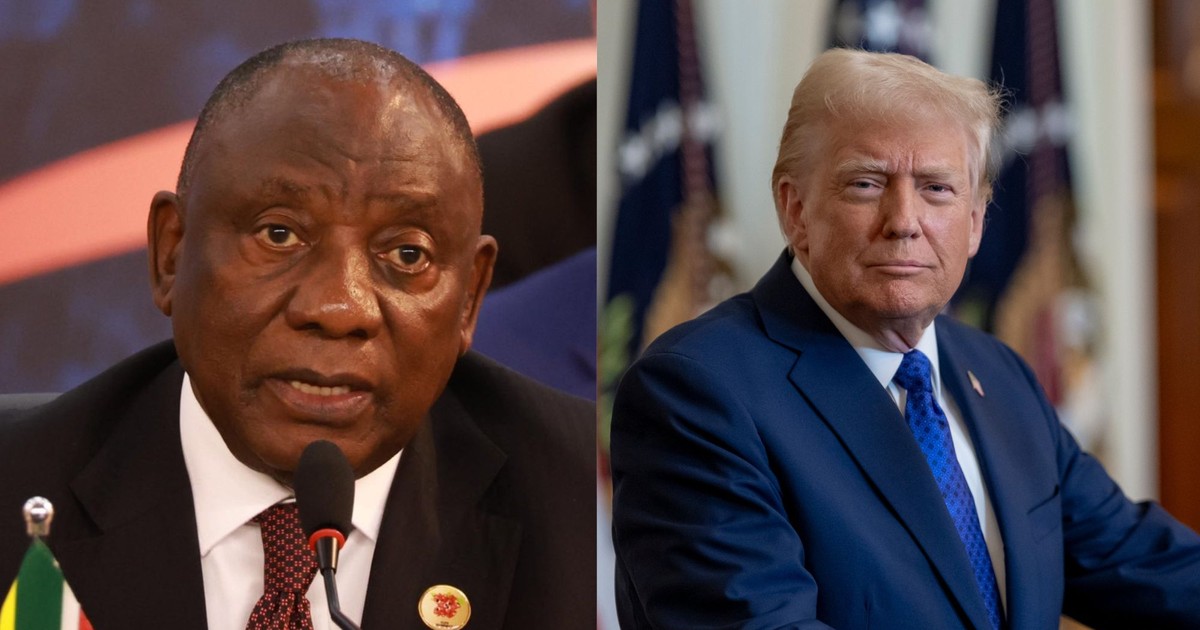
South Africa says it remains ready for further negotiations with the United States despite a growing diplomatic dispute involving visa restrictions and wider disagreements between the two governments. Foreign Minister Ronald Lamola says Pretoria wants continued engagement with Washington rather than allowing relations to deteriorate further.
South Africa says it remains open to further negotiations with the United States as Pretoria seeks to prevent an escalating visa dispute and broader political disagreements from causing further damage to relations between the two countries.
International Relations and Cooperation Minister Ronald Lamola said South Africa was prepared to continue engaging Washington despite recent tensions.
His comments follow new U.S. visa measures involving South Africa and come against the backdrop of an increasingly strained relationship between President Cyril Ramaphosa's government and the administration of U.S. President Donald Trump.
Lamola indicated that Pretoria's preference remains diplomacy.
South Africa, he said, is willing to continue discussions with Washington and address disagreements through established diplomatic channels.
The latest dispute adds another layer to a relationship that has come under sustained pressure over the past two years.
Washington and Pretoria have clashed over several issues, including South Africa's land policies, its foreign policy relationships and its positions on major international conflicts.
Relations deteriorated sharply after Trump returned to the White House.
The U.S. administration has repeatedly criticised South Africa's land reform policies and accused the government of discriminating against Afrikaners, claims the South African government has strongly rejected.
Pretoria maintains that its land reform programme is intended to address the enduring economic consequences of apartheid and colonial dispossession and says claims of widespread race-based land seizures are inaccurate.
Foreign policy has produced additional friction.
South Africa has maintained close diplomatic relationships with countries including Russia, China and Iran while also pursuing its genocide case against Israel at the International Court of Justice.
Those positions have drawn criticism from Washington.
Pretoria has defended its foreign policy as independent and based on South Africa's constitutional principles and national interests.
The disagreement has increasingly moved beyond political rhetoric.
Visa restrictions and other diplomatic measures have demonstrated how deteriorating relations can produce practical consequences for officials and institutions.
Lamola's latest remarks suggest South Africa is attempting to prevent those disagreements from permanently damaging one of its most consequential international relationships.
The United States remains an important economic partner for South Africa.
Trade and investment ties between the two countries support businesses and employment, making the diplomatic relationship economically significant in addition to its political importance.
South Africa has consequently sought to keep communication channels open even as disagreements with Washington have intensified.
President Cyril Ramaphosa has previously attempted direct engagement with Trump as part of efforts to reset relations and challenge claims made about conditions inside South Africa.
Those efforts have not eliminated the underlying disagreements.
The latest visa dispute demonstrates that significant differences remain.
For Pretoria, however, continued negotiations offer a route to managing those disagreements without allowing every political dispute to become a wider diplomatic confrontation.
Lamola's position also reflects South Africa's broader argument that differences between sovereign governments should be resolved through dialogue.
That approach could become increasingly important as the two governments navigate disputes over trade, foreign policy and domestic South African legislation.
The relationship now faces a difficult balancing act.
Washington has shown a willingness to use diplomatic and immigration measures to express its objections to South African policies.
Pretoria, meanwhile, has resisted pressure to abandon policies it regards as matters of domestic sovereignty or independent foreign policy.
Neither side has indicated that the broader relationship is being abandoned.
South Africa's latest message is therefore one of continued engagement despite increasingly visible disagreement.
Whether negotiations can produce a meaningful improvement will depend on whether Pretoria and Washington can separate their areas of cooperation from the political disputes that have increasingly defined their relationship.
For now, Lamola says South Africa is keeping the diplomatic door open.