OSCAR-WINNING CHILEAN FILMMAKER SEBASTIÁN LELIO DIES AT 52
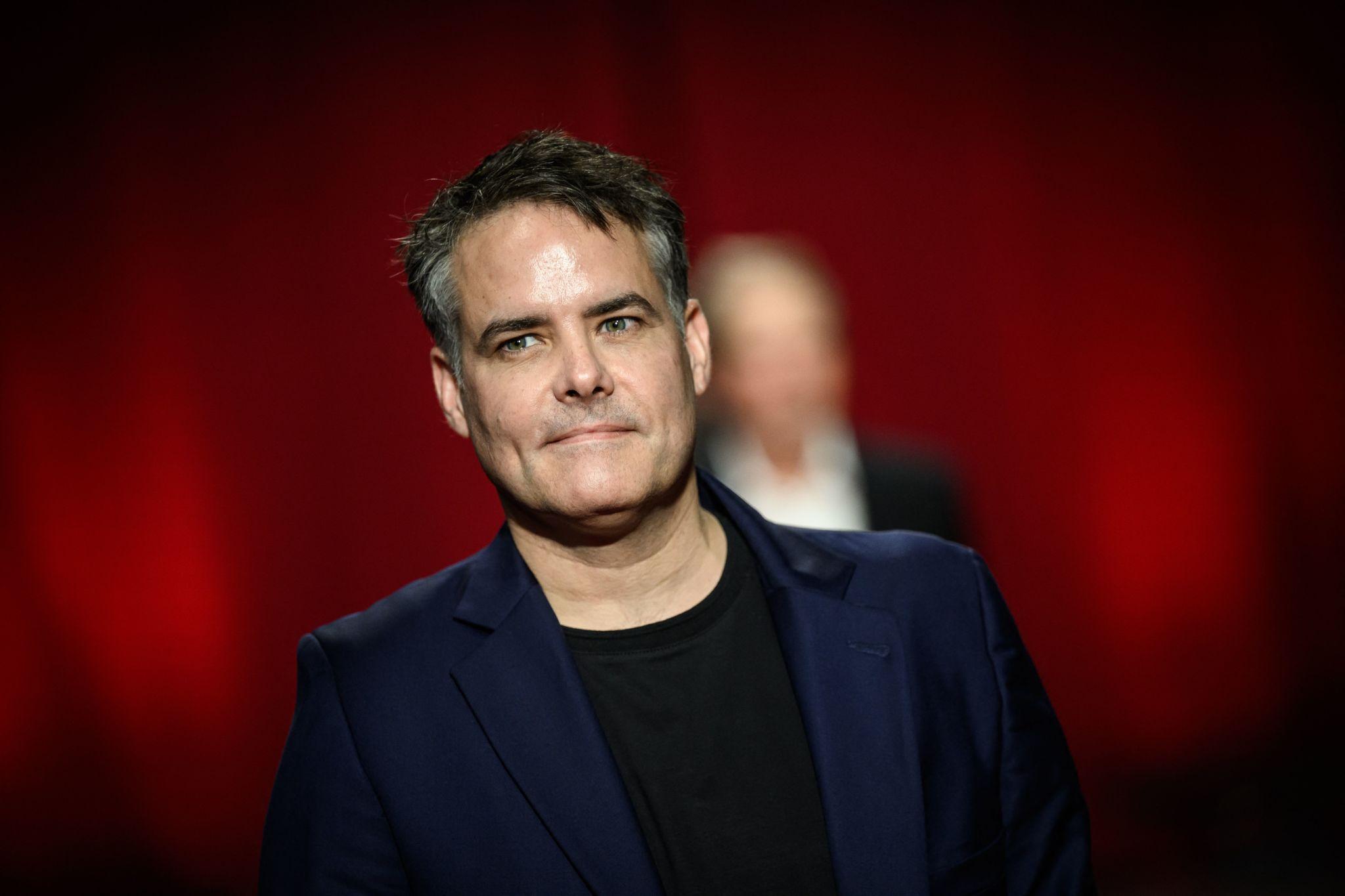
Oscar-winning Chilean filmmaker Sebastián Lelio, director of A Fantastic Woman, has died in Santiago at 52. His partner, actress Amalia Kassai, confirmed his death following health complications. The family has requested privacy.
SANTIAGO, November 7, 2026 Sebastián Lelio, the Oscar-winning Chilean filmmaker whose internationally acclaimed drama A Fantastic Woman made history at the Academy Awards and brought global attention to Chilean cinema, has died at the age of 52. His death was announced on Friday, November 6, by his longtime partner, actress Amalia Kassai, who said he had died following health complications. The family did not disclose a specific medical cause and asked the public and media to respect their privacy as they mourned the director.
“With great sadness, we announce the death, following health complications, of Chilean filmmaker Sebastián Lelio,” Kassai said in a statement. She described him as a wonderful person whose work made significant contributions to Chilean culture at important moments in the country's history, adding that his memory would remain with the family. The statement was signed by the Lelio Kassai and Campos Watt families, who also appealed for consideration during what they described as a period of profound grief.
Lelio's death represents a significant loss for Chilean filmmaking and the wider international film community. Over a career spanning two decades, he established himself as one of the country's most internationally recognised directors, developing a body of work that explored identity, relationships, social expectations, sexuality, religion and the experiences of people living outside conventional social structures. His films attracted audiences beyond Latin America, earned recognition at major international festivals and brought him opportunities to work with prominent actors in both Spanish- and English-language productions.
His most widely recognised film, A Fantastic Woman (Una mujer fantástica), won the Academy Award for Best Foreign Language Film in 2018, an achievement that placed Chilean cinema firmly in the international spotlight. The film stars Daniela Vega as Marina Vidal, a transgender woman whose life is disrupted by the sudden death of her older partner. As she attempts to grieve and organise his funeral, she faces hostility, discrimination and suspicion from members of his family and others who question her identity and her relationship with him.
The film received international attention for its portrayal of a transgender woman navigating personal loss and social prejudice, with Vega's performance earning widespread critical recognition. Rather than presenting Marina simply as a victim of discrimination, Lelio constructed a story centred on her dignity, emotional complexity and determination to retain control over her life during a deeply difficult period. The film's treatment of identity and institutional discrimination contributed to discussions about transgender representation in cinema and helped establish Lelio as a director capable of addressing socially sensitive subjects through intimate human stories.
At the 90th Academy Awards in March 2018, A Fantastic Woman won the Oscar for Best Foreign Language Film, becoming the first Chilean feature-length production to receive the award. It was Chile's second Academy Award overall, following the country's earlier victory in the animated short film category with Bear Story in 2016. The achievement marked a major moment for Chile's film industry and strengthened the international profile of its filmmakers and actors.
The film's success also brought greater visibility to Daniela Vega, whose performance was central to its international reception. Vega became one of the most prominent faces of the production and represented a significant moment for transgender visibility in mainstream international cinema. Lelio's decision to place a transgender character at the centre of a feature film, while exploring the prejudice and personal struggles she encounters, helped distinguish the production from more conventional award-season dramas.
Before the international success of A Fantastic Woman, Lelio had already attracted considerable attention through Gloria, his 2013 film about a middle-aged woman attempting to rebuild her romantic and personal life. The film starred Paulina García, whose performance earned her the Silver Bear for Best Actress at the Berlin International Film Festival. Gloria received strong critical attention and demonstrated Lelio's interest in characters whose emotional lives and personal ambitions are often overlooked by society.
The film later inspired an English-language remake, Gloria Bell, directed by Lelio and released in 2018, with Julianne Moore in the leading role. The remake retained the central character and themes of the original while adapting the story to a different cultural setting. Moore's performance brought the material to another international audience and reinforced Lelio's ability to revisit his own work without simply reproducing it.
Lelio subsequently expanded his international directing career with films featuring established actors from Hollywood and British cinema. His English-language feature Disobedience, released in 2017, starred Rachel Weisz, Rachel McAdams and Alessandro Nivola in a story involving religious expectations, personal freedom and a relationship between two women within an Orthodox Jewish community. The film continued his exploration of the tension between individual desire and the demands of family, faith and social convention.
In 2022, he directed The Wonder, a psychological period drama starring Florence Pugh as an English nurse sent to investigate a young Irish girl who reportedly survives without eating. Adapted from the novel by Emma Donoghue, the film explored faith, grief, social pressure and the conflict between religious belief and scientific investigation. It further demonstrated Lelio's willingness to work across genres and historical settings while maintaining his interest in complicated moral and emotional questions.
His filmography also included The Year of the Tiger and The Wave, among other productions. Across these works, he developed a distinctive approach to storytelling that frequently placed individual characters in conflict with institutions, traditions or social expectations. His films often examined how people negotiate identity and personal freedom in environments that seek to define or restrict them, a recurring theme that connected his Chilean productions with his later international projects.
Born in Mendoza, Argentina, Lelio moved to Chile with his family when he was two years old and grew up in the country that would become the centre of his filmmaking career. He briefly studied journalism before enrolling at the Chilean Film School, where he developed the foundation for his work as a writer and director. His early career included short films and independent productions before he gained wider recognition with The Sacred Family, his 2006 feature debut.
His rise in international cinema was gradual, built through festival recognition and a series of films that attracted attention for their performances and treatment of contemporary social issues. Gloria helped establish his reputation beyond Chile, while A Fantastic Woman brought him the Academy Award and a much larger international audience. The subsequent opportunities to direct productions featuring internationally known actors reflected the growing demand for his work outside his home country.
Lelio remained active in filmmaking until his death. In September 2026, he had begun work on Poeta Chileno, an adaptation of the novel by Chilean writer Alejandro Zambra. The project was based on a work of contemporary Chilean literature and represented a return to a story rooted in the country's cultural and literary landscape. Reports about his death said he had been working on the film shortly before he died, leaving questions about the production's future and whether it will be completed.
His death has prompted renewed attention to the contribution he made to Chilean cinema, particularly through the international recognition achieved by A Fantastic Woman. Chile's Ministry of Culture paid tribute to the filmmaker, describing his work as an important contribution to the country's film industry and acknowledging the international recognition he helped bring to Chilean cinema. Tributes from film organisations and colleagues have also highlighted his creative vision and the influence of his work on audiences and filmmakers.
Sony Pictures Classics, which distributed A Fantastic Woman in the United States, described Lelio as a distinctive filmmaker whose storytelling continued to evolve and surprise audiences. The company said his work challenged conventions, touched audiences and left a lasting mark on international cinema. Its tribute reflected the significance of a director whose career moved between independent Chilean productions and international projects without abandoning the themes that had defined his early work.
For Chile, the success of A Fantastic Woman remains one of the most prominent achievements in the country's modern cinematic history. The Oscar brought international attention to a national film industry that had steadily developed a presence at major festivals and in global distribution markets. Lelio's achievement also demonstrated how a film rooted in a specific national and cultural experience could connect with audiences across different countries.
Although his family has not released further details about the circumstances of his death, the announcement has been met with an outpouring of sadness from those who worked with him and audiences who followed his career. Kassai's request for privacy makes clear that the family is not seeking to make the personal circumstances of his final days a public discussion. The focus of the tributes has instead remained on his life, his films and the cultural contribution he made through his work.
Lelio leaves behind a filmography that includes award-winning Chilean productions and internationally distributed features, as well as an unfinished project that had only recently entered production. His work helped introduce Chilean stories and performers to wider audiences while contributing to conversations about identity, social acceptance and personal freedom. At 52, he was still actively developing new projects, making his death an especially significant loss for the film industry.
As the international film community remembers the director, A Fantastic Woman remains the defining achievement of a career that reshaped the international profile of Chilean cinema. His films, from Gloria to The Wonder, reflected a consistent interest in human experiences that are often marginalised or misunderstood, and his Academy Award-winning work ensured that his contribution would remain part of the history of world cinema.