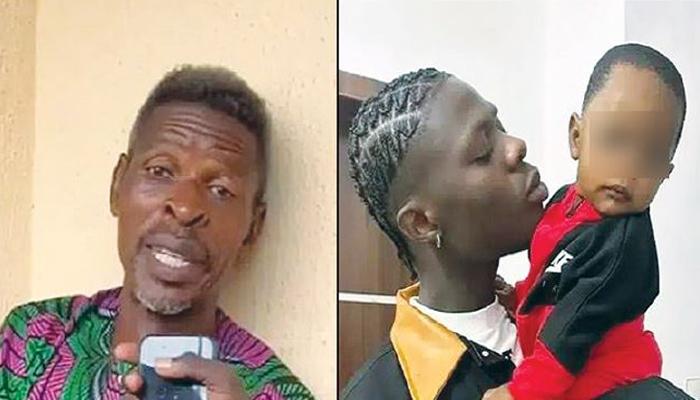
MOHBAD’S PATERNITY DISPUTE: DNA SAMPLES COLLECTED FROM SINGER’S REMAINS AND SON LIAM UNDER COURT SUPERVISION
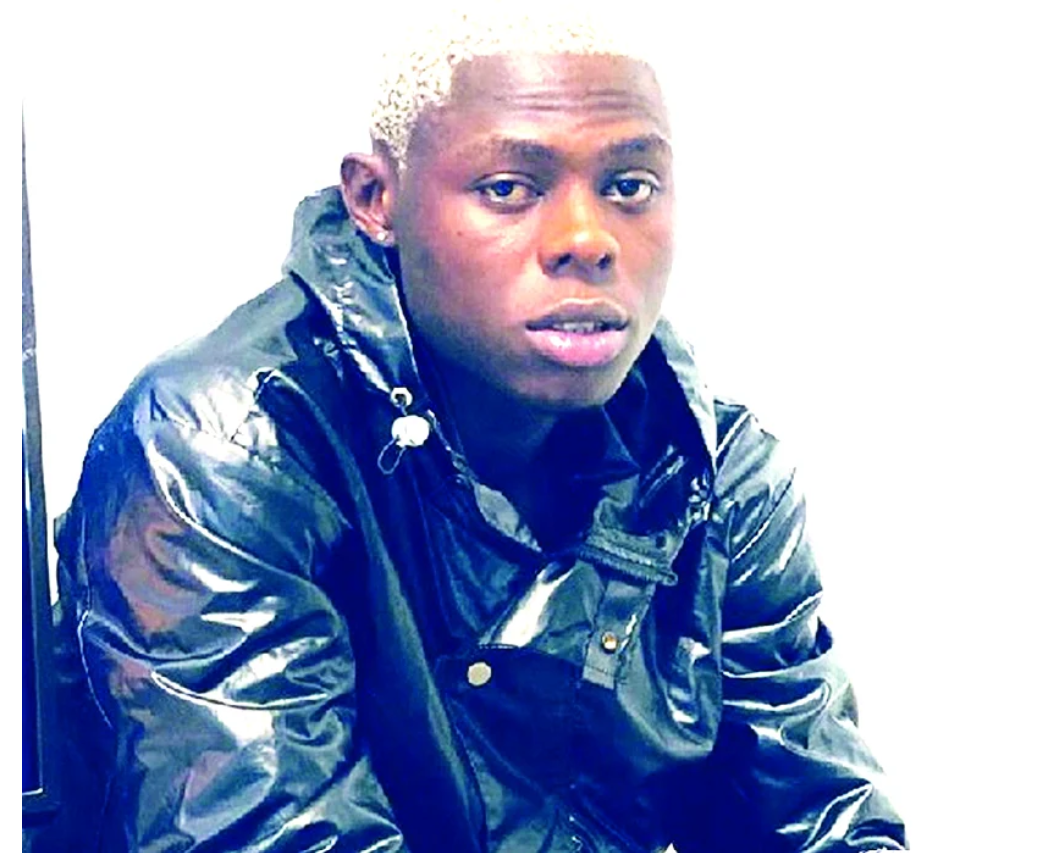
DNA samples have been collected from late Nigerian singer Mohbad’s remains and his son, Liam, under court supervision in Lagos. The exercise followed an application by Mohbad’s wife, Omowunmi Aloba, for a court-approved paternity test. The singer’s father, Joseph Aloba, had repeatedly questioned Liam’s paternity and demanded DNA testing. The collection took place amid concerns raised by the Aloba family about the laboratory arrangements and the handling of the samples. No date has been announced for the results, while further court proceedings are expected on November 16, 2026.
LAGOS, November 7, 2026 The prolonged paternity dispute involving the son of late Nigerian singer Ilerioluwa Aloba, popularly known as Mohbad, has entered a significant new phase following the collection of DNA samples from the singer’s remains and his son, Liam, in an exercise conducted under court supervision in Lagos.
The samples were collected on Saturday, October 31, following an application by Mohbad’s widow, Omowunmi Aloba, for a court-approved DNA examination to establish whether Liam is the biological son of the late musician. The exercise took place at Mainland General Hospital, popularly known as the Infectious Diseases Hospital, in Yaba, where biological samples were obtained from Mohbad’s remains before being transported under security escort to the Lagos State DNA and Forensic Centre. Liam’s samples were also collected at the centre for the forensic process.
The development represents an important step in a controversy that has remained unresolved since Mohbad’s death in September 2023. His father, Joseph Aloba, has repeatedly questioned Liam’s paternity and demanded a DNA test, turning what began as a family dispute into a prolonged legal matter that has attracted considerable public attention and generated intense debate across social media.
Although Joseph had previously pursued a DNA examination, proceedings surrounding the case experienced delays as questions were raised about the arrangements for conducting the test. Omowunmi subsequently filed an application seeking a court-supervised process, which was approved. A welfare officer was appointed to oversee the exercise, with October 31 fixed for the collection of the required samples.
The collection was conducted under tight security amid concerns about possible disturbances at the venue. Security arrangements were reportedly strengthened after Joseph called on his online supporters for backing, while some social media users discussed the possibility of staging protests during the exercise. The presence of security personnel was intended to ensure that the process proceeded without interference, given the sensitivity of the case and the public attention surrounding the singer’s family.
Mohbad’s mother, Abosede, his younger brother, Adura, and Omowunmi were among those present during the proceedings. The exercise reportedly became particularly emotional when the late singer’s remains were identified as part of the procedure. The moment brought the personal consequences of the dispute into focus, as family members were required to participate in a process involving the remains of a relative whose death had already generated years of unresolved questions.
Following the collection at Mainland General Hospital, the samples from Mohbad’s remains were transported under security escort to the Lagos State DNA and Forensic Centre, where Liam’s samples were also obtained. The collection marks the beginning of the latest forensic process, but it does not mean that the paternity question has been settled. The actual examination must be completed, the findings made available and the results presented through the appropriate legal process before the court can consider their implications.
Speaking after the exercise, Barrister Kabiru, the lawyer representing Omowunmi, said no date had been confirmed for the release of the DNA results. He explained that the parties involved would be formally notified through the court once the findings became available. He also commended the court and the Nigeria Police Force for their role in ensuring that the exercise was completed under supervision and adequate security.
The collection took place despite concerns raised by members of the Aloba family shortly before the scheduled exercise. On October 30, the family publicly requested a postponement, arguing that further clarification was needed about the laboratory arrangements, the handling of biological specimens and compliance with earlier court directives. The family maintained that it was not opposed to establishing Liam’s paternity through scientific testing but wanted assurances that the process would be transparent and capable of producing a result that could withstand legal and scientific scrutiny.
One of the central issues raised by the family concerned the role of the Lagos State DNA and Forensic Centre and whether it would conduct the actual DNA analysis or collect the specimens before transferring them to a laboratory in the United States. The family questioned the proposed involvement of an overseas facility, saying it wanted the identity, location, accreditation and technical qualifications of any laboratory expected to examine the samples. It also sought clarification about who would be responsible for the analysis and how the final report would be authenticated.
The concerns were significant because the family referred to an earlier process connected to investigations into Mohbad’s death, during which questions had reportedly arisen over the movement and receipt of biological samples. In its October 30 statement, the family said it had received information suggesting that a laboratory expected to receive earlier specimens had no record of receiving samples registered in the singer’s name. These were claims made by the family and have not been established as findings of a court. However, they contributed to the demand for a clearly documented process in the latest examination.
The family also questioned the role of Dr Richard Somiari, identified in its statement as the director of the Lagos State DNA and Forensic Centre, because of his reported involvement in earlier forensic procedures relating to Mohbad’s death. Its position was that any potential conflict or concern about the process should be addressed before the examination proceeded. The allegations and questions raised by the family should not be treated as proof of wrongdoing by the centre or any individual, but they illustrate the level of distrust that has developed around the handling of the case.
The controversy over the testing arrangements has also been reflected in previous court proceedings. In October, the case was adjourned until November 16 after concerns were raised by representatives of the Aloba family, including questions about the choice of testing facility and the handling of samples. The family had also sought to participate formally in the proceedings as an interested party. The November 16 date is therefore expected to provide another opportunity for the court to consider outstanding issues surrounding the process and the parties’ positions.
The latest collection exercise must also be understood against the wider background of Mohbad’s death and the unresolved investigations that followed it. The singer, who was 27, died on September 12, 2023. His death prompted widespread public reaction, with fans and members of the entertainment industry demanding answers about the circumstances surrounding his final hours. His body was exhumed on September 21, 2023, for an autopsy as part of the investigation into his death.
The autopsy did not provide a definitive answer on the cause of death. In May 2024, pathologists reportedly told the coroner’s inquest that advanced decomposition had made it difficult to determine the cause. The unresolved questions surrounding the singer’s death have continued to affect his family, while the paternity dispute over Liam has become another major source of disagreement among relatives.
Mohbad’s father has maintained that the paternity question should be resolved through DNA testing and has previously linked the matter to his position on the singer’s burial. In July 2026, Joseph reiterated that he did not want his son’s remains reburied until the paternity dispute had been settled. The position has added another dimension to the controversy, as the singer’s remains have remained part of the continuing legal and forensic proceedings years after his death.
The dispute has also placed Omowunmi in the centre of sustained public scrutiny. Since Mohbad’s death, she has faced repeated questions and speculation about Liam’s paternity, much of it amplified through social media. The allegations have remained contested, and no scientific result has been made public to establish or disprove the claim. The court-approved examination is intended to move the matter away from public speculation and provide scientific evidence that can be considered within the legal process.
DNA testing can establish biological relationships by comparing genetic material from the individuals involved. In this case, the use of samples collected from Mohbad’s remains and Liam is intended to determine whether the child shares the biological relationship being examined. The reliability of the eventual findings will depend not only on the laboratory analysis but also on the identification, preservation, documentation and handling of the specimens throughout the process.
This is why the chain of custody has become such an important issue in the dispute. A chain-of-custody record documents how evidence is collected, labelled, sealed, stored, transported and received, as well as the individuals responsible for handling it at each stage. In a case where the result is expected to influence a court decision and has attracted intense public scrutiny, the parties are likely to pay close attention to whether the specimens can be reliably traced from collection through to analysis.
The location where samples are collected should also be distinguished from the laboratory where they are ultimately examined. The reported collection of Mohbad’s samples at Mainland General Hospital and the subsequent transportation to the Lagos State DNA and Forensic Centre do not, by themselves, establish where the final analysis will take place or whether an overseas laboratory will be involved. That distinction is particularly important given the questions raised by the Aloba family before the exercise and the absence of an announced date for the release of the findings.
The case has become more complicated because the paternity dispute is not simply a private disagreement between two individuals. It involves a child whose identity and family relationships are at the centre of a public legal controversy, the rights and interests of surviving relatives, and the handling of the remains of a deceased person. The court’s involvement is intended to provide a formal framework for resolving the issue, rather than allowing competing claims and online speculation to determine the outcome.
The public attention surrounding the matter has also created additional pressure on the family. Mohbad’s popularity and the circumstances of his death turned developments involving his relatives into major entertainment news, with online discussions often moving faster than the legal process. Claims about Liam’s paternity have circulated repeatedly, but the existence of public allegations does not establish their accuracy. Until the forensic findings are released and considered through the appropriate proceedings, the question remains unresolved.
For Omowunmi, the court-supervised test provides an opportunity to obtain a scientific determination of a question that has followed her and her son since the singer’s death. For Joseph and other members of the Aloba family, the credibility of the examination and the manner in which the samples are handled remain central concerns. The fact that samples have now been collected is therefore a procedural development, rather than a final resolution of the competing positions.
Attention is now expected to focus on the forensic examination, the laboratory arrangements and the next court proceedings. No release date has been announced, and Barrister Kabiru has said the parties will be informed through the court when the results are ready. The November 16 hearing also remains an important date in the wider legal process, particularly as questions about the testing arrangements and the participation of interested family members continue to be addressed.
The eventual findings could provide the scientific evidence needed to resolve Liam’s paternity, but the outcome will have to be communicated and considered through the court rather than determined by public reaction. Until then, the dispute remains open, and the credibility of the process will depend on whether the collection, handling and analysis of the samples can be clearly accounted for. More than three years after Mohbad’s death, his family is still awaiting answers on several issues, and the latest DNA exercise has brought one of the most contentious questions surrounding his legacy closer to a possible legal determination.