NIGERIAN TROOPS SMASH ZAMFARA AMBUSH, RESCUE ABDUCTED HERDERS AND RECOVER 520 LIVESTOCK
Operation Fansan Yamma says Nigerian troops repelled a coordinated ambush along the Anka–Guruzu Road in Zamfara State on October 28, with one soldier sustaining a gunshot wound and remaining in stable condition. In a separate operation near Takasaba Village in Sokoto State, troops rescued two abducted herders aged 50 and 14 and recovered 520 livestock after suspected attackers fled. The military’s claims about casualties among the attackers have not been independently verified.
Nigerian troops operating under Joint Task Force North-West, Operation Fansan Yamma, say they repelled a coordinated terrorist ambush along the Anka–Guruzu Road in Zamfara State and, in a separate operation in neighboring Sokoto State, rescued two abducted herders and recovered 520 livestock after confronting suspected attackers near Takasaba Village.
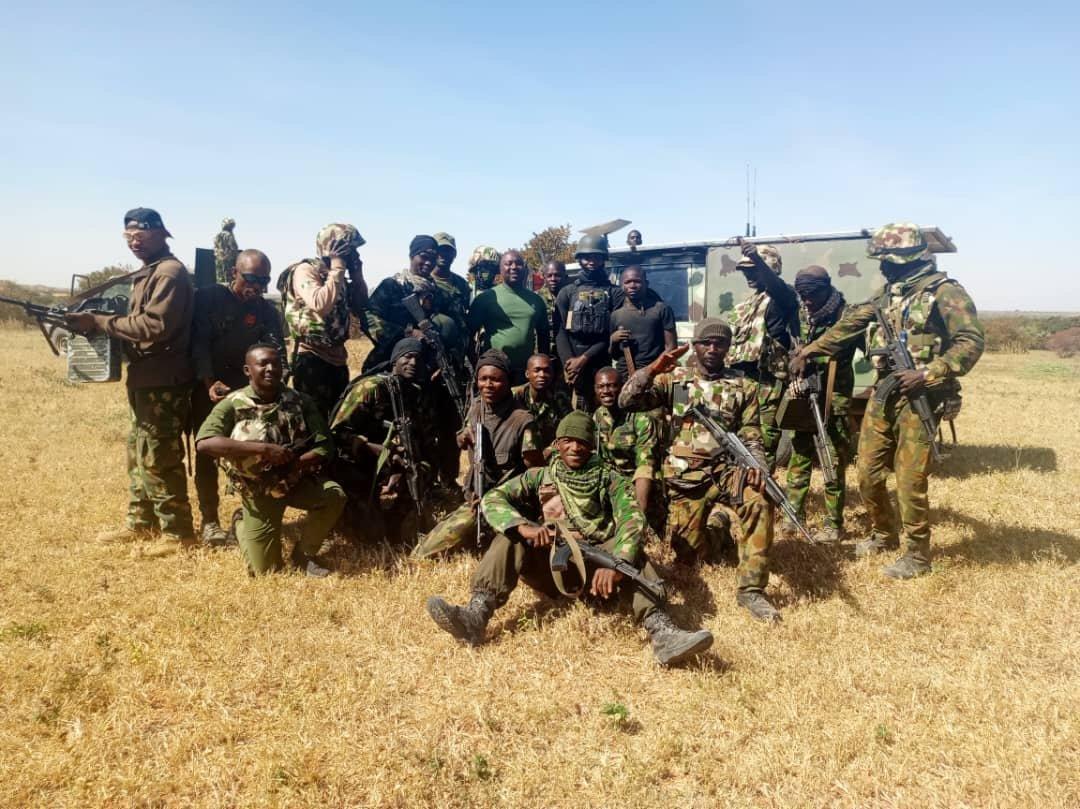
The military said both operations took place on Wednesday, October 28, as troops continued patrols and counter-terrorism operations across communities in Nigeria’s North-West. According to a statement issued by Captain Tamuno Sinivie, Media Information Officer for Operation Fansan Yamma, troops of Sector 2 came under attack while carrying out a fighting patrol along the Anka–Guruzu Road following reports of terrorist activity in the area.
The statement said armed men had positioned themselves on both sides of the road before opening fire on the patrol. The troops returned fire and fought through the ambush, forcing the attackers to withdraw from the area. The military claimed that the gunmen suffered heavy casualties, although no independent casualty assessment was available and the military did not provide a verified number of attackers killed or wounded.
One Nigerian soldier sustained a gunshot wound during the exchange and was evacuated for medical treatment. The military said the soldier was in stable condition after receiving care. Troops subsequently secured the Anka–Guruzu Road and restored movement along the route, according to the official account.
The Anka area has remained one of the locations affected by armed groups operating across Zamfara and other parts of the North-West, where criminal gangs and militant networks have carried out kidnappings, livestock rustling, attacks on villages and ambushes against security forces. Military operations in the region have increasingly focused on keeping strategic roads open while restricting the movement of armed groups between rural communities and forested areas.
The Anka–Guruzu route is especially important to communities that depend on road access for farming, trade and movement between settlements. Ambushes on military patrols can create wider insecurity because attacks on troops are often followed by road closures, fear among commuters and reduced commercial activity in surrounding communities.
Operation Fansan Yamma was established as part of efforts to strengthen the Nigerian military’s response to insecurity across the North-West. The operation has conducted patrols, raids, rescue missions and joint actions targeting groups accused of kidnapping, cattle rustling and attacks on civilians in Zamfara, Sokoto, Katsina, Kebbi and neighboring areas.
In the separate Sokoto operation, the military said troops responded to intelligence indicating that suspected terrorists were attempting to rustle livestock and abduct herders near Takasaba Village in Sabon Birni Local Government Area. Soldiers moved toward the area and engaged the attackers, forcing them to flee and leave behind their captives and hundreds of animals.
The military identified the rescued victims as Malam Sulaiman, 50, and Nasiru Sulaiman, 14. Both were subsequently handed over to authorities in Sabon Birni Local Government Area after being secured by the troops. The military did not report serious injuries to either victim in the initial statement.
A total of 520 livestock were also recovered during the Sokoto operation. Livestock rustling remains an important source of income for armed groups operating in parts of northwestern Nigeria, where stolen cattle, sheep and goats can be moved across remote rural routes and sold through informal markets.
The seizure or recovery of livestock can therefore have both security and economic importance. For rural families whose livelihoods depend on herding, the loss of hundreds of animals can destroy household income, while repeated thefts can force communities to abandon traditional grazing routes or leave villages considered too dangerous.
Military authorities said the suspects fled when troops arrived, leaving the livestock and abducted herders behind. No arrests were announced in the initial statement, and the identities of those involved in the alleged abduction and rustling attempt were not disclosed.
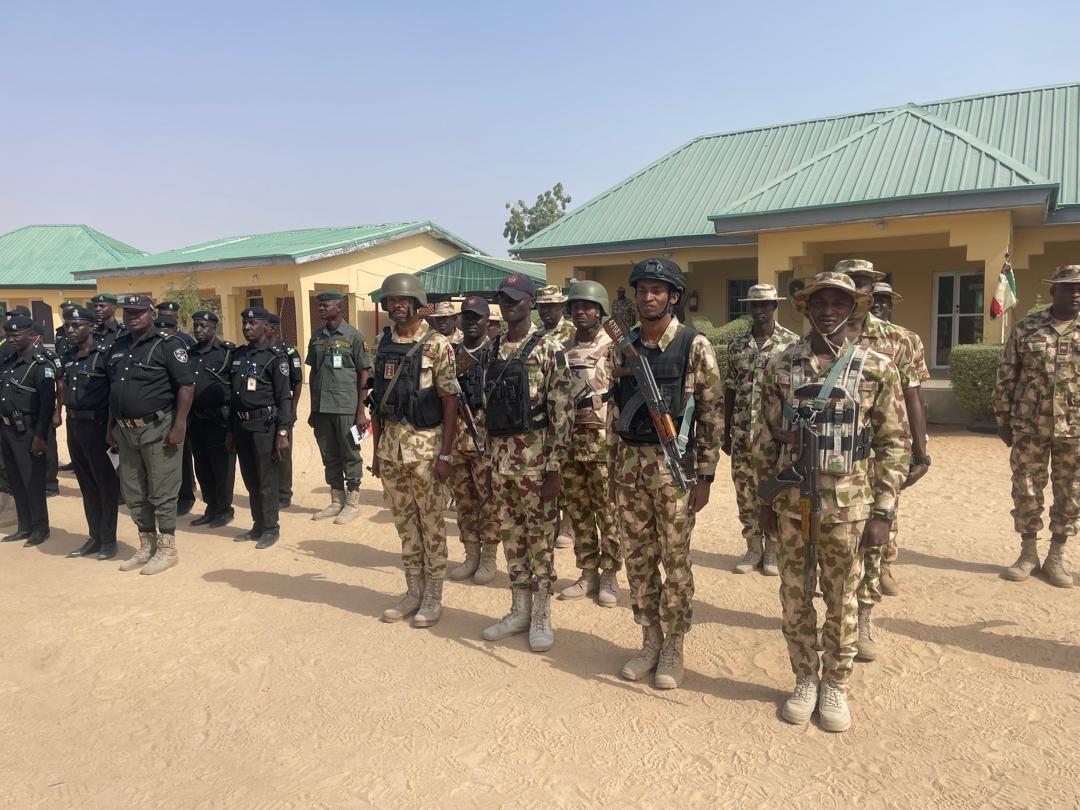
The Theatre Commander of Operation Fansan Yamma, Major General W.B. Idris, commended the troops for what he described as courage and operational effectiveness. He urged them to sustain pressure on armed groups and reassured residents that the military would continue operations aimed at protecting rural communities and restoring security across the North-West.
Idris also called on members of the public to continue providing security agencies with timely and credible information. Nigerian military commanders have repeatedly stressed the importance of local intelligence because many armed groups operate from forests, remote settlements and difficult terrain where conventional surveillance can be limited.
The military’s account of the Zamfara and Sokoto operations fits into a broader pattern of intensified activity across the region. Only days earlier, Operation Fansan Yamma said troops had carried out separate missions in Katsina, Kaduna and Zamfara that resulted in the deaths of suspected terrorists and the rescue of kidnapping victims. Those earlier claims were also based on official military statements and were not independently verified.
Nigeria’s North-West has faced a complex security crisis involving armed gangs, kidnapping networks, cattle rustlers, local criminal groups and, in some areas, militants with links to wider extremist movements. The boundaries between these categories are often unclear, and Nigerian authorities increasingly use the term terrorists to describe heavily armed groups carrying out attacks on civilians and security forces.
Zamfara has been among the states most severely affected. Communities have endured mass abductions, village attacks and repeated clashes between armed groups and security personnel. Rural residents have also faced demands for protection payments or levies imposed by criminal gangs operating in areas where government security presence is limited.
Sokoto State, particularly communities closer to forested border areas, has also experienced growing insecurity. Sabon Birni and neighboring districts have repeatedly reported attacks, livestock theft and kidnappings, increasing pressure on military and police units to maintain a more permanent presence.
The October 28 operations highlight two different challenges facing security forces in the region. In Zamfara, soldiers themselves were targeted in an organized roadside ambush. In Sokoto, troops intervened in an alleged attack on civilians and livestock. Both incidents reflect how armed groups can shift between direct confrontation with security personnel and criminal activity against rural communities.
The military says it is attempting to deny such groups freedom of movement by maintaining patrols along major roads and responding quickly to intelligence from local communities. Whether those operations produce sustained improvements depends partly on whether security forces can hold territory after armed groups withdraw rather than simply forcing attackers to relocate temporarily.
Road security is particularly important because armed groups often exploit isolated stretches of highway and rural tracks where vehicles can be stopped with little warning. Ambushes and kidnapping incidents can effectively cut communities off from markets, health facilities and larger towns even when the physical road remains open.
The military’s statement that the Anka–Guruzu route was secured after the clash was therefore intended to reassure commuters as well as demonstrate that troops remained in control of the area following the attack.
The injured soldier’s stable condition also means the military did not report any troop fatalities from the encounter. The statement did not say how long the firefight lasted, how many attackers were involved or what weapons were used beyond describing the assault as a coordinated ambush.
It also did not specify whether any weapons, ammunition or vehicles were recovered from the fleeing attackers in Zamfara. Those details may emerge if the military releases a fuller operational report.
In Sokoto, the recovery of 520 animals represents a substantial haul and suggests that the alleged rustling operation involved a large herd. Authorities did not specify the exact breakdown between cattle and other livestock or identify the owners of all the recovered animals in the initial statement.
Local officials are likely to be involved in identifying the livestock and arranging their return to legitimate owners. Such processes can be complicated in rural areas where animals may belong to multiple families or communities and where ownership records are limited.
The rescue of the 14-year-old victim also underscores the vulnerability of younger people in kidnapping incidents. Armed groups operating across the North-West have abducted children, farmers, students and travelers, sometimes demanding ransom payments before release.
The Nigerian government has repeatedly said it will not tolerate ransom-driven kidnapping networks and has expanded military operations against groups operating from forests and rural enclaves. However, insecurity remains persistent, and attacks can resume quickly in areas where troops are unable to maintain continuous pressure.
Operation Fansan Yamma’s strategy has increasingly emphasized coordinated operations across state boundaries because armed groups frequently move between Zamfara, Sokoto, Kebbi, Katsina and Kaduna rather than remaining confined to a single jurisdiction.
That mobility means security pressure in one state can sometimes push armed groups into neighboring areas, making intelligence sharing and coordinated deployment especially important.
The separate Zamfara and Sokoto incidents on the same day demonstrate that challenge clearly. Troops faced an ambush in one state while simultaneously responding to an attempted livestock rustling and abduction in another.
The military has presented both operations as evidence that troops are becoming more responsive and are limiting the ability of armed groups to operate freely. Independent verification remains difficult because many of the affected areas are remote and journalists cannot always reach the scenes immediately after military engagements.
For that reason, claims of heavy terrorist casualties should be treated as official military accounts unless supported by independent evidence. What is more firmly established from the military’s own report is that troops came under attack, one soldier was wounded and evacuated, two abducted herders were recovered alive, and 520 livestock were retrieved during the separate Sokoto operation.
The operations also show that livestock protection remains inseparable from counter-terrorism and anti-kidnapping operations in parts of the North-West. In rural economies where cattle and other animals represent family wealth, attacks on herders can be both economically devastating and a source of financing for armed groups.
Protecting livestock routes, markets and farming communities is therefore likely to remain a major part of the region’s security strategy alongside direct military action against armed camps.
Major General Idris has urged troops to maintain the offensive while continuing engagement with local communities. The military’s repeated calls for intelligence reflect an acknowledgement that residents often have the earliest information about unusual movements, unfamiliar armed men or planned attacks.
The challenge for security agencies is ensuring that civilians who provide such information can do so safely. In several parts of the North-West, communities have reported fears of retaliation by armed groups against people suspected of cooperating with government forces.
The Nigerian military has said operations will continue across the region and that troops will pursue attackers who withdrew from recent engagements. No timeline has been provided for those follow-up operations.
For residents along the Anka–Guruzu corridor and communities around Sabon Birni, the immediate significance is that the road was reportedly reopened after the ambush and two abducted herders returned alive after the Sokoto intervention.
The longer-term test will be whether security forces can prevent the attackers from regrouping and returning to the same areas. Similar operations have previously disrupted armed groups without eliminating the underlying networks responsible for kidnapping, livestock theft and attacks on rural settlements.
The latest incidents therefore provide evidence of active military resistance and successful rescue operations but do not by themselves resolve the broader security crisis affecting northwestern Nigeria. Continued patrols, intelligence operations, community protection and efforts to dismantle the financial networks behind kidnapping and livestock theft will remain necessary if the region is to see sustained improvement.
For now, Operation Fansan Yamma says its troops successfully fought through the Anka–Guruzu ambush, suffered one wounded soldier who remains stable, rescued two herders in Sokoto and recovered 520 livestock. The military is expected to continue operations against the fleeing attackers while maintaining security along affected routes and communities.